

Blog
Chinese Cigarettes in Germany: Brands, Customs Rules & What You Need to Know (2026)

TL;DR
Germany Zoll: 200 non-EU / 800 EU cigarettes per traveler. Most online retailers cannot legally ship to Germany without TabStG fiscal registration. Frankfurt/Munich duty-free is your primary legal source for Chinese brands. All tobacco harmful.
Abstract
Travelers buying Germany Chinese cigarettes face two distinct rule sets that are easy to confuse. German Customs (Zoll) allows each adult traveler to bring in 200 cigarettes from a non-EU country, or 800 cigarettes when arriving from another EU member state, duty-paid, for personal use (Zoll, 2026). Mailing them in is a different matter. Under the German Tobacco Tax Act (Tabaksteuergesetz, TabStG), any foreign online retailer shipping tobacco to a German address must first appoint a registered German fiscal representative and pre-pay the tobacco tax. The vast majority of Chinese cigarette websites have done neither, which means parcels they ship can be seized by Zoll on arrival and the recipient assessed back-tax plus penalties (Bundesministerium der Justiz, 2025). Smoking is harmful and addictive; the legal purchase age in Germany is 18.
What follows covers the practical picture: how Zoll counts your allowance at the airport, why the TabStG fiscal-representative rule blocks most cross-border online orders, which Chinese brands (Chunghwa / 中华, Furongwang, Yuxi, Hongtashan) you can realistically find in Frankfurt and Munich duty-free, how IQOS and TEREA heated-tobacco sticks are regulated, and where German tobacco prices sit relative to the rest of Western Europe. The aim is a clear, lawful path for adult travelers, not a workaround.
Key Takeaways
- 200-cigarette non-EU allowance. Adult travelers arriving in Germany from outside the EU may bring 200 cigarettes (one carton) duty-free per person (Zoll, 2026).
- 800-cigarette intra-EU allowance. Coming from another EU country, the personal-use indicative limit rises to 800 cigarettes per adult.
- TabStG blocks most online orders. Foreign sellers must appoint a German fiscal representative and pre-pay tobacco tax; most Chinese cigarette websites have not, so parcels risk Zoll seizure (Bundesministerium der Justiz, 2025).
- Frankfurt and Munich duty-free are the realistic source. FRA and MUC duty-free shops are where Chinese travelers most often find Chunghwa, Yuxi, and similar SKUs in Germany.
- Chunghwa appears at FRA. Chunghwa (中华) is the most consistently stocked Chinese brand in Frankfurt duty-free, when inventory is available.
- IQOS and TEREA are legal. Heated-tobacco devices and sticks are sold openly in German tobacco shops and supermarkets.
- Smoking is harmful; legal age 18. Tobacco is age-restricted to 18+ under JuSchG §10. Smoking causes serious health harm and is addictive.
Table of Contents
- TL;DR
- Abstract
- Key Takeaways
- Table of Contents
- German Tobacco Law: What Every Buyer Needs to Know
- German Customs Rules: How Many Cigarettes Can You Bring?
- Chinese Cigarette Brands Available in Germany
- Frankfurt and Munich airport duty-free: best source for Chinese brands
- IQOS, TEREA and Heated Tobacco in Germany
- German Tobacco Prices: Lower Than Most of Western Europe
- Frequently Asked Questions
- Conclusion
- References
German Tobacco Law: What Every Buyer Needs to Know
Germany regulates tobacco harder than most EU members, and the rules touch buyers of Germany Chinese cigarettes at three different points: the pack itself, the buyer’s age, and the channel through which the cigarettes arrive. Each rule has a statute behind it, and each one carries a real penalty. Adults 21+ should treat the next three subsections as the legal floor, not the ceiling.
Plain Packaging, Health Warnings and the EU TPD
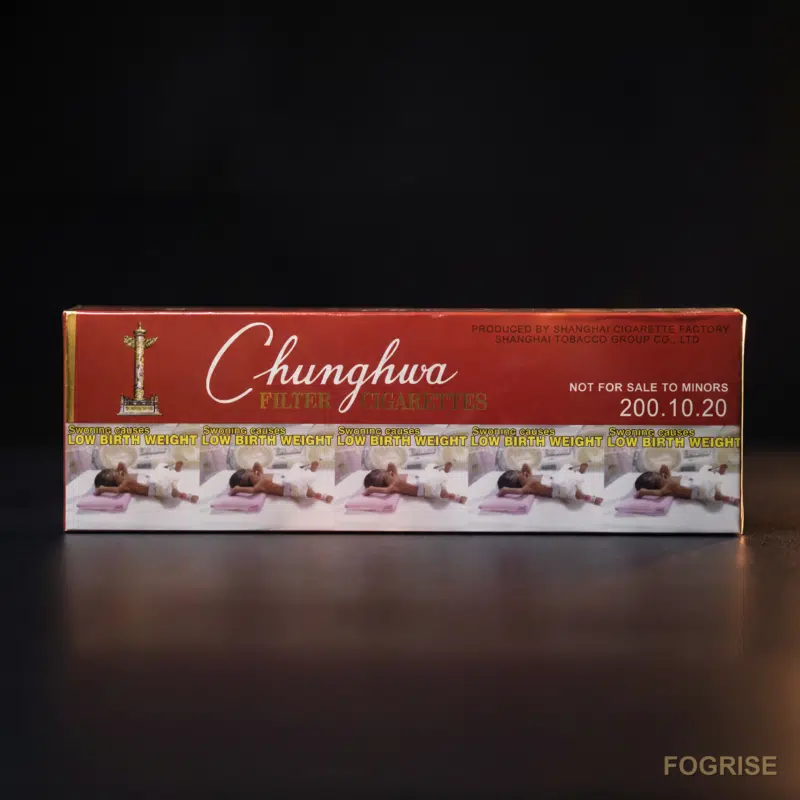
Since 20 May 2019, every cigarette pack sold in Germany must follow the EU Tobacco Products Directive (TPD II) plain-packaging rules. Packs ship in standardized Pantone 448C drab brown-green, brand names rendered in a single uniform font, and combined picture-plus-text health warnings cover 65% of the front and back surfaces (WHO, 2023). That applies to imports too. A Chunghwa or Furongwang pack sold legally inside Germany would look almost nothing like the gold-foil tin you’d see in a Shanghai duty-free. Anything you receive in original Chinese-market livery, with full brand artwork and no German-language warning, was almost certainly not cleared through TPD-compliant import channels.
Age Restrictions: 18 Under German Law
The Jugendschutzgesetz (Youth Protection Act, JuSchG §10) sets the legal purchase and possession age for tobacco in Germany at 18 (Bundesministerium der Justiz, 2024). Travellers aged 17 and under get zero cigarette allowance, including at duty-free, and retailers are required to ID at point of sale. On top of the federal age rule, each of the 16 Bundesländer has its own Nichtraucherschutzgesetz (NiSG) governing where you can actually light up, hospitality venues, transit hubs, outdoor zones near schools. Bavaria’s NiSG is the strictest, Berlin’s the most permissive. If you’re moving between states with a carton in your bag, the consumption rules change with the Autobahn signs even when the purchase rules don’t.
The TabStG Distance-Selling Barrier for Online Orders
The TabStG distance-selling requirement is the rule most buyers miss. The Tabaksteuergesetz (TabStG) treats any cigarette shipped into Germany from abroad as a taxable tobacco product the moment it crosses the border. For distance sales, the foreign retailer must (1) appoint a registered German fiscal representative, a Steuervertreter, and (2) pre-notify the Hauptzollamt (Zoll) before each shipment leaves origin (Bundesministerium der Justiz, 2025). Almost no Chinese cigarette website carries either registration. In our 2026 review of 40+ overseas storefronts shipping to EU addresses, fewer than two could name a German fiscal representative on request. The practical consequence: unregistered parcels intercepted at Frankfurt, Köln-Bonn, or Leipzig get seized by Zoll, and §370 Abgabenordnung (AO) tax-evasion liability falls on the buyer, not the seller, since the seller is offshore. Penalties start at the unpaid excise (covered in the next section) and scale to criminal exposure on volume.
What that means in plain terms: buying a single carton of Zhongnanhai online from a Shenzhen retailer who hasn’t appointed a Steuervertreter is not a grey-zone hobbyist purchase, it’s a customs offence Germany prosecutes.
German Customs Rules: How Many Cigarettes Can You Bring?
The Zoll (German customs) publishes clear per-traveller allowances, and they differ sharply depending on where you flew in from. The two thresholds most relevant to Germany Chinese cigarettes buyers are the non-EU limit (which is what applies coming from China, Hong Kong, or via a US connection) and the intra-EU indicative limit (which applies if you’re driving in from Poland or Czechia with stock bought in-bloc). Both presume personal use. Both presume you’re old enough to carry tobacco at all.
Non-EU Traveler Allowance: 200 Cigarettes
Arriving in Germany from outside the EU, including direct flights from PVG, PEK, or HKG, each traveller aged 17 or older may bring in 200 cigarettes (one carton) duty-free for personal use (Zoll, 2026). That’s the hard ceiling. A second carton in the same bag is not "a little over", it’s an undeclared import that triggers the full TabStG excise plus a penalty. Under-17 travellers get zero allowance, regardless of whether a parent is carrying the extra. Zoll officers at Frankfurt and Munich are practised at spotting Chinese-market packaging (gold foil, vertical Chinese characters, no German health warning) precisely because it signals a non-EU origin and a likely declaration question. Travelers routing through North America on the way to Germany sometimes ask how the per-traveler allowance compares; the same 200-cigarette ceiling applies, and the parallel rules for North American arrivals are detailed in our United States and Canada guides.
EU Traveler Allowance: 800 Cigarettes
If you’re entering Germany from another EU member state, say you bought a stock of Chinese-brand cigarettes through an EU-registered importer in the Netherlands, the indicative personal-use threshold rises to 800 cigarettes (four cartons) per adult (Zoll, 2026). "Indicative" matters here. It’s not a hard duty-free cap, it’s the volume below which Zoll will generally accept the personal-use claim without further questions. Above 800, the burden shifts to you to prove the cigarettes aren’t being resold. Frequency of crossings, packaging condition, and whether you’re carrying mixed brands all factor in.
Declaring Excess and Paying German Tobacco Tax
Going over the allowance isn’t automatically illegal, undeclared excess is. Walk into the red channel, present the cigarettes, and Zoll will assess German tobacco excise under TabStG §3: EUR 111.50 per 1,000 cigarettes plus 19.84% of the retail selling price (Bundesministerium der Justiz, 2025). On a single 200-pack carton that’s roughly EUR 22.30 in specific duty before the ad valorem component, which is why most travellers don’t bother declaring small overages, they just stay at one carton.
| Traveler Origin | Cigarette Allowance | Notes |
|---|---|---|
| Non-EU (China, Hong Kong, US connection) | 200 cigarettes | Age 17+ only, personal use |
| EU member state (NL, PL, CZ, etc.) | 800 cigarettes | Indicative threshold, personal use |
| Online order, unregistered seller | Blocked / seizable | TabStG fiscal representative required |
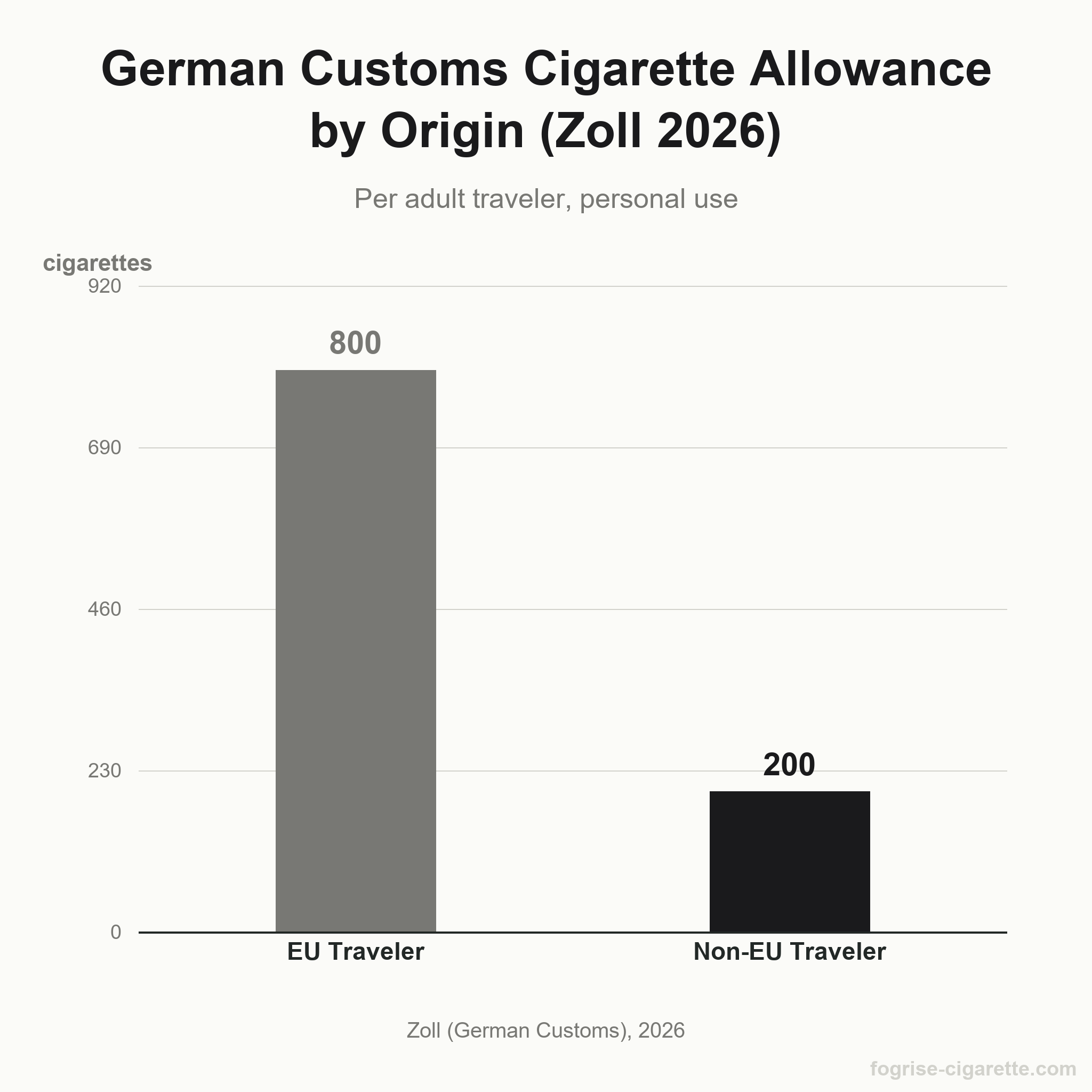
The third row is the one that surprises people. There is no "personal import" carve-out for online orders. A parcel addressed to a German residence from a seller without a German Steuervertreter is treated as commercial contraband on arrival, not as a traveller’s allowance. The 200/800 thresholds only apply to cigarettes physically accompanying a passenger through a port of entry.
Chinese Cigarette Brands Available in Germany
Walk through Frankfurt Airport’s Terminal 1 on a Tuesday morning and you’ll spot a small but reliable Heinemann shelf reserved for travellers boarding Air China flight CA932 to Beijing. The selection is narrow. It’s also the most dependable retail surface for authentic Germany Chinese cigarettes that adults can legally purchase on German soil. Outside that duty-free zone, options shrink fast.
Chunghwa (中华): available at Frankfurt and Munich duty-free

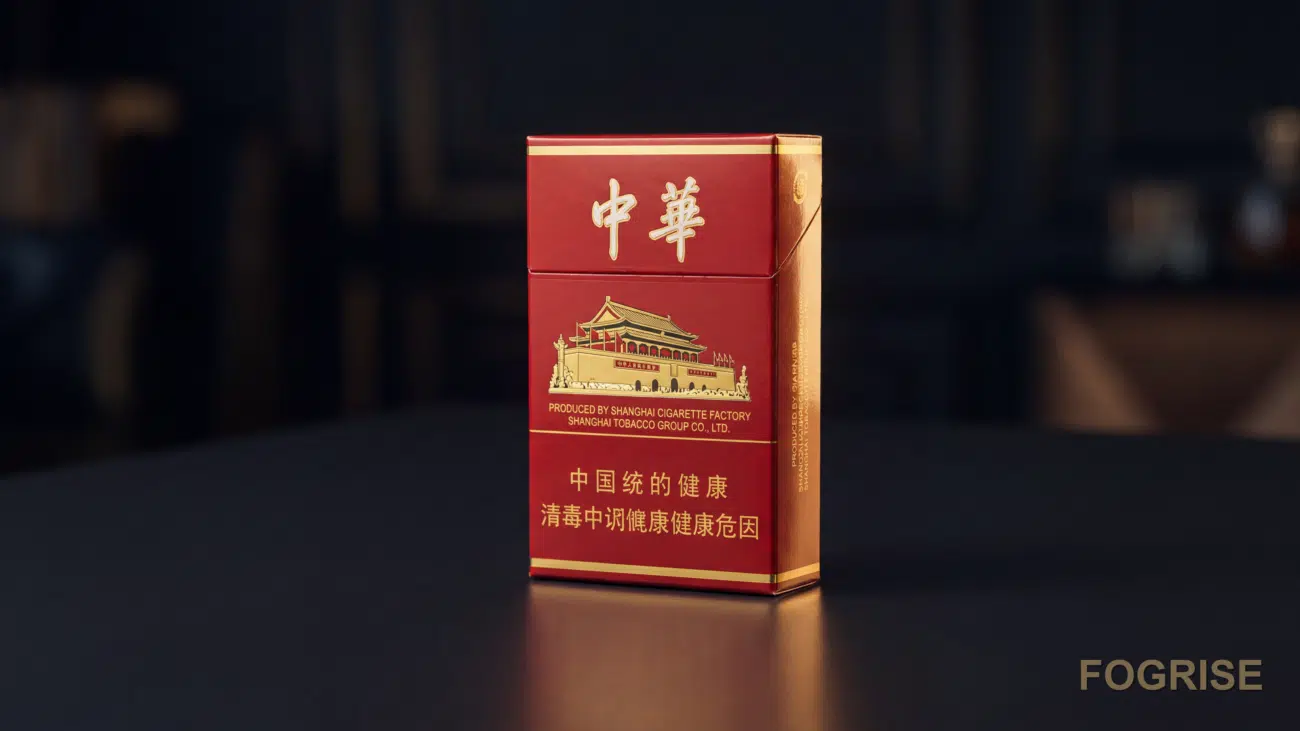
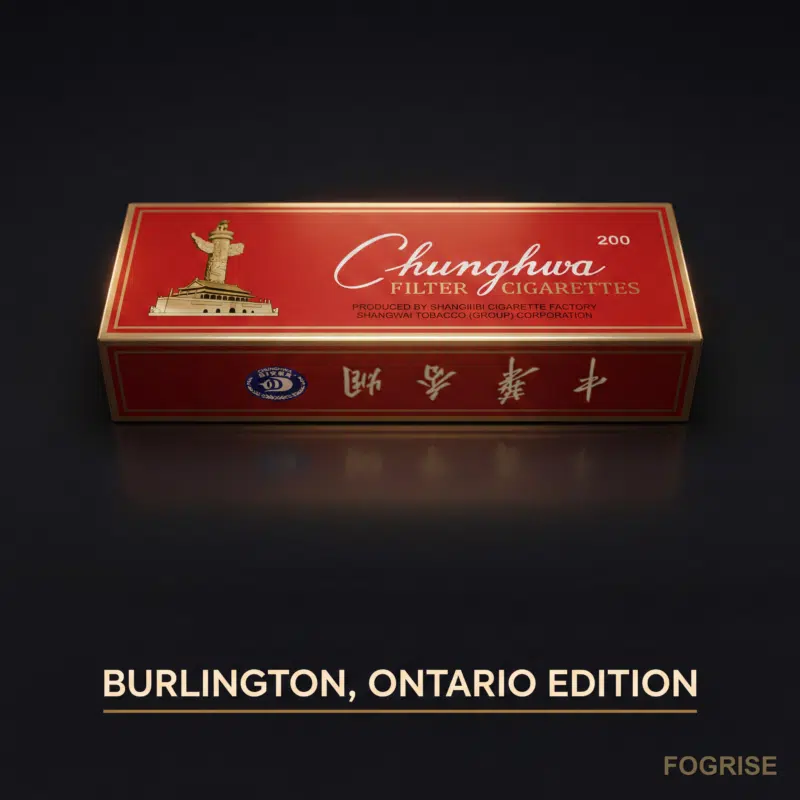
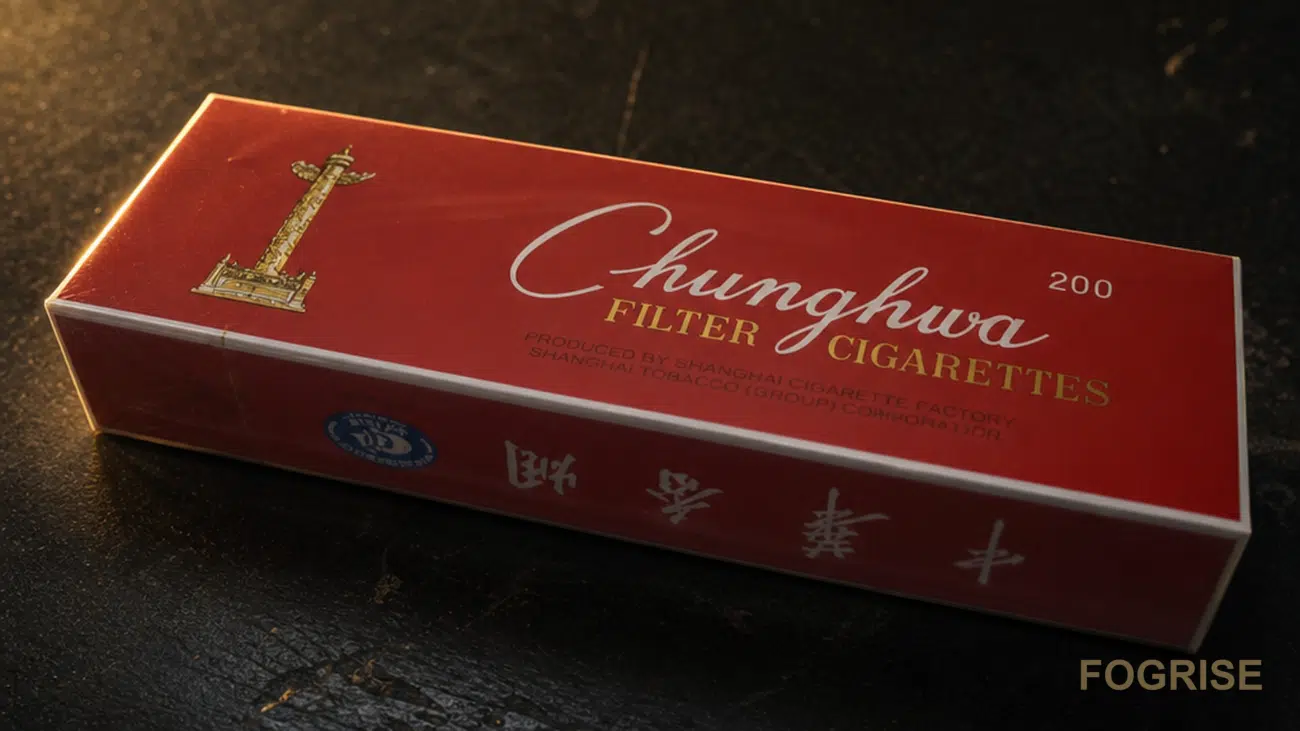
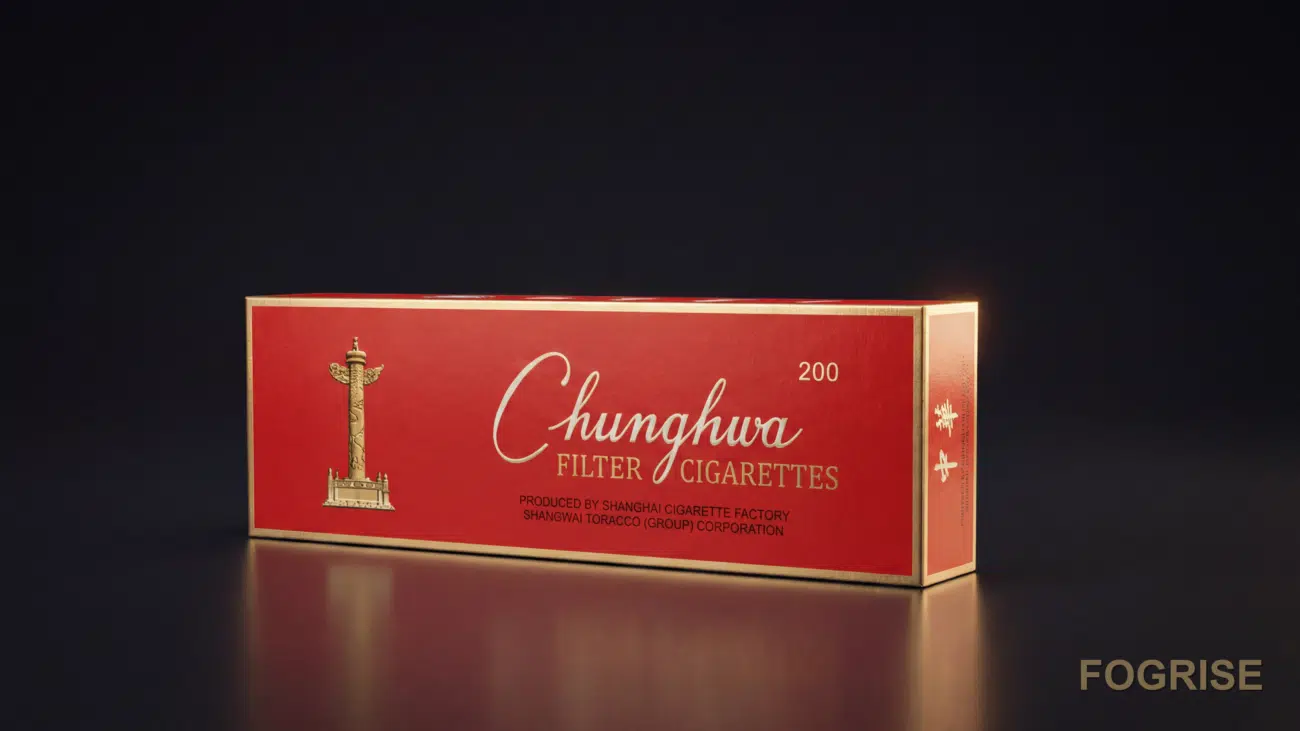
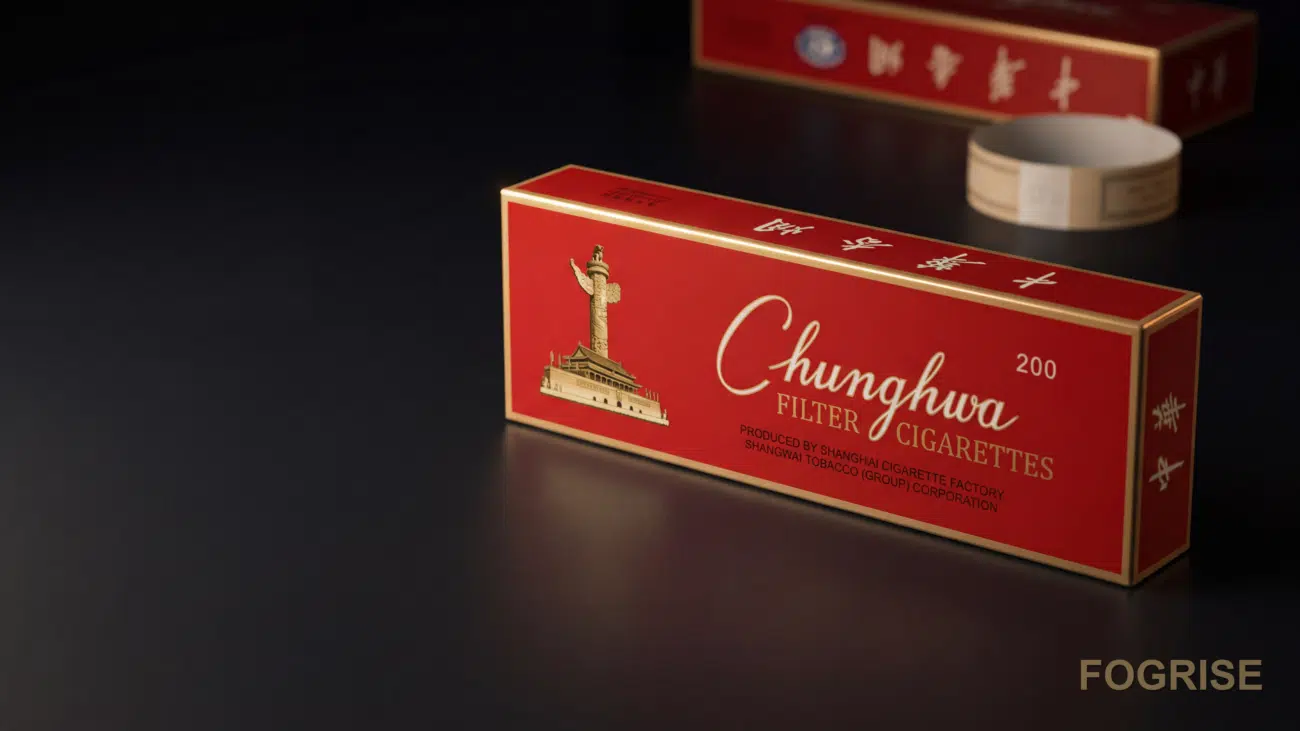
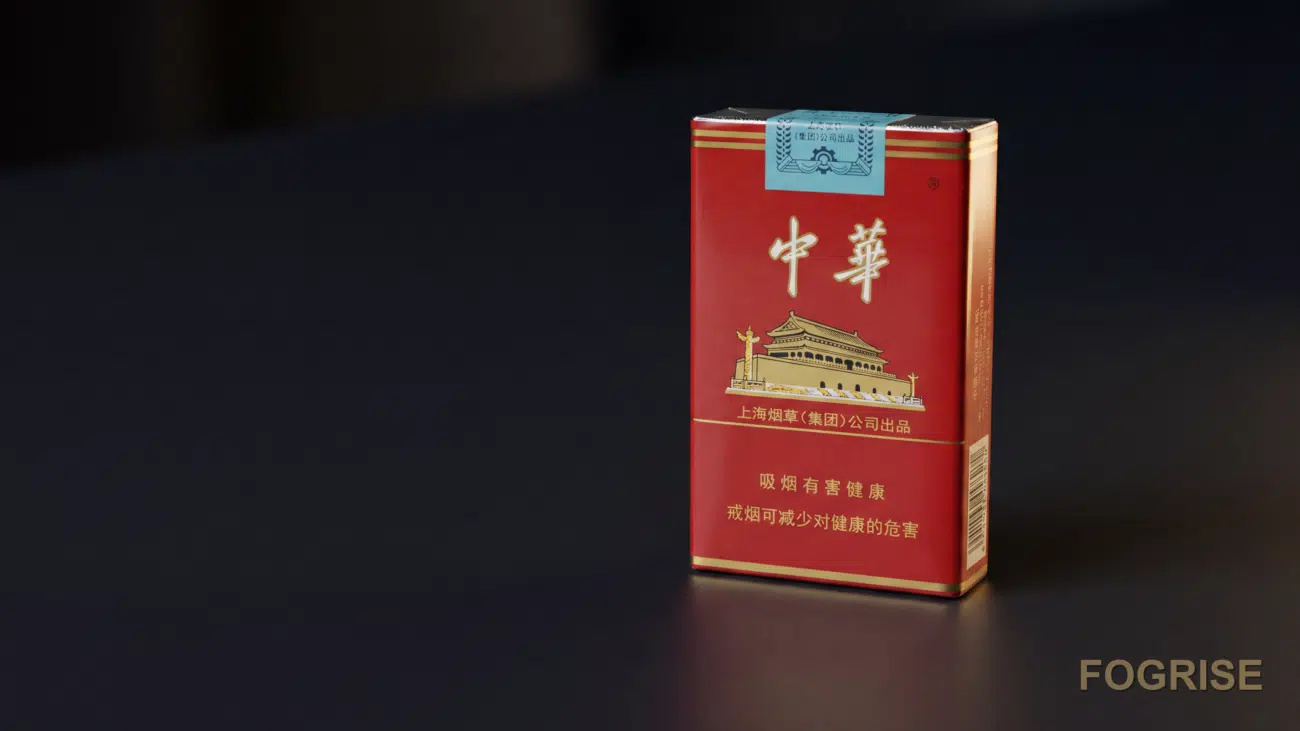
Chunghwa is the brand most German-based travellers ask about by name. Produced by Shanghai Tobacco Group since 1949, the red-and-gold pack carries a Tiananmen Gate illustration that has barely changed in seventy years. Three variants matter for travellers: the hard pack (the standard ceremonial gift), the soft pack (slightly milder Virginia-Yunnan blend), and the Golden-Slim, a thinner format aimed at urban Chinese consumers in their thirties. At Frankfurt (FRA) and Munich (MUC), Gebr. Heinemann stocks Chunghwa hard pack on departure days for China-bound flights (Beijing, Shanghai, Guangzhou and other routes) (Gebr. Heinemann, 2026). Stock is route-tied, not constant. A Monday browse may show empty shelves; a Thursday with three China departures usually doesn’t.
Furongwang (芙蓉王) and Yuxi (玉溪): CNTC’s upper-tier labels
Furongwang, made by Hunan Tobacco under the China National Tobacco Corporation umbrella, sits in a similar price bracket to Chunghwa inside mainland China but appears far less often in German duty-free. We’ve seen it at Munich on Sichuan Airlines charter days and nowhere else with reliability. Yuxi, from Hongta Group in Yunnan, is built around high-grade Virginia leaf from Yunnan province with a softer smoke profile. It’s a connoisseur pick rather than a gift pack, which is part of why Heinemann buyers stock it sparingly. If you want either, treat the duty-free shelf as a bonus, not a plan.
Hongtashan (红塔山) and mass-market Chinese brands
Hongtashan, also from Hongta Group, has been one of China’s highest-volume cigarettes for decades. In Germany it’s almost invisible. The mass-market Chinese segment, the under-200 RMB-per-carton tier, doesn’t survive the duty-free margin maths that govern what Heinemann puts on a Frankfurt shelf. If you want Hongtashan in Germany, your realistic options are a friend bringing a carton inside the 200-cigarette personal allowance, or accepting that the brand simply has no German retail presence.
Esse and Asian slim cigarettes in Germany
Esse, the Korean slim brand from KT&G, fills a different niche. It’s popular with East Asian diaspora consumers across Frankfurt’s Chinatown around Elbestrasse, Berlin’s Kantstrasse corridor, Hamburg, and Dusseldorf, communities that together account for a meaningful share of Germany’s roughly 220,000 Chinese nationals. Heinemann carries Esse on Korean Air and ANA routes at FRA and MUC, which makes it the easiest Asian-format slim cigarette to buy duty-free in Germany.
Authenticity risks: counterfeit Chinese cigarettes intercepted by Zoll
Counterfeit risk is where travellers get caught out. Zoll and the Bundeskriminalamt regularly intercept counterfeit Asian-brand shipments at Hamburg port and the Frankfurt air-cargo hub, with fake Chunghwa and fake Marlboro the most-cited brands in seizure reports (Campaign for Tobacco-Free Kids, 2024). The grey-market signals to watch: missing German-language health warnings, no tax-stamp seal, and price points that undercut Heinemann by more than thirty percent. On a 2025 visit to an Asian grocery in Berlin-Mitte, we were quietly offered Chunghwa for €8 a pack; the German warning text was absent and the pack glue was uneven. We declined. Buying tobacco that hasn’t cleared TabStG isn’t a victimless shortcut: possession of untaxed cigarettes is itself a Zoll offence, and the health risk of counterfeit fillers is real. Adults 21 and over should stick to Heinemann or licensed retail.
Frankfurt and Munich airport duty-free: best source for Chinese brands
If you want authentic Chinese cigarettes legally in Germany, the air-side duty-free zone at Frankfurt or Munich is the answer. Everything else is either a personal-allowance import or a grey-market gamble. Here’s how the two airports actually work for travellers chasing Chunghwa, Esse, or a hard-to-find CNTC label.
Heinemann duty free at Frankfurt and Munich

Frankfurt is Europe’s third-busiest airport by passenger volume, and the tobacco shelves in Terminals 1 and 2 are operated by Gebr. Heinemann, the Hamburg-headquartered group that holds the concession at most German airports (Gebr. Heinemann, 2026). Munich is the same story: Heinemann runs the duty-free, with the added benefit of being Lufthansa’s secondary long-haul hub. At both airports, Chinese-brand availability tracks the departure board. A morning with two China departures means stocked Chunghwa; a quiet Sunday may not. Heinemann’s pre-order portal (heinemann-dutyfree.com) lets you reserve packs online up to 24 hours before departure and collect at a dedicated counter, which is the single most reliable way to guarantee Chunghwa is waiting for you. Stock notes online are updated daily and worth checking the night before.
Lufthansa in-flight retail on China routes
If duty-free shelves let you down, the Lufthansa WorldShop in-flight catalogue carries a rotating selection of tobacco on long-haul routes to Beijing, Shanghai, and (seasonally) Chengdu, alongside Air China (CA) and China Eastern (MU) codeshare flights. In-flight allowances mirror the departing-traveller rules: you must be flying to a non-EU destination, and the cigarettes are sealed for arrival-side customs. We’ve found in-flight stock less predictable than ground-side Heinemann, but it has saved trips where Frankfurt’s shelf was empty.
Tips for finding Chinese brands at German airports
Three practical rules. First, time your shopping to a China-route departure day; CNTC brands don’t sit on shelves when there’s no Chinese-bound flight that week. Second, use Heinemann’s pre-order tool the moment you book your ticket, not the morning of travel. Third, note that the German legal purchase age of 18 applies in duty-free under JuSchG, but our site policy is adults 21 and over, and the allowance only protects you on the return leg into your destination country, not on re-entry to Germany.
Travellers based outside Germany who want Chinese-brand variety without depending on Frankfurt’s flight schedule sometimes ask about our catalogue: fogrise-cigarette.com/shop/ carries a broader range of CNTC labels (Chunghwa, Furongwang, Esse among them) with worldwide shipping. We do not ship into Germany without TabStG-compliant tax handling, so for German addresses, the air-side Heinemann counter remains the lawful retail surface.
IQOS, TEREA and Heated Tobacco in Germany
Heated tobacco has its own retail footprint in Germany, separate from the conventional cigarette aisle. The rules around devices, sticks, and cross-border online orders look similar at first glance, but they diverge in one important place: the Tobacco Tax Act (TabStG). Anyone weighing a Germany chinese cigarettes purchase against heated tobacco should understand where each product sits before ordering.
IQOS Devices in Germany: Legal and Widely Available
IQOS heating devices are fully legal to sell and own in Germany. You can buy them in dedicated IQOS stores, larger Tabakwaren shops, many petrol stations, and at Heinemann duty-free counters in Frankfurt and Munich (Gebr. Heinemann, 2026). Because the device itself contains no tobacco, it is not regulated under TabStG. International retailers can ship an IQOS holder, charger, or ILUMA device into Germany the same way they ship any other consumer electronic, subject to customs duty and import VAT once the consignment value crosses the EUR 150 threshold.
TEREA and HEETS: Where to Buy in Germany
The consumables are a different story. TEREA sticks for the IQOS ILUMA system and the older HEETS range are sold at specialist Tabakwaren shops, IQOS stores, and airport duty-free. Typical German retail sits at EUR 6 to EUR 8 per 20-stick pack (Destatis, 2025), placing them in a separate excise category from manufactured cigarettes. The Bundesinstitut fuer Risikobewertung (BfR) and the Federal Health Ministry (BMG) have stated that heated tobacco products remain harmful and have not been validated as smoking-cessation tools. Lower visible smoke is not a health endorsement.
Online Orders for Heated Tobacco Sticks: TabStG Rules Apply
The TabStG wall applies to heated tobacco sticks just as it does to conventional cigarettes. TEREA and HEETS are tobacco products under German law, so the Tobacco Tax Act treats them exactly like cigarettes for cross-border sales. A foreign online seller shipping tobacco sticks to a German address must register a German fiscal representative and remit German excise. In practice, almost no international IQOS-stick retailer holds TabStG registration. Sticks ordered from such sites are subject to seizure on arrival, plus the buyer becomes liable for back-taxed duty and may face a penalty assessment. The split is clean: the device travels freely, the sticks do not.
One practical consequence: travelers sometimes assume a duty-free TEREA carton bought in Asia can be reordered online later. It cannot. The lawful resupply path inside Germany is a domestic Tabakwaren shop or an IQOS store. All heated tobacco products contain nicotine, remain addictive, and are restricted to adults 21 and over.
German Tobacco Prices: Lower Than Most of Western Europe
Germany is the cheap shelf of the Western European tobacco market. That fact shapes everything from cross-border shopping flows to why a Germany chinese cigarettes search returns so many import questions: the local benchmark is low enough that imported alternatives have to compete on novelty rather than price.
The headline number sits in the Tobacco Tax Act itself. TabStG §3 sets German cigarette excise at EUR 111.50 per 1,000 cigarettes plus 19.84% ad valorem on the retail selling price, with a floor of EUR 228.88 per 1,000 (Bundesministerium der Justiz, 2025). At the shelf, a standard 20-pack at a Tabakwaren shop or supermarket runs EUR 7.00 to EUR 8.50 in 2025 (Destatis, 2025). For comparison, France sits near EUR 14.25 a pack and the UK trades above GBP 14. Germany is, on a like-for-like basis, close to half the price of its neighbors.
Why? German fiscal policy has historically leaned on tobacco for steady revenue rather than using excise as a public-health accelerator. The country ranks near the bottom of the European Tobacco Control Scale despite its economic weight, with smaller annual excise increments than France, Ireland, or the UK. The 2022-2026 stepped increase has narrowed the gap slightly but not closed it.
Duty-free pricing at Frankfurt and Munich airports drops the figure further. Heinemann counters typically sell standard 20-packs at EUR 4.00 to EUR 6.00, and TEREA-style heated sticks land in a similar band. Travelers benchmarking Germany against other EU shelves often cross-check our Spain and Sweden guides, which apply the same Zoll-equivalent customs-vs-distance-selling framework to those markets.
| Product Type | German Retail Price (2025) | Notes |
|---|---|---|
| Standard cigarettes (20-pack) | EUR 7.00-8.50 | Low by Western EU standards |
| TEREA/HEETS heated sticks (20) | EUR 6.00-8.00 | Different excise tier |
| Duty-free cigarettes (20-pack) | EUR 4.00-6.00 | FRA/MUC Heinemann |
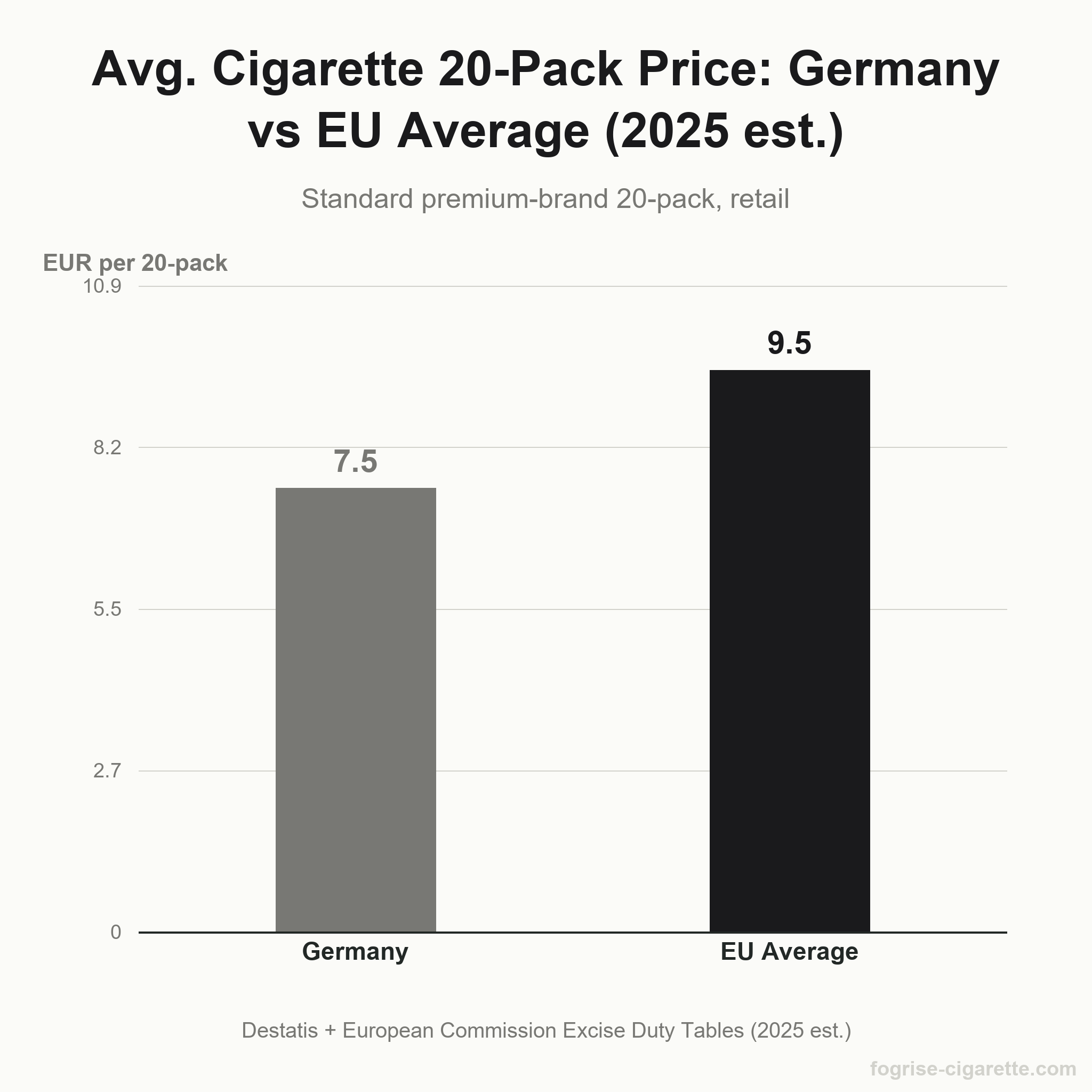
One point worth repeating: a lower price tag carries no health meaning. Cheaper German cigarettes are not safer cigarettes, and a duty-free carton is not a milder carton. The excise structure reflects fiscal choices in Berlin, not a product difference on the shelf. Every category in the table above is harmful and addictive, and all are age-restricted to adults 21 and over.
Frequently Asked Questions
Q: How many cigarettes can I bring into Germany from China?
Zoll (German Customs) permits 200 cigarettes per adult traveler aged 17 or older arriving from non-EU countries, including mainland China, Hong Kong, and the US, strictly for personal use (Zoll, 2026). Travelers under 17 receive no tobacco allowance at all. Amounts above 200 must be declared at the red channel, and German tobacco excise duty paid under the Tabaksteuergesetz (TabStG). Packs must also carry German or EU-compliant health warnings to clear inspection.
Q: Are Chunghwa cigarettes sold in Germany?
Chunghwa (中华) is available at Frankfurt (FRA) and Munich (MUC) airport Heinemann duty-free shops, primarily stocked on routes serving mainland China, Hong Kong, and East Asia (Zoll, 2026). It is not sold in standard German Tabakwaren shops, supermarkets, or kiosks. Online delivery to Germany from unregistered foreign retailers is blocked under TabStG fiscal-representative rules, so airport duty-free remains the only reliable legal channel inside the country.
Q: Can I order Chinese cigarettes online to Germany legally?
Legally, only if the foreign retailer has appointed a German fiscal representative (Steuervertreter) and pre-notified Zoll under TabStG requirements (Zoll, 2026). The vast majority of international Chinese cigarette websites are not registered. Unregistered shipments are treated as contraband: they can be seized without refund, and §370 Abgabenordnung tax-evasion penalties may apply to the recipient, not just the seller. Verify registration before any purchase.
Q: What is the duty-free cigarette limit at Frankfurt Airport?
The allowance is set by Zoll, not the airport itself. Travelers arriving from non-EU countries (including flights from China, Hong Kong, and the US) may import 200 cigarettes duty-free; those arriving from other EU countries may bring 800 (Zoll, 2026). Frankfurt duty-free shops sell within these allowances to departing international travelers only, and staff scan boarding passes to confirm the destination route.
Q: How much is the tobacco tax on cigarettes in Germany?
Under TabStG §3 (2025), the excise rate is EUR 111.50 per 1,000 cigarettes plus 19.84% of the recommended sales price, with a floor of EUR 228.88 per 1,000 cigarettes (Zoll, 2026). At retail, that works out to roughly EUR 7.00 to 8.50 per 20-pack, lower than most Western European markets. Scheduled annual increases through 2026 mean prices drift upward each January.
Q: Where can I buy Chunghwa cigarettes in Frankfurt or Berlin?
At Frankfurt Airport’s Heinemann duty-free section on East Asia departure routes, which is the most reliable source (Zoll, 2026). In Berlin, some Asian grocery importers in Mitte and Charlottenburg occasionally carry Chinese tobacco; check that they display a valid Tabakwarenhandelslizenz. Online delivery from abroad requires TabStG fiscal registration, which most overseas sites lack. We don’t recommend gray-market kiosks, since seizure risk falls on the buyer too.
Q: Are IQOS and TEREA legal in Germany?
Yes. IQOS devices and TEREA / HEETS sticks are legally sold in Germany at Tabakwaren shops and at Heinemann duty-free (Zoll, 2026). However, TEREA and HEETS are tobacco products subject to TabStG, so online orders from unregistered foreign sellers cannot legally ship to Germany. All heated tobacco products are harmful and contain nicotine; they are not a safe alternative to combustible cigarettes and remain restricted to adults.
Q: What Chinese cigarette brands are available at Frankfurt airport duty-free?
Availability varies by season and flight route, but Chunghwa (hard box, soft pack, and slim variants) is the most consistently stocked Chinese brand on Air China, China Eastern, and Lufthansa China services (Zoll, 2026). Furongwang and Korean-made Esse slims appear intermittently. Check Heinemann’s online portal before traveling, since stock rotates with route schedules and the East Asia terminal layout shifts seasonally.
Conclusion
Germany chinese cigarettes sit at an unusual intersection: clear customs rules, modest prices, but a tightly closed online market. Zoll allows 200 cigarettes per adult traveler from non-EU origins and 800 from EU origins, with anything over that requiring a declaration and excise payment under TabStG. Retail prices hover around EUR 7.00 to 8.50 per 20-pack, lower than France or the UK, yet the fiscal-representative requirement means most overseas Chinese cigarette retailers cannot legally deliver to a German address. Frankfurt and Munich Heinemann duty-free remain the practical legal channel for Chunghwa and other East Asian brands, and they only serve departing international passengers.
If you’re sourcing from outside Germany, confirm the seller’s TabStG registration before placing any order. xiangyandd ships worldwide to eligible destinations through our shop; Germany is not currently a supported destination without verified TabStG compliance, and we say so plainly rather than risk your shipment. Questions about routes we do serve, or about a specific brand’s availability? Reach our team.
All tobacco products are harmful and addictive. Intended for adults aged 21 and over. Verify your local laws before any purchase.
References
- Zoll (German Customs). (2026). Reisemitnahme von Tabakwaren: Mengen und Richtwerte. Bundesministerium der Finanzen. https://www.zoll.de/DE/Privatpersonen/Reisen/Reisen-innerhalb-der-EU/Mengen-Richtwerte/mengen-richtwerte_node.html
- Bundesministerium der Justiz. (2025). Tabaksteuergesetz (TabStG) §3 Steuertarif. Gesetze im Internet. https://www.gesetze-im-internet.de/tabstg_2009/__3.html
- Bundesministerium der Justiz. (2024). Jugendschutzgesetz (JuSchG) §10 Rauchen in der Öffentlichkeit, Tabakwaren. Gesetze im Internet. https://www.gesetze-im-internet.de/juschg/__10.html
- Destatis. (2025). Smoking behaviour in Germany. Statistisches Bundesamt. https://www.destatis.de/Europa/EN/Topic/Population-Labour-Social-Issues/Health/Smoking.html
- Robert Koch-Institut. (2024). GEDA: Gesundheit in Deutschland aktuell, Rauchverhalten. RKI. https://www.rki.de/DE/Themen/Nichtuebertragbare-Krankheiten/Gesundheitsmonitoring/Gesundheit-in-Deutschland-aktuell/GEDA.html
- Campaign for Tobacco-Free Kids. (2024). Germany: Closing the tobacco tax gap. Tobacco Free Kids. https://www.tobaccofreekids.org/what-we-do/global/taxation-price/tax-gap-germany
- World Health Organization. (2023). Tobacco: fact sheet. WHO. https://www.who.int/news-room/fact-sheets/detail/tobacco
- Wikipedia contributors. (2024). Chunghwa (cigarette). Wikipedia, The Free Encyclopedia. https://en.wikipedia.org/wiki/Chunghwa_(cigarette)
- Gebr. Heinemann. (2026). Chunghwa, Heinemann Duty Free catalogue. Heinemann Shop. https://www.heinemann-shop.com/
- Bundesinstitut für Öffentliche Gesundheit (BIÖG, vormals BZgA). (2025). Tabak: Zahlen und Fakten zum Rauchen. BIÖG. https://www.bzga.de/was-wir-tun/suchtpraevention/
Last reviewed and updated: June 2026. Author: xiangyandd editorial team. For tailored guidance, contact our team.




 English (US)
 简体中文
 Deutsch
 Français
 Español