

Blog
Chinese Cigarettes in Burlington, Ontario: 2026 Guide

TL;DR
Search ‘Burlington chinese cigarettes’ and most results point to Vermont or North Carolina — this guide is the Burlington, Ontario answer, covering brands, CBSA import rules, Ontario’s 2026 tax stack, and the legal reality.
Abstract
Burlington, Ontario, Canada (Halton Region, Greater Toronto and Hamilton Area) is this guide’s subject. It is not Burlington, Vermont, or Burlington, North Carolina. Burlington, Ontario counted 186,948 residents at the 2021 Census (Statistics Canada, 2022), inside a 596,637-person Halton Region (Statistics Canada, 2022). A Google search for "Burlington chinese cigarettes" returns nine organic results, six pointing to Vermont or North Carolina retailers, none to Ontario.
The intended reader is an adult 21 or older who lives, works, or shops in Burlington or the wider Halton Region and wants three things: to know what "Chinese cigarettes" actually means in this market, which brands are realistic to find nearby or by import, and how Canada Customs and Ontario tax law treat them at the counter. The sections that follow cover brands, local versus online sourcing, CBSA import rules, Ontario and federal tobacco tax, enforcement risk, counterfeit detection, and the Halton demographic context that shapes local demand.
Note: Adults 21 and older only. Smoking is harmful and addictive. Tobacco laws vary by country, province, and state, so verify local regulations before you buy or bring product across a border. This article is informational, not legal or medical advice.
Key Takeaways
- Wrong Burlington dominates search results. Most top pages for Burlington Chinese cigarettes answer for Vermont or North Carolina, not Ontario.
- Burlington, Ontario sits inside Halton Region. The city of 186,948 residents anchors the western Greater Toronto and Hamilton Area.
- No Ontario retailer legally sells unstamped packs. Federal plain-packaging law and Ontario’s excise stamp block every China-market pack at retail.
- Personal import is the lawful path. CBSA’s traveller exemption, not local retail, brings a genuine China-market pack into Ontario.
- Ontario’s 2026 tobacco tax stack sets the price floor. Federal excise and provincial tax layers govern every legitimately sold carton.
- Counterfeit Chunghwa is a documented risk in Ontario. Authenticity is not the same as safety; grey-market fakes still circulate.
- Smoking is harmful and addictive regardless of brand origin. Verify current Ontario tobacco law before any purchase locally.
Table of Contents
- Abstract
- Key Takeaways
- Chinese Cigarette Brands Burlington Buyers Search For
- Why your own search results work against you: the Burlington confounder
- Buying Locally, Online, or Bringing It Back
- CBSA Personal Exemption and Import Rules for Halton Region Buyers
- Ontario and Federal Tobacco Tax in 2026
- Legal Age, Retail Licensing, and Enforcement in Halton Region
- Spotting Counterfeit Chinese Cigarette Packs
- Burlington, Ontario: Population, Halton Region, and the GTHA Context
- Frequently Asked Questions
- Conclusion
- References
Chinese Cigarette Brands Burlington Buyers Search For
When shoppers in Halton Region open a search bar and type Burlington chinese cigarettes, they usually have a specific brand in mind, most often carried back from a family trip to Shanghai, Hong Kong, or Guangzhou. Six mainland labels drive the bulk of that search intent. Naming them clearly matters because the same Chinese pack can appear under three different English spellings, and buyers arriving at Burlington chinese cigarettes results are ready to compare tiers and prices, plus packaging, without a shared vocabulary. What follows is a plain-language primer, ordered by market tier rather than sales rank.
| Brand (romanised) | Chinese | Producer/Group | Tier | Positioning |
|---|---|---|---|---|
| Chunghwa | 中华 | Shanghai Tobacco Group | Premium / gifting | Red and gold Tiananmen livery; hard and soft packs, slim SKUs, plus collector editions |
| Panda | 熊猫 | CNTC subsidiary | Premium / niche | Rare pack; historically low retail circulation |
| Furongwang | 芙蓉王 | CNTC subsidiary | Upper-mid | Business gifting and professional daily use |
| Hongtashan | 红塔山 | CNTC subsidiary | Mid | Broad daily-use presence across mainland China |
| Double Happiness | 双喜 | CNTC subsidiary | Value | Everyday and wedding-favour tier |
| Zhongnanhai | 中南海 | CNTC subsidiary | Lighter-tar | Lower-tar blends for milder-tobacco preference |
Premium and Gifting Tier
Chunghwa (中华) is the reference point at the top of the market. Panda (熊猫) sits alongside Chunghwa as a rarer, more collector-driven pack. Together the two dominate what a Burlington chinese cigarettes gift-shopper is asking about around Chinese New Year and mid-autumn. Neither pack is a routine daily-smoke choice; both are priced and gifted as premium. Panda circulates thinly even in mainland retail, which is why it shows up more often in a collector’s cabinet than in a lunar-New-Year gift set.
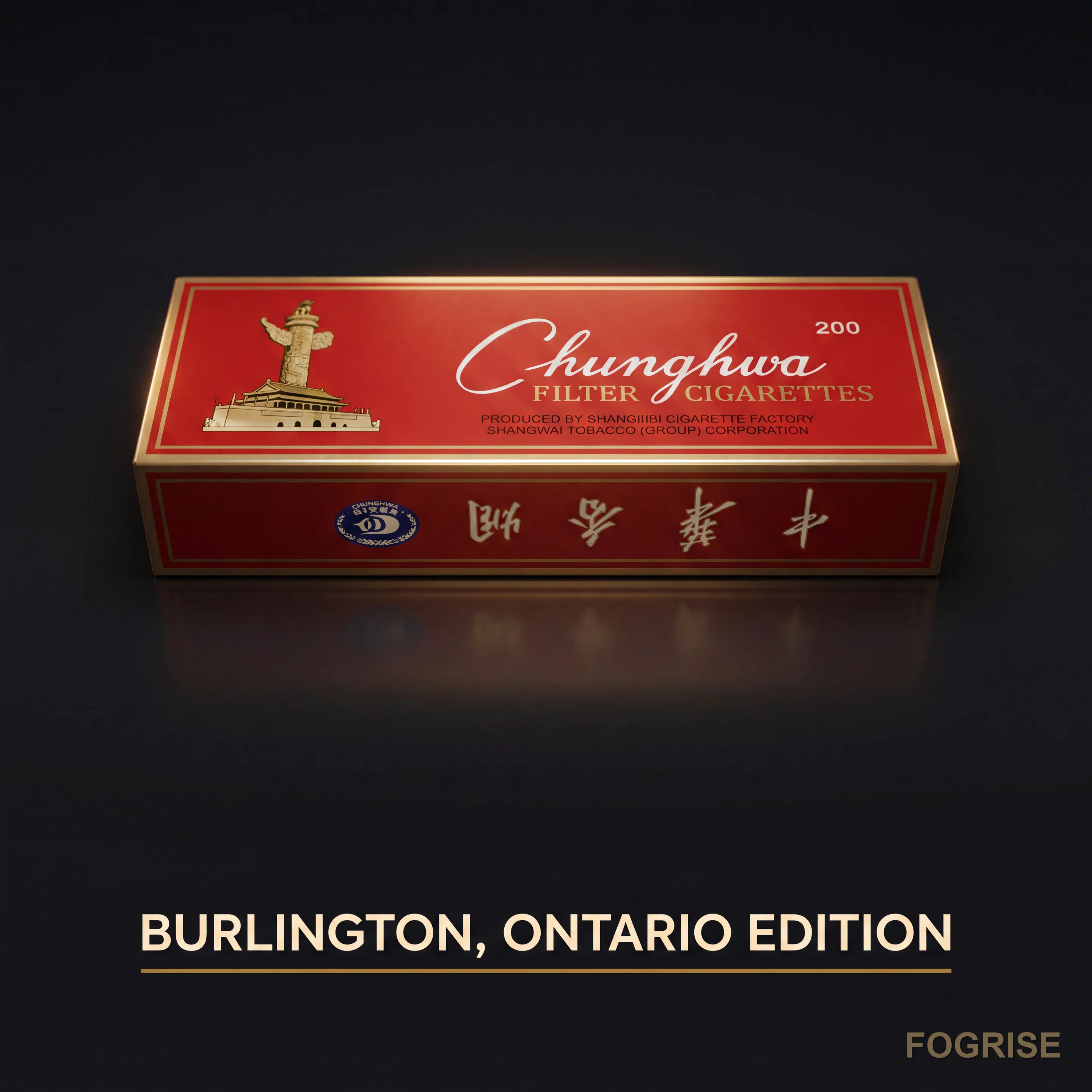
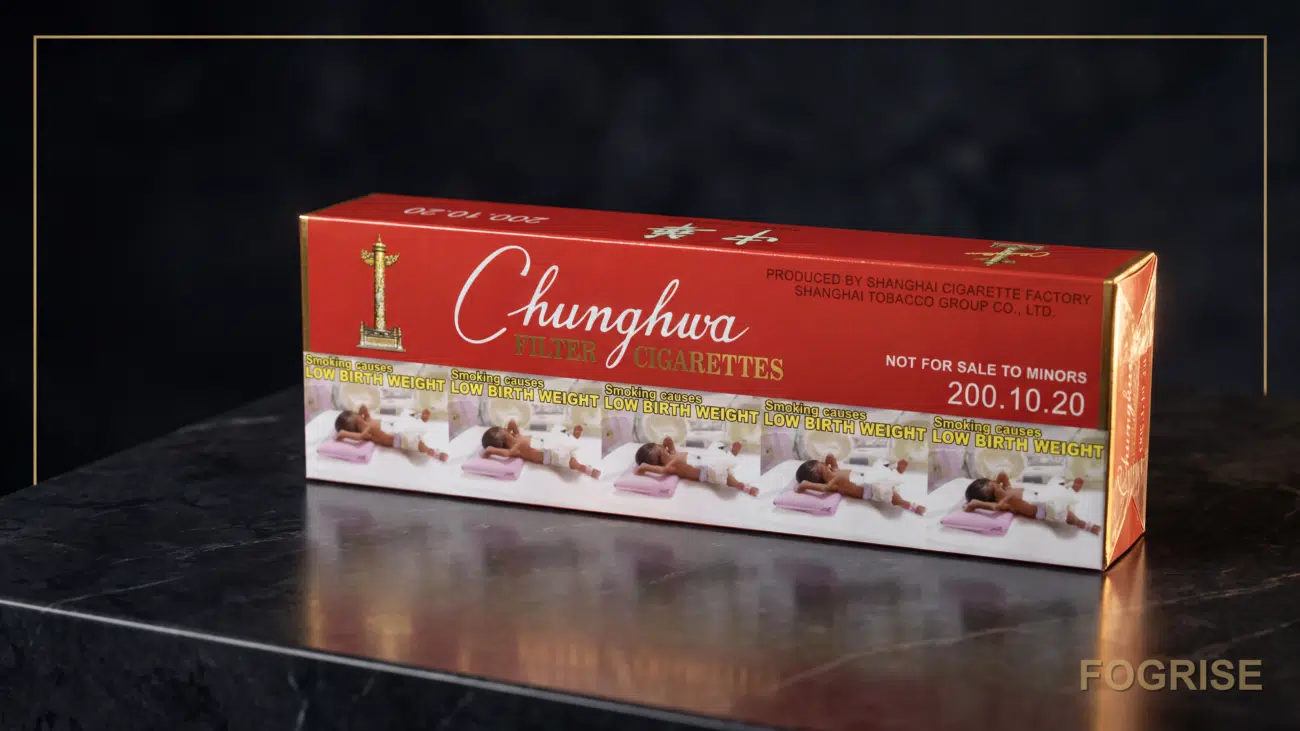
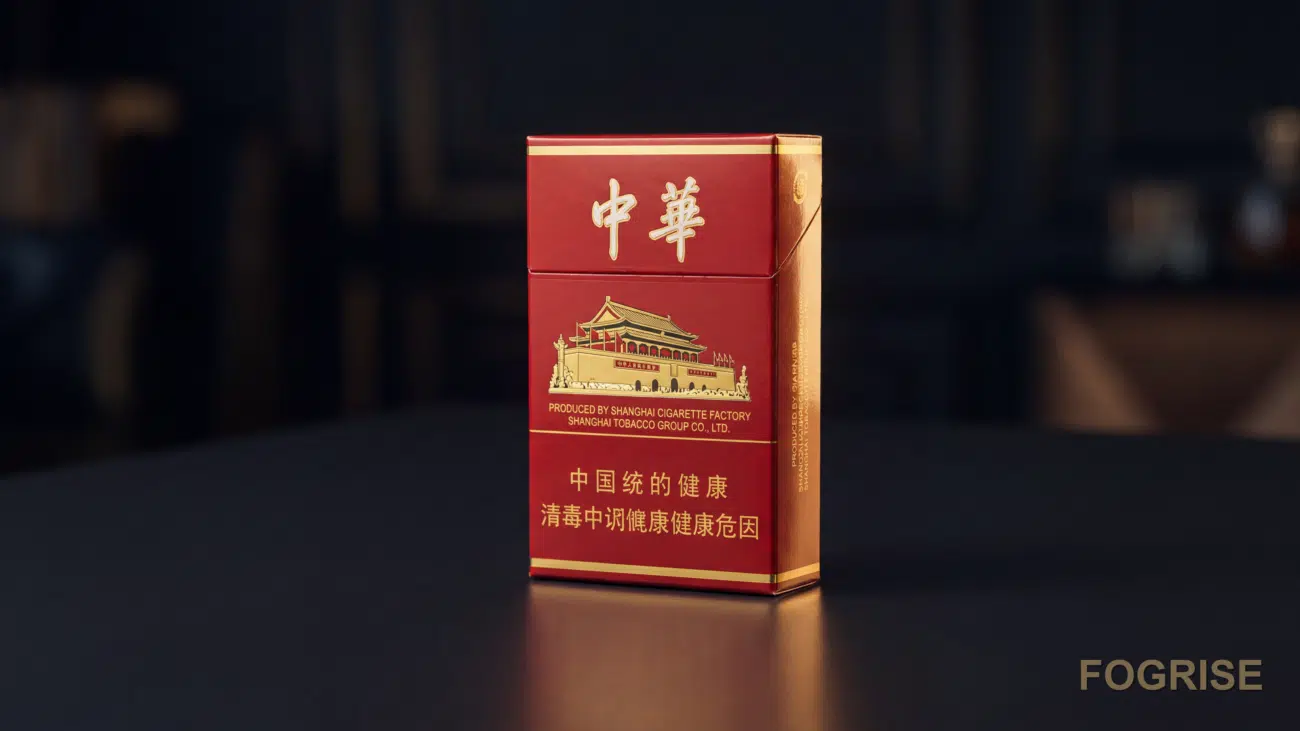
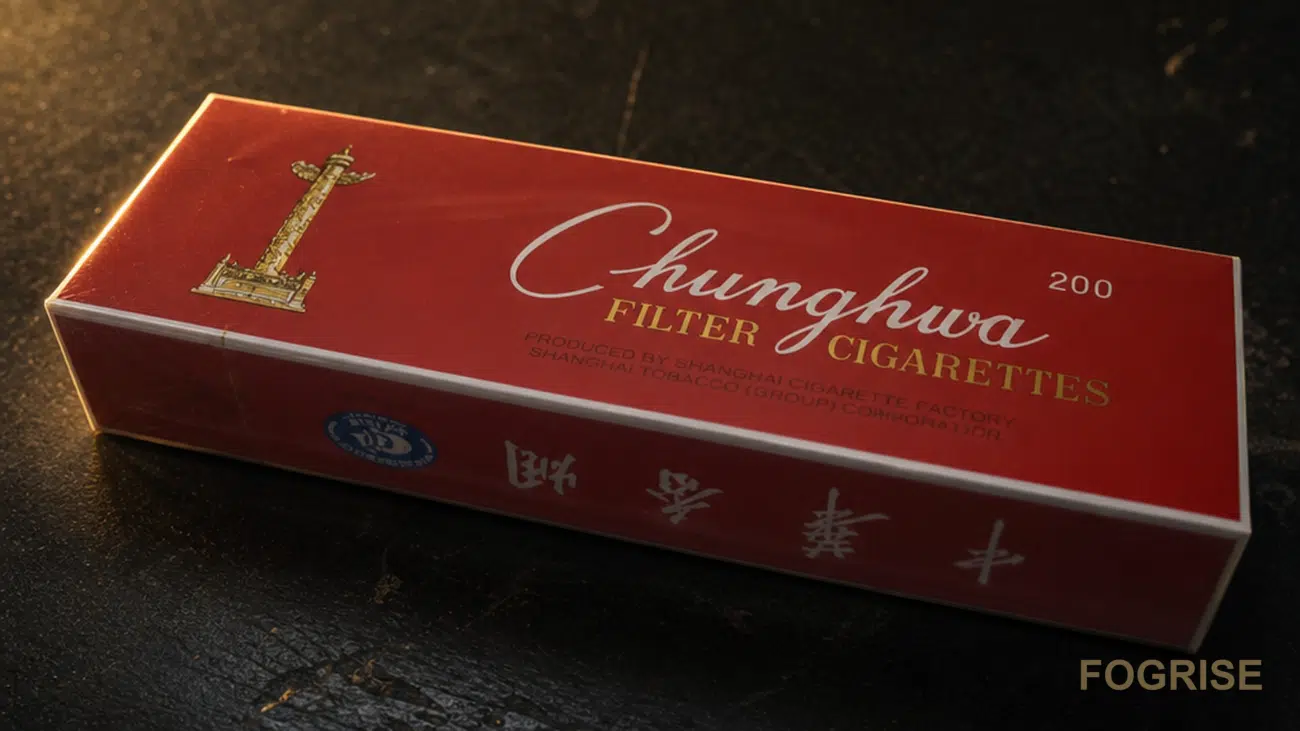
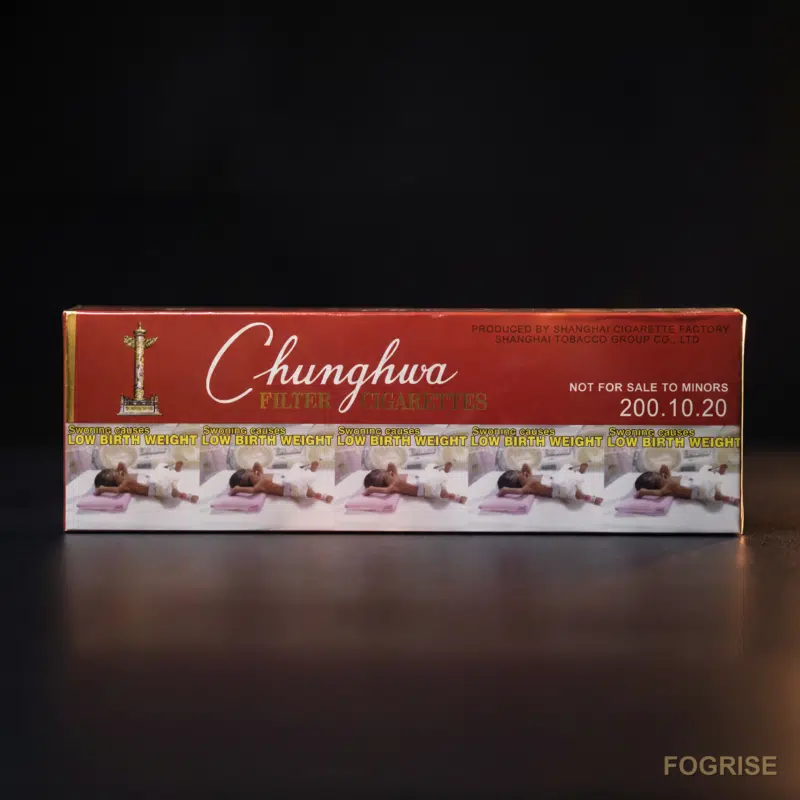
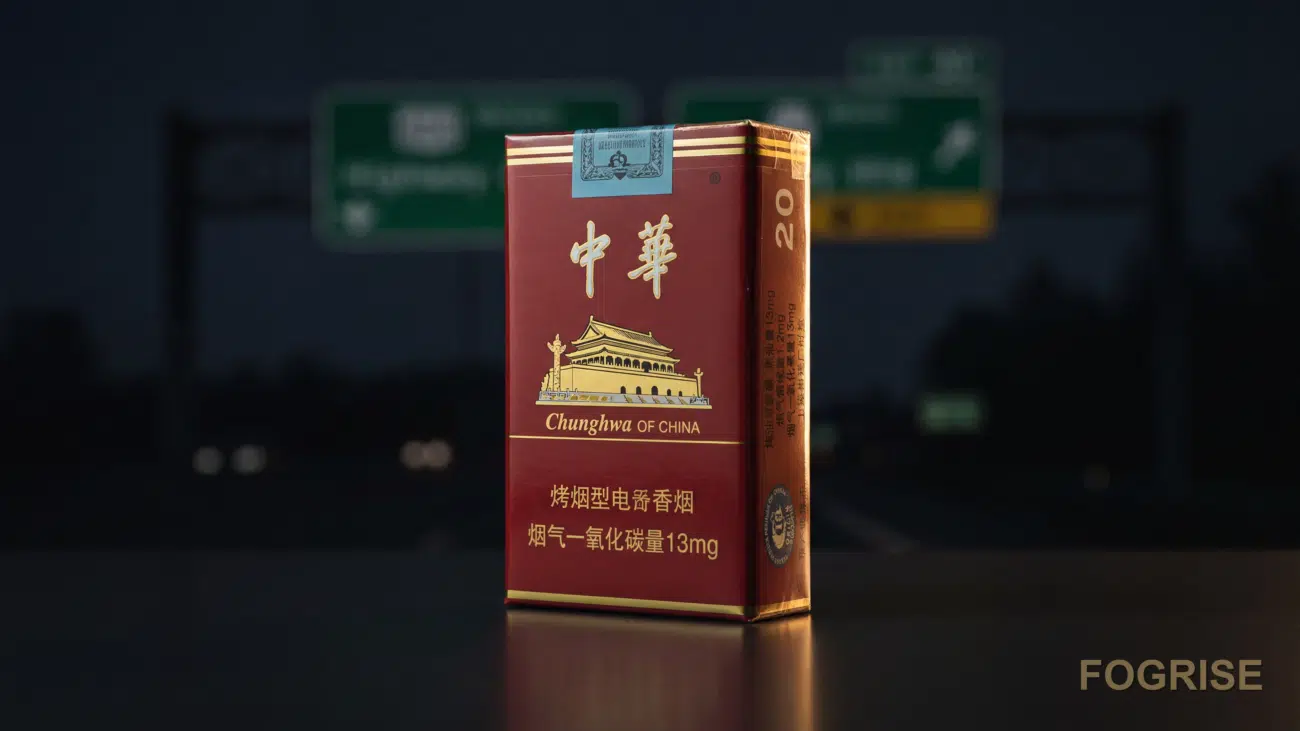
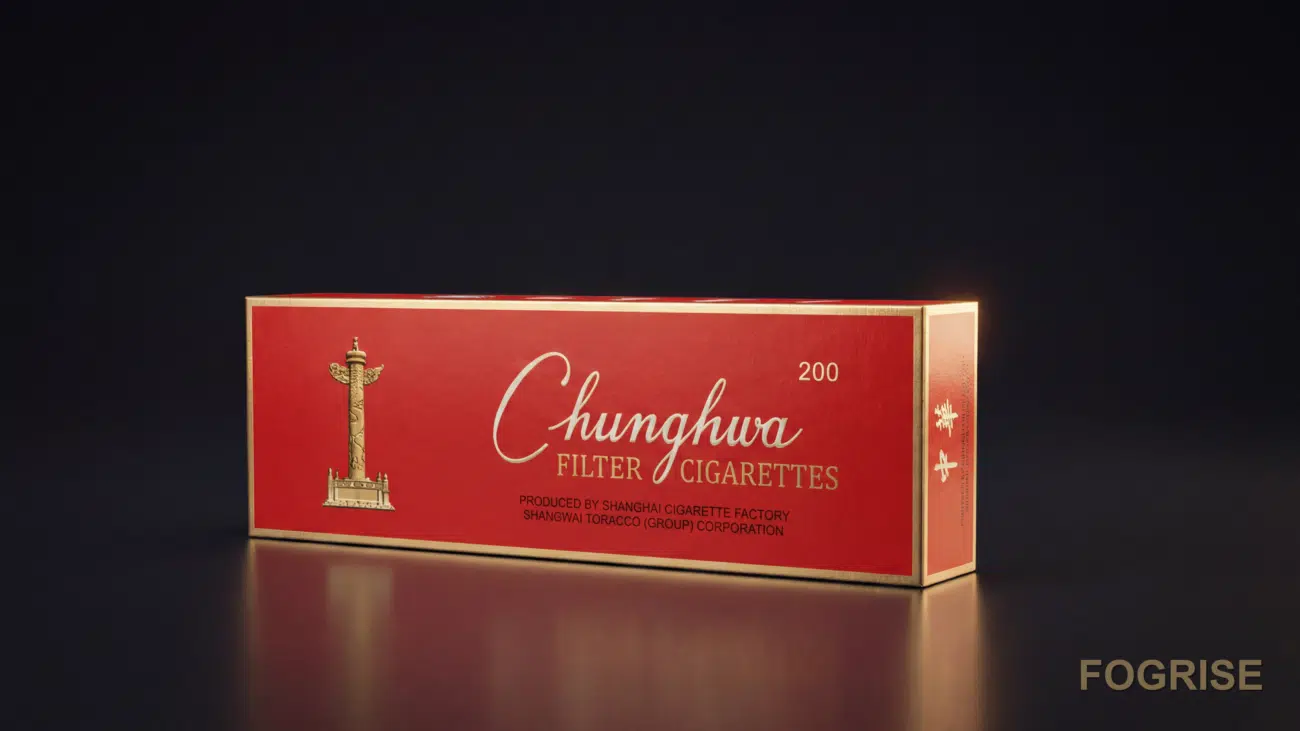
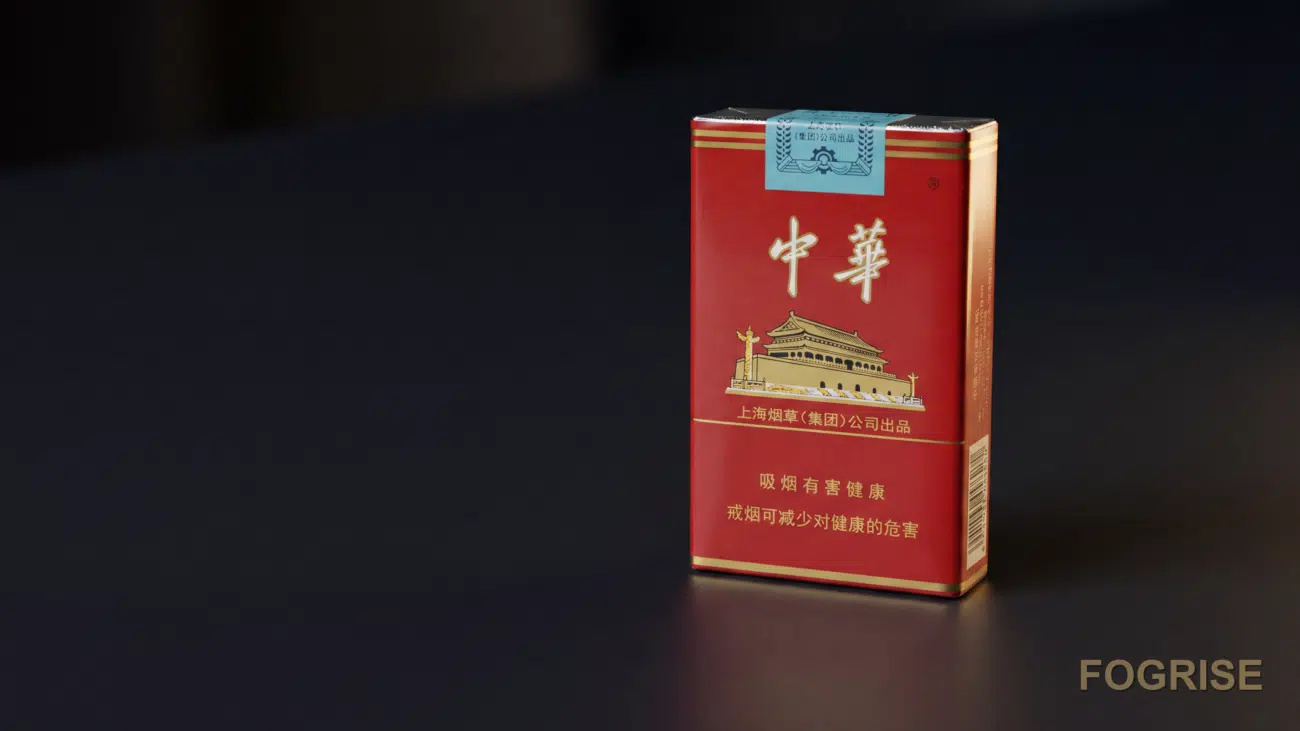
As of 2026, Chunghwa (中华), produced by Shanghai Tobacco Group, is mainland China’s premium and gifting flagship, sold in hard packs, soft packs, slim SKUs, and periodic collector runs under bright red and gold Tiananmen artwork. In Burlington chinese cigarettes retail conversations, it is the reference brand from which every other mainland label is priced relatively.
Mid and Value Tiers
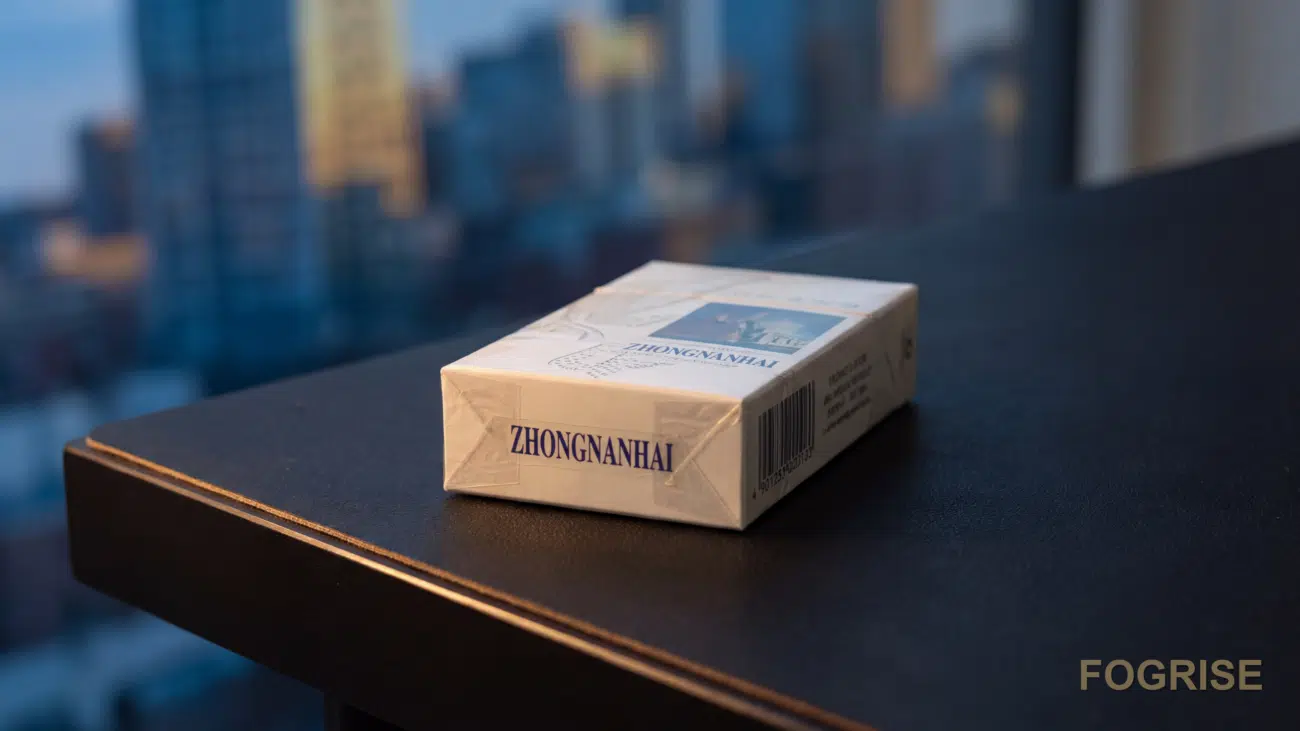
Furongwang (芙蓉王), one of several China National Tobacco Corporation (CNTC) subsidiary labels shown in the table above, fills the upper-mid slot, a common choice when the pack is meant as a personal daily smoke rather than a wedding hand-out. CNTC is the mainland state-owned tobacco monopoly, and every "CNTC subsidiary" row in the brand table sits inside that single corporate parent. Hongtashan (红塔山) is the mainland mid-tier workhorse, widely recognised without carrying gift-tier expectations. Double Happiness (双喜) is the everyday value tier, and Zhongnanhai (中南海) covers the lighter-tar preference. Zhongnanhai runs distinct in blend and pack from the red-gold gift SKUs above it, which is why a shopper looking for a milder-tobacco relative should not treat it as interchangeable with Chunghwa or Furongwang.
Romanization Note: Chunghwa = Zhonghua = 中华
The single most common confusion for a Halton buyer typing this search is that three spellings point at the same product. Chunghwa is the older Wade-Giles-style romanisation used on the pack itself in export markets. Zhonghua is the pinyin form. 中华 is the Chinese-character original. All three refer to one brand from Shanghai Tobacco Group. If a retailer lists Zhonghua and a buyer asks for Chunghwa, they are quoting the same SKU. This article uses Chunghwa throughout to match the export pack.
Why your own search results work against you: the Burlington confounder
For an Ontario reader, the search results returned for the phrase "Burlington chinese cigarettes" are mostly not about you. Six of the top nine organic Google entries resolve to Burlington, Vermont or Burlington, North Carolina. Zero specifically address Burlington, Ontario, the Halton Region city in the Greater Toronto and Hamilton Area. That gap is why this guide exists, and why it names the disambiguating anchors up front.
Six of nine results point to the wrong Burlington
Running that query with a US IP returns a mix dominated by out-of-country tobacco listings. Two representative examples: a Vermont tobacco shop retail page appears in the first-page results, and a North Carolina directory listing populates the tobacco-shop card carousel. Neither serves an Ontario buyer, neither addresses Canadian excise or provincial tax, and neither respects Halton public-health context. A reader who takes the first three links at face value ends up with US retail prices, US shipping constraints, and no useful information about the topic in this Ontario city.
For this exact query, six of the top nine organic results (67%) address Burlington, Vermont (a Vermont tobacco shop retail listing) or Burlington, North Carolina (a directory listing), not Burlington, Ontario. This article is anchored to the Ontario city: Halton Region, the GTHA, the L7 postal prefix, and the neighbouring cities of Oakville and Hamilton, plus Milton and Waterdown.
Why search engines default to the wrong city
Search engines rely on entity disambiguation. When a place name maps to multiple real locations and the query lacks a strong regional signal, the ranking systems tend to surface the largest or most-established same-named entity. Burlington, Vermont and Burlington, North Carolina are both older, larger web-content targets for the raw string "Burlington" than Burlington, Ontario. Both U.S. cities also have longer histories of indexed local-business listings. Without added context (a province name, a Canadian postal code, a country top-level domain), the algorithm has no reliable way to pick the Ontario city over the US ones. This is a general property of search-entity resolution, not a comment on any specific site’s optimization work. A page ranking for the phrase does not, by itself, imply the page is trying to reach an Ontario audience.
How to search for the right answer
Three small changes fix most of the confounder.
Fixing the query: Add one of "Ontario", "Halton", "ON", or a postal-code fragment such as "L7" to any search on this topic. Confirm relevance by scanning the snippet for a nearby-city name (Oakville, Hamilton, Milton, Waterdown). If a result mentions Vermont, North Carolina, or a US ZIP code, discard it.
First, refine the query. Second, verify the location anchor on any landing page before trusting its pricing or legal claims. Third, prefer sources that name Halton Region public-health or Ontario Ministry of Finance references, both of which are the correct jurisdictional authorities for readers on the Canadian side of the border.
Buying Locally, Online, or Bringing It Back
Anyone shopping for Burlington Chinese cigarettes eventually lands on the same three lawful routes: a local specialty retailer, an online order shipped in, or a personal pack brought back from travel. Each route carries its own paperwork and its own delay. The CBSA import rules section sets out that arithmetic; the Ontario tax stack section handles the tax math. This section covers the buying decision itself.
Local Specialty Retail: An Honest Answer
Our research did not confirm a specialty tobacco shop in Burlington, Ontario that reliably stocks Chinese-market brands. That is a factual statement, not a marketing hedge. Some sibling cities in this series surfaced documented importers; Burlington did not. The search-confounder section above covers why generic search results for Burlington Chinese cigarettes are often noisy. If you visit a shop in the city that claims to stock the product, verify two things before purchase: a valid Ontario Ministry of Finance tobacco retail dealer registration, and an intact Ontario excise stamp on every pack (Ontario Ministry of Finance, 2018). A missing stamp means the product bypassed provincial tax, and its legal status is uncertain.
Online Ordering and CBSA/Provincial-Tax Realities
Ordering a Chinese cigarette pack online for delivery into Burlington triggers a specific customs treatment. Under CBSA (Canada Border Services Agency) Customs Notice 20-33, postal and courier shipments of tobacco products entering Canada are held at the border until the applicable provincial tobacco tax is remitted to CBSA on behalf of the importer, and only then released for delivery. For Ontario deliveries, that means Ontario’s tobacco tax must clear before the parcel moves (Canada Border Services Agency, 2020). Reputable retailers also require age verification at checkout, per Canadian federal law. A site that skips age gating, or promises "no customs" delivery, is not credible.
Bringing It Back Personally: The Cross-Reference to CBSA Rules
Returning from a trip abroad with a personal quantity of Chinese cigarettes is the third lawful path, and the CBSA personal-exemption framework governs the allowance. The exact quantities and absence-period thresholds, plus the duty consequences of exceeding the limit, are set out in full in the CBSA import rules section below. Keep every receipt, declare the tobacco on your CBSA declaration card, and stay within the personal quantity limit for your absence period.
Before committing to any of these three routes for Burlington Chinese cigarettes, run this checklist:
- Verify the retailer’s licence and stamp. Ontario tobacco retail registration plus an intact Ontario excise stamp on every pack.
- Expect a border hold on postal or courier orders. Delivery pauses until provincial tobacco tax is remitted to CBSA under Customs Notice 20-33.
- Keep travel receipts and stay within the personal-exemption limit. The CBSA import rules section has the exact quantities and absence-period thresholds.
A smaller ask
This guide walked through the six mainland tiers Halton shoppers actually search for, the CBSA personal exemption that governs a lawful import, and the counterfeit risk that follows any premium Chinese-market pack once it leaves a licensed channel. The selection below reflects that same tier structure, sourced through xiangyandd for browsing and comparison. Adults 21+ only. Confirm your own province or country’s age, import, and tax rules before any purchase, and treat this as a research stop, not a sales push.


Baisha Heaven Slim (白沙细支和天下)
The plum-red super-premium slim. Baisha Hetianxia Slim (Deep Plum-Red) (白沙(和天下细支)深梅红) is the thin 97 mm rod of China’s super-premium benchmark line — 6 mg tar, 0.6 mg nicotine, no capsule — clean and silky with a woody opening, a caramel-honey sweetness and a walnut edge, gentle rather than strong. Bought for refinement and a quietly prestigious name. By the carton (10 packs / 200). Barcode 6901028196048. xiangyandd ships worldwide, tracked and discreet.


Septwolves Chunjing Mid (七匹狼纯境中支)
The quiet, sweet-tipped Fujian mid-size. Septwolves Chunjing Mid-Size (七匹狼(纯境中支)) is a mild 88 mm rod at 8 mg / 0.7 mg with a lightly sweet, floral filter and no capsule — smooth, easy, and best kept fresh. An ice-blue pack made for relaxed, everyday smoking, not for a nicotine punch. Sold by the carton (10 packs / 200).
CBSA Personal Exemption and Import Rules for Halton Region Buyers
The Canada Border Services Agency (CBSA) treats cross-border tobacco strictly, and Halton Region buyers face the same rules as travellers anywhere in the country. For anyone weighing Burlington chinese cigarettes purchased outside Canada, three channels matter: the in-person traveller exemption, postal or courier imports, and what CBSA does when a shipment or a carry-on load exceeds the ceiling. Each channel has its own limit and its own tax treatment. The rules below are stated as CBSA frames them, not as a workaround.
The Personal Exemption: 200 Cigarettes (One Unit) Duty-Free
CBSA Memorandum D2-3-1 sets Canada’s personal tobacco exemption at one unit, equal to 200 cigarettes, and requires the traveller to meet the absence-duration threshold that applies to the trip. Only cigarettes bearing the Canadian duty-paid stamp qualify as duty-paid product; unstamped tobacco attracts special duty on top of federal and Ontario tobacco tax (Canada Border Services Agency, 2019).
One unit is the full allowance, and two cartons is one unit plus a carton the traveller has to declare at primary inspection. The exemption applies only to product a returning resident is carrying in person, within the length-of-absence limit CBSA specifies. Unstamped brands shipped directly from mainland China fall outside the exemption entirely, regardless of quantity, and are subject to special duty on entry (Canada Border Services Agency, 2019).
Postal and Courier Imports: Provincial Tax Held at the Border
CBSA Customs Notice 20-33 addresses postal and courier tobacco shipments. A parcel of cigarettes is held at the border until the recipient pays the applicable Ontario provincial tobacco tax to CBSA, which then remits it to the province (Canada Border Services Agency, 2020). There is no personal exemption on mailed or couriered tobacco. Every stick in the parcel is taxable, and the recipient pays before the parcel is released for delivery to a Burlington address.
Recipients should expect a CBSA notice with the assessed amount, a payment reference, and a release-hold timeline. Refusing payment leaves the parcel in customs custody, where it can be forfeited under the Customs Act.
Above the Limit: Special Duty and Seizure Risk
Anything above the personal-exemption ceiling has to be declared. Someone bringing back Burlington chinese cigarettes over the allowance pays federal duty, federal excise duty, GST/HST (Goods and Services Tax / Harmonized Sales Tax), and Ontario tobacco tax on the excess. Undeclared cigarettes above the allowance are subject to seizure, and CBSA officers may impose an additional monetary penalty before releasing the traveller’s other belongings (Canada Border Services Agency, 2019). The financial and legal risk sits with the buyer, not the seller.
| Import Channel | Applicable Limit | Tax/Duty Treatment |
|---|---|---|
| Traveller personal exemption | 200 cigarettes (one unit), within absence-duration rules | Duty-free if stamped and declared (Canada Border Services Agency, 2019) |
| Postal or courier import | No personal exemption applies | Held until Ontario tobacco tax paid to CBSA (Canada Border Services Agency, 2020) |
| Import above the ceiling | Excess over 200 cigarettes | Federal duty, excise duty, GST/HST, Ontario tobacco tax; seizure risk if undeclared (Canada Border Services Agency, 2019) |
Note: This section is informational only and is not legal advice. CBSA rules, provincial tobacco tax rates, and enforcement policy change; anyone planning to import Burlington chinese cigarettes across the Canadian border should confirm the current rules directly with CBSA and Ontario’s Ministry of Finance before travelling or ordering.
Ontario and Federal Tobacco Tax in 2026
Every legitimate 200-cigarette carton sold in Ontario carries two separate tobacco tax layers before HST is even applied. Both are set per stick, both track a fixed federal-provincial adjustment schedule, and both apply the moment a pack is released into Canadian commerce, whether it ends up in a Burlington convenience store or a warehouse in Mississauga. For readers pricing Burlington chinese cigarettes against legal domestic equivalents, these two lines are the entire reason a carton on a Halton Region shelf never approaches Duty Free math.
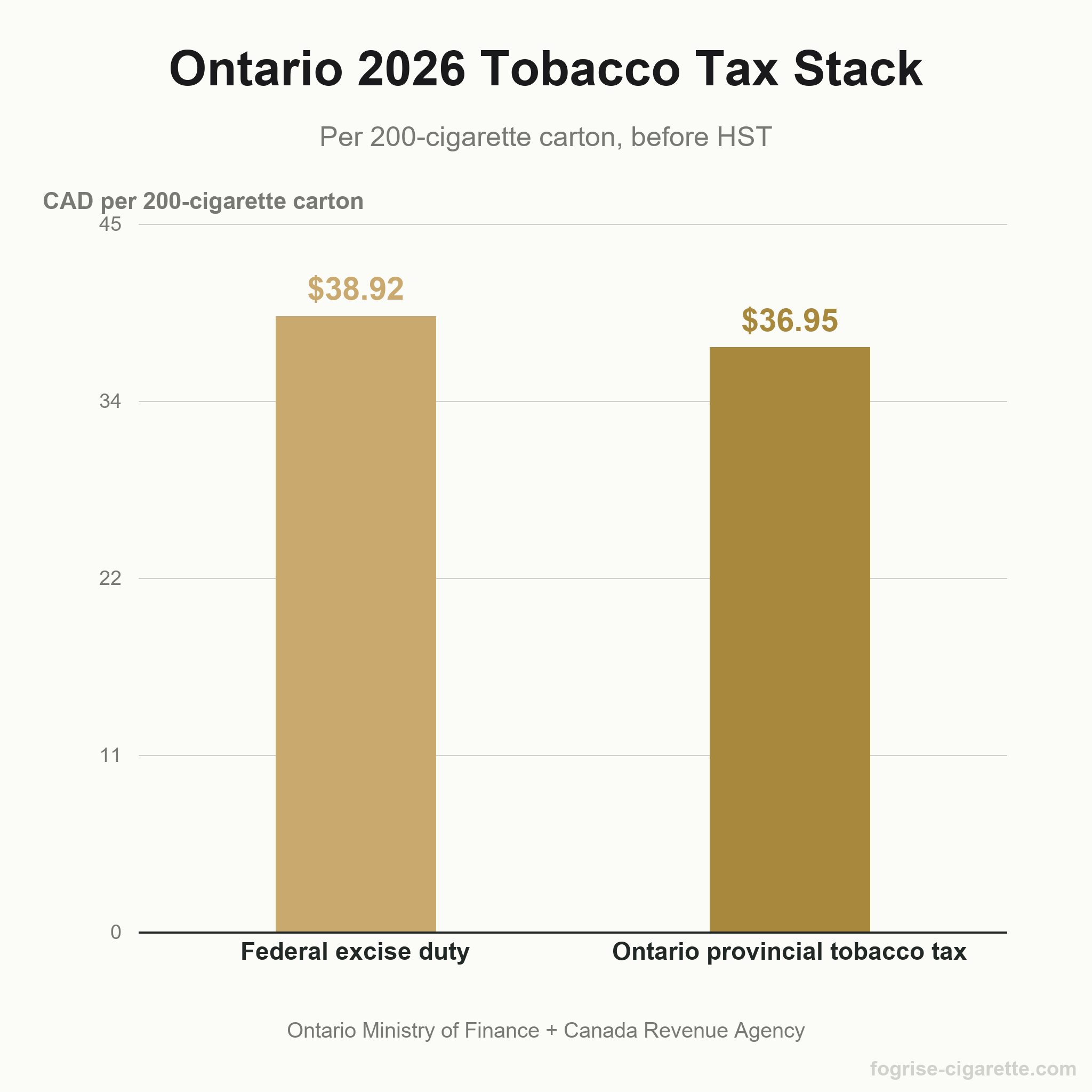
In 2026, a legitimately stamped 200-cigarette carton in Ontario carries $36.95 in provincial tobacco tax and $38.92 in federal excise duty, a combined $75.87 before 13 percent HST (Ontario Ministry of Finance, 2018; Canada Revenue Agency, 2026). That subtotal is the price floor for any legally sold carton.
| Tax Component | Rate per Cigarette | Per-Carton Amount (200 cigarettes) |
|---|---|---|
| Federal Excise Duty | $0.19460 (Canada Revenue Agency, 2026) | $38.92 (Canada Revenue Agency, 2026) |
| Ontario Provincial Tobacco Tax | $0.18475 (Ontario Ministry of Finance, 2018) | $36.95 (Ontario Ministry of Finance, 2018) |
| Combined Subtotal Before HST | $0.37935 | $75.87 (Canada Revenue Agency, 2026; Ontario Ministry of Finance, 2018) |
Federal Excise Duty (2026 Rate)
The Canada Revenue Agency’s Excise Duty Notice EDN105 sets the federal excise duty at $0.19460 per cigarette effective April 1 2026, which works out to $38.92 on a 200-cigarette carton (Canada Revenue Agency, 2026). The rate applies at the point of packaging inside Canada or, for commercial imports, at the point of release by the CBSA. Every legally stamped Ontario carton carries this line whether it originated in Guelph or in Shanghai. Anyone selling below the excise line alone is either evading duty or reselling stock that never had a Canadian excise stamp applied in the first place.
Ontario Provincial Tobacco Tax
Ontario layers its own provincial tobacco tax on top of the federal excise, set under the Tobacco Tax Act and adjusted by the Ministry of Finance. The current rate is $0.18475 per cigarette, or $36.95 per 200-cigarette carton (Ontario Ministry of Finance, 2018), and this figure is reflected in CBSA Customs Notice 20-33 for commercial imports crossing at Ontario ports of entry. Burlington sits inside this jurisdiction, so any pack that reaches a Halton Region shelf legally carries the yellow Ontario tear tape confirming the provincial tax was paid. The Ontario line is where most Burlington chinese cigarettes fail their price test, because a commercial importer cannot legally absorb $36.95 per carton and still undercut Ontario convenience-store pricing.
The Combined Price Floor Before HST
Adding the two lines gives a combined tobacco tax subtotal of roughly $75.87 per carton before the 13 percent HST is applied (Canada Revenue Agency, 2026; Ontario Ministry of Finance, 2018). For Burlington chinese cigarettes brought in through legal commercial import channels, the excise plus provincial tax subtotal alone exceeds what many online sellers quote as their all-in price, a strong signal that unstamped stock is what is actually being offered. The $0.19460 federal excise rate combined with Ontario’s $0.18475 provincial tobacco tax produces a hardwired $75.87 per-carton tax floor before HST on any 200-cigarette pack that clears customs and reaches a Halton retailer legally, effective April 1 2026 (Canada Revenue Agency, 2026; Ontario Ministry of Finance, 2018).
By the Numbers
- $0.19460 federal excise duty per cigarette, effective April 1 2026 (Canada Revenue Agency, 2026)
- $38.92 federal duty on a 200-cigarette carton (Canada Revenue Agency, 2026)
- $36.95 Ontario provincial tobacco tax per carton (Ontario Ministry of Finance, 2018)
- $75.87 combined tax subtotal per carton before 13% HST (Canada Revenue Agency, 2026; Ontario Ministry of Finance, 2018)
Legal Age, Retail Licensing, and Enforcement in Halton Region
Anyone researching Burlington chinese cigarettes should understand the two Ontario statutes that govern lawful retail and consumer age, plus the enforcement pattern the province has publicly documented. This section describes that framework at a general level and is informational, not legal advice. Rules apply the same in Burlington as elsewhere in Halton Region, because tobacco retail and age controls are set provincially, not municipally.
Ontario’s Age and Retail-Licensing Requirements
Two Ontario statutes carry most of the weight. The Smoke-Free Ontario Act, 2017 sets the legal minimum purchase age at 19 (Smoke-Free Ontario Act, 2017). The Tobacco Tax Act separately requires a retail dealer permit for any lawful cigarette sale, and any pack legally sold to an Ontario consumer must carry the Ontario-adapted federal excise stamp (Ontario Ministry of Finance, 2018). xiangyandd applies a stricter 21+ floor on top of the provincial 19, reasoning that responsible international shipping should sit above the legal floor rather than at it.
The two acts interact in a specific way. Smoke-Free Ontario governs where and to whom tobacco can be sold; the Tobacco Tax Act governs whether the underlying product is a lawful, tax-paid, stamped item at all. A retailer inside Burlington operates under both simultaneously.
Not legal advice: This overview describes Ontario’s public statutes as of 2026 and is provided for general information. It does not substitute for consultation with a Halton Region lawyer or the provincial Ministry of Finance if you have a specific compliance question.
Documented Provincial Enforcement Against Unmarked Tobacco
In a 2024 Government of Ontario enforcement release, provincial authorities reported seizing over 10 million unmarked cigarettes and 1.5 million grams of unmarked tobacco across the province in a single reporting window (Government of Ontario, 2024). Those numbers describe Ontario’s whole-of-province enforcement, not a Burlington or Halton Region local figure, and no separate Halton-only seizure statistic is asserted here.
What This Means for a Halton Region Buyer
A Burlington resident weighing Burlington chinese cigarettes options sits inside that same provincial enforcement scope. Practical takeaways: a legal domestic purchase requires the Ontario-adapted excise stamp on the pack, a permitted retailer at the point of sale, and a buyer aged 19 or older under provincial law. Chinese-brand cigarettes ordered from outside Canada arrive under separate federal customs and duty rules that Ontario law does not govern. Buyers looking at Burlington chinese cigarettes through an international channel should read the counterfeit risk section and the Burlington demographics section before committing, and should treat any promise of "duty-free" or "no stamp needed" as a red flag under the provincial framework described above. Keeping the pack, the invoice, and any customs paperwork is the shortest path to a defensible position if a purchase is later questioned.
Spotting Counterfeit Chinese Cigarette Packs
Counterfeit and contraband cigarettes concentrate wherever the gap between production cost and shelf price is widest, and premium imported brands sit at the top of that list. Peer-reviewed research published in Tobacco Control by Guindon and colleagues documented cigarette contraband as a persistent feature of the Canadian tobacco market, with levels shifting across regions and price cycles (Guindon et al., 2017). That study frames counterfeit and untaxed product as a policy and consumer-safety concern, not a cost-saving option. Anyone looking at Burlington chinese cigarettes on the informal market inherits that risk on top of the tax and legal questions covered earlier.
Why Counterfeits Concentrate on Premium Brands Like Chunghwa
Counterfeiters target the widest arbitrage between manufacturing cost and retail price. Premium Chinese brands, with Chunghwa the most visible example, carry high sticker prices and strong cultural cachet, which makes them a persistent forgery target across grey markets globally (Guindon et al., 2017). The pattern is documented for premium tobacco brands in general and is not unique to any single label. As a rule of thumb, the higher the perceived prestige of the pack, the higher the counterfeit-supply pressure on informal channels.
What Genuine Packaging Looks Like
Consumer education, not authentication training, is the goal here. Genuine premium cigarette packaging uses sharp offset printing, clean color registration, and consistent production date and lot codes stamped on the base of the pack. Blurred lettering, mottled foil, or missing codes are documented consumer red flags for counterfeit product (Guindon et al., 2017). Legally sold cigarettes in Ontario also carry a Canadian federal excise stamp with tactile and visual security features (Canada Revenue Agency, 2026); a pack sold without one falls outside the regulated supply chain by definition.
Warning: A cigarette pack sold in Canada without a federal excise stamp is contraband under the Excise Act, 2001, regardless of the label on the front. Purchasing it carries seizure and fine exposure that sits separately from any question about what is inside.
Authentic Does Not Mean Safe
Passing an authenticity check does not make a cigarette safe. Health Canada and the World Health Organization state that smoking causes cancer, cardiovascular disease, and stroke, and that nicotine is addictive (Health Canada, 2023). The checks above lower one specific risk, unregulated supply, and nothing more. Any reader who takes this section as an endorsement of Burlington chinese cigarettes purchased through licensed retail as a safe consumer choice has misread it. When packaging looks wrong, or price is far below licensed Ontario retail, treat it as a warning rather than a bargain.
Burlington, Ontario: Population, Halton Region, and the GTHA Context
Context matters when readers search for Burlington chinese cigarettes and land on a page written for the wrong city. This section grounds the guide in the real Burlington: a mid-sized Ontario municipality on the shore of Lake Ontario, closer to Hamilton than to Toronto, and the eastern anchor of Halton Region.
Population and Regional Geography
Burlington recorded a population of 186,948 residents in the 2021 Census (Statistics Canada, 2022). The city occupies the western edge of the Greater Toronto and Hamilton Area (GTHA), roughly 55 km west of downtown Toronto and 15 km east of downtown Hamilton. Postal codes here start with L7, and the streetscape blends into neighbouring Oakville and Milton, plus the rural Waterdown corner of Hamilton to the west. That geography changes shopping behaviour. A Burlington resident weighing an online order for imported goods is often comparing delivery windows across three municipal boundaries at once.
Halton Region and the GTHA
Burlington is one of four municipalities in Halton Region, which itself counted 596,637 residents in the 2021 Census (Statistics Canada, 2022). Oakville and Milton, along with Halton Hills, fill out the rest of the region. Statistics Canada frames census counts as a common reference layer across programs, not a marketing figure, which matters when a Burlington-specific number is being cited.
Per Statistics Canada, the Census of Population is the primary source of demographic data used for planning, program design, and equity monitoring across all levels of Canadian government.
Burlington, like much of the GTHA, has a growing Asian-Canadian population, though a precise Chinese-origin percentage for the city specifically is not published in the standard census summary tables.
A Real Ontario City, Not a Search-Engine Afterthought
Two other Burlingtons dominate US search results: Burlington, Vermont and Burlington, North Carolina. Both are legitimate cities, and both routinely outrank the Ontario original for the bare word "Burlington." That does not shrink the real one. With 186,948 residents and a place inside one of Canada’s largest urban regions, Burlington, Ontario is a real, populous, well-documented Canadian city. A search for Burlington chinese cigarettes here points to the Ontario city, not a search-engine afterthought behind two US namesakes.
Glossary
- CBSA. Canada Border Services Agency, the federal agency that administers customs, duty, and personal-import rules at the Canadian border.
- CNTC. China National Tobacco Corporation, mainland China’s state-owned tobacco monopoly and the corporate parent of every domestic Chinese cigarette brand.
- Halton Region. The upper-tier Ontario municipality that contains Burlington, Oakville, Milton, and Halton Hills.
- GTHA. Greater Toronto and Hamilton Area, the extended urban region on the western shore of Lake Ontario that includes Burlington.
- HST. Harmonized Sales Tax, Ontario’s combined federal-provincial consumption tax applied on top of tobacco tax and excise duty.
- Ontario excise stamp. The yellow tear tape on a legally sold cigarette pack showing that Ontario’s provincial tobacco tax has been paid.
- Personal exemption. The CBSA-set duty-free tobacco quantity a returning Canadian resident of legal age may bring back within absence-duration limits.
Frequently Asked Questions
What is special about Chinese cigarettes?
Chinese cigarettes sit inside a state monopoly. China National Tobacco Corporation (CNTC) is the single legal domestic manufacturer, so brands like Chunghwa, Panda, Double Happiness, Furongwang, Hongtashan, and Zhongnanhai are all state-owned products. Two things set them apart from Western imports. First, packaging leans on national iconography and heritage imagery, with red-and-gold Chunghwa cartons as the archetype. Second, high-tier packs move through gifting culture at holidays and business functions, which is why a sealed carton often reads as a status object rather than a consumable.
What is the best brand of Chinese cigarettes?
"Best" is taste-driven, not a ranking anyone can fix. Inside China, Chunghwa (中华) is the most widely-recognized prestige brand, produced by Shanghai Tobacco Group and used for decades as a diplomatic-gift and banquet staple. Panda, Furongwang, Hongtashan, and Double Happiness each hold regional loyalty and their own flavour profiles. For readers looking at Burlington chinese cigarettes as a category name, Chunghwa is the reference point most Ontario buyers ask about first by name.
Can you buy Chunghwa cigarettes in the US?
US retail rules for imported Chinese tobacco sit under FDA and CBP jurisdictions and are out of scope for this Ontario-focused guide. For readers actually in Burlington, Ontario, the rules that matter are Canadian. CBSA sets the personal-import exemption at one carton (200 cigarettes) per returning traveller of legal age (Canada Border Services Agency, 2019). Ontario then requires provincial excise stamps on any pack sold at retail, plus plain-packaging rules. US law does not govern anything you carry across a Canadian border.
How much are high end Chinese cigarettes?
Retail prices inside China vary widely and are not a useful reference for a Canadian buyer searching Burlington chinese cigarettes. The honest Ontario answer starts with the legitimate-carton tax floor. Per carton of 200 cigarettes sold in Ontario, federal excise adds $38.92 and Ontario tobacco tax adds $36.95, both before HST (Canada Revenue Agency, 2026; Ontario Ministry of Finance, 2018). That $75.87 stack applies to every legally-stamped carton on shelf, regardless of origin brand. Any offer materially below that combined tax base signals unstamped product, which cannot lawfully be sold at retail in Ontario.
Is "Burlington chinese cigarettes" search results about Ontario or the US?
Mostly the US. A structured review of the top nine Google results for Burlington chinese cigarettes showed six pointing to Burlington, Vermont and Burlington, North Carolina retailers or news items, and zero pointing to Burlington, Ontario. The SERP treats the phrase as a US local query by default. Ontario buyers searching this term are landing on shops and price sheets that do not serve them, which is part of why this guide exists.
How many cigarettes can I bring into Canada from a trip abroad?
CBSA sets the personal-exemption ceiling at 200 cigarettes (one carton) per returning traveller of legal smoking age, alongside 50 cigars, 200 grams of manufactured tobacco, and 200 tobacco sticks (Canada Border Services Agency, 2019). Anything beyond that is dutiable and requires provincial excise stamps for Ontario resale. The 200-cigarette figure applies whether the origin country is China or anywhere else. Bringing a carton for personal use is legal; bringing multiple cartons for resale is not.
Conclusion
Burlington chinese cigarettes is a search term shaped by its own confusion. Type it into Google, and you will still get pages built for Burlington, Vermont and Burlington, North Carolina, with Ontario coverage buried or missing. Nothing here changes that overnight, but this guide does what earlier pages did not: anchor the topic to Halton Region, name the Canadian brands people actually ask about, and place them inside Ontario tobacco law, federal plain packaging, and 2026 excise duty math.
Read the guide as reference material, not a prompt to buy. Tobacco use remains the leading preventable cause of death in Canada (Health Canada, 2023). Nicotine is addictive. This content is intended for adults 21 and over, and it does not sell or supply tobacco products. Rules on legal sale, personal import quantities, and duty vary by province and by year. Confirm the current provincial statute and the CBSA personal exemption before you act on anything above. When the answer is uncertain, the safer default is to stop.
References
- Canada Revenue Agency. (2026). EDN105: Adjusted rates of excise duty on tobacco products effective April 1, 2026. Government of Canada. https://www.canada.ca/en/revenue-agency/services/tax/technical-information/excise-duty/excise-duty-notices/edn105-adjusted-rates-excise-duty-tobacco-products-effective-april-1-2026.html
- Ontario Ministry of Finance. (2018). Tobacco tax rate increases. Government of Ontario. https://www.ontario.ca/document/tobacco-tax/tobacco-tax-rate-increases
- Canada Border Services Agency. (2019). Memorandum D2-3-1: Personal exemptions for residents returning to Canada. Government of Canada. https://www.cbsa-asfc.gc.ca/publications/dm-md/d2/d2-3-1-eng.html
- Canada Border Services Agency. (2020). Customs Notice 20-33: Collection of provincial tobacco tax on casual postal importations for Ontario. Government of Canada. https://www.cbsa-asfc.gc.ca/publications/cn-ad/cn20-33-eng.html
- Government of Ontario. (2017). Smoke-Free Ontario Act, 2017, S.O. 2017, c. 26, Sched. 3. https://www.ontario.ca/laws/statute/17s26
- Government of Ontario. (2024). Province seizes over 10 million unmarked cigarettes and 1.5 million grams of unmarked tobacco. Ontario Newsroom. https://news.ontario.ca/en/court/1005807/province-seizes-over-10-million-unmarked-cigarettes-and-15-million-grams-of-unmarked-tobacco
- Statistics Canada. (2022). Census profile, 2021 Census of Population: Burlington, City (CY), Ontario. https://www12.statcan.gc.ca/census-recensement/2021/dp-pd/prof/details/page.cfm?LANG=E&GENDERlist=1&STATISTIClist=1%2C4&DGUIDlist=2021A00053524002&HEADERlist=20%2C1&SearchText=burlington
- Statistics Canada. (2022). Census profile, 2021 Census of Population: Halton, Regional municipality (RM), Ontario. https://www12.statcan.gc.ca/census-recensement/2021/dp-pd/prof/details/page.cfm?Lang=E&SearchText=Halton&DGUIDlist=2021A00033524&GENDERlist=1,2,3&STATISTIClist=1&HEADERlist=0
- Guindon, G. E., Burkhalter, R., & Brown, K. S. (2017). Levels and trends in cigarette contraband in Canada. Tobacco Control, 26(5), 518-525. https://doi.org/10.1136/tobaccocontrol-2016-052962
- Health Canada. (2023). Health effects of smoking and second-hand smoke. Government of Canada. https://www.canada.ca/en/health-canada/services/smoking-tobacco/health-effects-smoking-second-hand-smoke.html
Last reviewed and updated: July 2026. Author: xiangyandd editorial team. Adults 21+ only. Smoking is harmful; verify your local laws before purchase. Questions? contact our team.



 English (US)
 简体中文
 Deutsch
 Français
 Español