

Blog
Markham Chinese Cigarettes: Brands, Law & 2026 Prices

Abstract
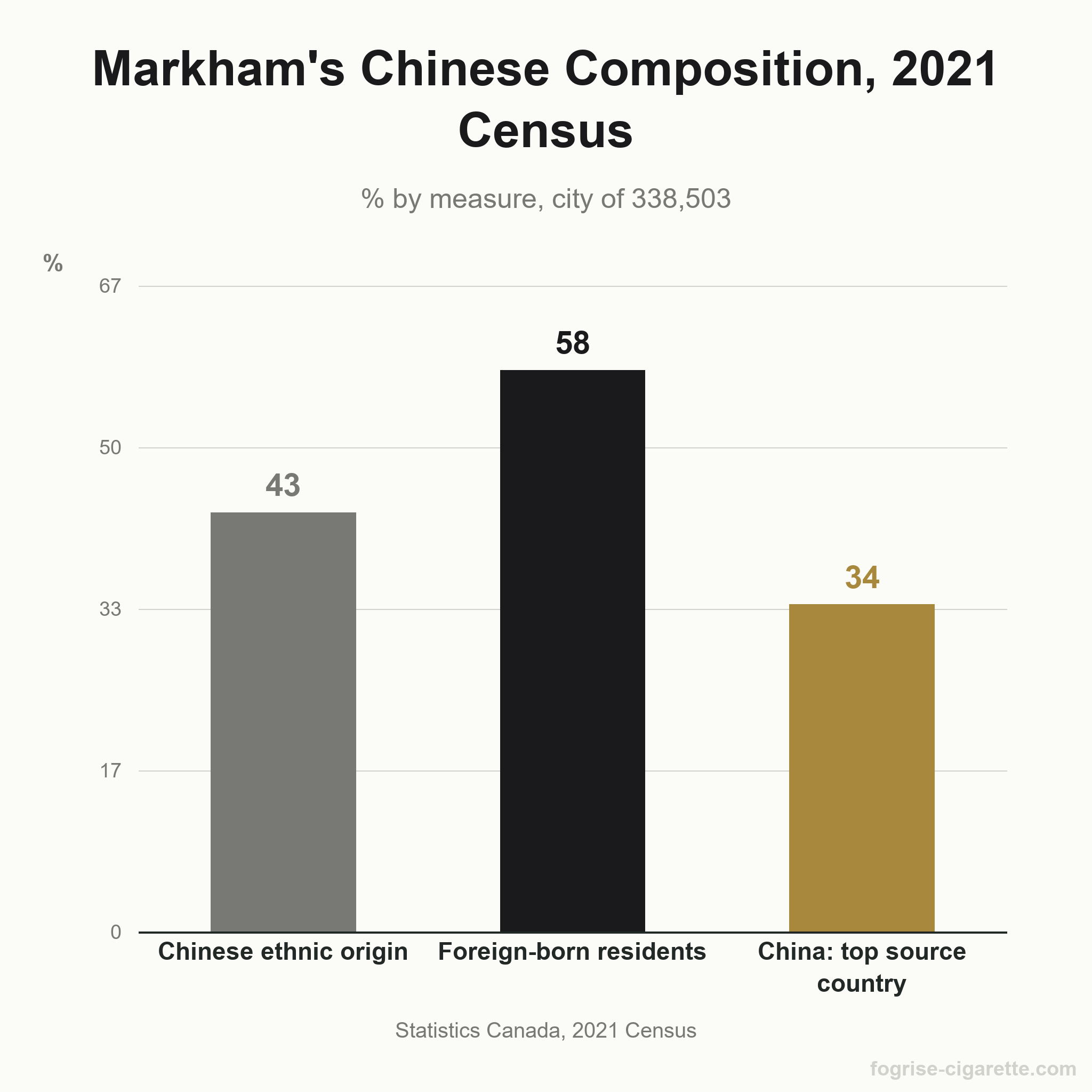
Markham is the most Chinese city in Canada. Chinese was the most common ethnic or cultural origin among its 338,503 residents in the 2021 Census at 43.3%, and 58% of the city was born abroad, with China the largest source country at 33.8% (Statistics Canada, 2022). If a legal retail market for Chunghwa (中华) existed anywhere outside China, it would exist here. It does not, and demand is not the reason. Ontario requires an Ontario-adapted federal excise stamp on every cigarette lawfully sold in the province, and a genuine mainland-China pack does not carry one (Ontario Ministry of Finance, 2024a). The binding constraint is a stamp, not demand.
This pillar is written for the adult 21-plus Markham or York Region reader who has seen a Chunghwa pack in a friend’s hand at Lunar New Year, spotted a listing that seemed too cheap to be genuine, or simply wondered why the mall that anchors the city sells almost everything from Guangdong but not this. It maps what Pacific Mall actually sells, what the peer-reviewed evidence says about gifting culture as a demand driver, why counterfeit packs concentrate in exactly this kind of market, what York Region enforcement has actually seized, and how Ontario’s 2026 tax stack builds a published price floor that below-floor offers cannot legally cross.
For adults 21+. Smoking is harmful and addictive. Tobacco laws, taxes, and import rules vary by country, province, and state; verify your local regulations before purchasing. This article is informational, not legal or medical advice.
Key Takeaways
- Chinese is Markham’s most common ethnic origin at 43.3% of 338,503 residents, per the 2021 Census (Statistics Canada, 2022).
- No Markham store can legally sell mainland-China packs; Ontario requires an Ontario-adapted federal excise stamp on every cigarette (Ontario Ministry of Finance, 2024a).
- No Markham retailer may lawfully sell mainland-China packs, Pacific Mall included; Ontario permit and stamping rules apply there too (Ontario Ministry of Finance, 2024a).
- Gifting culture, not ordinary consumption, is the documented demand driver in Chinese communities, per peer-reviewed research (Wu et al., 2022).
- York Regional Police, RCMP, and CBSA seized roughly 52,000 cartons worth about $2.8 million in one joint operation (YorkRegion.com, 2024a).
- Counterfeit packs concentrate on the gifting-tier brands; NIST research found elevated lead and cadmium in fakes (Zhu et al., 2015).
- Smoking is harmful and addictive; no brand, tier, or price makes a cigarette safe. Verify local law before purchase.
Table of Contents
- Abstract
- Key Takeaways
- The Markham Paradox: Canada’s Most Chinese City, Zero Legal Supply
- Does Pacific Mall Sell Chinese Cigarettes?
- Gifting, Not Just Smoking: What Actually Drives Demand
- Chinese Cigarette Brands a Markham Buyer Should Know
- Counterfeits: The Real Risk in a High-Literacy Market
- York Region Enforcement and the Ontario Contraband Picture
- The Real 2026 Price: Ontario’s Tax Stack
- Health Reality and Quitting Support in Markham
- Frequently Asked Questions
- Conclusion
- References
By the Numbers
- 43.3%: Chinese as the most common ethnic or cultural origin among Markham’s 338,503 residents in the 2021 Census (Statistics Canada, 2022).
- 338,503: Markham’s 2021 Census population, ranking 16th nationally and 7th in Ontario (Statistics Canada, 2022).
- 58%: share of Markham residents born outside Canada, with China the largest single source country at 33.8% (Statistics Canada, 2022).
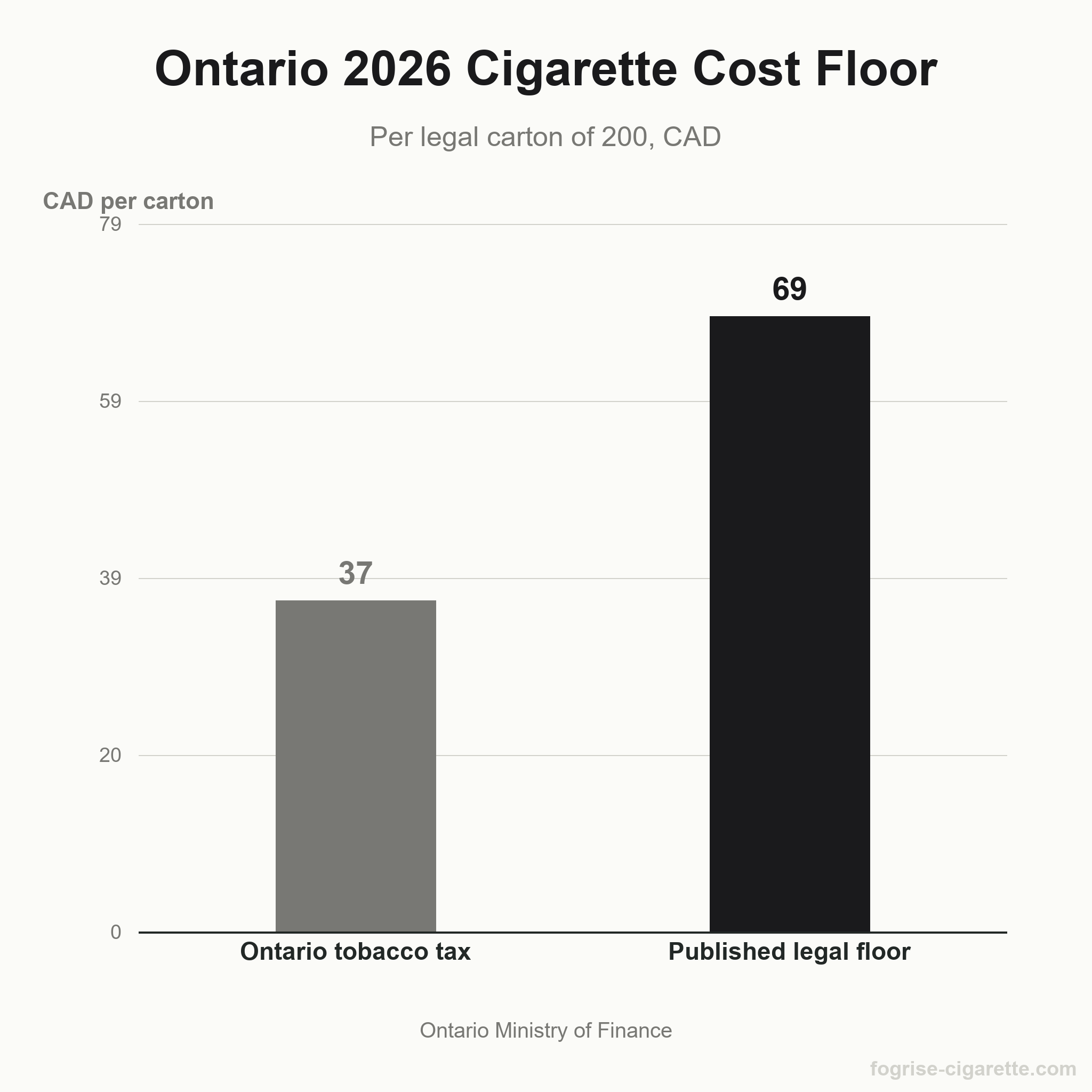
- CAD 36.95: Ontario tobacco tax on a carton of 200 at $0.18475 per cigarette, unchanged since March 29, 2018 (Ontario Ministry of Finance, 2018).
- CAD 68.61: Ontario’s own published minimum legal carton price; cartons below that price are, in the province’s own language, "likely illegal" (Ontario Ministry of Finance, 2024a).
- AOR 19.17 (95% CI 13.31 to 27.61): the adjusted-odds association between strong pro-gifting beliefs and being a smoker in a Guangdong and Shaanxi study (Wu et al., 2022).
- ~52,000 cartons / ~$2.8 million: York Regional Police, RCMP and CBSA joint seizure of counterfeit Players, Du Maurier, Belmont and Chinese-brand cigarettes in a single York Region operation (YorkRegion.com, 2024a).
The Markham Paradox: Canada’s Most Chinese City, Zero Legal Supply
Markham is the country’s densest Chinese-Canadian consumer market by share. Yet a walk through Pacific Mall, First Markham Place, or any York Region convenience store returns the same result: no Chunghwa (Chinese: 中华; pinyin: Zhōnghuá), no Yuxi, no Double Happiness on any legal shelf. The reason is not weak demand. It is a stamp.
The Markham paradox. Chinese was the most common ethnic or cultural origin in Markham in the 2021 Census, at 43.3 percent of 338,503 residents, with 58 percent of the city born abroad (Statistics Canada, 2022). Yet no Markham retailer may lawfully sell a mainland-China pack: Ontario requires an excise stamp those packs do not carry.
The Density: What the 2021 Census Shows
The scale is unambiguous. Markham’s population reached 338,503 in the 2021 Census, ranking 16th nationally and 7th in Ontario (Statistics Canada, 2022). Chinese was the most common ethnic or cultural origin reported, at 43.3% of residents, the highest share of any large Canadian city (Statistics Canada, 2022). Fifty-eight percent of Markham residents were born abroad, and China was the largest single source country at 33.8% (Statistics Canada, 2022). That community anchors the Steeles Avenue East and Highway 7 mall corridor, and it carries the brand literacy that only a first-generation majority carries.
- 43.3% of Markham residents reported Chinese as their ethnic or cultural origin (Statistics Canada, 2022).
- 338,503 residents counted in the 2021 Census, ranking Markham 16th nationally (Statistics Canada, 2022).
- 58% of Markham residents were born outside Canada (Statistics Canada, 2022).
- 33.8% of immigrants arrived from China, the largest source country (Statistics Canada, 2022).
The Constraint: An Ontario Stamp, Not a Shortage of Demand
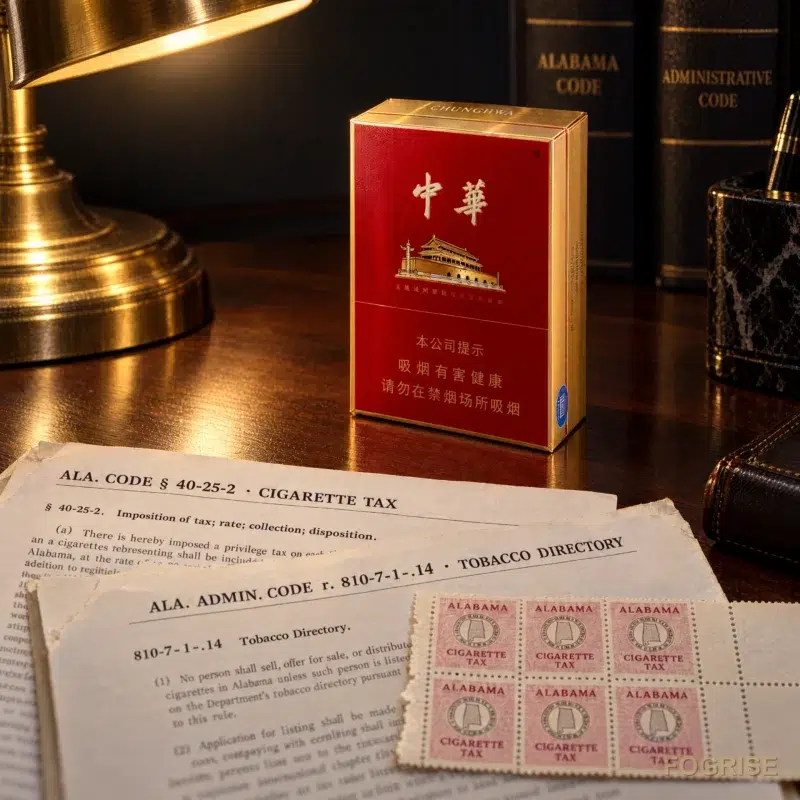
The absence of Markham Chinese cigarettes on any legal shelf is a policy outcome, not a market signal. Two Ontario rules explain it. First, every retailer of tobacco in the province must hold a provincial retail dealer’s permit under the Tobacco Tax Act, and unmarked cigarettes are subject to seizure and forfeiture plus penalties of $200 plus three times the tax (Ontario Ministry of Finance, 2024b). Second, every cigarette lawfully sold in Ontario must carry an Ontario-adapted federal excise stamp. A genuine mainland-China pack does not carry that stamp. It carries a Chinese domestic tax marking, printed for a different tax authority. That is the binding constraint on Markham Chinese cigarettes at retail, and it applies inside Pacific Mall exactly as it applies inside any other Ontario storefront.
Markham is Canada’s most Chinese city by share, yet Markham Chinese cigarettes have zero legal retail supply here, because Ontario requires an Ontario-adapted excise stamp that a genuine mainland-China pack does not carry. Demand is not the barrier. The stamp is.
Why Density Changes the Shape of the Question
Dense diaspora does not create supply. It does, however, change what the question is. Where a diffuse market asks "which brand should I try," a market with Markham’s brand literacy asks about gifting protocol (Lunar New Year, weddings, business etiquette) and about counterfeit detection, because gift-shaped demand concentrates on the top-tier packs, and those are precisely the packs counterfeiters work hardest to imitate. That is the whole difference. A reader searching for Markham Chinese cigarettes might expect a shopping guide. What applies instead is a regulatory boundary at one end and a documented cultural economy at the other, with no legal supply channel bridging the two. The sections that follow work through each layer in turn: what Pacific Mall actually sells, what peer-reviewed research on cigarette gifting reports, the brand-tier map, the authentication problem, and what York Region enforcement has seized. The paradox stays the same throughout: the demand is real, the legal channel is not.
Does Pacific Mall Sell Chinese Cigarettes?
The Short Answer
No. No retailer at Pacific Mall, nor anywhere else in Ontario, can lawfully sell mainland-China Chinese-brand cigarettes. The reason is not scarcity, and it is not a rejection of Chinese-Canadian consumers. It is a stamp. Every cigarette lawfully sold in Ontario must bear an Ontario-adapted excise stamp, and a genuine mainland-produced Chunghwa, Furongwang, or Yuxi pack does not carry one (Ontario Ministry of Finance, 2024a). That single fact, not demand or culture, is why Markham Chinese cigarettes are not a legal retail category anywhere in the city. If you have searched Markham stores for a legitimate Chinese-brand carton and found nothing, this is the reason.
The direct answer: Chinese-brand cigarettes from the mainland are not sold at Pacific Mall, or at any lawfully operating Markham store, because Ontario requires an Ontario-adapted excise stamp on every cigarette sold in the province and a genuine mainland pack does not carry one (Ontario Ministry of Finance, 2024a). The gap is regulatory, not cultural, and it applies uniformly across York Region.
What the Malls Actually Are
Pacific Mall sits at Steeles Avenue East and Kennedy Road, opened in 1997, and is recognized as one of the largest Chinese indoor shopping centres in North America. Alongside Market Village, First Markham Place, and the retail strip that runs along Highway 7 through Unionville, it anchors a genuine Chinese-Canadian commercial district serving hundreds of thousands of residents across the Greater Toronto Area. These are real destinations for groceries, restaurants, jewellery, herbal medicine, phone accessories, and boba, not grey-market storefronts. Treating them as if they were a shadow supply chain for Chinese cigarettes misreads what they are. They remain ordinary Ontario retail spaces with a Chinese-Canadian cultural specificity, and the tobacco question inside them is governed by the same provincial rulebook as anywhere else.
The Rules That Apply Inside Them
The malls sit inside Ontario, so Ontario tobacco law applies inside them exactly as it applies to a corner store in Etobicoke or a Circle K in Sudbury. Three rules matter for the Markham Chinese cigarettes question. First, any business selling tobacco needs a provincial tobacco retail dealer’s permit under the Tobacco Tax Act, and unmarked packs are subject to seizure and forfeiture with additional penalties on top (Ontario Ministry of Finance, 2024b). Second, every cigarette sold must carry an Ontario-adapted excise stamp, which mainland-China packs do not have. Third, since January 1, 2020, an Ontario "specialty tobacconist" must hold at least 85% of its retail inventory in specified tobacco products at registration. A mainland pack fails the stamp test before the other rules even come into play. It cannot lawfully sit on a shelf at Pacific Mall, Market Village, First Markham Place, or the Highway 7 corridor, and its absence from those shelves is compliance with Ontario law, not oversight.
Gifting, Not Just Smoking: What Actually Drives Demand
Ordinary consumption is only half the demand story for Markham Chinese cigarettes. In many Chinese-Canadian households across the city and the wider Toronto CMA, the more revealing driver is the gift itself, and the etiquette it carries. Reading demand only through smokers-per-capita undercounts the social role of the gifting-tier pack, and it misses why the question keeps recurring in a city with no legal shelf to answer it.
Cigarettes as a Gift Good
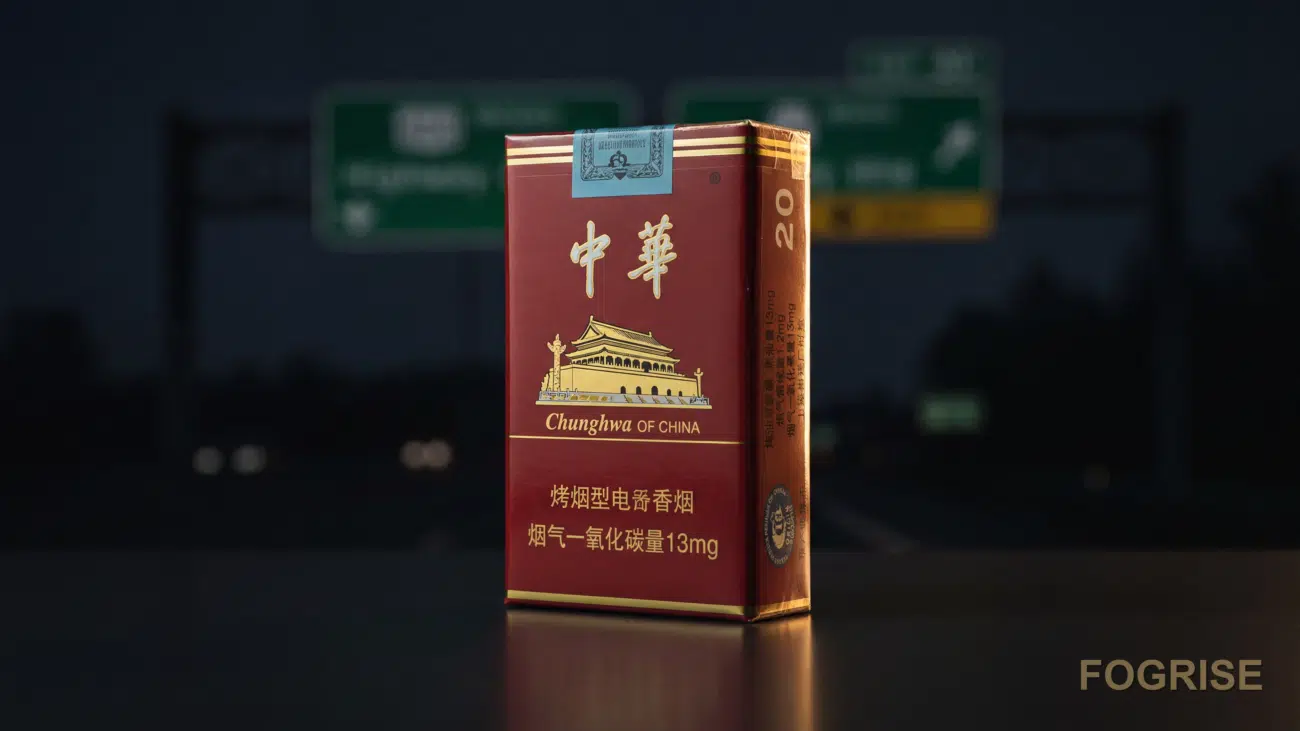
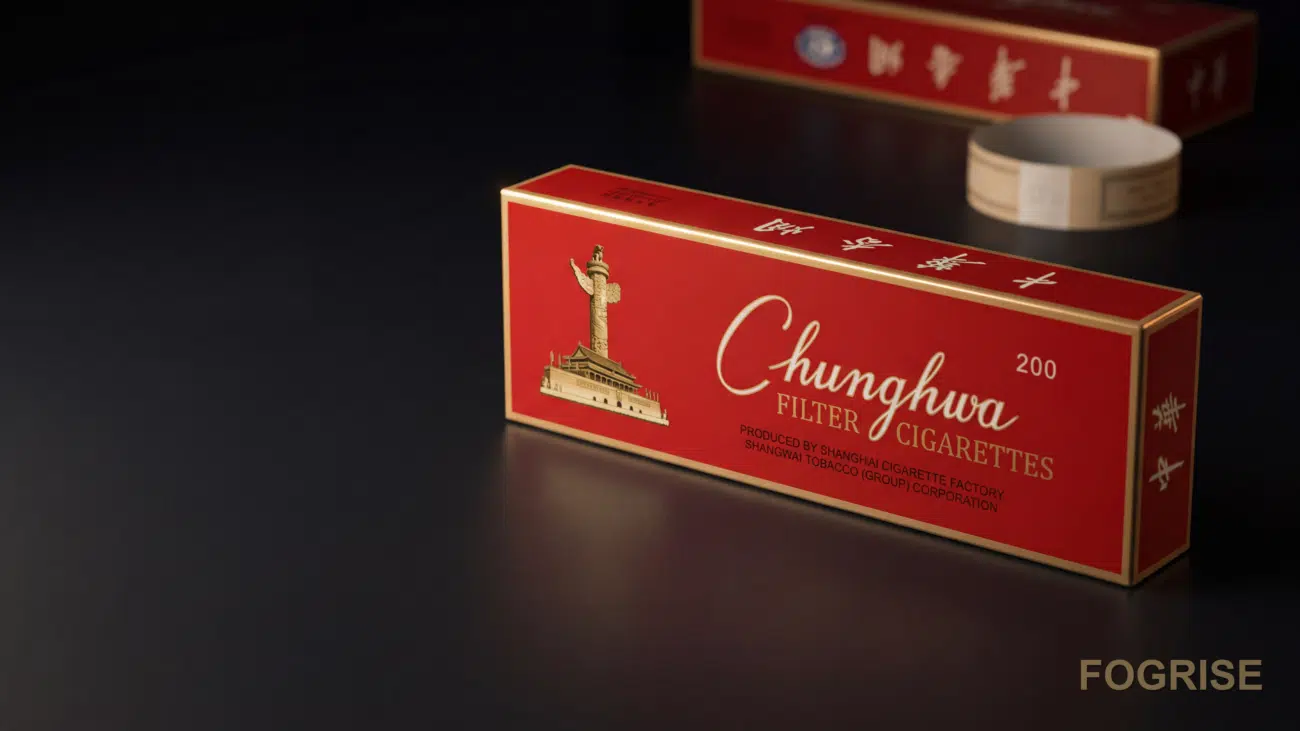
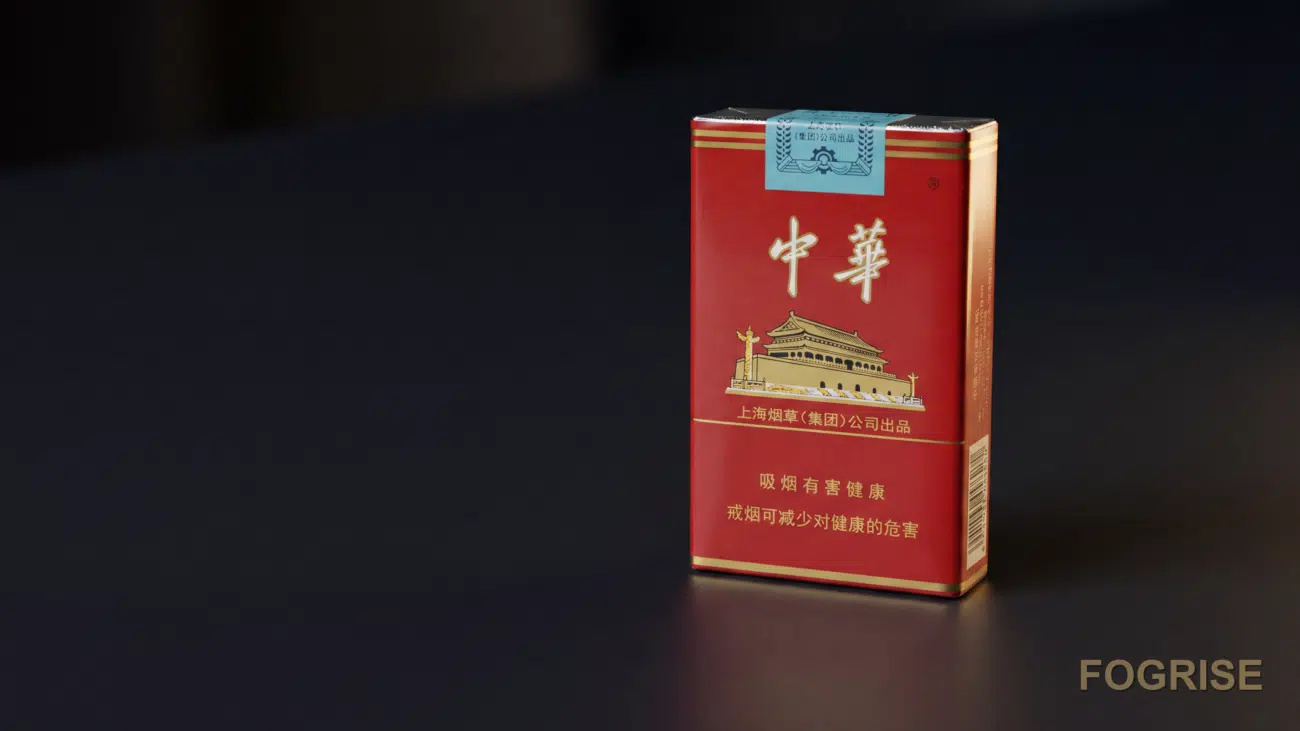
In Chinese social and business custom, high-tier cigarettes function as a status and relationship good, referred to as 送烟 (song yan). A carton passes hands at Lunar New Year visits, sits at the sign-in table at weddings, and appears in business greetings where the offering itself communicates rank and respect. Chunghwa (Chinese: 中华; pinyin: Zhōnghuá), produced by Shanghai Tobacco Group under China National Tobacco Corporation, is the canonical gift pack in that tradition. The demand line for Markham Chinese cigarettes moves with the wedding and holiday calendar, not with weekly retail foot traffic.
Two clarifications matter. Describing the practice is not endorsing it, and this section does neither. Prestige is also not safety: a pack offered as a gesture of standing remains a combustion tobacco product with the same underlying harms as any other cigarette.
What the Peer-Reviewed Evidence Shows
Academic research is direct about how tightly gifting norms sit against smoking behavior in the source society.
Per Wu et al. (2022), Tobacco Induced Diseases, a Guangdong and Shaanxi study of cigarette-gifting beliefs found that people holding strong pro-gifting beliefs were substantially more likely to be smokers themselves, with an adjusted odds ratio of 19.17 (95% CI 13.31 to 27.61) (Wu et al., 2022).
Diaspora research adds nuance. Qualitative work by Mao et al., also in Tobacco Induced Diseases, interviewed Chinese immigrant men smokers in Canada and mapped where their cigarettes actually came from. Their finding: gifting and sharing norms weaken after immigration, and top-tier brands lose some of their local cachet, with one participant describing Zhonghua as "not fancy here because many Chinese don’t smoke that brand" (Mao et al., 2017). The custom does not vanish in Ontario. It softens, and it routes through informal social channels rather than retail counters.
In context: Demand for Markham Chinese cigarettes is culturally durable and legally unmet. The peer-reviewed evidence links gifting beliefs to smoking behavior in China, and separately documents those norms attenuating, though not disappearing, among Chinese immigrant men smokers in Canada.
Why Gift-Shaped Demand Concentrates on the Top Tier
Because the underlying occasion is symbolic, the brand chosen has to signal something. That is why gift-shaped demand for Markham Chinese cigarettes concentrates on the top tiers, Chunghwa first among them, rather than distributing evenly across the everyday CNTC lineup. Two consequences follow, and both set up the sections that come next.
The first is where the demand travels. Gifting circulates through weddings, family visits, and social introductions, not through checkout lanes. In a province with no legal channel for mainland-China packs, that circulation slides into informal supply: visitors returning with cartons, personal travel, private handoffs, and grey-market listings.
The second is which brands the fraud economy targets. When demand focuses on the top-tier packs, counterfeiters follow, because the per-carton margin on a fake Chunghwa is far larger than on a value brand. That concentration is why the counterfeit exposure covered next matters more in a market like Markham than any single seizure number, taken alone, would suggest.
Before you go
Markham has the highest Chinese-origin share of any city in Canada, yet no legal shelf here carries a Chunghwa or Yuxi pack, because Ontario requires an excise stamp those cartons do not carry. Ontario’s own tobacco tax guidance also publishes the floor, $68.61 per carton, that tells you what a below-floor offer actually is. Browse the catalogue below to see what is currently available, or reach out with a question about a specific brand or your region. Legality, taxes, and shipping rules for tobacco vary by country, province, and state, so verify your own local law before ordering anything. Adults 21+ only; smoking is harmful and addictive.


Baisha Heaven Slim (白沙细支和天下)
The plum-red super-premium slim. Baisha Hetianxia Slim (Deep Plum-Red) (白沙(和天下细支)深梅红) is the thin 97 mm rod of China’s super-premium benchmark line — 6 mg tar, 0.6 mg nicotine, no capsule — clean and silky with a woody opening, a caramel-honey sweetness and a walnut edge, gentle rather than strong. Bought for refinement and a quietly prestigious name. By the carton (10 packs / 200). Barcode 6901028196048. xiangyandd ships worldwide, tracked and discreet.


Septwolves Chunjing Mid (七匹狼纯境中支)
The quiet, sweet-tipped Fujian mid-size. Septwolves Chunjing Mid-Size (七匹狼(纯境中支)) is a mild 88 mm rod at 8 mg / 0.7 mg with a lightly sweet, floral filter and no capsule — smooth, easy, and best kept fresh. An ice-blue pack made for relaxed, everyday smoking, not for a nicotine punch. Sold by the carton (10 packs / 200).
Chinese Cigarette Brands a Markham Buyer Should Know
Reader curiosity about Markham chinese cigarettes almost always narrows to the same six names, and mixing them up is how people get taken by counterfeiters. Because Ontario has no lawful retail channel for these packs, the Markham chinese cigarettes conversation is really a brand-literacy conversation, not a shopping list. The tiers below map how each brand is positioned inside China, who produces it, and where it sits in the gifting hierarchy referenced in the previous section. Tier language describes market positioning only. It does not describe quality, harm, or safety, and no brand in this table is safer than another. All cigarettes cause disease and are addictive. Prices below are approximate China-domestic retail figures. They are NOT Ontario prices, because no legal Ontario retail channel exists for these packs.
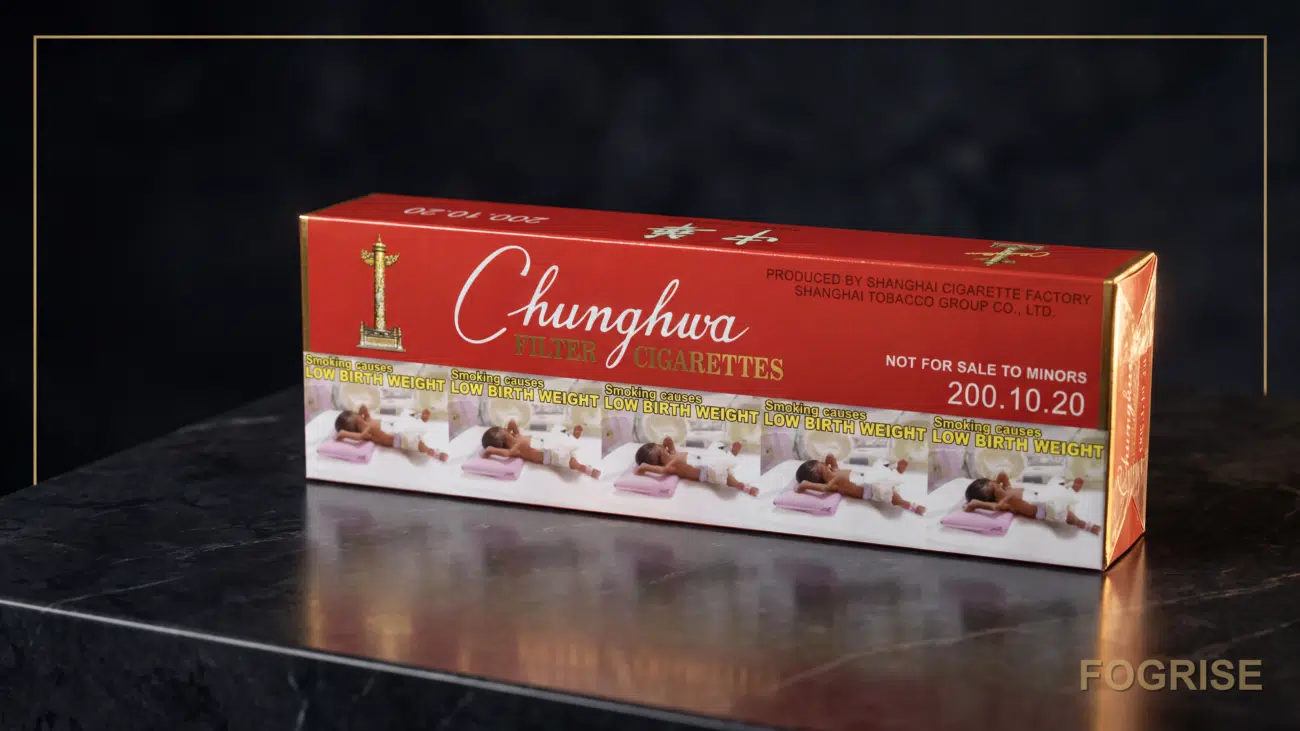
One naming point first. "Chunghwa" and "Zhonghua" are the same brand: Wade-Giles and pinyin romanizations of 中华, produced by Shanghai Tobacco Group under China National Tobacco Corporation. Anyone offering "Chunghwa" and "Zhonghua" as two separate SKUs is telling on themselves. In this section we use "Chunghwa" throughout.
Flagship and Gifting Tier
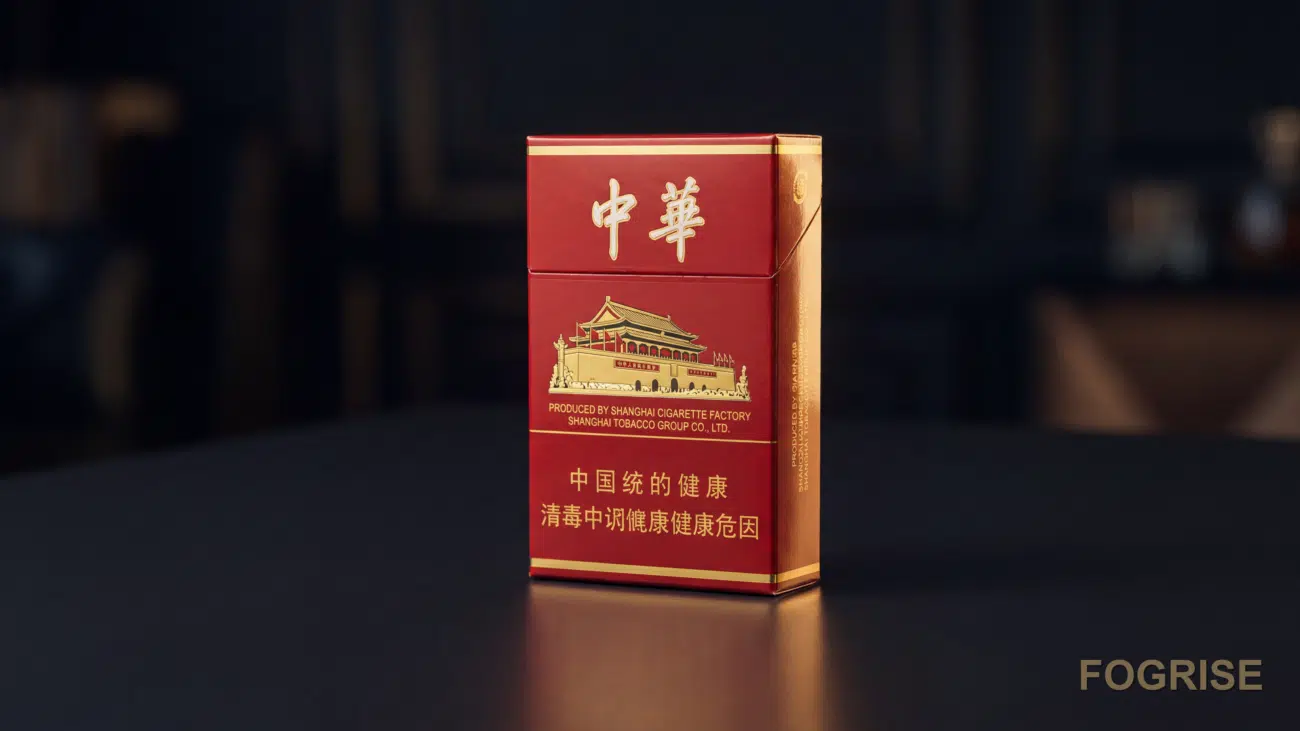
Chunghwa (中华) is the canonical gifting flagship discussed in the section above. Inside mainland China, a standard Chunghwa pack retails across a roughly RMB 50 to more than RMB 100 band depending on grade, positioning it as the country’s status-and-gift cigarette rather than an everyday consumption brand. Its cultural role is status and relationship, not routine smoking. Top-tier positioning is a marketing fact about how a pack is priced and given, and not a claim that the product is smoother, cleaner, safer, or better for the person smoking it. If a Markham chinese cigarettes offer promises Chunghwa well below that China-domestic band, that is a fraud indicator, not a bargain.
Upper-Mid Tier
Furongwang (芙蓉王), from China Tobacco Hunan, sits in the popular upper-tier slot and is widely gifted regionally inside China at roughly RMB 20 per pack. Yuxi (玉溪), from Hongta Group in Yunnan, occupies a business-social upper-mid slot at roughly RMB 20 to RMB 30 per pack in China. Both are recognised names inside the diaspora, and neither is available through any Ontario-stamped retail channel.
Value Tier
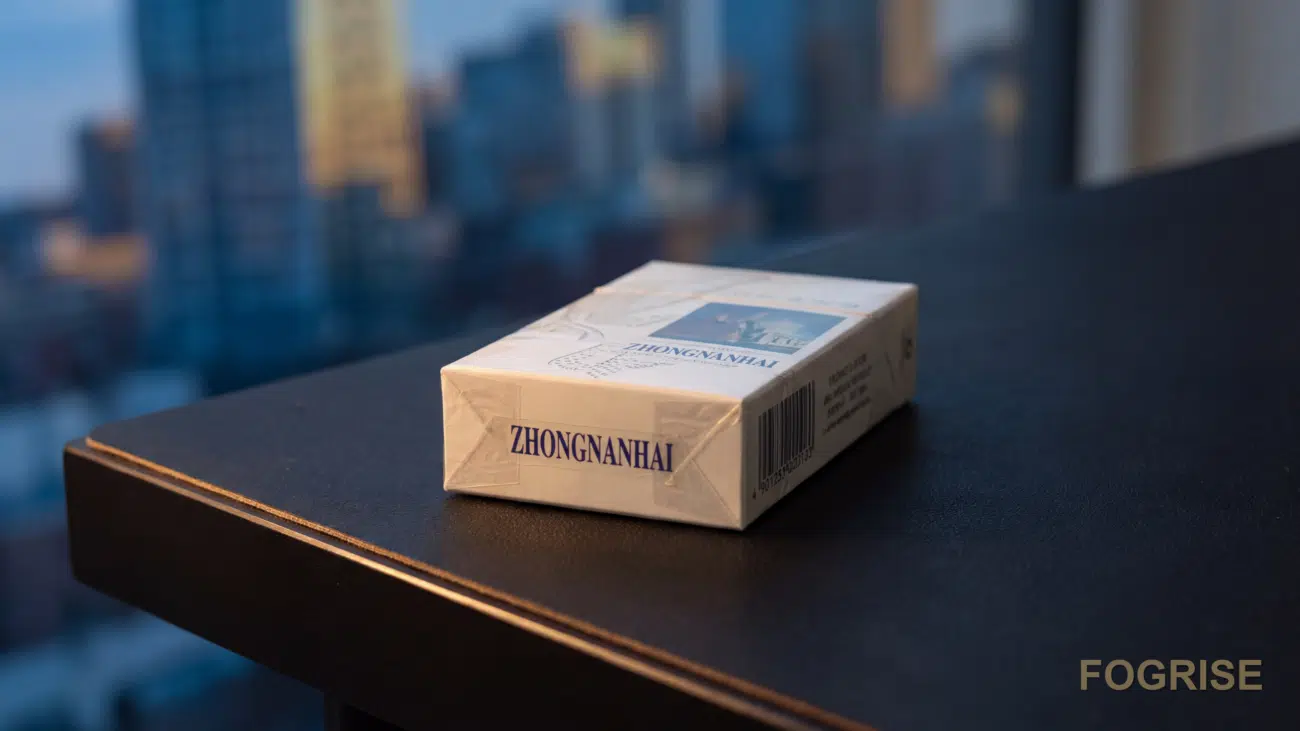
Double Happiness (双喜), produced by Guangdong Tobacco, is the wedding-tradition brand associated with 囍 (double joy) at roughly RMB 10 to RMB 20 per pack in China. Hongtashan (红塔山), another Hongta Group label, is the everyday value workhorse at roughly RMB 10 to RMB 20 per pack in China. Zhongnanhai (中南海), from Beijing Cigarette Factory, is the diaspora-familiar budget-to-mid label at roughly RMB 10 to RMB 15 per pack in China.
| Brand | Chinese name | Producer | Tier |
|---|---|---|---|
| Chunghwa (Zhonghua) | 中华 | Shanghai Tobacco Group (CNTC) | Flagship / gifting |
| Furongwang | 芙蓉王 | China Tobacco Hunan | Upper-mid |
| Yuxi | 玉溪 | Hongta Group (CNTC), Yunnan | Upper-mid |
| Double Happiness | 双喜 | Guangdong Tobacco | Value / wedding |
| Hongtashan | 红塔山 | Hongta Group (CNTC) | Value |
| Zhongnanhai | 中南海 | Beijing Cigarette Factory | Value / budget |
Brand literacy helps a Markham chinese cigarettes buyer read what is actually being offered and where the pricing does not match the story. It does not turn a grey-market pack into a legal purchase, and none of these Markham chinese cigarettes labels changes the underlying harm of the product.
Counterfeits: The Real Risk in a High-Literacy Market
The counterfeit problem is not a generic tobacco story here. It is a Markham story, and the article’s own logic sharpens it. A community that treats a specific pack as the correct gift at Lunar New Year and weddings, has no legal channel that carries it, and can distinguish five top-tier Chinese brands on sight is exactly the community a counterfeiter wants to sell into.
Why Counterfeiters Target Markham-Type Markets
The economics are straightforward. A fake Chunghwa (中华) costs cents to package and can be moved through informal supply at a price that undercuts a duty-paid Canadian pack while still clearing many times its manufacturing cost. Two conditions turn that arithmetic into a live market for Markham Chinese cigarettes. First, gift-shaped demand concentrates buyers on a narrow set of top-tier SKUs, which shortens the counterfeiter’s product line to a handful of names worth faking. Second, the absence of any lawful retail channel for those SKUs in Ontario means every transaction is already off-book: no licensed retailer in the loop, no inspection regime, no return desk. The uncomfortable inversion follows. The people most likely to be defrauded are not casual buyers. They are brand-literate buyers who believe they can tell.
What the Testing Found
Independent laboratory work has tried to separate the fraud question from a contamination question, and the answers do not favour the counterfeit.
Per NIST-published research, laboratory analysis of counterfeit cigarette samples documented elevated concentrations of lead and cadmium relative to authentic reference product. That contaminant profile is attributed to adulterant materials and uncontrolled manufacturing conditions rather than the intrinsic harms of tobacco itself, and it is a fraud signal, not a comparative-safety claim (Zhu et al., 2015).
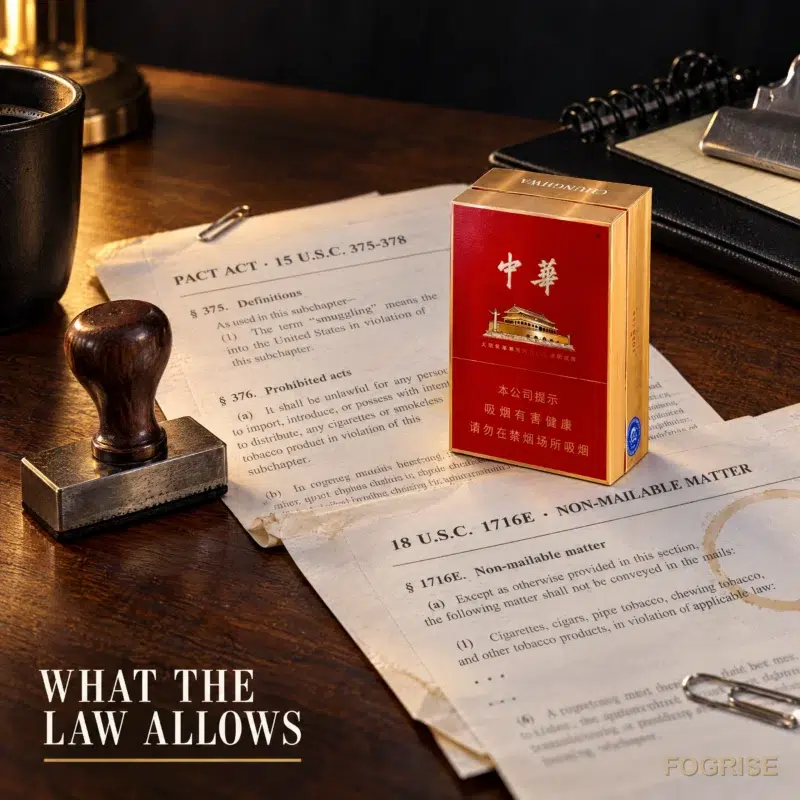
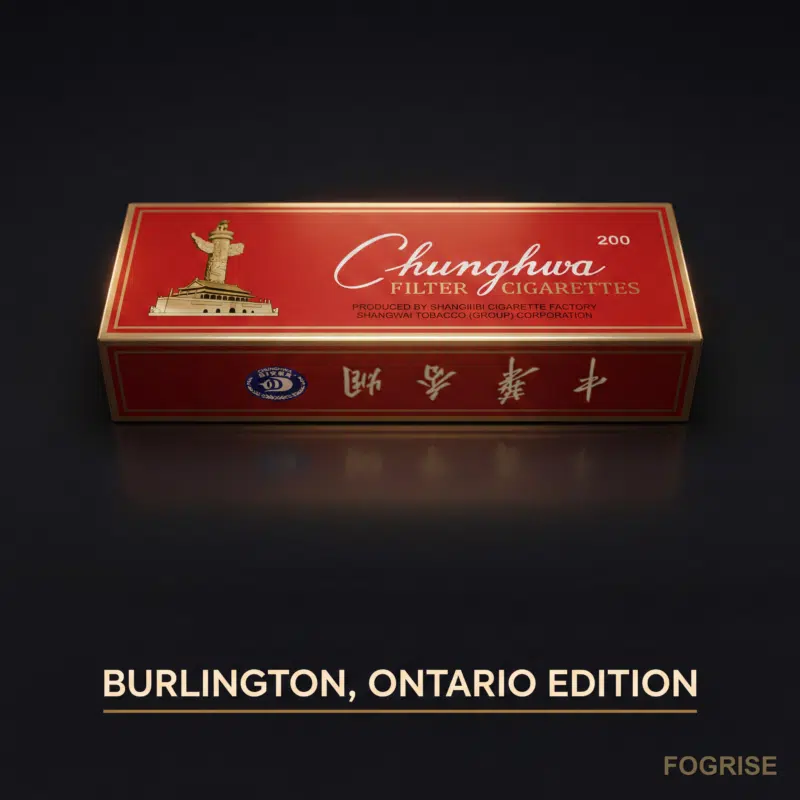
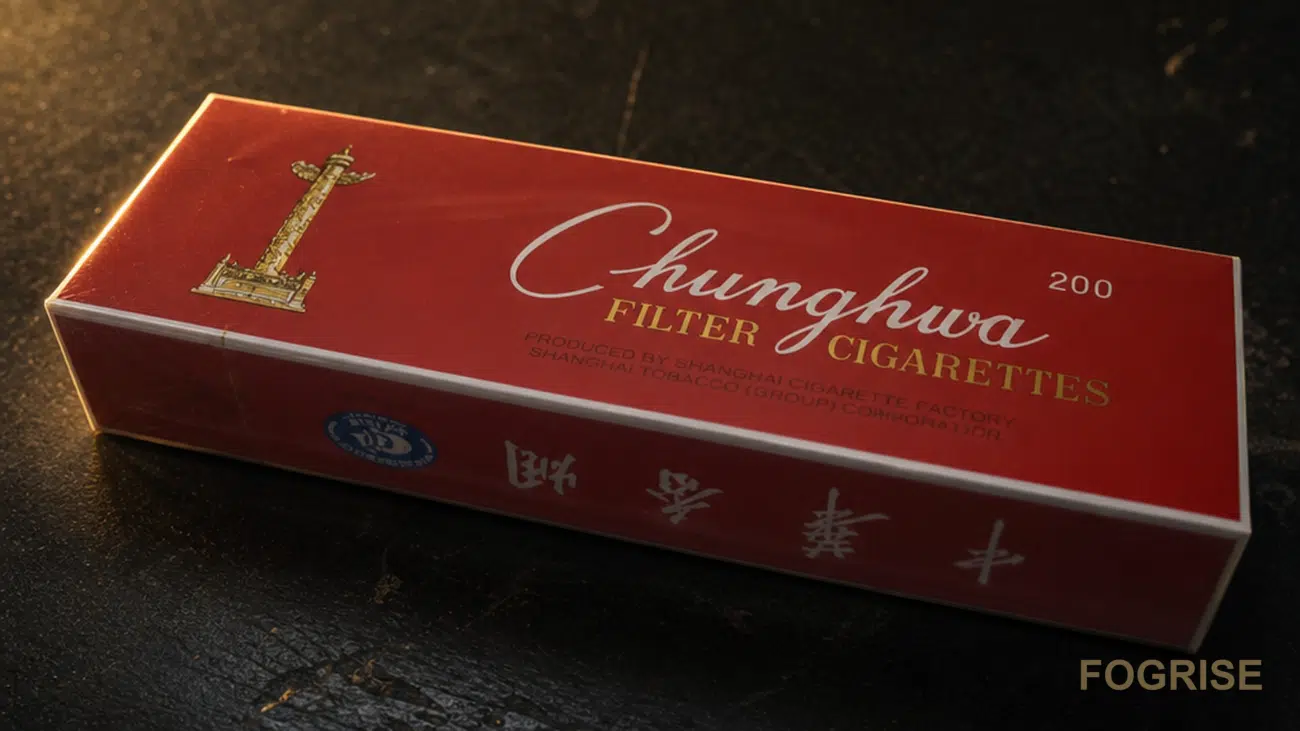
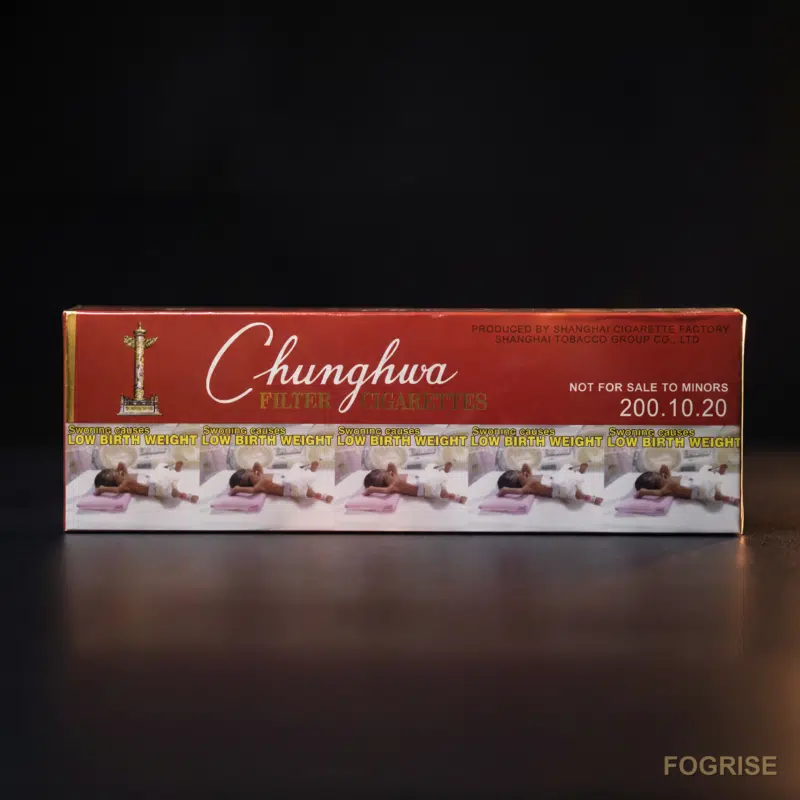
For consumer education, several visible markers appear on genuine packaging: registration quality of printed logos and colour blocks, alignment of hologram foils, laser-etched production and batch codes on the inner cellophane, and the tax stamp corresponding to the pack’s lawful destination market. In Ontario, a genuine mainland-China pack does not carry the Ontario-adapted excise stamp, and that absence is itself the clearest tell that the pack was never destined for lawful Canadian retail (Ontario Ministry of Finance, 2024a).
Authentic Does Not Mean Safe
The finding above is easy to misread. Elevated heavy metals in a counterfeit sample does not make an authentic pack safe, safer, cleaner, or lower risk. Authenticity is a fraud question. Safety is a separate question, and its answer does not move. A genuine Chunghwa is still a cigarette, and cigarette smoking causes cancer, cardiovascular disease, and premature death, and produces a nicotine dependence that most people who develop it do not escape. No verification step, holographic feature, or brand prestige changes that. Anyone weighing Markham Chinese cigarettes should treat authentication as protection against being ripped off, and nothing more.
York Region Enforcement and the Ontario Contraband Picture
Enforcement around Markham Chinese cigarettes is not hypothetical. Two published York Region cases pin the local picture down, and the province’s own contraband guidance sets the framework that applies to any Ontario buyer. Read together, they answer a narrow, honest question: what is actually being seized here, and what that means for someone shopping a grey-market pack.
What York Region Enforcement Has Seized
York Regional Police, working with the RCMP and the Canada Border Services Agency, jointly seized approximately 52,000 cartons of counterfeit Players, Du Maurier, Belmont and Chinese-brand cigarettes worth about $2.8 million in a single York Region operation (YorkRegion.com, 2024a). Chinese-brand product formed part of that inventory, not the whole of it, which matters for scale.
A separate York Region investigation ended with Markham residents charged in connection with a seizure of roughly 4,800 cartons of counterfeit and Chinese cigarettes valued at approximately $345,600 (YorkRegion.com, 2024b). Charges are allegations, not convictions, and the individuals are not named here. Both files were led by named Ontario agencies, and no British Columbia case belongs in this picture. That is what York Region enforcement on Markham Chinese cigarettes actually looks like on the public record.
York Region seizure, at a glance: York Regional Police, the RCMP and the Canada Border Services Agency jointly seized about 52,000 cartons of counterfeit Players, Du Maurier, Belmont and Chinese-brand cigarettes worth roughly $2.8 million in a single York Region operation (YorkRegion.com, 2024a). Chinese-brand product formed part of that inventory, not all of it.
Ontario’s Broader Contraband Picture
Ontario’s own contraband-tobacco guidance publishes a hard-number test rather than a market-share estimate: federal plus provincial tax on a lawful 200-carton totals at least $68.61, and any carton sold below that price is, in the province’s own language, likely illegal (Ontario Ministry of Finance, 2024a). That figure is what the Ministry of Finance uses to distinguish duty-paid product from contraband. The corresponding retailer regime under the Tobacco Tax Act requires a provincial tobacco retail dealer’s permit, treats unmarked cigarettes as subject to seizure and forfeiture, and layers penalties of $200 plus three times the tax on the person handling the product, rising to five times the tax past 10,000 units (Ontario Ministry of Finance, 2024b). Markham Chinese cigarettes without an Ontario-adapted stamp fall on the wrong side of every one of those tests. Research here does not support a province-wide market-share figure, so none is quoted.
The Buyer’s Exposure
The honest bottom line is short. An unstamped pack is legally seizable in Ontario, and the person holding it carries that exposure, not the seller who handed it over. There is no consumer-protection channel to complain to when a grey-market carton turns out to be counterfeit, underweight, adulterated, or simply gone; a receipt for something that could not have been lawfully sold is not a receipt anyone will honour. Every pack of Markham Chinese cigarettes bought outside the excise regime travels with that risk attached. That is the disclosure, plainly stated.
The Real 2026 Price: Ontario’s Tax Stack
Any 2026 price claim about Markham chinese cigarettes needs to be checked against what Ontario itself publishes, not against private arithmetic. The province writes down two numbers a buyer can verify in a single click: a per-cigarette tobacco tax that has not moved since March 2018, and a floor price below which a carton is, in the government’s own words, "likely illegal." Both come from the Ontario Ministry of Finance’s tobacco tax guidance.
Ontario Tobacco Tax
Ontario’s tobacco tax on cigarettes has stood at $0.18475 per cigarette (18.475 cents) since March 29, 2018 (Ontario Ministry of Finance, 2018). On a standard carton of 200, that resolves to CAD 36.95 in provincial tobacco tax alone (Ontario Ministry of Finance, 2018). The rate is fixed by provincial regulation, not by retailer margin, and it applies uniformly to every legal carton lawfully sold in Markham, elsewhere in York Region, and across the province. Federal excise duty stacks on top of that provincial line before any HST is applied.
The Province’s Own Published Floor
The stronger anchor here is not derived arithmetic. It is Ontario’s own contraband-tobacco guidance, which tells consumers directly that federal plus provincial tax on a legal carton of 200 adds up to at least $68.61, and that cartons sold below that price are "likely illegal" (Ontario Ministry of Finance, 2024a). That is the Government of Ontario publishing the tax floor as a consumer-protection line, and telling readers plainly what a below-floor price actually indicates.
Ontario Ministry of Finance, Contraband Tobacco guidance: federal plus provincial tax on a legal carton of 200 cigarettes adds up to at least $68.61 in Ontario, and cartons sold below that price are "likely illegal." That figure is the province’s own published floor, and any offer well beneath it cannot be duty-paid, legally retailed product (Ontario Ministry of Finance, 2024a).
What a Legitimate Carton Costs
Read the stack bottom-up. Ontario tobacco tax on a carton of 200 is verified at CAD 36.95. The province’s published minimum tax-inclusive floor is CAD 68.61, which already combines federal plus provincial tax before HST, wholesale margin, or retailer markup are layered on top. The remaining stack components (federal excise duty and provincial HST) are derived add-ons rather than figures restated here, because doing so would introduce numbers absent from the province’s contraband-tobacco reference.
| Component | CAD per carton of 200 | Note |
|---|---|---|
| Ontario tobacco tax | 36.95 | Verified: $0.18475 per cigarette x 200, unchanged since March 29, 2018 (Ontario Ministry of Finance, 2018) |
| Ontario published minimum legal floor | 68.61 | Verified: Ontario Ministry of Finance contraband-tobacco guidance; combined federal plus provincial tax already included (Ontario Ministry of Finance, 2024a) |
| Federal excise duty | not restated | Derived; Canada Revenue Agency publishes the current rate; already inside the $68.61 floor above |
| Provincial HST | not restated | Derived; applied to the taxed retail price on top of the tax stack |
The payoff for a Markham reader is simple. The tax floor is not opinion, and not any retailer’s arithmetic. It is published by the Government of Ontario, and any offer for Markham chinese cigarettes materially below CAD 68.61 per carton cannot be legal duty-paid product (Ontario Ministry of Finance, 2024a).
Health Reality and Quitting Support in Markham
The Honest Harm Picture
Smoking is harmful and addictive. Every combustible cigarette carries that risk, and no Chinese brand is safer than any other cigarette on any Ontario shelf. Public Health Ontario and Health Canada both classify tobacco smoke as a cause of cancer, cardiovascular disease, and respiratory illness, and neither agency recognizes any category of cigarette, at any tier or price, as safer than another. There is no safe cigarette.
This section has two doors to close, because earlier chapters can leave the wrong impression. The gifting chapter treated Chunghwa as a canonical status gift; a cigarette given as a gift is not a better cigarette. Prestige is social meaning attached to a pack, not a property of the tobacco inside it. Tar rating, price tier, and brand reputation do not change what combustion delivers to the lungs.
The counterfeit chapter is the second door. A pack that clears every authenticity check, verified stamp, verified laser code, verified hologram, is still not a safe pack. NIST research documented elevated lead and cadmium in counterfeit samples (Zhu et al., 2015); that finding is about fraud, not about the authentic product being clean. Authenticity is a fraud question. It is not a safety question.
Where to Get Help in Markham
Adults in Markham who want to stop smoking have several publicly funded options. Smokers’ Helpline, operated by the Canadian Cancer Society, offers free coaching by phone, by text message, and over web chat. Health811, Ontario’s provincial health-information line, connects callers to local cessation services. York Region Public Health, the region’s municipal health unit, runs its own cessation programming for York Region residents. None of these services is commercial. None sells a product, and none is Fogrise.
Age floor: Ontario’s minimum legal age to buy tobacco is 19 under the Smoke-Free Ontario Act, 2017, while xiangyandd applies a stricter 21-and-over policy. Adults over both thresholds are the only audience for anything on this page; nobody under either should be reading this article about Chinese cigarettes in Markham as a shopping guide (Smoke-Free Ontario Act, 2017).
Frequently Asked Questions
Are cigarettes sold at Pacific Mall in Markham?
No. Pacific Mall opened in 1997 at Steeles Avenue East and Kennedy Road and is one of the largest Chinese indoor shopping centres in North America, yet the same Ontario rules apply inside it as anywhere else in the province. Every cigarette lawfully sold in Ontario must bear an Ontario-adapted excise stamp, and the seller must hold a tobacco retail dealer’s permit under the Tobacco Tax Act (Ontario Ministry of Finance, 2024a). A mainland-China pack does not carry that stamp.
Why are Chinese cigarettes not sold in Ontario stores?
Because of a stamp, not a shortage of interest. Ontario’s Tobacco Tax Act requires every cigarette sold in the province to carry an Ontario-adapted federal excise stamp, and the retailer must hold a provincial tobacco retail dealer’s permit (Ontario Ministry of Finance, 2024a). A genuine mainland pack of Chunghwa or Yuxi carries a Chinese tax marking, not the Ontario version. That single missing marker closes the legal retail channel. Diaspora density and cultural demand do not change the requirement.
What are Chinese cigarettes called?
Individual brand names, not a category label. The most recognised is Chunghwa (Chinese: 中华; pinyin: Zhōnghuá), made by Shanghai Tobacco Group under China National Tobacco Corporation. "Chunghwa" and "Zhonghua" are two romanizations of the same brand, not two products. Other familiar names include Yuxi (玉溪), Furongwang (芙蓉王), Hongtashan (红塔山), Double Happiness (双喜), and Zhongnanhai (中南海). In Mandarin, cigarettes are 香烟 (xiāngyān).
Which are the best-known Chinese cigarettes?
Recognition is not endorsement. The most widely recognised Chinese cigarette brand is Chunghwa, which sits in the flagship and gifting tier in mainland China. Other well-known names include Yuxi, associated with business-social use, Furongwang, widely gifted regionally, Double Happiness, traditional at weddings, and the more everyday Hongtashan and Zhongnanhai. "Best-known" reflects cultural role and market share, not a xiangyandd quality endorsement. No brand is a "best" cigarette.
Are Chinese cigarettes high quality?
In the Chinese market, "quality" usually describes price tier and social positioning rather than safety. Chunghwa sits in the flagship and gifting tier, with mainland retail typically in the 50 to 100+ RMB range per pack; Yuxi and Furongwang sit in the upper-mid band. Positioning reflects packaging, price band, and cultural role, not reduced harm. A top-tier cigarette is not a safer cigarette. Every tier still contains a combustion product that is harmful and addictive.
Is it legal to buy cigarettes from First Nations reserves in Ontario?
The exemption is narrower than buyers often assume, and this is not legal advice. Ontario’s Tobacco Tax Act limits the on-reserve unmarked-cigarette exemption to status Indians purchasing on-reserve for personal use (Ontario Ministry of Finance, 2024a). A non-status purchaser who buys unmarked cigarettes anywhere in Ontario is subject to seizure and forfeiture plus penalties of $200 plus three times the tax (Ontario Ministry of Finance, 2024a). Verify with the Ontario Ministry of Finance.
What is the Ontario tobacco tax on a pack in 2026?
Ontario’s tobacco tax on cigarettes is $0.18475 per cigarette, or 18.475 cents, unchanged since March 29, 2018 (Ontario Ministry of Finance, 2018). That works out to $3.695 in Ontario tax on a pack of 20 and CAD 36.95 on a carton of 200. Federal excise duty from the Canada Revenue Agency is applied on top, then 13% HST. Ontario’s own contraband-tobacco guidance says federal plus provincial tax on a legal carton adds up to at least CAD 68.61 (Ontario Ministry of Finance, 2024a).
How can you tell if a Chunghwa pack is counterfeit?
Authenticity is a fraud question, not a safety question. Genuine packs from Shanghai Tobacco Group carry consistent multi-colour printing with tight registration, a laser-etched production code, and a Chinese tax marking. NIST-published research documented elevated lead and cadmium content in counterfeit cigarette samples (Zhu et al., 2015), an adulterant issue separate from the underlying harm of tobacco itself. A genuine pack still lacks the Ontario-adapted excise stamp and cannot be legally retailed in Ontario; a genuine cigarette is still harmful and still addictive.
Why is Chunghwa given as a gift?
Peer-reviewed research (Wu et al., 2022, Tobacco Induced Diseases) documents cigarette gifting (送烟) as a socially embedded practice in China, with flagship packs like Chunghwa exchanged at Lunar New Year, weddings, and in business etiquette as status and relationship signals (Wu et al., 2022). Reported here as documented custom, not as endorsement or encouragement. Prestige describes social positioning, not safety. A Lunar New Year gift box still contains a harmful, addictive combustion product.
Are Chinese cigarettes safer than Canadian ones?
No. There is no safe cigarette, and no Chinese brand is safer than a Canadian brand or vice versa. Price tier, packaging prestige, "milder" tar and nicotine labels, gifting status, and even verified authenticity do not reduce the combustion products a smoker inhales or the addiction risk. Whether a pack originates in Shanghai or Toronto, the underlying health profile is not meaningfully different. Anyone in Markham who wants to stop can contact the Canadian Cancer Society’s Smokers’ Helpline, a free provincial cessation service.
Conclusion
The paradox is not that Markham lacks demand. The city has the highest Chinese-origin share of any large Canadian city at 43.3% (Statistics Canada, 2022), with a mature retail spine at Pacific Mall and the Highway 7 corridor and a population fluent in brand cues that a Toronto or Ottawa reader may never notice. And yet none of that opens a legal channel for a Chunghwa pack. The binding constraint was never demand. It is a single missing marker: the Ontario-adapted excise stamp that the Tobacco Tax Act requires on every cigarette lawfully sold in this province (Ontario Ministry of Finance, 2024a). Density did not repeal the stamp.
Three threads meet at that stamp. Gifting culture explains why the question persists in a city that already knows the brand vocabulary (Wu et al., 2022). The counterfeit economy, sharpened by top-tier demand and unstamped supply, explains why the risk is material as well as legal (Zhu et al., 2015). And the province’s own published tax floor of CAD 68.61 per carton (Ontario Ministry of Finance, 2024a) explains what a below-floor offer really is: not a bargain, but a fraud that the buyer carries.
Smoking is harmful and addictive at every price tier and every brand. Adults are 21+ under xiangyandd’s editorial floor, above Ontario’s legal age of 19 (Smoke-Free Ontario Act, 2017). Verify local law before any purchase decision, and treat this article as informational context, not legal or medical advice.
References
- Statistics Canada. (2022). Focus on Geography Series, 2021 Census of Population: Markham, City (Census subdivision), Ontario. Statistics Canada. https://www12.statcan.gc.ca/census-recensement/2021/as-sa/fogs-spg/page.cfm?lang=E&topic=1&dguid=2021A00053519036
- Ontario Ministry of Finance. (2018). Tobacco tax: Tobacco tax rate increases. Government of Ontario. https://www.ontario.ca/document/tobacco-tax/tobacco-tax-rate-increases
- Ontario Ministry of Finance. (2024). Tobacco tax: Contraband tobacco. Government of Ontario. https://www.ontario.ca/document/tobacco-tax/contraband-tobacco
- Ontario Ministry of Finance. (2024). Tobacco tax: Basic rules for tobacco retail dealers. Government of Ontario. https://www.ontario.ca/document/tobacco-tax/basic-rules-tobacco-retail-dealers
- Smoke-Free Ontario Act, 2017, S.O. 2017, c. 26, Sched. 3. Government of Ontario. https://www.ontario.ca/laws/statute/17s26
- Wu, D., Jiao, G., Hu, H., Zhang, L., Huang, L., & Jiang, S. (2022). Cigarette sharing and gifting in China: Patterns, associated factors, and behavioral outcomes. Tobacco Induced Diseases, 20, 15. https://doi.org/10.18332/tid/144054
- Mao, A., Bottorff, J. L., Oliffe, J. L., Sarbit, G., & Kelly, M. T. (2017). Chinese immigrant men smokers’ sources of cigarettes in Canada: A qualitative study. Tobacco Induced Diseases, 15(1), 15. https://doi.org/10.1186/s12971-017-0123-1
- Zhu, R., Fan, Z., Yu, L., Huang, F., Jin, Y., Cheng, R., Yan, X., & Cao, Z. (2015). Investigation of lead and cadmium in counterfeit cigarettes seized in the United States. Food and Chemical Toxicology, 82, 32-37. https://doi.org/10.1016/j.fct.2015.04.017
- YorkRegion.com. (2024). Cops seize $2.8M worth of contraband smokes, York men charged. YorkRegion.com. https://www.yorkregion.com/news/cops-seize-2-8m-worth-of-contraband-smokes-york-men-charged/article_6061c588-1c49-53f0-968f-3b671d8bd2e7.html
- YorkRegion.com. (2024). Markham men charged as cops bust counterfeit cigarette ring. YorkRegion.com. https://www.yorkregion.com/news/markham-men-charged-as-cops-bust-counterfeit-cigarette-ring/article_35a0d577-a853-5dd7-a8e3-4ff39ff65ae3.html
Last reviewed and updated: July 2026. Author: xiangyandd editorial team. Adults 21+ only. Smoking is harmful; verify your local laws before purchase. Questions? contact our team.

 English (US)
 简体中文
 Deutsch
 Français
 Español