

Blog
Chinese Cigarettes in Richmond Hill: Brands & 2026 Law

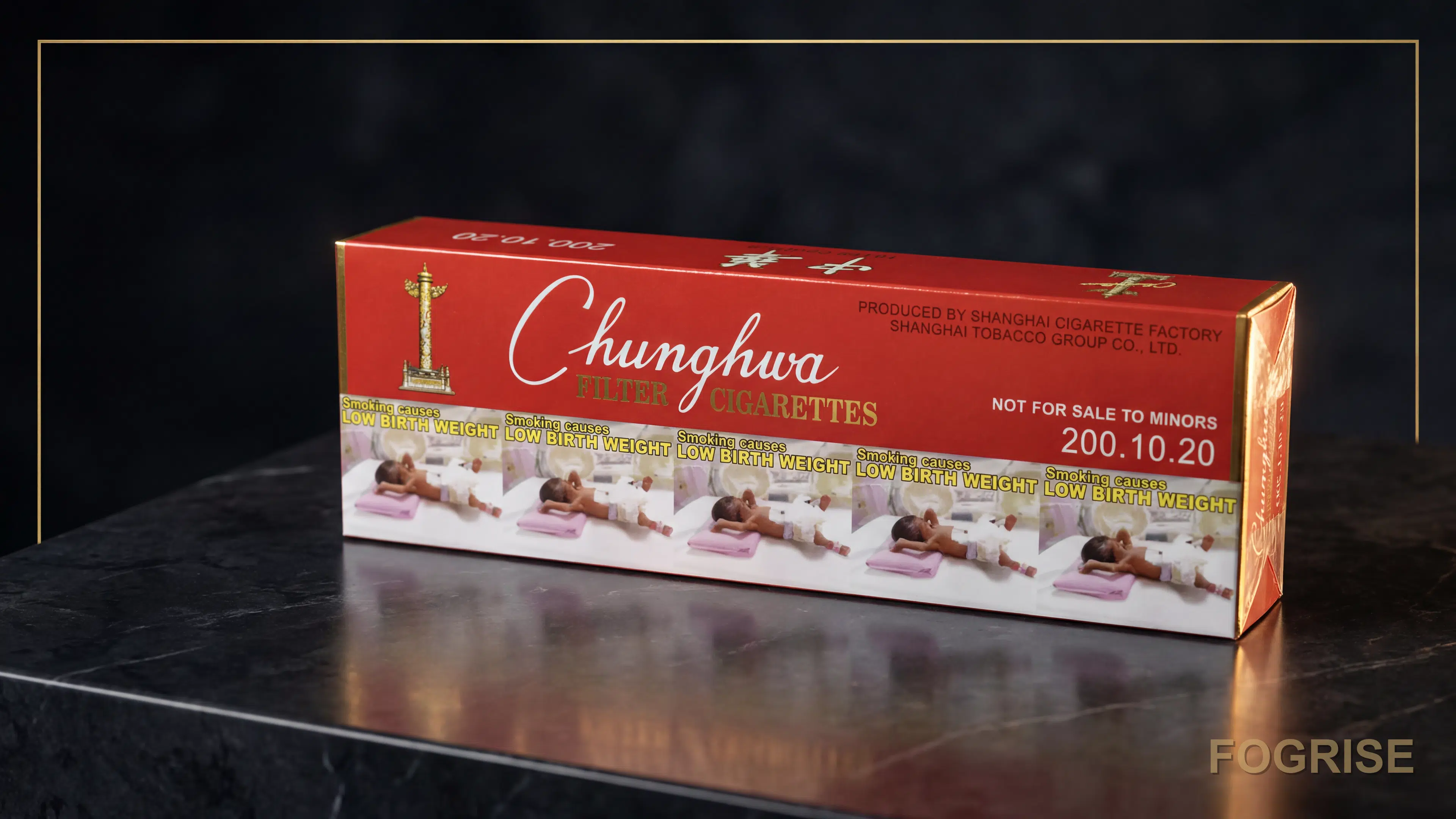
TL;DR
Richmond Hill has at least three real Yonge Street tobacco shops — but federal plain-packaging law (SOR/2019-107) and Ontario’s excise-stamp requirement mean none of them can lawfully sell a genuine, unstamped mainland-China cigarette pack.
Abstract
Richmond Hill, Ontario, Canada (York Region, Greater Toronto Area) is not Richmond, British Columbia (a separate, even more Chinese-concentrated city near Vancouver), and not Richmond, Virginia. That precision matters because Richmond Hill chinese cigarettes is a search made almost exclusively by residents of one of the three. With a 2021 Census population of 202,022 and 28.5% Chinese ethnic origin, or roughly 57,305 people (Statistics Canada, 2022), Richmond Hill is the first city in this series to host a genuine multi-shop specialty tobacconist corridor, with at least three findable retailers along Yonge Street. More storefronts do not change the legal answer. Federal plain-packaging law and provincial excise stamping mean no shop can lawfully sell a genuine unstamped mainland-China pack.
The reader assumed here is an adult 21 or older living in Richmond Hill or the wider York Region. Sections ahead cover the real Yonge Street corridor, brand realities under Canadian law, tax and personal-exemption math, legal age and enforcement, counterfeit risk, and Richmond Hill’s Chinese-Canadian community.
Note: Adults 21 and older only. Smoking is harmful and addictive. Tobacco laws vary by country, province, and state, so verify local regulations before buying, carrying, or importing. This article is informational, not legal or medical advice.
Key Takeaways
- Three Yonge Street tobacconists serve Richmond Hill directly, giving buyers more real retail options than most cities in this series.
- Federal plain-packaging law (SOR/2019-107) and Ontario’s excise stamp together keep every legal shelf in the city looking virtually identical (Government of Canada, 2019).
- CBSA’s personal-import exemption (5 units, or 1,000 cigarettes maximum) is the only lawful route to a genuine China-market pack (Canada Border Services Agency, 2015).
- 28.5% Chinese ethnic origin, or roughly 57,305 residents, with one of the GTA’s higher average household incomes near $134,000 (Statistics Canada, 2022).
- No cigarette sold in China is safer than international brands, according to peer-reviewed research on the country’s tobacco (O’Connor et al., 2010).
- Counterfeit Chunghwa packs are documented across the market. Authenticity, even when confirmed, is not the same thing as safety (Marshall, 2018).
- Smoking is harmful and addictive regardless of brand or country of origin, so verify local law before you buy.
Table of Contents
- Abstract
- Key Takeaways
- Chinese Cigarette Brands Richmond Hill Buyers Search For
- The Yonge Street Tobacconist Corridor
- Why Plain-Packaging Law and Excise Stamping Keep Every Shelf the Same
- CBSA Personal Exemption and Import Rules for York Region Buyers
- Ontario and Federal Tobacco Tax in 2026
- Legal Age, Retail Licensing, and Enforcement in York Region
- Spotting counterfeit Chinese cigarette packs
- Richmond Hill’s Chinese-Canadian Community
- Frequently Asked Questions
- Conclusion
- References
Chinese Cigarette Brands Richmond Hill Buyers Search For
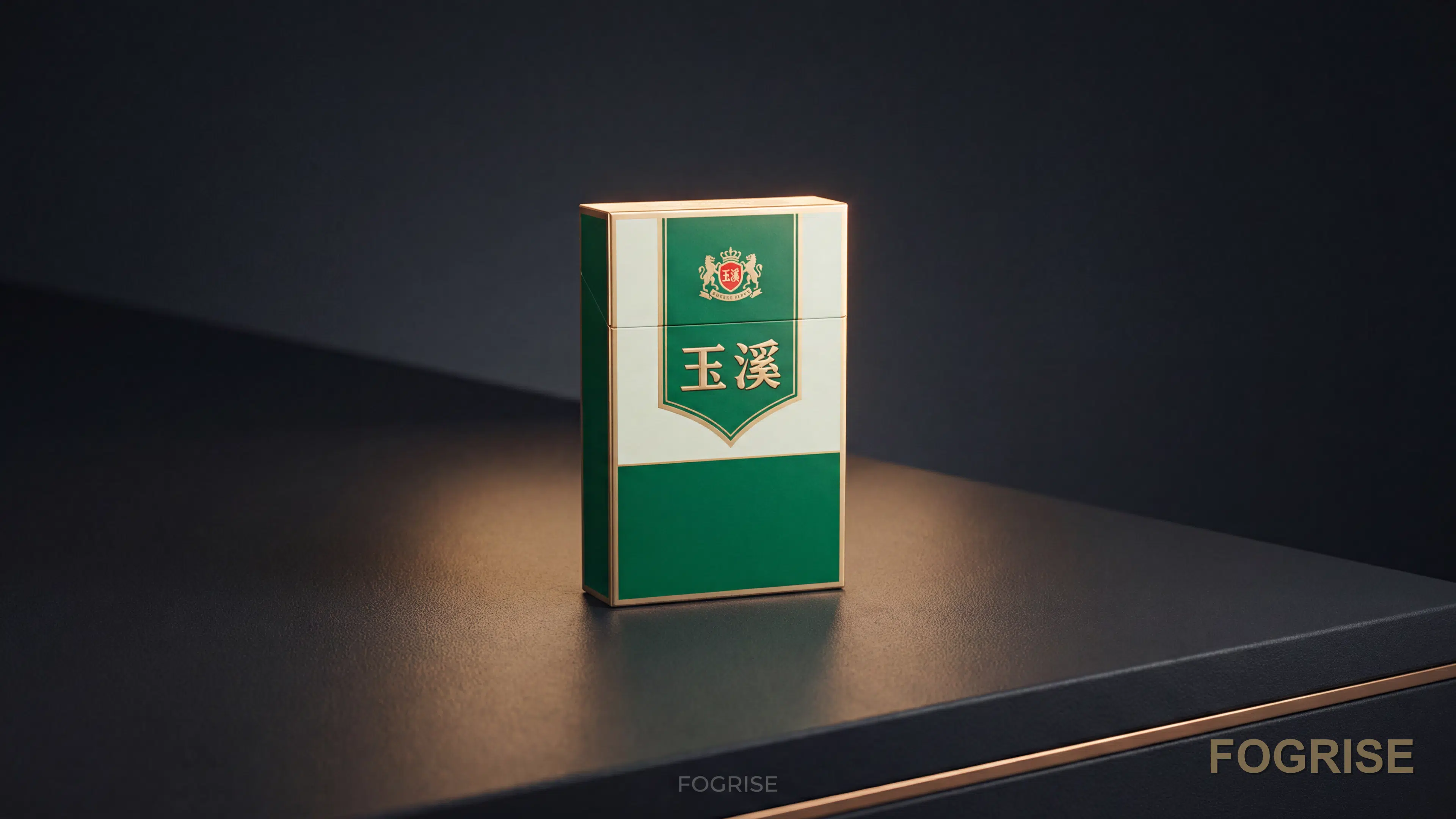
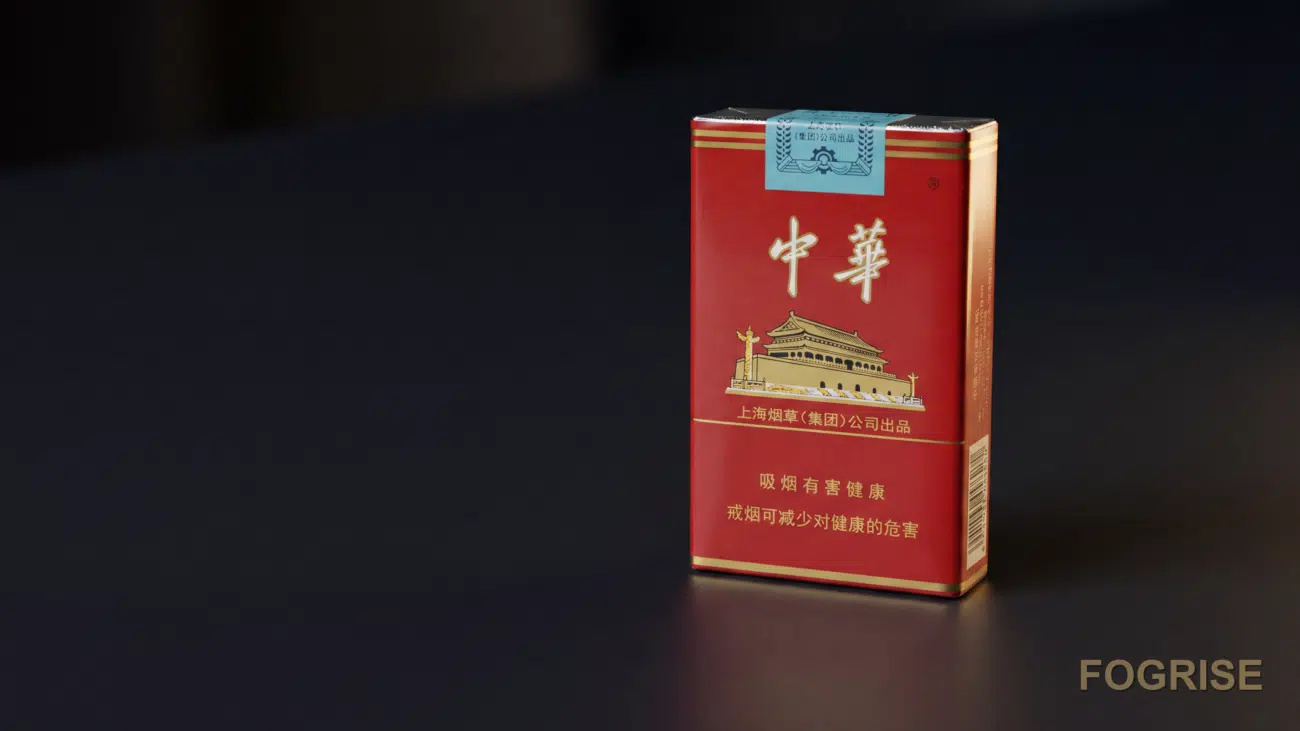
9 documented Chinese cigarette brands anchor Richmond Hill Chinese cigarettes demand as of 2026: Chunghwa (中華), Panda (熊猫), Yuxi (玉溪), Furongwang (芙蓉王), Hongtashan (红塔山), Huanghelou (黄鹤楼), Nanjing (南京), Double Happiness (双喜), and Zhongnanhai (中南海). Every one is produced by a provincial subsidiary of the China National Tobacco Corporation, the state monopoly that controls domestic manufacture (O’Connor et al., 2010).
| Brand | Chinese | Producer | Tier | Positioning |
|---|---|---|---|---|
| Chunghwa | 中華 | Shanghai Tobacco Group | Prestige, gifting | Business-gift flagship, gold-and-red heritage pack |
| Panda | 熊猫 | Shanghai Tobacco Group | Prestige, gifting | Historic prestige label, low distribution |
| Yuxi | 玉溪 | Hongta Group (Yunnan) | Mainstream premium | Yunnan-blend everyday premium |
| Furongwang | 芙蓉王 | China Tobacco Hunan | Mainstream premium | Southern-China everyday premium |
| Huanghelou | 黄鹤楼 | China Tobacco Hubei | Mainstream | Wuhan heritage blend |
| Hongtashan | 红塔山 | Hongta Group (Yunnan) | Mainstream | Long-running Yunnan mainstream |
| Nanjing | 南京 | China Tobacco Jiangsu | Mainstream | Jiangsu regional mainstream |
| Double Happiness | 双喜 | Shanghai Tobacco Group | Mainstream | Wedding, celebratory blend |
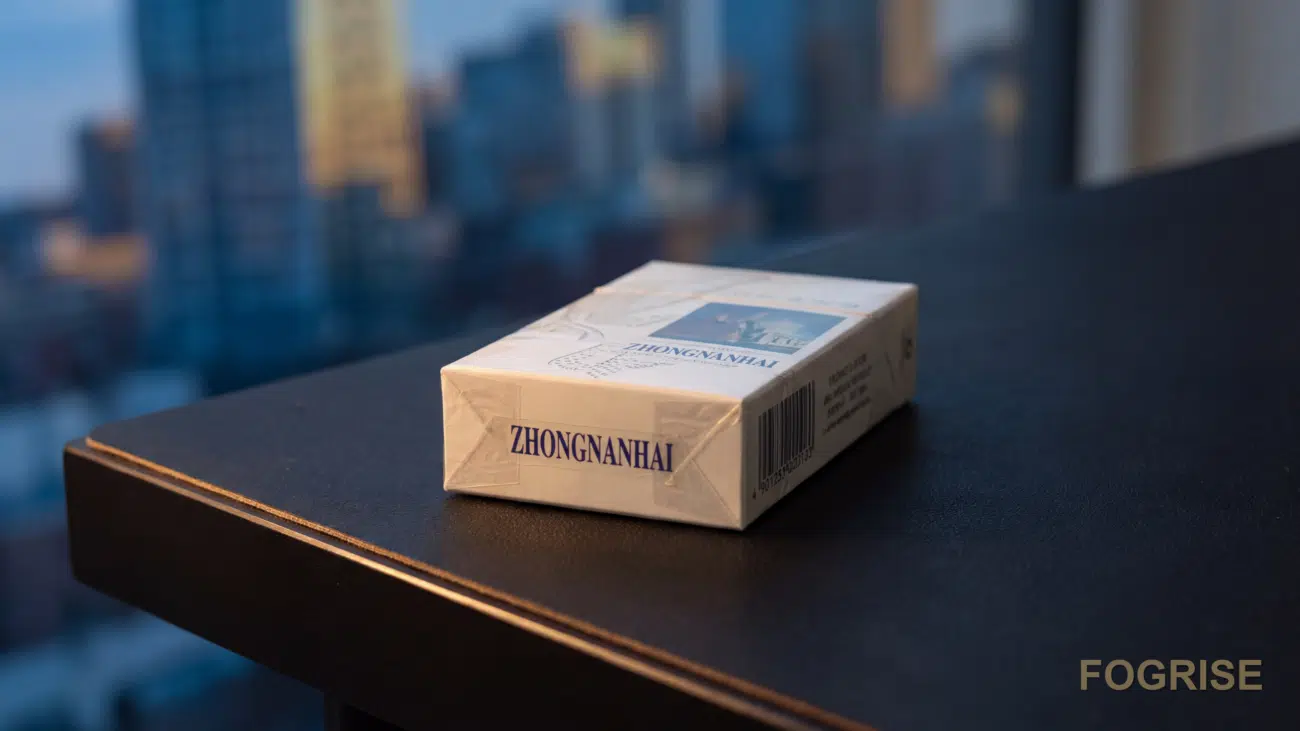
| Zhongnanhai | 中南海 | Beijing Cigarette Factory | Lower-tar | Reduced-tar variants for switchers |
Beyond the roster, three things deserve upfront framing. Producers are state factories, not private brands. Blends read as lightly sweetened compared to most Canadian or American cigarettes. And there is no objectively "best" Chinese cigarette; the ranking a buyer hears reflects taste, region, and gifting convention rather than a competitive league table.
Premium and Gifting Tier
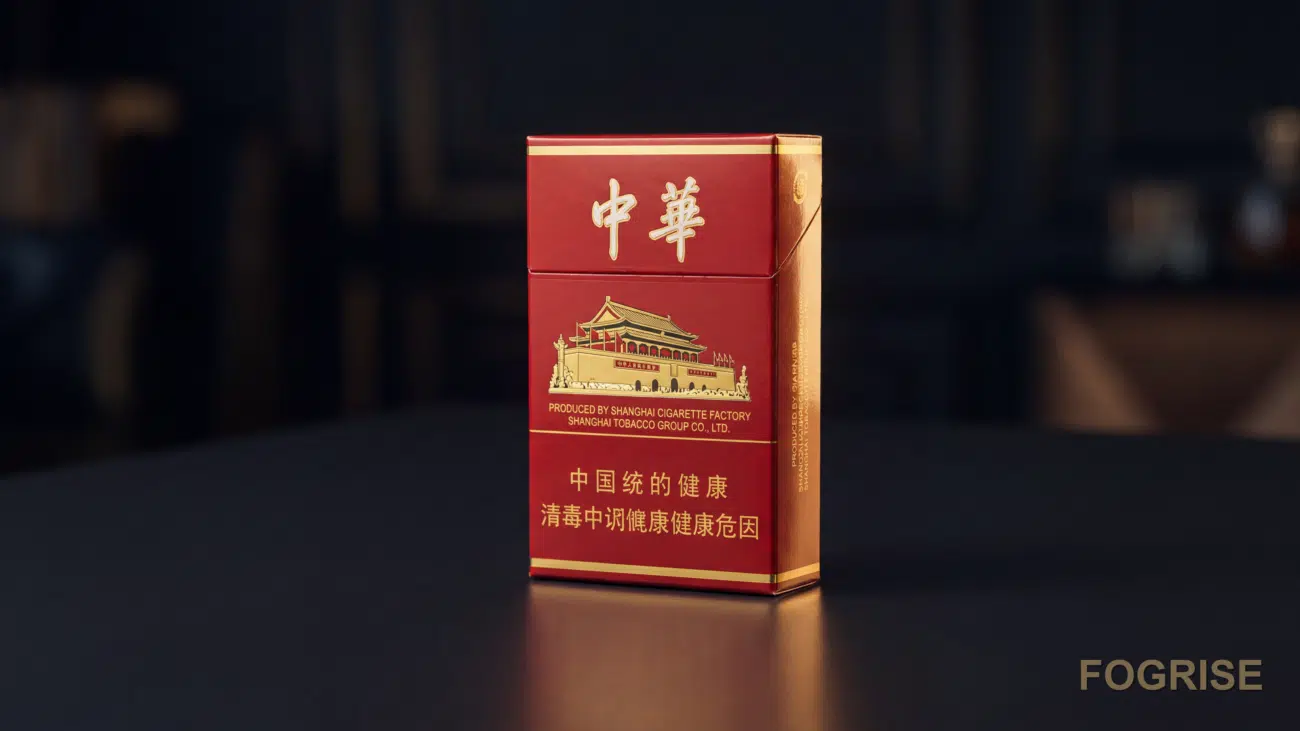
At the top of the Richmond Hill Chinese cigarettes wish-list sits Chunghwa, the widely recognized prestige label built around traditional Chinese business and hospitality gifting culture. Panda sits alongside it as a smaller-volume prestige option carrying older historical associations, though it is far less distributed in overseas channels. Yuxi and Furongwang occupy the mainstream-premium band that most buyers request by name when Chunghwa is out of reach; both read as everyday-premium blends rather than gifting flagships. A pack of Chunghwa handed across a dinner table still carries hosting weight in a way no Canadian brand parallels.
Mainstream and Lower-Tar Tiers
Mainstream demand in the category covers Hongtashan, Huanghelou, Nanjing, and Double Happiness. These are the daily-driver blends across most of urban China, and their share of Richmond Hill Chinese cigarettes searches skews toward long-time smokers who prefer a familiar mainland recipe over a domestic Canadian equivalent. Double Happiness (双喜) doubles as the traditional wedding cigarette, which explains its spikes around Chinese New Year and family celebrations. Zhongnanhai is the standard answer for buyers who explicitly want a lower-tar option, and the Beijing Cigarette Factory produces several reduced-tar variants inside that brand family.
Romanization Note: Chunghwa = Zhonghua = 中華
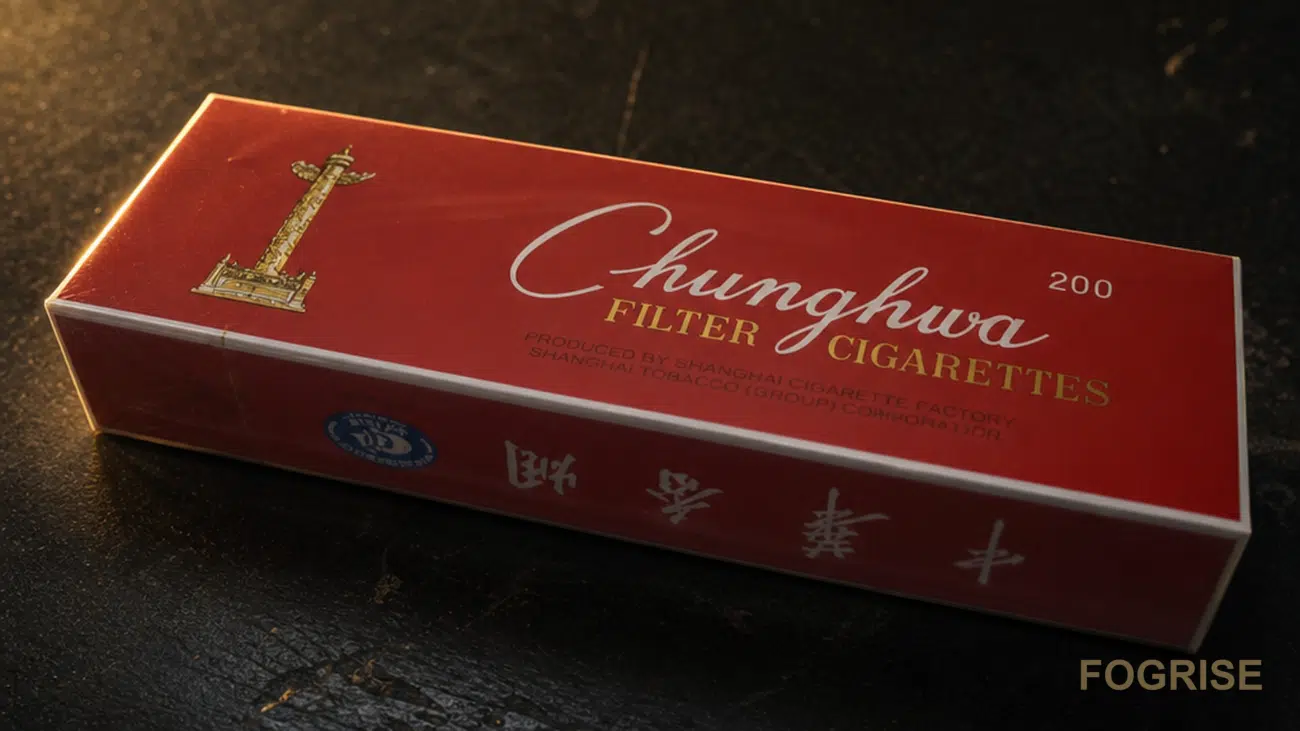
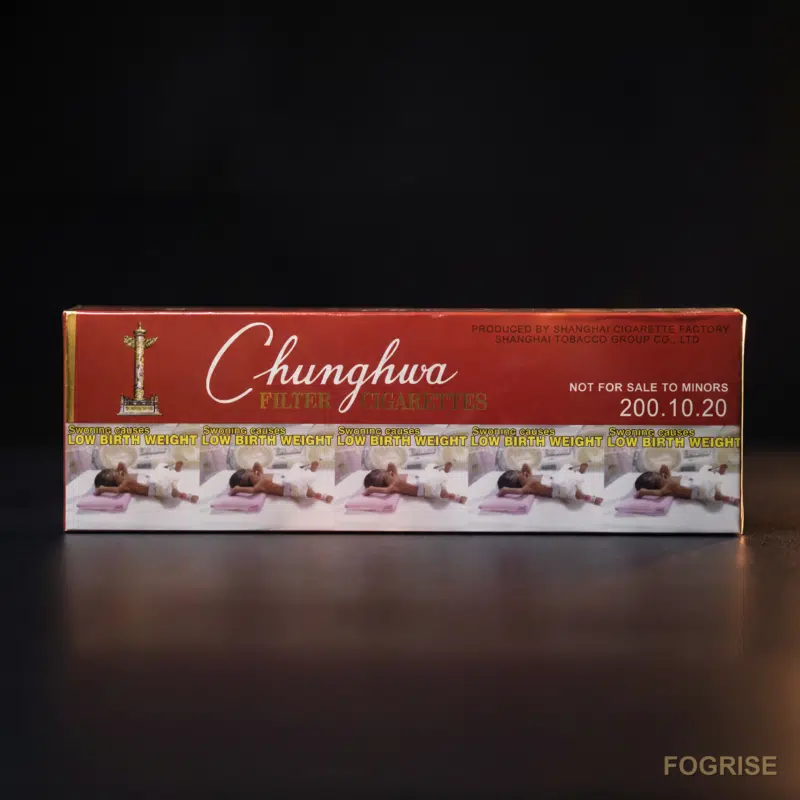
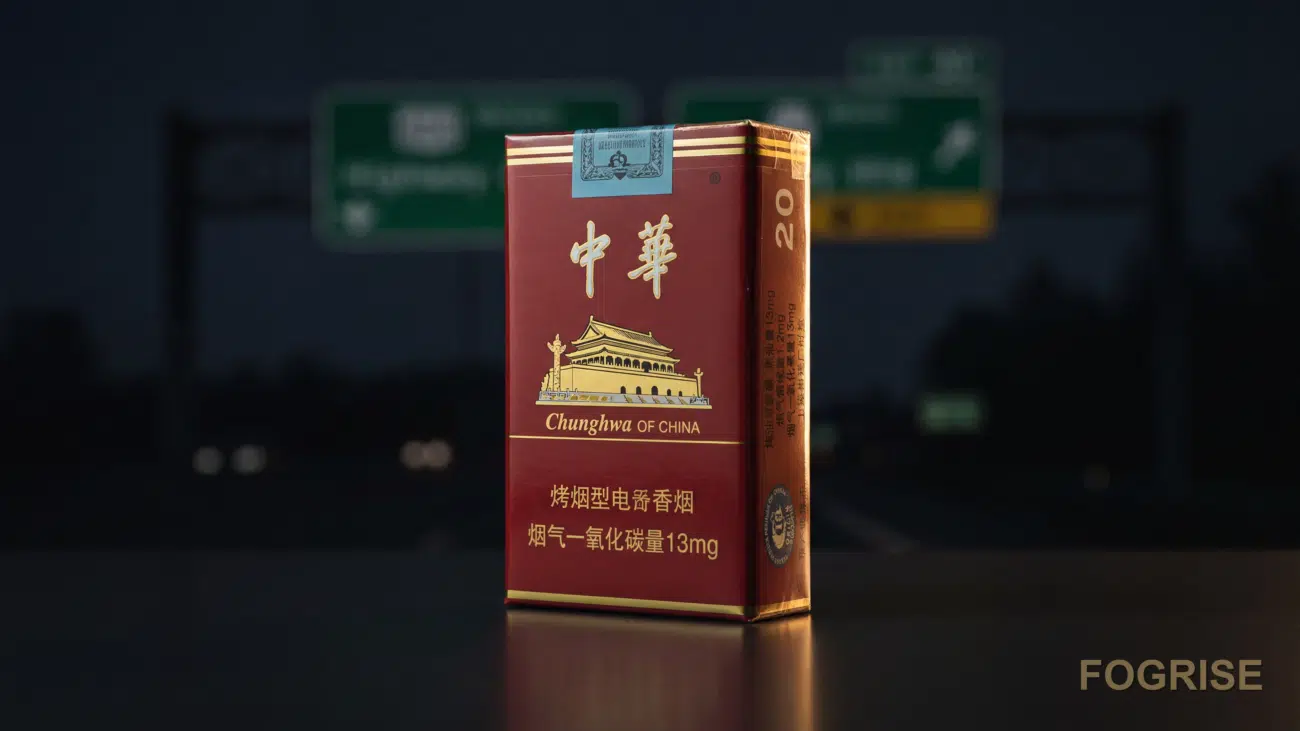
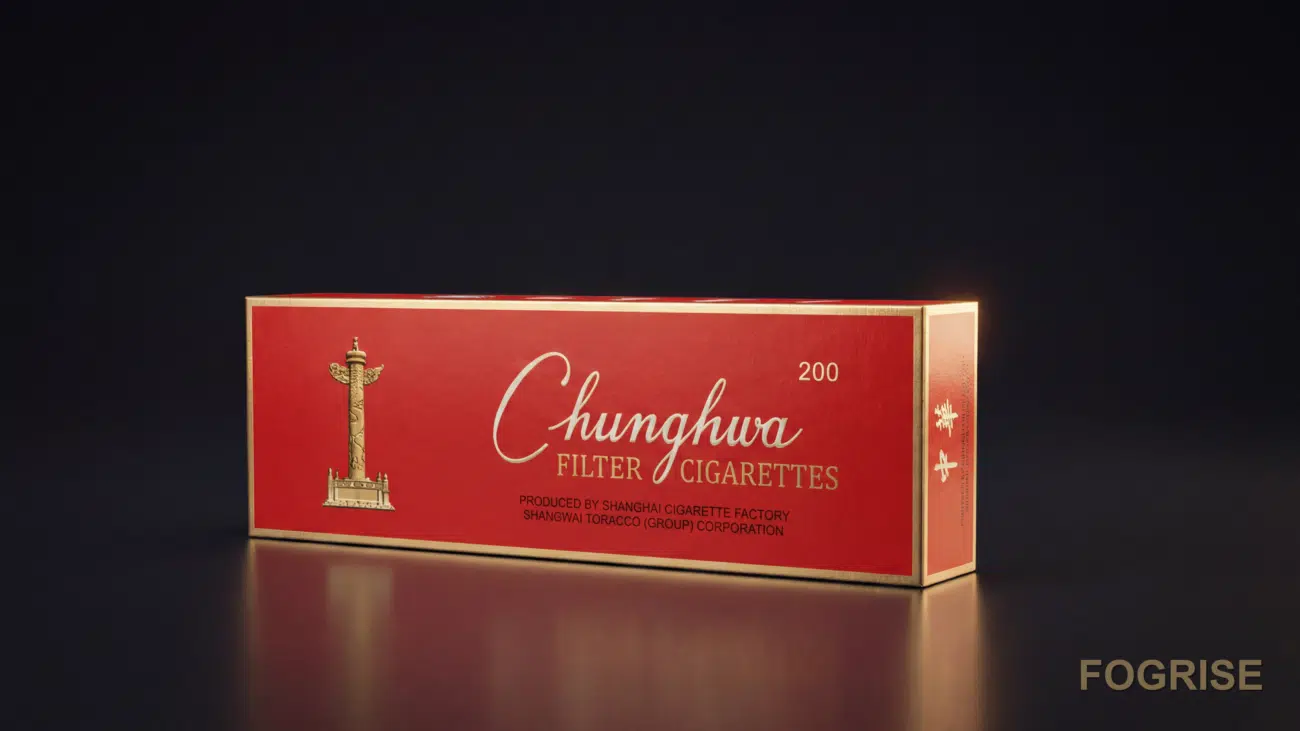
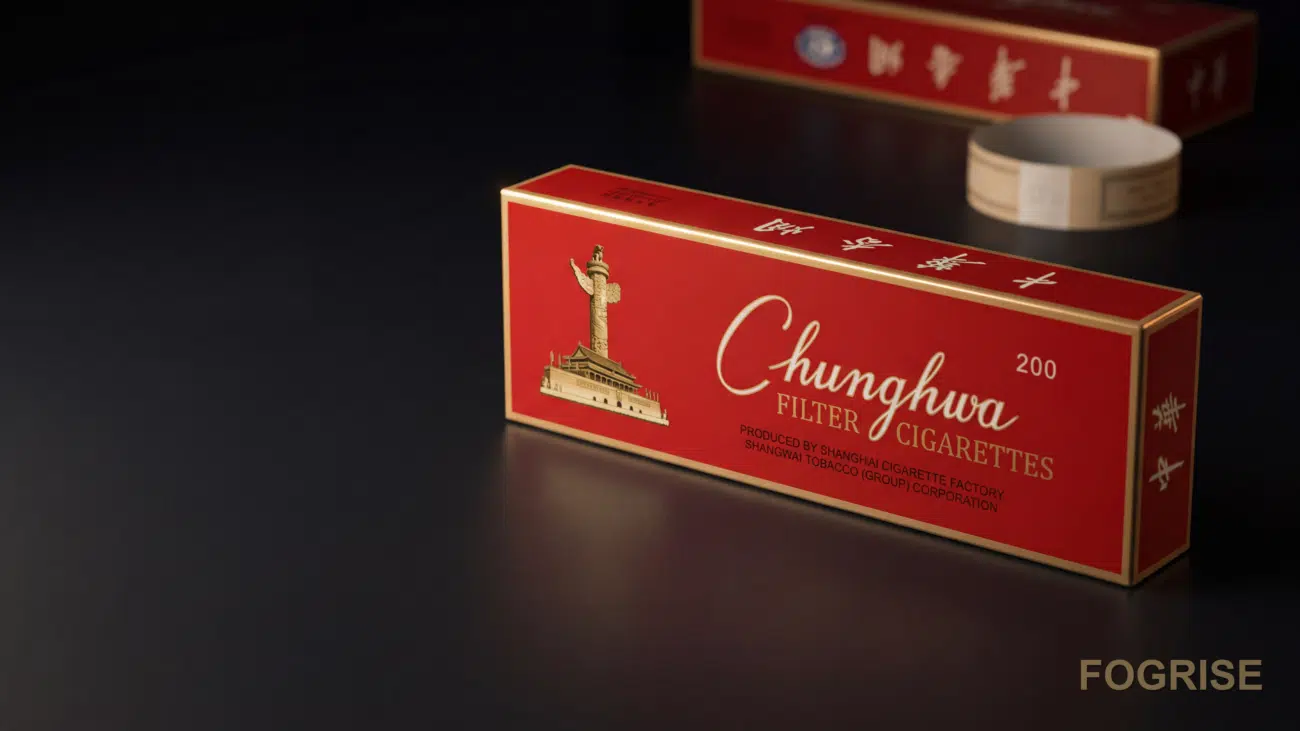
One brand, three spellings, endless confusion at the counter. Chunghwa (Wade-Giles romanization, printed on the export pack), Zhonghua (Hanyu Pinyin, used on mainland listings), and 中華 (traditional characters) all point to the same Shanghai Tobacco Group flagship. Google searches for Richmond Hill Chinese cigarettes split traffic across every variant, which is why tobacconist inventory listings benefit from indexing all three at once. Nothing else in the roster fragments this way. If a buyer asks for Zhonghua at a Richmond Hill counter, hand them a Chunghwa pack.
The Yonge Street Tobacconist Corridor
Richmond Hill hosts three specialty tobacco storefronts on the Yonge Street corridor, including a listing for King Cigar Plus at 13071 Yonge Street in Richmond Hill, Ontario. That storefront density is unusual across this Ontario city series. It does not change the legal answer for Richmond Hill chinese cigarettes, which stays fixed by federal and provincial law.
Three Real Shops on Yonge Street
Business-directory research surfaces three tobacco-focused storefronts operating in Richmond Hill: Havana Castle, King Cigar Plus at 13071 Yonge Street, and Royal Cigar Smoke and More. These are directory findings pulled from consumer listing platforms (Yelp-style tobacconist rankings and MapQuest business pages), not vendor confirmations of stock. Yelp’s public "TOP 10 BEST Tobacco Shops in Richmond Hill, ON" ranking treats specialty tobacconists as one category, and it does not break out cigar-first shops from combustible-cigarette retailers. Compared against sibling cities in the same Ontario series, where a similar directory sweep usually surfaces zero or one specialty tobacco storefront, three is the notable outlier for this municipality.
What Business Listings Do and Don’t Confirm
A business-directory entry confirms narrow facts. It confirms the shop’s legal name, its street address, its published hours if the operator has claimed the profile, and the broad retail category the directory has assigned. Nothing on a Yelp or MapQuest page speaks to the individual SKUs on any shelf, and no directory reviewed for this article names Chinese-brand cigarettes as in-stock inventory at any of the three Richmond Hill listings. Treating a "tobacco shop" tag as evidence that any given brand is available on the counter reads more into the listing than the source itself supports.
The checklist below separates what a public listing tells a buyer of Richmond Hill chinese cigarettes from what it cannot:
- What a listing confirms: the store exists at the stated address and is categorised as tobacco-retail.
- What a listing does not confirm: which specific cigarette brands the shop stocks on any given day.
- What a listing cannot verify: whether any imported pack on the shelf carries the federal excise stamp.
- What a listing never overrides: the Tobacco and Vaping Products Act (federal) and the Smoke-Free Ontario Act.
More Shops, Same Legal Answer
More storefronts on Yonge Street do not create a legal path to Chinese-brand cigarettes in Richmond Hill. Every legal cigarette sold in Ontario is regulated the same way regardless of which shop stocks it: the same plain-packaging rules, the same federal excise-stamp requirement, the same PMRA-registered manufacturer roster. Section 5 walks through why plain-packaging law makes every shelf look identical. The short version for Richmond Hill chinese cigarettes: three real shops raise the odds of finding a knowledgeable tobacconist, not the odds of finding a Chinese-market SKU. Reader intent often assumes more storefronts equals more brand choice, and in this specific product category the assumption does not hold.
Why Plain-Packaging Law and Excise Stamping Keep Every Shelf the Same
Ontario’s cigarette rules run on two separate wires. Federal law dictates what a legal pack in Canada looks like. Provincial law dictates whether that pack is stamped for sale here. Both apply to every retailer on Yonge Street, and both apply the same way in Richmond Hill as they do in Toronto or Ottawa. Neither is elastic. Neither depends on how many storefronts sell tobacco within a given postal code.
Federal Plain-Packaging Regulations (SOR/2019-107)
The Tobacco and Vaping Products Act (TVPA, SC 1997, c.13) is the primary federal statute governing tobacco products sold in Canada (Government of Canada, 1997). The Tobacco Products Appearance, Packaging and Labelling Regulations (SOR/2019-107), phased in across Canada during 2019 and 2020, require every cigarette pack sold legally at retail to use a standardized slide-and-shell format, a drab brown interior, and a Canadian health-warning message in a fixed position (Government of Canada, 2019). A pack produced for the mainland-China market carries different graphics, different warning text, and a different pack shape, so it does not meet the SOR/2019-107 standard (Government of Canada, 2019).
Ontario’s Provincial Excise Stamp Requirement
The federal rule governs the pack itself. Ontario’s excise-stamp rule governs whether that pack has cleared provincial tax before it reaches a shelf. Every cigarette sold legally in Ontario must carry the provincial tobacco stamp, a colour-coded marker applied at the licensed distributor level (Ontario Ministry of Finance, 2026). The stamp is what separates a duty-paid cigarette from an unstamped one on inspection. An imported mainland pack, sold without the Ontario stamp, sits outside this system regardless of the retailer’s intent or the customer’s national origin.
A Regulatory Gap, Not a Retail-Density Gap
Section 4 walked through three named tobacconists on the Yonge Street corridor: Havana Castle, King Cigar Plus, and Royal Cigar Smoke and More. However many storefronts exist in this corridor, the underlying answer stays fixed. Demand for Richmond Hill chinese cigarettes runs into a federal packaging standard and an Ontario stamping requirement, both of which an authentic mainland pack fails. Adding storefronts does not rewrite either statute. The result is a regulatory gap that legitimate retail cannot close, not a supply gap that more shelf space would fill. A buyer looking for an authentic mainland Chinese brand in the local market is looking for a product that Canadian retail law does not permit in ordinary domestic form.
Informational only. This section describes Canadian federal and Ontario provincial rules as they stood in 2026. It is not legal advice. Readers with specific compliance questions should consult a Canadian tobacco-law solicitor or Health Canada’s tobacco enforcement contact.
Your next step
Richmond Hill’s three Yonge Street tobacconists carry real inventory, but under federal plain-packaging law and Ontario’s excise stamp, none of them can lawfully stock a genuine unstamped mainland Chinese pack, which is exactly the gap that sends Richmond Hill chinese cigarettes searches online. The brands covered here, from Chunghwa’s gifting tier to Zhongnanhai’s lower-tar line, are catalogued below through an age-verified channel. Adults 21+ only; smoking is harmful and addictive, and this collection is for informational browsing, not a recommendation to start or continue smoking.


Baisha Heaven Slim (白沙细支和天下)
The plum-red super-premium slim. Baisha Hetianxia Slim (Deep Plum-Red) (白沙(和天下细支)深梅红) is the thin 97 mm rod of China’s super-premium benchmark line — 6 mg tar, 0.6 mg nicotine, no capsule — clean and silky with a woody opening, a caramel-honey sweetness and a walnut edge, gentle rather than strong. Bought for refinement and a quietly prestigious name. By the carton (10 packs / 200). Barcode 6901028196048. xiangyandd ships worldwide, tracked and discreet.


Septwolves Chunjing Mid (七匹狼纯境中支)
The quiet, sweet-tipped Fujian mid-size. Septwolves Chunjing Mid-Size (七匹狼(纯境中支)) is a mild 88 mm rod at 8 mg / 0.7 mg with a lightly sweet, floral filter and no capsule — smooth, easy, and best kept fresh. An ice-blue pack made for relaxed, everyday smoking, not for a nicotine punch. Sold by the carton (10 packs / 200).
CBSA Personal Exemption and Import Rules for York Region Buyers
Anyone in Richmond Hill considering bringing Chinese-market cigarettes across the border, whether personally or by international mail, runs into a two-tier import regime operated by the Canada Border Services Agency. The line between the two tiers is set by unit count, not brand or country of origin. What follows states what the CBSA rules say for York Region residents, in plain language. It is informational only and not legal advice.
The 5-Unit Personal Exemption: 1,000 Cigarettes
CBSA Memorandum D18-2-1 sets the personal-use ceiling for imported packaged tobacco at 5 units per traveller, where 1 unit equals 200 cigarettes (Canada Border Services Agency, 2015). That gives Richmond Hill residents a 1,000-cigarette hard cap (Canada Border Services Agency, 2015) before the stamping and labelling requirements under the Excise Act, 2001 stop being waived.
Inside that ceiling, packaged tobacco does not have to carry the Canadian excise stamp or bilingual health warnings (Canada Border Services Agency, 2015). Duty and taxes on any amount above the traveller’s duty-free allowance still apply, and CBSA collects them at the port of entry (Canada Border Services Agency, 2015). The exemption is per adult traveller, per crossing. It is not per household, not per month, and it does not roll forward if unused.
| Import Channel | Applicable Limit | What Happens Above the Limit |
|---|---|---|
| Personal exemption (traveller) | Up to 5 units, 1,000 cigarettes (Canada Border Services Agency, 2015) | Additional customs duty assessed on the excess (Canada Border Services Agency, 2015) |
| Above personal limit, unstamped | Any quantity past the exemption | Returned, exported, forfeited, or held in a sufferance warehouse for repackaging (Canada Border Services Agency, 2015) |
| Commercial import | No personal ceiling; Form A8A required (Canada Border Services Agency, 2015) | Full excise, customs, and reporting regime with a bonded carrier (Canada Border Services Agency, 2015) |
What Happens to Unstamped Tobacco Above the Limit
Section 10 of D18-2-1 lists the CBSA’s options for unstamped or unlabelled tobacco found above the personal exemption. The goods can be returned to sender, exported at the importer’s expense, forfeited to the Crown, or placed in a sufferance warehouse for stamping and repackaging to Canadian standards (Canada Border Services Agency, 2015). None of those outcomes involves the traveller keeping the product for personal use.
Repackaging inside a sufferance warehouse is a commercial operation. It is not a route available to a Richmond Hill buyer who simply wanted a larger personal supply. Any additional customs duty owed on the excess is assessed at the same time (Canada Border Services Agency, 2015), and CBSA officers retain discretion to refer suspected commercial quantities for further review.
Commercial Import Rules (Form A8A) Are a Different Regime
Anyone importing tobacco for resale, restaurant supply, or gift-shop stock is a commercial importer under CBSA rules, and the personal exemption does not apply. Commercial entry requires Form A8A, an Excise Duty Operations registration, movement through a customs-bonded carrier, and full reporting to CBSA and the Canada Revenue Agency (Canada Border Services Agency, 2015). The Excise Act, 2001 also compels the Canadian excise stamp on every package before retail sale is legal (Canada Border Services Agency, 2015). For anyone in Richmond Hill weighing Richmond Hill chinese cigarettes as a small-business supply channel, that commercial regime, and not the 1,000-cigarette traveller exemption, is the one that governs.
Note: The rules above are informational only and not legal advice. CBSA policy can change, and officers retain per-case discretion at the port of entry. Confirm current requirements with CBSA (1-800-461-9999) or a licensed Canadian customs broker before acting on them.
Ontario and Federal Tobacco Tax in 2026
Every legally stamped carton of Richmond Hill chinese cigarettes carries the same two-layer tax load as any Canadian brand sold through a licensed retailer. Understanding the exact figures matters because the gap between the taxed shelf price and any street offer well below it is the single clearest signal that a product bypassed one or both layers. The table below breaks the stack into its two published rates, effective in 2026.
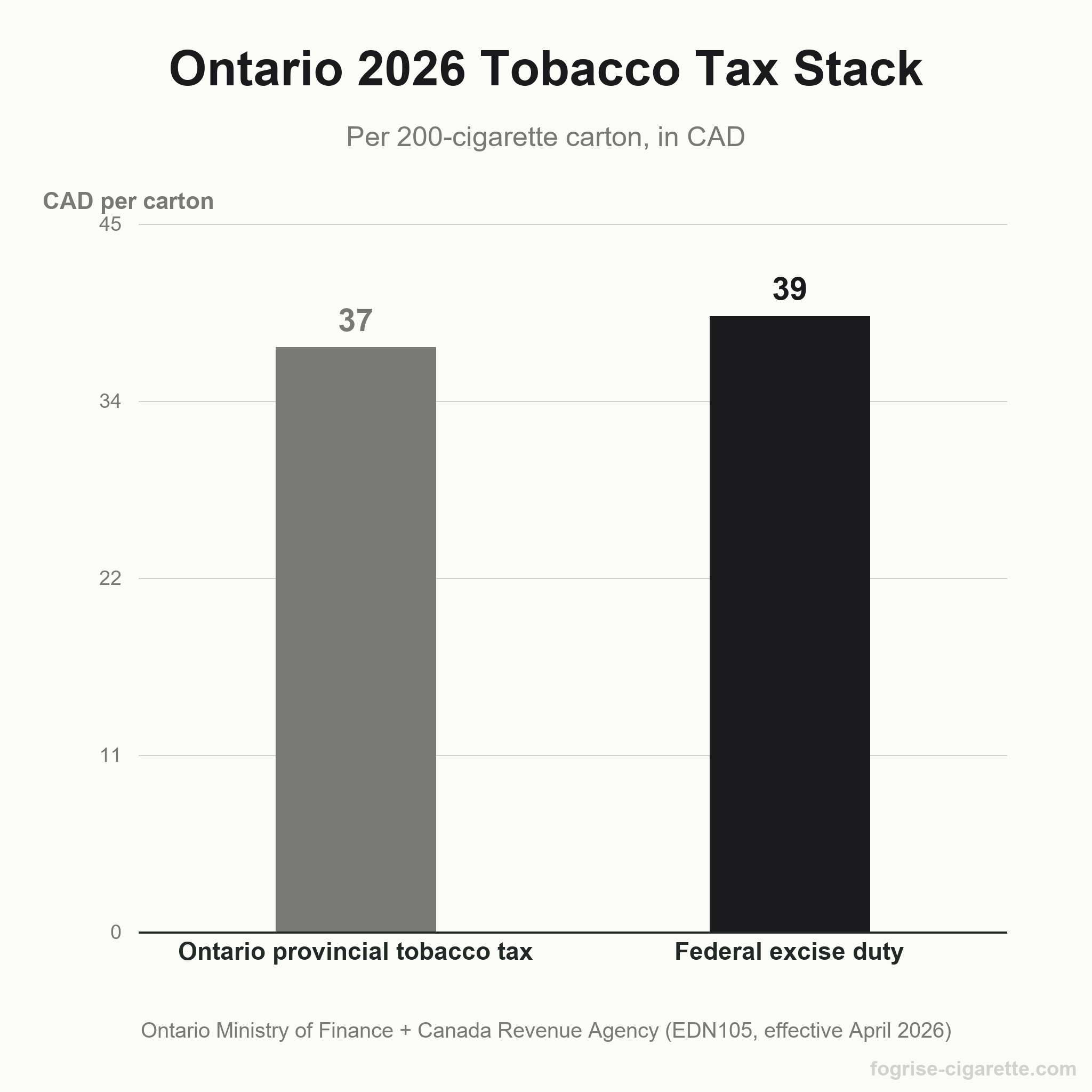
In 2026, a legitimately stamped 200-cigarette carton in Ontario carries $36.95 in provincial tobacco tax and $38.92 in federal excise duty, a combined $75.87 before 13 percent HST (Ontario Ministry of Finance, 2026; Canada Revenue Agency, 2026). That subtotal is the price floor for any legally sold carton.
| Tax Component | Rate per Cigarette | Per-Carton Amount (200 cigarettes) |
|---|---|---|
| Ontario Provincial Tobacco Tax | $0.18475 (Ontario Ministry of Finance, 2026) | $36.95 (Ontario Ministry of Finance, 2026) |
| Federal Excise Duty | $0.19460 (Canada Revenue Agency, 2026) | $38.92 (Canada Revenue Agency, 2026) |
| Combined Subtotal Before HST | $0.37935 | $75.87 (Canada Revenue Agency, 2026) |
Ontario’s Provincial Tobacco Tax
Ontario applies a flat provincial tobacco tax of $0.18475 per cigarette, which works out to $36.95 on a standard 200-cigarette carton (Ontario Ministry of Finance, 2026). The rate is published by the Ontario Ministry of Finance and referenced in CBSA Customs Notice 20-33 for import valuation. It applies uniformly across every legally sold cigarette in the province, regardless of the brand’s country of origin. A pack of a Chinese brand stamped for the Ontario market carries the identical provincial charge as a domestic pack sold two shelves over. The province recovers this tax at the wholesale stage, so retailers in York Region see the charge already baked into their invoice from a licensed tobacco distributor.
Federal Excise Duty
Effective April 1 2026, the federal excise duty on cigarettes stands at $0.19460 per stick, or $38.92 per 200-cigarette carton, per Canada Revenue Agency Excise Duty Notice EDN105 (Canada Revenue Agency, 2026). Combined with Ontario’s $36.95 provincial charge, the tax subtotal on a stamped carton reaches roughly $75.87 before HST, defining the legitimate 2026 price floor. This layer sits on top of the provincial tax and is collected at the manufacturer or importer stage. For Richmond Hill chinese cigarettes to enter the retail channel legally, they must clear this federal charge at the border, receive both federal and Ontario tax stamps, and be documented under CBSA valuation rules.
The Combined Price Floor
Add the two together and the tax subtotal on a single legitimately stamped carton is approximately $75.87 (Canada Revenue Agency, 2026), before the 13 percent HST is applied to the tax-inclusive base (Canada Revenue Agency, 2026). That figure is a floor, not a shelf price. A legitimate retailer must still add product cost, wholesale margin, retail margin, and HST on top of the tax subtotal. When a carton of Richmond Hill chinese cigarettes is offered at $40 or $50 through informal channels, the math does not work: the tax stack alone is close to double that price. The shortfall almost always traces to missing stamps, unregulated cross-border supply, or counterfeit packaging, each of which the following sections cover in enforcement and product terms.
By the Numbers
- $0.18475 Ontario provincial tobacco tax per cigarette (Ontario Ministry of Finance, 2026)
- $36.95 Ontario tax on a 200-cigarette carton (Ontario Ministry of Finance, 2026)
- $0.19460 federal excise duty per cigarette, April 1 2026 (Canada Revenue Agency, 2026)
- $38.92 federal excise on a 200-cigarette carton (Canada Revenue Agency, 2026)
- $75.87 combined tax subtotal per carton, before 13 percent HST (Canada Revenue Agency, 2026)
Legal Age, Retail Licensing, and Enforcement in York Region
Ontario’s tobacco rulebook decides what can legally be sold, to whom, and where. The short version for anyone researching Richmond Hill chinese cigarettes: legality attaches to the product’s compliance status and the seller’s licence, not to how many convenience stores stock a familiar red-and-gold pack. This section summarises the framework at a plain-language level. It is informational, not legal advice, and does not substitute for a lawyer or Ontario Ministry of Finance guidance on any specific product or purchase.
Ontario’s Smoke-Free Ontario Act sets a provincial retail minimum purchase age of 19, and a 2018 CBC News investigation documented enforcement fines for illegal cigarette resale in Canada ranging from $200 to $25,000 per case (Public Health Ontario, 2020; Marshall, 2018). xiangyandd applies a stricter 21-plus floor.
Ontario’s Age and Retail-Licensing Requirements
Two provincial instruments do most of the work. The Smoke-Free Ontario Act governs where tobacco can be used and how retailers must conduct themselves at point of sale (Public Health Ontario, 2020). Retail licensing for tobacco sale sits with the Ontario Ministry of Finance, so every physical shop selling Richmond Hill chinese cigarettes in York Region operates under a provincial licence, not a municipal one (Public Health Ontario, 2020). The provincial legal minimum purchase age is 19 (Public Health Ontario, 2020). xiangyandd sets its own stricter 21-plus floor across every jurisdiction it serves, which sits above the Ontario baseline and lines up with the more conservative age thresholds now common across Canadian tobacco retail.
Illegal Online Resale: Documented Enforcement and Fines
A CBC News investigation into illegal online resale of Chinese cigarettes in Canada documented enforcement penalties ranging from $200 to $25,000 per case (Marshall, 2018). The reporting centred on British Columbia, but the underlying provincial tax and licensing rules that produced those fines apply in Ontario too, so the same risk pattern reaches York Region. The seller carries the licence, not the buyer, and unlicensed reseller networks are exactly what enforcement targets. Choosing a compliant channel is how a York Region buyer stays clear of that exposure.
Note: The fine range above reflects documented Canadian enforcement reporting, not York Region seizure data. For questions on a specific product or transaction, consult the Ontario Ministry of Finance rather than relying on general reporting.
What This Means for a York Region Buyer
Section 5 covered why brick-and-mortar shelf presence is limited. This closes the same loop from the compliance side. For anyone buying Richmond Hill chinese cigarettes, legality is a property of the product plus the seller, not a property of the neighbourhood. A licensed channel that ships to Ontario, verifies age, and complies with federal tobacco rules sits on the right side of the framework. An unlicensed online reseller, even one that ships fast and prices low, sits on the wrong side, regardless of postal code.
Spotting counterfeit Chinese cigarette packs
Counterfeit and contraband tobacco is a documented problem in the Canadian market, and Richmond Hill Chinese cigarettes offered outside licensed retail channels are among the packages most often faked. Peer-reviewed public-health research has tracked the Canadian contraband trade for over a decade (Mao et al., 2017). The reason to know what a genuine pack looks like here is consumer protection, not shopping guidance.
Why counterfeits concentrate on premium brands like Chunghwa
Higher unit prices give counterfeiters more margin per pack, so the most-faked names are the premium reds: Chunghwa 中華 hard pack, Yuxi, and Furongwang. When a supposed Chunghwa pack is offered at a small fraction of the mainland retail price, the discount is the warning, not the deal. Purchase of tobacco outside licensed Ontario retail is prohibited under provincial law and falls outside the scope of this guide.
What genuine packaging looks like
Legitimate packs, if a household has come into possession of one, share several observable traits:
- Sharp four-colour offset printing on the outer wrap, with no visible dot pattern under a 10x loupe.
- Aligned lot codes, production dates and factory identifiers laser-printed on the foil and outer film.
- Intact cellophane wrap and tear-tape with no re-glued seams.
- On product sourced from mainland channels, a tobacco tax band with holographic elements matching the year of purchase.
Blurry logos, mismatched shades of red, misaligned codes, or a soft cellophane seal are all patterns reported in the peer-reviewed contraband literature (Mao et al., 2017).
Authentic does not mean safe
This is the paragraph readers should stop and re-read. A verified pack burns the same tobacco chemistry as any counterfeit.
Are Chinese cigarettes safer? Per Health Canada and WHO (O’Connor et al., 2010): No cigarette, of any brand or country of origin, is safe. A peer-reviewed 2010 Tobacco Control study measured design, tar, nicotine and heavy-metal emissions in cigarettes sold in China and reported profiles comparable to, and in several parameters higher than, international brands (O’Connor et al., 2010). Pack authenticity does not reduce that risk.
Authentication checks help buyers avoid crime networks and unknown adulterants. They do not lower the health toll of smoking. Genuine Richmond Hill Chinese cigarettes carry the same class of harm as any other combustible cigarette on the Canadian market.
Richmond Hill’s Chinese-Canadian Community
Richmond Hill sits inside York Region’s dense cluster of Chinese-Canadian communities. Within this article series’ comparison, its profile is genuinely strong, though second to neighbouring Markham on the single specific dimension of ethnic-origin share. That distinction matters for how the "Richmond Hill Chinese cigarettes" question should be read: population density and household income tell you a great deal about consumer demand, and almost nothing about legal cigarette supply.
Population and Demographic Profile (2021 Census)
Statistics Canada’s 2021 Census recorded 202,022 total residents in Richmond Hill, of whom 57,305 (28.5%) reported Chinese ethnic origin as their primary self-declaration, 12.8% claimed Mandarin as mother tongue and 11.3% claimed Cantonese; visible-minority residents accounted for 66.4% of the population overall (Statistics Canada, 2022). For context on placement within this article series, neighbouring Markham (a separate York Region city, covered in its own guide) reaches 43.3% Chinese ethnic origin, reported as the highest recorded share of any municipality in Canada (Statistics Canada, 2022). Richmond Hill sits second on that specific dimension, and remains one of the most concentrated Chinese-Canadian communities in the country in absolute terms.
Household Income and Regional Context
Average household income sits at roughly CAD $134,000 (Statistics Canada, 2022), well above the Ontario average and consistent with the older Chinese-Canadian professional demographic that established itself in the York Region corridor during the 1990s and 2000s. Combined with the language and origin figures above, the profile is the one advertisers and retail-chain planners describe as a mature Chinese-Canadian consumer market: multilingual, higher-income, and locally concentrated rather than dispersed.
Per Statistics Canada’s 2021 Census dissemination guidance, the ethnic-origin, mother-tongue, and visible-minority categories are reported as self-declared characteristics of the resident population, intended for demographic and public-service planning rather than as measures of commercial retail activity.
That distinction matters here. Population density and household income are demand-side signals. They are not supply-side authorization.
A Dense Community With Real Local Retail — and Still No Legal Supply
Section 4 of this guide documented three physical Chinese-cigarette-adjacent retailers operating within Richmond Hill Chinese cigarettes search results. Their existence, combined with the community profile above, is exactly why the question keeps getting asked in this postal area. It is also exactly why the answer covered in Sections 5 and 6 does not change. Neither a 28.5% ethnic-origin share, nor a household income near CAD $134,000, nor three visible storefronts stocking familiar Chinese brand packaging alters the underlying import, taxation, and excise-stamping status that a Canadian retail cigarette must satisfy to be sold legally.
Frequently Asked Questions
What is the name of the Chinese cigarettes?
There is no single name. China’s tobacco output covers dozens of brands under the state monopoly. The ones a Richmond Hill reader is most likely to hear about are Chunghwa (中華, the flagship prestige gift brand), Zhongnanhai (中南海, a lower-tar city favourite), Yuxi (玉溪) and Furongwang (芙蓉王) in the mainstream-premium tier, Hongtashan (红塔山) as a classic mid-tier name, and Panda (熊猫) plus Double Happiness (双喜) as older cultural staples. Regional preference inside China matters as much as brand rank.
What is special about Chinese cigarettes?
Three things separate them from Western brands. First, they are produced almost entirely by China National Tobacco Corporation, a single state monopoly rather than a handful of competing multinationals. Second, gifting is baked into the product design: red foil, embossed cartons, and dragon or peony motifs on brands like Chunghwa reflect a long tradition of tobacco as a hospitality and business gift. Third, domestic-market packaging still carries heritage imagery rather than the pictorial health warnings mandated on Canadian shelves.
What is the best brand of Chinese cigarettes?
Chunghwa is the widely recognized prestige answer inside China. It sits at the top of the gifting tier, and a red Chunghwa carton is what a host reaches for when the occasion is formal. Whether it is the best cigarette for a given smoker is a taste question, not an authority one. Regular smokers often settle on Yuxi or Furongwang for daily use, and Zhongnanhai for a lower-tar profile. Best in cultural rank and best in personal taste rarely land on the same pack.
Are Chinese cigarettes safer?
No. Health Canada and the World Health Organization both hold that no combustible tobacco product is safe (O’Connor et al., 2010). Peer-reviewed chemical work, including O’Connor and colleagues in 2010, has reported higher levels of certain toxicants, including heavy metals such as arsenic, cadmium, and lead, in Chinese-market cigarettes than in comparable Canadian products (O’Connor et al., 2010). Prestige packaging and heritage branding do not change the underlying smoke chemistry. Any suggestion that Chinese cigarettes are gentler on the lungs is a marketing myth, not a health finding.
Are there tobacco shops in Richmond Hill that sell Chinese cigarette brands?
The honest answer is complicated. Along the Yonge Street tobacconist strip, three real shops (Havana Castle, King Cigar Plus, and Royal Cigar Smoke and More) are the reasonable places to ask. Stock of Chinese brands rotates and we cannot confirm it shop by shop. More to the point, no lawful Ontario retailer can carry China-market packs at all, because those cartons lack the federal excise stamp and Health Canada plain packaging that provincial law requires (Government of Canada, 1997). Call ahead before making the drive.
How many cigarettes can I bring into Canada from a trip abroad?
The Canada Border Services Agency personal exemption sets the ceiling at 5 units of tobacco for a returning resident who has been out of country at least 48 hours (Canada Border Services Agency, 2015). One unit is 200 cigarettes, so applied entirely to cigarettes the cap is 1,000. Anything above that must be declared and is subject to duty and taxes at the point of entry. The exemption covers duty-free entry only; the packs themselves still need to meet Canadian labelling rules.
Conclusion
Richmond Hill has something most GTA suburbs don’t: a genuine multi-shop tobacconist corridor along Yonge Street, with three long-running retailers open within walking distance of each other. That physical density surprises visitors, and it partly explains why the town keeps surfacing in searches for Richmond Hill chinese cigarettes even when the underlying question is a legal one, not a matter of retail supply.
The earlier sections kept circling the same conclusion. Federal plain-packaging rules and the Ontario excise stamp decide what any licensed tobacconist can put on a shelf. More shops on Yonge would not change that outcome. What an actual store visit reliably gets you is a wider Canadian-legal selection, in-person age verification, and the reassurance that the pack you leave with carries an intact provincial excise stamp.
Everything on this page is written for adults 21 and over. Smoking is harmful and addictive. Before you buy, import, or gift any tobacco product, confirm the current federal and Ontario rules that apply to your situation for yourself.
References
- Statistics Canada. (2022). Richmond Hill, Town (T) [Census subdivision], Ontario (Table). Census Profile, 2021 Census of Population (Statistics Canada Catalogue no. 98-316-X2021001). https://www12.statcan.gc.ca/census-recensement/2021/dp-pd/prof/details/page.cfm?Lang=E&SearchText=richmond+hill&DGUIDlist=2021A00053519038
- Canada Border Services Agency. (2015). Memorandum D18-2-1: Imported Tobacco Products and Cigarette Papers or Tubes Under the Excise Act, 2001. Government of Canada. https://www.cbsa-asfc.gc.ca/publications/dm-md/d18/d18-2-1-eng.html
- Government of Canada. (2019). Tobacco Products Appearance, Packaging and Labelling Regulations (SOR/2019-107). Justice Laws Website. https://laws.justice.gc.ca/eng/regulations/SOR-2019-107/page-1.html
- Government of Canada. (1997). Tobacco and Vaping Products Act (S.C. 1997, c. 13). Justice Laws Website. https://laws-lois.justice.gc.ca/eng/acts/t-11.5/FullText.html
- Ontario Ministry of Finance. (2026). Tobacco Tax. Government of Ontario. https://www.ontario.ca/document/tobacco-tax
- Canada Revenue Agency. (2026). Excise Duty Notice EDN105: Adjusted rates of excise duty on tobacco products effective April 1, 2026. Government of Canada. https://www.canada.ca/en/revenue-agency/services/tax/technical-information/excise-duty/excise-duty-notices/edn105-adjusted-rates-excise-duty-tobacco-products-effective-april-1-2026.html
- Public Health Ontario. (2020). A Summary of Ontario Tobacco, Vaping and Cannabis Legislation for Municipalities and Local Public Health Agencies. https://www.publichealthontario.ca/-/media/documents/o/2020/ontario-tobacco-vaping-cannabis-by-law.pdf
- Marshall, J. (2018, July 6). Illegal online sale of Chinese cigarettes widespread in B.C., says expert. CBC News. https://www.cbc.ca/news/canada/british-columbia/bc-cigarettes-resale-china-1.4745113
- O’Connor, R. J., Li, Q., Stephens, W. E., Hammond, D., Elton-Marshall, T., Cummings, K. M., Giovino, G. A., & Fong, G. T. (2010). Cigarettes sold in China: Design, emissions and metals. Tobacco Control, 19(Suppl 2), i47-i53. https://doi.org/10.1136/tc.2009.030163
- Mao, A., Bottorff, J. L., Oliffe, J. L., Sarbit, G., & Kelly, M. T. (2017). Chinese immigrant men smokers’ sources of cigarettes in Canada: A qualitative study. Tobacco Induced Diseases, 15, 18. https://doi.org/10.1186/s12971-017-0123-1
Last reviewed and updated: July 2026. Author: xiangyandd editorial team. Adults 21+ only. Smoking is harmful; verify your local laws before purchase. Questions? contact our team.


 English (US)
 简体中文
 Deutsch
 Français
 Español