

Blog
Sweden Chinese Cigarettes: Brands, Customs & Buying Guide 2025

TL;DR
Adults 21+ may bring 200 Chinese cigarettes duty-free to Sweden from non-EU origins (Tullverket 2025). Swedish excise plus TPD compliance makes most Chinese-market packs non-compliant for domestic sale. Chunghwa, Furongwang and Double Happiness are the most sought brands among Swedish expats.
Abstract
Chinese cigarettes are legal to possess in Sweden for adults aged 21 and over, but the buying journey is shaped by three distinct gates: Tullverket’s customs allowances, the EU Tobacco Products Directive transposed through Sweden’s tobakslagen, and a national smoking culture that looks nothing like the rest of Europe. Sweden records roughly 5.6% daily smokers, the lowest share in the EU, largely because snus has absorbed most domestic nicotine demand (Folkhälsomyndigheten, 2024). That cultural floor means imported Chunghwa, Furongwang, or Double Happiness packs occupy a narrow expat and connoisseur niche rather than a mass market, and most retail shelves carry nothing of the sort. Travellers crossing from outside the EU may bring 200 cigarettes duty-free, while EU-origin allowances sit at 100 cigarettes for personal use with duty already paid in the origin state (Tullverket, 2025). Packs sold in Sweden must carry 65% Swedish-language combined warnings, a DataMatrix traceability code, and a Swedish excise stamp, none of which a genuine Chinese-domestic-market pack will have. This guide maps the legal floor, the customs math, the brand picture, counterfeit red flags, and the Chinese diaspora context (roughly 39,000 residents of Chinese origin) that drives the demand.
For adults 21+ only. Smoking is harmful and addictive. Tobacco laws and import rules vary by country; verify your local regulations before purchasing. This article is informational only and is not legal or medical advice.
Key Takeaways
- Tullverket allowance: 200 cigarettes duty-free from non-EU countries, 100 from EU member states with duty already paid (Tullverket, 2025).
- TPD compliance: Swedish retail packs require 65% combined warnings in Swedish plus DataMatrix traceability; Chinese-domestic packs almost never meet this (European Parliament and Council, 2014).
- Snus context: Sweden reports roughly 5.6% daily smokers, the lowest share in the European Union (Folkhälsomyndigheten, 2024).
- Top expat brands: Chunghwa for prestige and gifting, Furongwang for mid-premium daily use, Double Happiness for everyday smoking.
- Counterfeit signals: Check Swedish warning text, the EU DataMatrix square, the excise stamp, and verify the EU DataMatrix code through the EU-ID issuer portal (European Parliament and Council, 2014).
- Adults 21+ only: Smoking causes serious disease and addiction; this guide is informational and not medical or legal advice.
Table of Contents
- TL;DR
- Abstract
- Key Takeaways
- Table of Contents
- Are Chinese Cigarettes Legal in Sweden? (2025 Rules)
- Customs Allowances: How Many Chinese Cigarettes Can You Bring to Sweden?
- Where to Buy Chinese Cigarettes in Sweden: Retail and Online Options
- Top Chinese Cigarette Brands for Expats in Sweden
- Snus vs Cigarettes: Sweden’s Unique Tobacco Culture
- How to Spot Counterfeit Chinese Cigarettes in Sweden
- The Chinese Community in Sweden: Tobacco Culture and Context
- Swedish Smoking Regulations: Age, Indoor Laws and Health Context
- Frequently Asked Questions
- Conclusion
- References
Are Chinese Cigarettes Legal in Sweden? (2025 Rules)
Personal possession of Chinese cigarettes by an adult in Sweden is not, by itself, a criminal matter. What changes the picture is the pack. Sweden inherits its retail tobacco rulebook from the EU Tobacco Products Directive and layers a national statute on top, and the gap between a Chunghwa pack printed for Shanghai and a Marlboro pack printed for Stockholm is enormous. Knowing that gap is the difference between a quiet customs corridor and a confiscated suitcase.
Under EU Directive 2014/40/EU (implemented in Sweden via the tobakslagen, SFS 2018:2088), every cigarette pack sold or distributed inside Sweden must carry combined pictorial and text health warnings covering at least 65% of both front and back surfaces, printed in Swedish, plus a DataMatrix traceability code (tobakslagen, 2024). Most Chinese-market packs lack all three.
EU Tobacco Products Directive in Sweden
Sweden applies Directive 2014/40/EU, the Tobacco Products Directive, to every cigarette sold inside its borders (European Parliament and Council, 2014). The directive sets the floor: combined picture-and-text health warnings covering 65% of the front and back of the pack, a ban on characterising flavours including menthol since May 2020, a minimum pack size of 20 sticks, and an EU-wide track-and-trace system with a unique DataMatrix identifier on every unit. The directive does not ban imports for personal use, but it does dictate what can be sold legally, and that constraint cascades into every retail and customs decision downstream.
Swedish tobacco law and the tobakslagen (Tobacco Act)
Sweden transposes the TPD through the tobakslagen, the national Tobacco Act, administered jointly by Folkhälsomyndigheten (the Public Health Agency) and the Folkhälsomyndigheten-supervised municipalities (Riksdagen, 2018). The act sets the minimum purchase age at 18 and requires every commercial retailer to hold a municipal sales permit. It also writes the Swedish-language requirement directly into law: warnings, ingredient declarations, and the addiction notice must all appear in Swedish, not in English and certainly not in Mandarin. A Chinese-domestic pack carrying only Mandarin warnings cannot be sold by any licensed Swedish retailer, full stop.
TPD compliance: what Swedish packs must have
A pack that survives a customs spot check or a retail inspection in Sweden carries five visible markers. The combined warning occupies 65% of the principal display surfaces and is rendered in Swedish. A DataMatrix square, roughly the size of a thumbnail, encodes the unique identifier registered in the EU-ID issuer database. A security feature, often a holographic or tactile element, sits alongside the excise stamp. The Swedish excise duty stamp itself confirms tax has been paid for the domestic market. Pack size is exactly 20 sticks, and no flavour descriptor such as menthol or fruit appears anywhere on the pack.
| TPD / Swedish requirement | Standard | Typical Chinese-market pack status |
|---|---|---|
| Combined warning, 65% of front and back | Swedish text plus picture | Absent; Mandarin text only, smaller surface coverage |
| EU DataMatrix unique identifier | Mandatory on every unit | Absent; Chinese domestic tracking uses different system |
| Swedish excise duty stamp | Required for retail sale | Absent on imports |
| Pack size | Minimum 20 sticks, no slim 10s | Usually compliant at 20 |
| Characterising flavours | Banned since May 2020 | Some Chinese SKUs carry herbal or floral notes that would fail |
What legal possession means for a Chinese-market pack
A traveller carrying a non-compliant pack within the personal Tullverket allowance is, in practice, treated as a private importer rather than a smuggler (Tullverket, 2025). The pack is legal to possess and smoke; it is not legal to resell, and it is not legal to bring in commercial quantities. Tullverket officers retain discretion: a pack inside the allowance with credible personal-use signals usually passes, while quantities above the allowance, repeated importation patterns, or packs without any warnings at all can trigger seizure and a tax-and-fine assessment. The Swedish Tax Agency publishes the excise rate for cigarettes and the calculation runs from there; for genuinely commercial volumes, the customs penalty regime under smugglingslagen takes over (Tullverket, 2025). None of this is legal advice; consult Tullverket directly or a Swedish customs broker for any borderline case.
Customs Allowances: How Many Chinese Cigarettes Can You Bring to Sweden?
The Tullverket allowance is the first hard number every traveller needs, and it is the number most often misquoted in expat forums. The framework splits cleanly along two axes: whether the trip originates inside or outside the EU, and whether the goods arrive in your luggage or in a parcel. China sits firmly in the non-EU column, which sets a tighter ceiling than most intra-EU routes.
Sweden’s customs authority Tullverket permits duty-free import of up to 200 cigarettes per traveller from non-EU countries, or 100 cigarettes from other EU member states where duty has already been paid. Both thresholds are confirmed in Tullverket’s April 2026 tobacco guidance update (Tullverket, 2025). Quantities above these limits require customs declaration and Swedish excise payment.
Tullverket allowance from non-EU countries (200-cigarette rule)
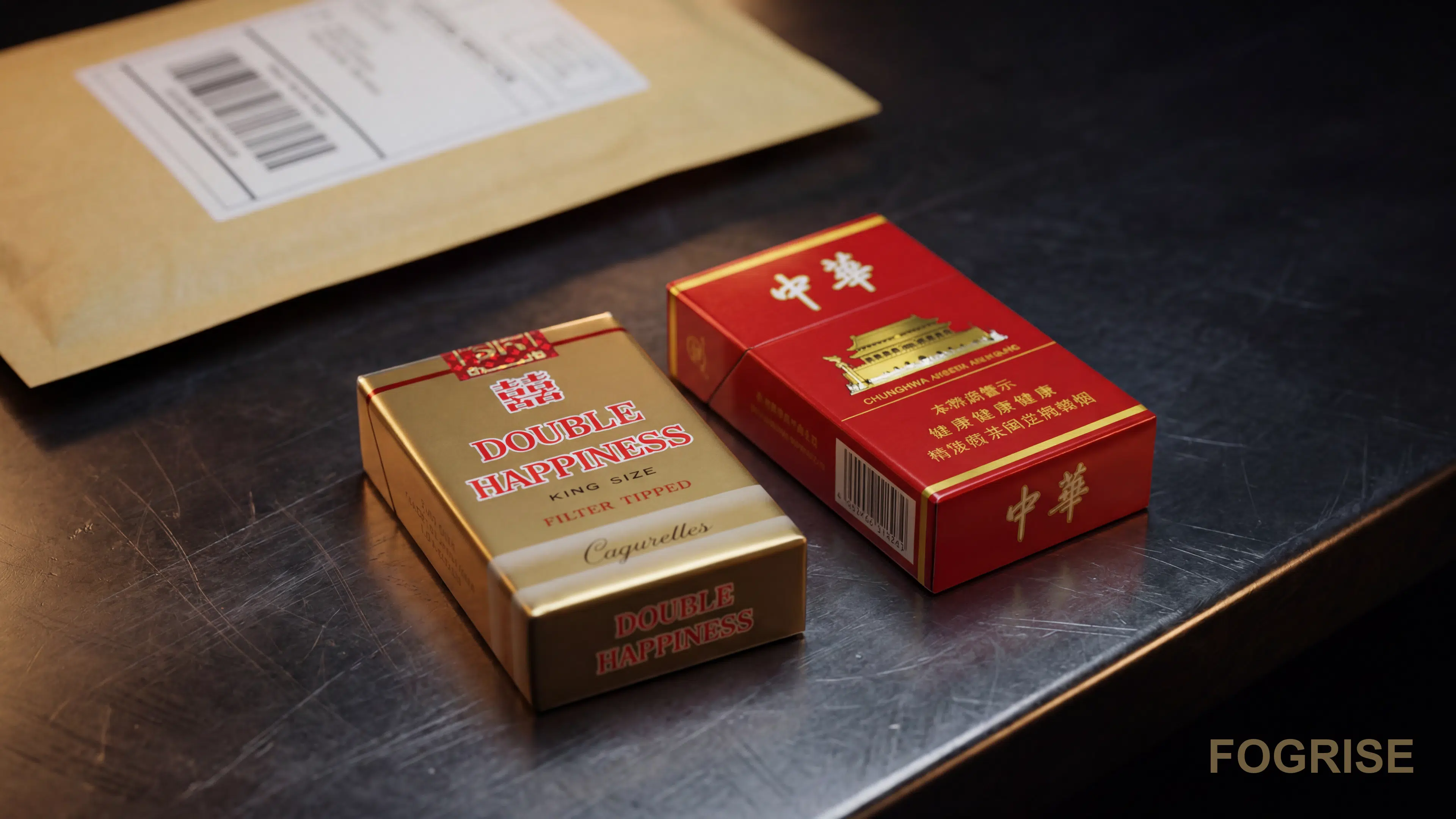
A traveller aged 18 or older arriving in Sweden from a non-EU country, including direct flights from Beijing, Shanghai, Guangzhou, or Hong Kong, may import 200 cigarettes duty-free for personal use (Tullverket, 2025). That is exactly one carton. The allowance is per person per trip, it cannot be pooled across family members under 18, and it sits alongside parallel allowances for cigarillos (100), cigars (50), and smoking tobacco (250 grams). Anything above the 200-stick line is subject to Swedish excise duty plus VAT, declared on arrival through the red channel at Arlanda, Landvetter, or Sturup, with the duty paid in cash or card at the customs counter. Tullverket publishes the current rate; in 2025 it remains one of the highest cigarette excise rates in the EU, which is why a brought-in carton from Beijing duty-free typically costs less than the equivalent retail price in Stockholm.
EU-origin allowances (100 cigarettes)
Goods crossing from one EU member state to another follow a different logic. Because excise has already been paid in the origin state, there is no second duty owed at the Swedish border. The figure travellers actually need to know is the personal-use indicative limit Tullverket applies when judging whether goods are genuinely personal or commercial: 800 cigarettes is the standard threshold across the EU, and Sweden follows that ceiling (Tullverket, 2025). The lower 100-cigarette figure that circulates in older Swedish guidance applies to specific lower-duty origin countries such as Bulgaria, Croatia, Hungary, Latvia, Lithuania, and Romania, where Sweden retains a tighter personal allowance to discourage cross-border duty arbitrage. Always check the current Tullverket page for the exact origin list before flying.
| Import route | Allowance | Duty and VAT | Seizure risk |
|---|---|---|---|
| Non-EU traveller, in person | 200 cigarettes | None within allowance, full Swedish duty above | Low within allowance |
| EU traveller, duty paid in origin | Up to 100 cigarettes (duty-paid) | None if genuinely personal | Low for documented personal use |
| EU traveller from lower-duty state | 100 cigarettes | Sweden may assess top-up duty above | Moderate above the 100 line |
| Postal parcel under 50 sticks | Personal gift carve-out, case by case | VAT typically due, duty case by case | Moderate; warning letter common |
| Postal parcel above 50 sticks or commercial markers | None as personal | Full duty, VAT, plus possible penalty | High; seizure routine |
Postal shipments and the 2026 EU parcel reform
Posting cigarettes from China to Sweden is the highest-friction route. Tullverket treats cigarette parcels as goods, not gifts, regardless of the customs declaration on the package, and the EU’s track-and-trace regime makes untaxed cigarette imports easy to flag at the sorting centre in Arlanda (Tullverket, 2025). Most parcels containing visible cigarette packs are pulled, taxed, and either released with a duty bill or seized outright. The 2026 EU low-value parcel reform changes the math further: the Council of the EU agreed on 12 December 2025 to remove the €150 customs-duty exemption for low-value imports from outside the EU and to introduce a €3 minimum per-parcel customs handling fee, taking effect from 1 July 2026 (European Commission DG TAXUD, 2025). That reform targets fast-fashion and small-electronics flows from outside the EU, but it tightens the same channel travellers sometimes use for personal cigarette parcels.
What happens if customs finds cigarettes in your parcel
A parcel pulled at the border generates a written notice from Tullverket addressed to the recipient. The notice lists the goods, the assessed duty and VAT, and a deadline to either pay and clear the shipment or formally abandon it. Quantities clearly above any personal threshold draw a referral to the customs investigation unit and, in heavier cases, an open file under smugglingslagen. There is no informal channel and no negotiation; the process is paperwork-driven and final. For any genuinely personal need, the carry-on route under the 200-cigarette allowance is the only low-friction option, and even that one is not advice, only description. Verify the current rules on the Tullverket website before any trip.
Where to Buy Chinese Cigarettes in Sweden: Retail and Online Options
Sweden treats tobacco unlike alcohol. There is no Systembolaget for cigarettes. Any licensed shop can sell them, which sounds convenient until you go looking for a pack of Chunghwa or Furongwang in a Pressbyrån and walk out empty-handed. The supply is everywhere and nowhere at once.
Unlike alcohol, which is sold exclusively through the state monopoly Systembolaget, tobacco in Sweden can be purchased from any licensed retailer: supermarkets, convenience stores, kiosks, and petrol stations, all operating under tobakslagen retail permit rules (Riksdagen, 2018). That open retail model means Chinese cigarette brands can theoretically appear anywhere, though mainstream Swedish chains rarely stock them.
Swedish tobacco retail: no state monopoly (unlike alcohol/Systembolaget)
Tobacco sits outside Sweden’s alcohol monopoly framework. Retailers need a permit from the municipality under the Tobacco and Similar Products Act (Lag 2018:2088), but once licensed they operate like any other shop. That means kiosks, supermarkets, petrol stations, and convenience chains all carry cigarettes (Riksdagen, 2018). What they carry is almost entirely Western and Nordic: Marlboro, L&M, Prince, Pall Mall, Camel. Chinese brands sit outside the standard wholesale catalogues that supply ICA, Coop, and 7-Eleven, so a mainstream Swedish kiosk is the wrong place to start.
International shops and Asian grocery stores (Stockholm, Gothenburg, Malmö)
The realistic in-person sources are diaspora-focused grocery shops in Sweden’s three biggest cities. Stockholm’s Kista district, with its dense East and Southeast Asian community, has several Asian supermarkets that occasionally stock or specially order Chinese brands. Gothenburg’s Hisingen area, particularly around Backaplan, hosts similar shops serving the Chinese, Vietnamese, and Thai populations. In Malmö, Rosengård and the central immigrant retail corridors carry the same pattern (Statistics Sweden, 2024). Stock is inconsistent. A shop may have Double Happiness one week and only Vietnamese brands the next. Phoning ahead is the local norm.
Online ordering: availability and 2026 postal reform impact
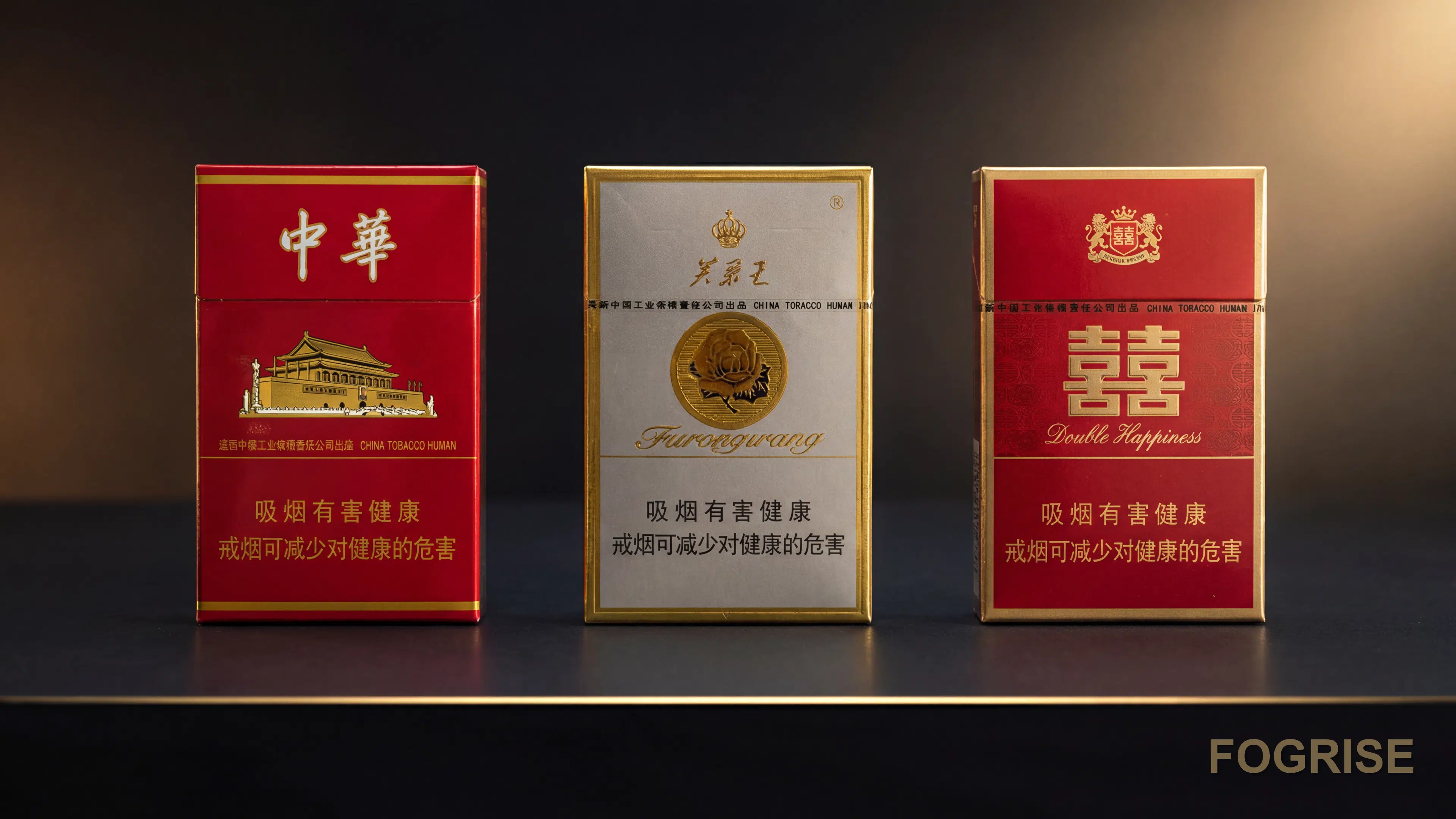
Online is where most Sweden-based buyers actually find Chinese cigarettes. International retailers ship by tracked post, and Swedish customs has historically processed small personal parcels under the existing duty thresholds. That picture is shifting. The EU’s customs reform package, scheduled to take effect in July 2026, removes the €150 low-value de minimis exemption and introduces a flat fee on small parcels (European Commission DG TAXUD, 2025). The often-cited "€3 fee" figure refers to the proposed handling charge on packages outside the new Import One Stop Shop. For buyers, this means tobacco parcels into Sweden will face more consistent excise assessment and, for larger orders, the full Swedish tobacco tax plus VAT (European Commission DG TAXUD, 2025). Buying in small personal quantities from a compliant retailer remains the cleanest path. Adults 21 and older can browse our Chinese cigarette selection for internationally shipped brands.
Top Chinese Cigarette Brands for Expats in Sweden
China National Tobacco Corporation (CNTC) is the world’s largest cigarette manufacturer, producing roughly 40 percent of global output through a network of provincial subsidiaries (Tobacco Atlas, 2024). The brands below are the ones expats and visitors in Sweden ask about most. We describe origin, pack-stated tar and nicotine, format, and cultural role. Pack-stated values are regulatory disclosures, not safety indicators. All cigarettes cause serious harm.
Chunghwa (中华): prestige and gift brand
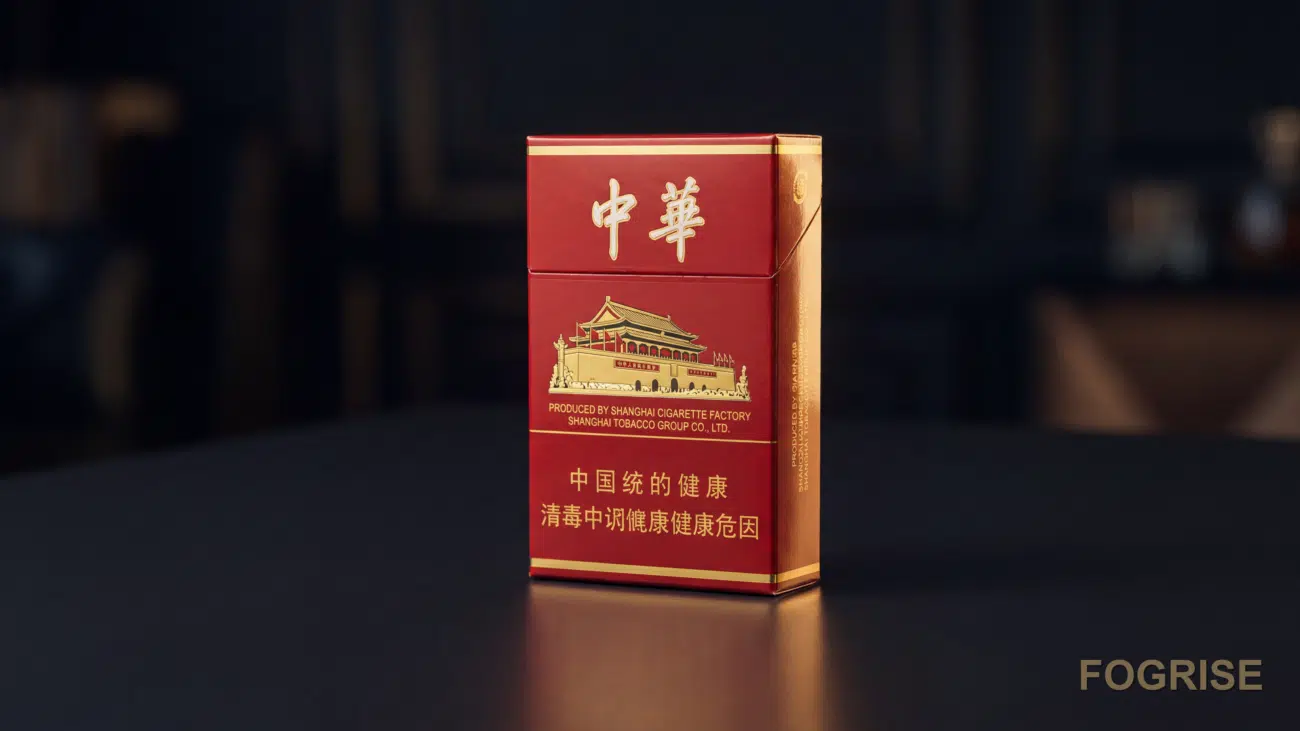
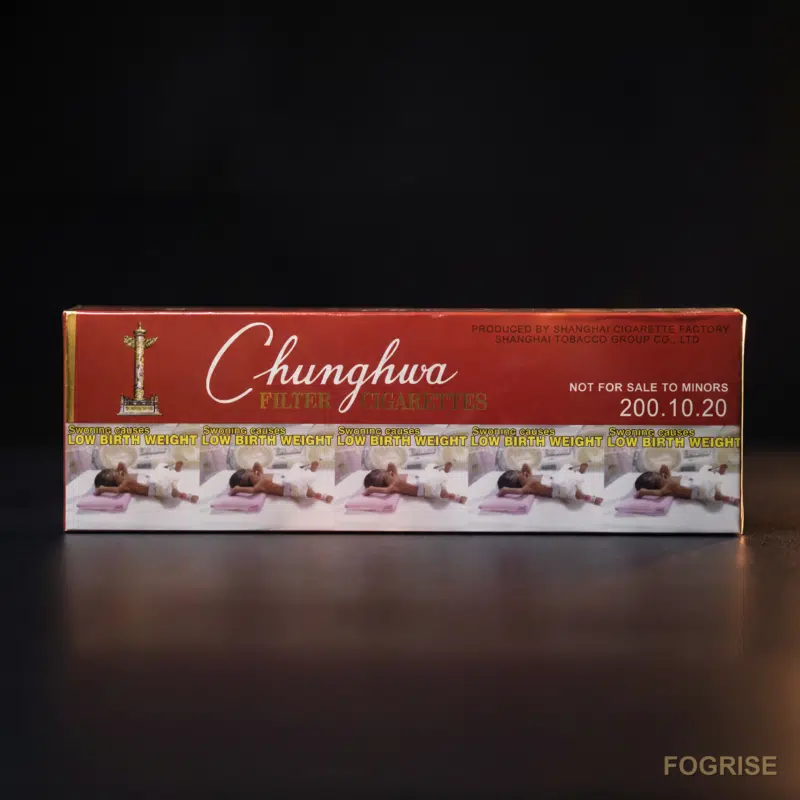
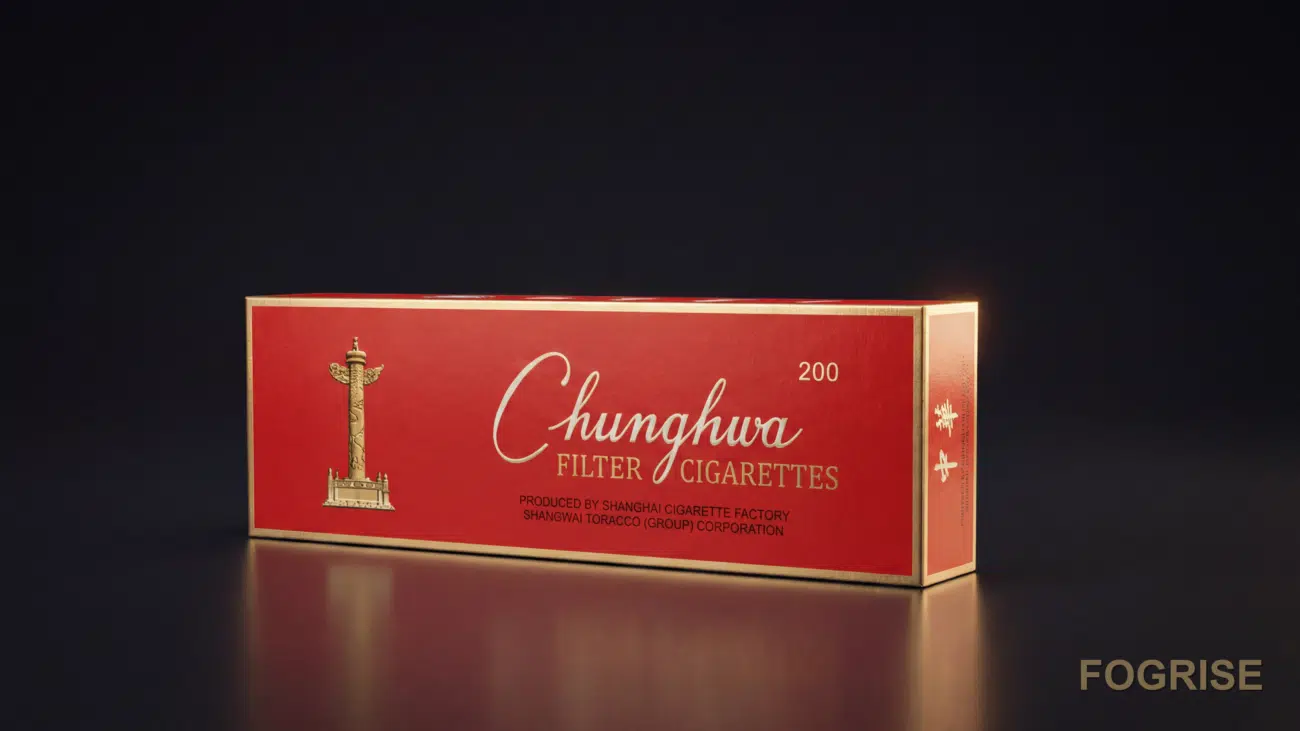
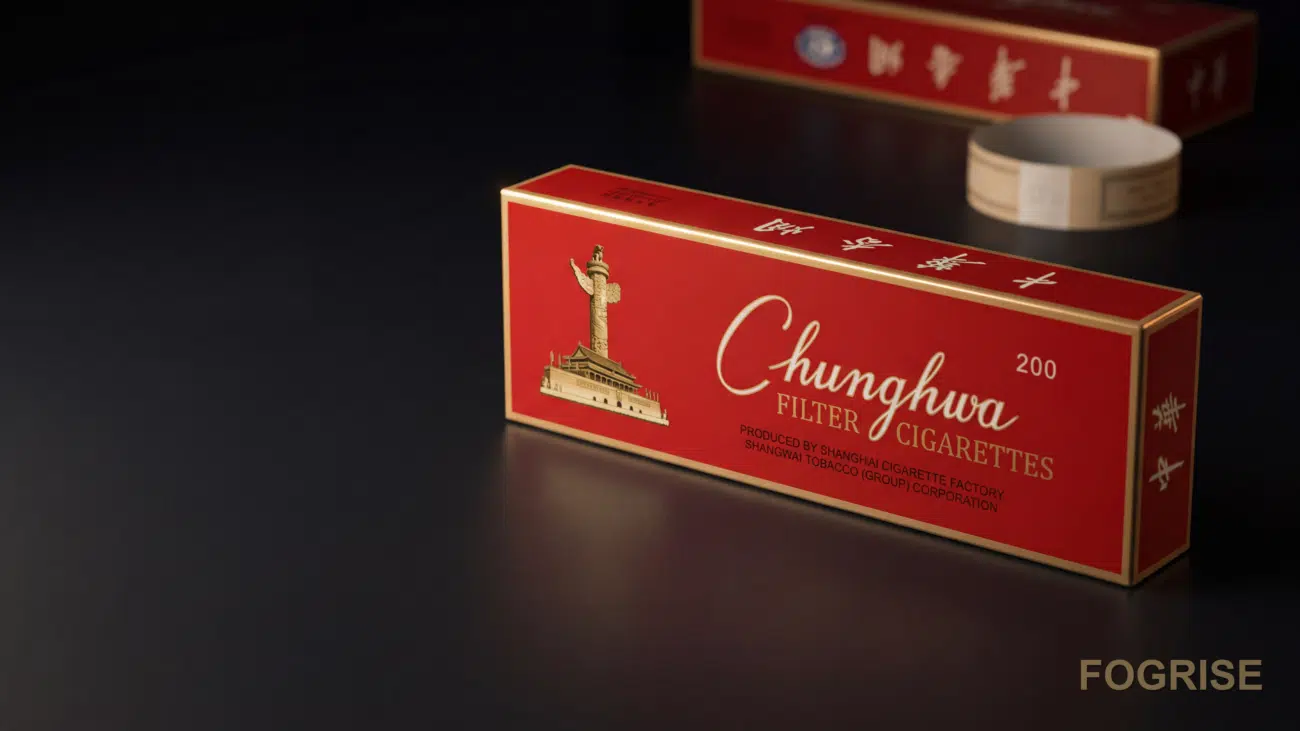
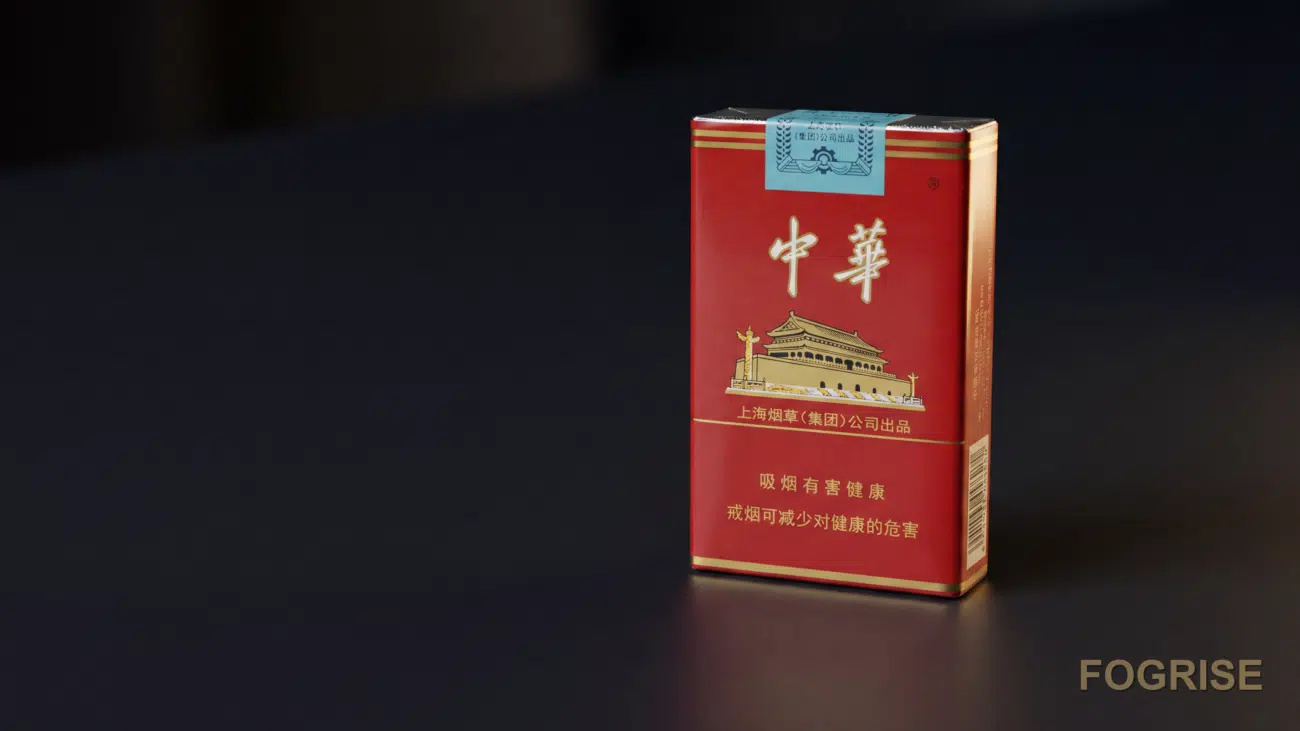
Chunghwa is produced by Shanghai Tobacco Group and has been the symbolic top-tier Chinese cigarette since the 1950s (Tobacco Atlas, 2024). The red soft pack with the Tiananmen gate motif is given at weddings, banquets, and business meetings as a marker of respect. In China the standard hard pack typically lists 11 mg tar and 1.0 mg nicotine, with a "Soft" variant slightly different. Among diaspora communities in Sweden, Chunghwa is the brand people bring back from Shanghai trips and save for special occasions rather than smoke daily.
Furongwang (芙蓉王): premium daily smoke
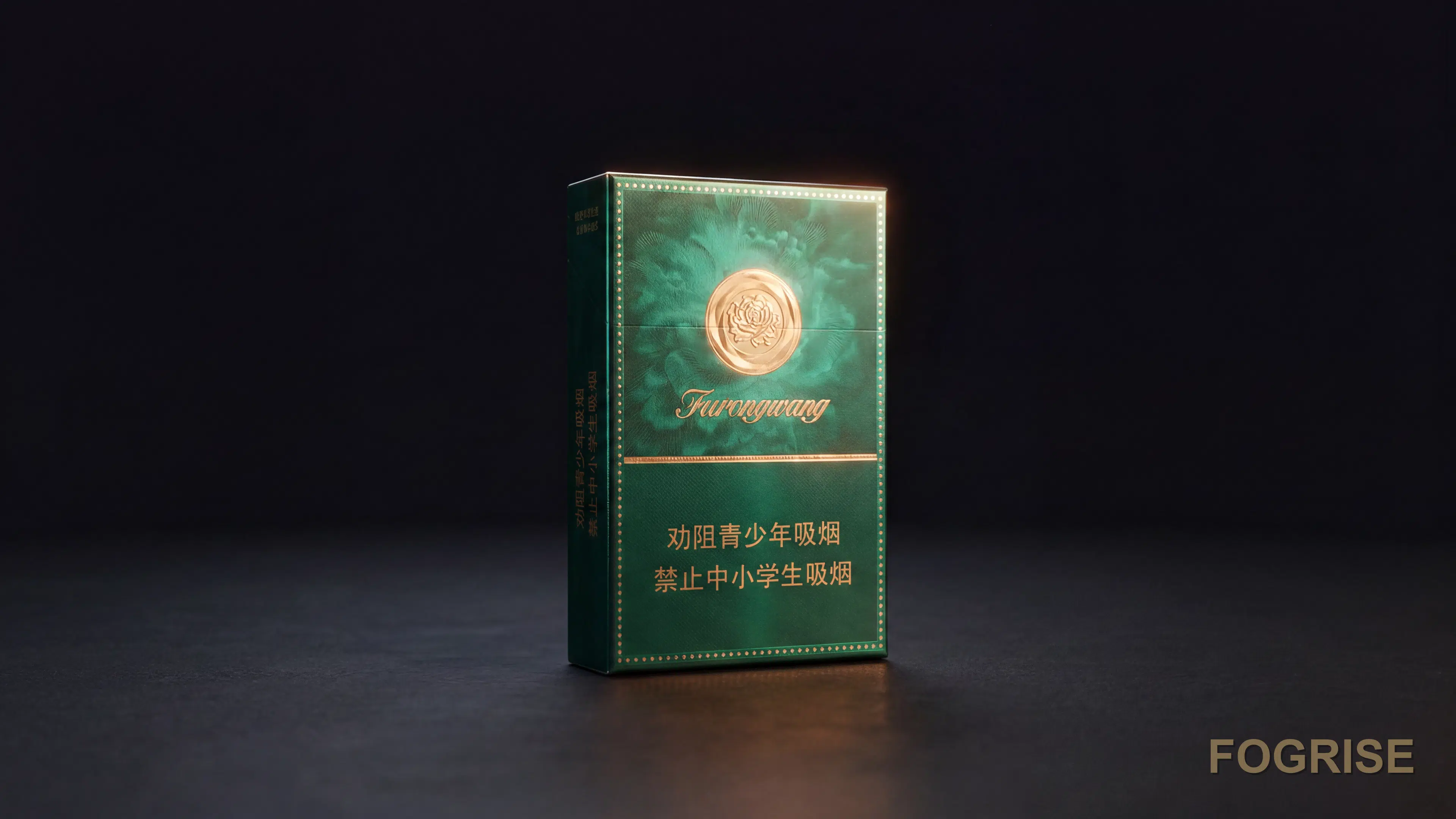
Furongwang, made by Hunan China Tobacco, sits one tier below Chunghwa in price but is widely considered the most popular premium daily brand in southern and central China (Tobacco Atlas, 2024). The "Blue Hard" pack lists around 11 mg tar and 1.1 mg nicotine. Smokers describe it as smoother and more aromatic than mainstream Western brands. Its overseas distribution is broader than Chunghwa’s, which is why it appears more often in European parallel imports.
Double Happiness (双喜): the everyday choice
Double Happiness, produced by Guangdong China Tobacco, is the workhorse mid-market brand across Guangdong and the Pearl River Delta (Tobacco Atlas, 2024). Its red pack with the gold double-喜 character is instantly recognisable. Pack-stated values vary by variant, commonly 10 to 12 mg tar and 1.0 mg nicotine. It is also one of the most-counterfeited Chinese cigarette brands globally, a point we return to in the counterfeit section.
Yuxi, Hongtashan and Liqun: mid-range favourites
Yuxi and Hongtashan come from Yunnan, the heart of Chinese tobacco cultivation. Hongtashan was historically the prestige Yunnan brand before Chunghwa overtook it nationally; Yuxi is its sister label aimed at the modern premium segment. Liqun, produced in Zhejiang by Hangzhou Cigarette Factory, holds strong regional loyalty in eastern China. All three sit in a price band Swedish buyers find more accessible than Chunghwa.
Nanjing and southern regional brands
Nanjing cigarettes (Jiangsu China Tobacco) cover a wide price ladder, from the premium "Jiu Wu Zhi Zun" line down to everyday packs. Southern regional brands like Hongmei and Yunyan round out what diaspora shops occasionally stock. These tend to be harder to find in Sweden than the national-tier brands above.
Brand comparison at a glance
| Brand | Tier | Tar mg (pack-stated) | Nicotine mg (pack-stated) | Pack Format | Overseas availability |
|---|---|---|---|---|---|
| Chunghwa (中华) | Prestige / gift | 11 | 1.0 | Soft + hard pack, 20s | Limited, parallel import |
| Furongwang (芙蓉王) | Premium daily | 11 | 1.1 | Hard pack, 20s | Moderate |
| Double Happiness (双喜) | Mid-market | 10-12 | 1.0 | Hard pack, 20s | Wide |
| Yuxi (玉溪) | Premium | 10 | 1.0 | Hard pack, 20s | Moderate |
| Hongtashan (红塔山) | Mid-premium | 11 | 1.1 | Hard pack, 20s | Moderate |
| Liqun (利群) | Mid-market | 10 | 1.0 | Hard pack, 20s | Limited |
| Nanjing (南京) | Variable | 8-11 | 0.8-1.1 | Hard pack, 20s | Limited |
Pack-stated values, not health claims. Smoking is harmful regardless of stated tar/nicotine levels.
Snus vs Cigarettes: Sweden’s Unique Tobacco Culture
Walk into a Swedish workplace and you will see tins of snus on desks. You will see far fewer cigarettes outside the building. Sweden’s tobacco story is genuinely unusual in Europe, and it shapes the entire context for Chinese cigarette buyers here.
Sweden recorded a daily cigarette-smoking rate of approximately 5.6% among adults in 2022, the lowest in the European Union, according to Folkhälsomyndigheten’s annual public-health survey (Folkhälsomyndigheten, 2022). That number is shaped almost entirely by snus, a moist oral tobacco product exempt from the EU’s general snus ban under Sweden’s 1994 Accession Treaty derogation.
How snus shaped Sweden into Europe’s lowest-smoking nation
According to the Public Health Agency of Sweden (Folkhälsomyndigheten), around 5.6 percent of Swedish adults smoked daily in 2022, the lowest rate in the EU and close to the government’s "smoke-free" target of under 5 percent by 2025 (Folkhälsomyndigheten, 2024). Cigarette consumption has fallen consistently for two decades. Snus, a moist oral tobacco product placed under the upper lip, occupies the cultural and habitual space that cigarettes hold in most other countries. It carries its own substantial health risks, including oral and pancreatic effects documented by Swedish public health research (Lee & Hamling, 2009). It is a tobacco product, full stop, not a harm-free alternative.
The 1994 EU accession derogation: why snus is legal only in Sweden
Snus is banned from sale across the European Union under Directive 2014/40/EU, with one exception. When Sweden joined the EU in 1995, its Accession Treaty included a permanent derogation, Article 151, allowing the continued domestic sale of snus inside Sweden (European Parliament and Council, 2014). The product remains illegal to sell anywhere else in the bloc, including for Swedish citizens travelling to other member states (European Parliament and Council, 2014). This is why snus is genuinely Swedish in a legal sense that few other consumer products are.
What this means for Chinese cigarette enthusiasts in Sweden
The practical effect on someone looking for Chinese cigarettes in Sweden is twofold. First, mainstream Swedish retail has structurally turned away from the cigarette category. Pressbyrån and ICA stock the legal essentials, but the assortment is narrow and skews to a handful of Western brands. Chinese cigarettes are a specialist, diaspora-driven, or online-driven product here. Second, Swedish smokers you meet socially are likely to be visitors, immigrants, or a shrinking domestic minority. The cultural script around offering a cigarette, which is central in much of China, simply does not run the same way. Snus and cigarettes are both tobacco products with serious health consequences. Neither is a safer version of the other, and Swedish public health messaging treats them under the same harm-reduction framework rather than as substitutes.
How to Spot Counterfeit Chinese Cigarettes in Sweden
Counterfeit cigarettes are a real problem in northern Europe, and Sweden sits on one of the main transit corridors. Knowing what an authentic Swedish-market pack looks like is the single best defence, because counterfeit product is not just a legal risk. The filler, additives, and even paper used in fakes are unregulated and may carry heavier contamination than the already-harmful authentic product.
OLAF’s 2022 Anti-Fraud Annual Report documented the seizure of over 531 million illicit cigarettes across EU operations, with Baltic Sea entry routes accounting for a significant share of contraband flows into Northern Europe (OLAF, 2022). Double Happiness is consistently ranked among the world’s most-trafficked illicit cigarette brands in EU enforcement intelligence.
Sweden as a transit point for illicit tobacco (EU entry via Baltic ports)
The Baltic corridor, running through the ports of Klaipeda, Riga, Tallinn, and across to Gothenburg and Stockholm, is one of the EU’s primary illicit tobacco routes according to analyses by the Royal United Services Institute and Transcrime (European Anti-Fraud Office, 2024). The European Anti-Fraud Office (OLAF) seizes hundreds of millions of illicit cigarettes annually at EU external borders, with Chinese brand counterfeits a recurring component (European Anti-Fraud Office, 2024). Double Happiness is consistently cited in OLAF and KPMG illicit-trade reporting as among the most-counterfeited cigarette brands worldwide, partly because of its high global sales volume and recognisable pack design (European Anti-Fraud Office, 2024).
Authentication: Swedish TPD markings and pack quality checks
Any cigarette pack legally sold in Sweden must carry several features mandated by the EU Tobacco Products Directive and Swedish law. The pack should show a Swedish-language combined text-and-image health warning covering at least 65 percent of the front and back surfaces. It must carry a unique 12-character DataMatrix code under the EU’s Track and Trace system. It must bear a Swedish excise stamp (skattemärke) issued by Skatteverket, confirming tobacco tax has been paid (Riksdagen, 2018). Authentic Chinese-market packs imported personally will lack the Swedish stamp but should at minimum have intact Chinese tax markings, sharp Chinese-language warnings, and a clean factory seal.
Red flags: price, seller, and print quality
Price is the loudest signal. A pack of Chunghwa sold below the equivalent of its Chinese retail price (around 60 RMB, roughly 90 SEK before import costs) is almost certainly fake or smuggled. Other warning signs include misaligned printing on the pack, slightly off colours on the red and gold elements, blurry small text, a missing or photocopied-looking foil inner liner, and inconsistent cigarette length or filter colour inside the pack. Sellers who refuse to discuss provenance, who only accept cash, or who operate outside any storefront should be treated with caution. Buying from established retailers with traceable supply, even at higher prices, is the only way to know what you are actually smoking.
The Chinese Community in Sweden: Tobacco Culture and Context
Sweden’s Chinese community is small but concentrated, and that geography matters when you trace where Chinese cigarette demand actually lives. The diaspora is also where premium-brand gifting culture intersects with Swedish public-health norms, producing a niche that retailers, customs officers, and health authorities all watch differently.
Around 39,000 Chinese residents: Stockholm, Gothenburg and Malmö hubs
Statistics Sweden (SCB) records roughly 39,000 China-born residents as of 2023, with about 60% living in Stockholm County (Statistics Sweden, 2024). The remainder cluster in Västra Götaland (Gothenburg) and Skåne (Malmö), with smaller communities in Uppsala and Linköping. Within these cities, neighborhoods like Kista in Stockholm, Hisingen in Gothenburg, and Rosengård in Malmö host the Asian grocery stores, restaurants, and cultural associations that anchor the community (Statistics Sweden, 2024). These districts are also where Chinese-language tobacco demand is most visible to specialty importers and customs analysts.
Gift culture and Chunghwa’s social role
In mainland Chinese business culture, a carton of Chunghwa (中华) carries weight that no Marlboro pack ever could. The brand is a relational currency inside guanxi (关系) networks, used to mark respect at weddings, lunar new year visits, business negotiations, and senior-relative reunions (Tobacco Atlas, 2024). Among Sweden’s Chinese diaspora, this gift logic does not vanish; it migrates. Demand for premium soft-pack Chunghwa, Furongwang, and Yuxi spikes around Spring Festival and family visits back home, which is partly why Swedish customs sees seasonal patterns in Chinese-brand seizures at Arlanda.
Tobacco consumption trends among Swedish diaspora
Diaspora consumption does not mirror mainland China. Second-generation Chinese-Swedes track closer to Swedish baselines, which are among the lowest in Europe, while first-generation residents retain higher daily-smoker rates, especially among men over 40. The premium-brand pull is therefore concentrated in a narrow demographic: first-generation adults, urban hubs, gift occasions. Smoking remains harmful and addictive at any consumption level, and Swedish public-health resources apply equally to diaspora communities.
Swedish Smoking Regulations: Age, Indoor Laws and Health Context
Sweden runs one of the strictest tobacco-control regimes in the EU, and the rules apply identically to Chinese-brand cigarettes once they cross the border. The legal floor, the indoor-use map, and the smoke-free target are all worth knowing before you buy anything.
Minimum age (18+ in Sweden; 21+ enforced on this site)
The Swedish Tobacco Act sets the minimum purchase age for tobacco products at 18, and retailers are obligated to verify ID at point of sale (Riksdagen, 2018). The xiangyandd platform applies a stricter 21+ floor across all jurisdictions, reflecting tightening international norms and our internal harm-reduction policy. The age check is not waivable by carton size, gift framing, or duty-free context. Adults 21+ only.
Tobacco Act (tobakslagen) and smoke-free public spaces
Sweden’s Lag om tobak och liknande produkter (2018:2088), commonly called tobakslagen, codifies one of Europe’s broadest indoor-smoking bans (Riksdagen, 2018). Smoking is prohibited inside restaurants, bars, cafés, workplaces, public transport, train platforms, and the outdoor seating areas of food-service venues. A 2019 amendment extended the ban to playgrounds, bus stops, and entrances to public buildings. Enforcement is municipal, and venue owners face fines for non-compliance, not just smokers.
Sweden’s smoke-free 2025 goal and public-health resources
Folkhälsomyndigheten, the Public Health Agency of Sweden, has pursued a national goal of fewer than 5% daily smokers by 2025; current adult daily-smoker prevalence sits near 5.6% and continues to decline (Folkhälsomyndigheten, 2024). For readers considering quitting, the national quit-line Sluta röka-linjen (020-84 00 00) offers free counseling in Swedish and several other languages; the WHO Framework Convention on Tobacco Control and Folkhälsomyndigheten resource pages publish evidence-based cessation guides (World Health Organization, 2024). Smoking remains harmful and addictive; this article is informational and does not substitute for medical advice.
Frequently Asked Questions
Can I bring Chinese cigarettes into Sweden?
Yes. Adults 21+ (the xiangyandd site floor; Swedish law sets 18) can import Chinese cigarettes for personal use, subject to Tullverket’s quantity rules: up to 200 cigarettes from non-EU duty-free, or 100 cigarettes from another EU country if traveling within the duty-paid framework. Always verify current allowances on the Tullverket website before traveling (Tullverket, 2025).
How many cigarettes can I bring to Sweden from China?
From China (non-EU), the duty-free personal allowance is 200 cigarettes per adult traveler entering Sweden. From another EU country under the duty-paid scheme, the indicative personal-use threshold is roughly 100 cigarettes for non-Swedish-tax-paid goods, though larger quantities can be defended with proof of personal use. Tullverket has final discretion at the border.
Are Chinese cigarettes legal in Sweden?
Possessing Chinese cigarettes for personal use is legal for adults. However, packs that do not comply with the EU Tobacco Products Directive (TPD), notably missing Swedish-language combined health warnings and tax stamps, cannot be sold domestically and may be seized if quantities suggest commercial intent. Personal-use travelers within the allowance face no penalty in normal cases.
What is the customs allowance for cigarettes in Sweden?
Tullverket’s standing rule: 200 cigarettes from non-EU origins (including China, the UK, and duty-free shops), or 100 cigarettes from another EU country under duty-paid limits. Allowances apply per adult traveler, are not stackable across a family group beyond per-person counts, and exclude resale. Check tullverket.se for any updates.
Where can I buy Chinese cigarettes in Sweden?
Limited options exist. Some Asian grocery stores in Kista, Hisingen, and Malmö stock occasional inventory; a few specialist tobacconists in Stockholm import irregular batches; and international online retailers ship to Sweden with compliance risk on both sides. Domestic supply is thin because TPD-non-compliant packs cannot legally be sold at retail. Adults 21+ only.
What is the smoking age in Sweden?
The Swedish Tobacco Act (tobakslagen) sets the minimum purchase age at 18, and retailers must verify ID. The xiangyandd platform applies a stricter 21+ floor for all customers regardless of local law. Age applies to all tobacco products, including snus and heated-tobacco devices, not just combustible cigarettes.
Why are Chinese cigarettes so expensive outside China?
Multiple cost layers stack: export logistics from CNTC-controlled supply, import duties, Swedish tobacco excise (among Europe’s highest), VAT, retailer margin, and a scarcity premium because legal supply is thin. A Chunghwa carton that retails near 700 RMB in Shanghai can land at three to five times that price by the time it reaches a Stockholm specialty importer.
What is snus and why does Sweden allow it?
Snus is a moist oral tobacco product placed under the upper lip; it is the dominant nicotine product in Sweden. The EU banned snus sales in 1992, but Sweden negotiated a permanent derogation under its 1994 Accession Treaty, making it the only EU member where snus is legally sold. Snus remains harmful and addictive despite reduced combustion-related risk.
Conclusion
Chinese cigarettes occupy a narrow but well-defined space in the Swedish market. The legal picture is consistent: possession is lawful for adults 21+ (the xiangyandd floor; Swedish statute sets 18), Tullverket’s 200-cigarette duty-free allowance from non-EU origins governs travel imports, and EU TPD compliance keeps most Chinese-market packs out of domestic retail because they lack Swedish-language combined health warnings and tax stamps. Sweden’s permanent snus derogation under the 1994 Accession Treaty sits alongside this framework as a uniquely Swedish layer that has no parallel anywhere else in the EU (European Parliament and Council, 2014).
For Chinese expats and travelers in Stockholm, Gothenburg, and Malmö, the practical brand picture concentrates on Chunghwa (the prestige gift), Furongwang (the everyday premium from Hunan), and Double Happiness (the heritage daily smoke). Each carries the same Swedish import constraints, and each remains a combustible cigarette with combustible-cigarette risks. If you choose to source these products, work only through compliant channels and verify current Tullverket guidance before any cross-border purchase. Browse the curated Chinese-cigarette selection for adults 21+ where lawful.
Smoking is harmful and addictive. Verify your local laws before any purchase.
References
- Tullverket. (2025). Buying tobacco and other nicotine-containing products when travelling. Swedish Customs. https://www.tullverket.se/en/startpage/private/travelling/bringinggoodswhentravelling/buyingtobaccoandothernicotinecontainingproductswhentravelling.4.311bf4f016e69d6ea0d633.html
- Folkhälsomyndigheten. (2024). Legal requirements for manufacturing, importing, wholesale and retail tobacco and nicotine products. Public Health Agency of Sweden. https://www.folkhalsomyndigheten.se/the-public-health-agency-of-sweden/living-conditions-and-lifestyle/andtg/legal-requirements/
- Riksdagen. (2018). Lag (2018:2088) om tobak och liknande produkter (tobakslagen). Swedish Parliament. https://www.riksdagen.se/sv/dokument-och-lagar/dokument/svensk-forfattningssamling/lag-20182088-om-tobak-och-liknande_sfs-2018-2088/
- European Parliament and Council. (2014). Directive 2014/40/EU of the European Parliament and of the Council of 3 April 2014 on the approximation of the laws, regulations and administrative provisions of the Member States concerning the manufacture, presentation and sale of tobacco and related products. EUR-Lex. https://eur-lex.europa.eu/legal-content/EN/TXT/?uri=CELEX:32014L0040
- World Health Organization. (2024). WHO Framework Convention on Tobacco Control. WHO FCTC Secretariat. https://fctc.who.int/
- Statistics Sweden (SCB). (2024). Population statistics: Foreign-born persons by country of birth, 2023. Statistikdatabasen. https://www.scb.se/en/
- European Anti-Fraud Office (OLAF). (2024). Illicit tobacco trade: Annual report on cigarette and raw tobacco seizures in the EU. European Commission. https://anti-fraud.ec.europa.eu/
- European Commission, Directorate-General for Taxation and Customs Union. (2025). EU customs reform: Removal of the €150 low-value consignment duty exemption and €3 minimum handling fee. Taxation and Customs Union. https://taxation-customs.ec.europa.eu/customs-4/eu-customs-reform_en
- Lee, P. N., & Hamling, J. (2009). Systematic review of the relation between smokeless tobacco and cancer in Europe and North America. BMC Medicine, 7, 36. https://doi.org/10.1186/1741-7015-7-36
- Tobacco Atlas. (2024). Sweden country profile: Consumption, policy, and prevalence. Vital Strategies. https://tobaccoatlas.org/
Last reviewed and updated: June 2026. Author: xiangyandd editorial team. For tailored guidance, contact our team.





 English (US)
 简体中文
 Deutsch
 Français
 Español