

Blog
Chinese Cigarettes in the Netherlands: Brands, Regulations & Where to Buy Legally (2025 Guide)

Abstract
The Netherlands presents one of Europe’s most restrictive tobacco retail environments. Chinese cigarettes, iconic brands like Chunghwa (中华), Nanjing (南京), and Zhongnanhai (中南海), occupy a narrow but real niche here, accessible primarily through Schiphol’s international duty-free and a shrinking network of specialist tobacconists. Since 1 July 2024, supermarkets, restaurants, and hotels no longer sell tobacco at all. Online cross-border orders are illegal. Every pack wears the same standardised drab Pantone 448 C brown packaging. Yet for Chinese expats living in Amsterdam, Rotterdam, and The Hague, and for international travellers passing through Schiphol, lawful access to premium Chinese tobacco remains possible.
This guide brings together two things that rarely coexist: expert knowledge of China’s tobacco brand hierarchy, and an honest account of what Dutch law permits, prohibits, and penalises. You will find brand profiles, duty-free buying guidance, import allowances, and a clear-eyed legal picture. This is informational content, not legal advice.
For adults 21+ only. Smoking is harmful and addictive. Tobacco import, sale, and possession rules vary by country, verify your local regulations and customs requirements before purchasing. This article does not constitute legal or medical advice.
Key Takeaways
- Online tobacco sales are illegal in the Netherlands. Cross-border distance sales of cigarettes to Dutch addresses are prohibited under national tobacco law.
- Supermarkets banned since 1 July 2024. Only registered specialist tobacconists and licensed duty-free retailers may now sell tobacco to consumers.
- Schiphol duty-free is the best legal source. Heinemann’s international-departure shops carry Chinese brands including Chunghwa and Nanjing for eligible adult passengers.
- 200 cigarettes is the non-EU import limit. One standard carton per adult traveller from outside the EU is duty-free; the EU-origin indicative limit sits at 800.
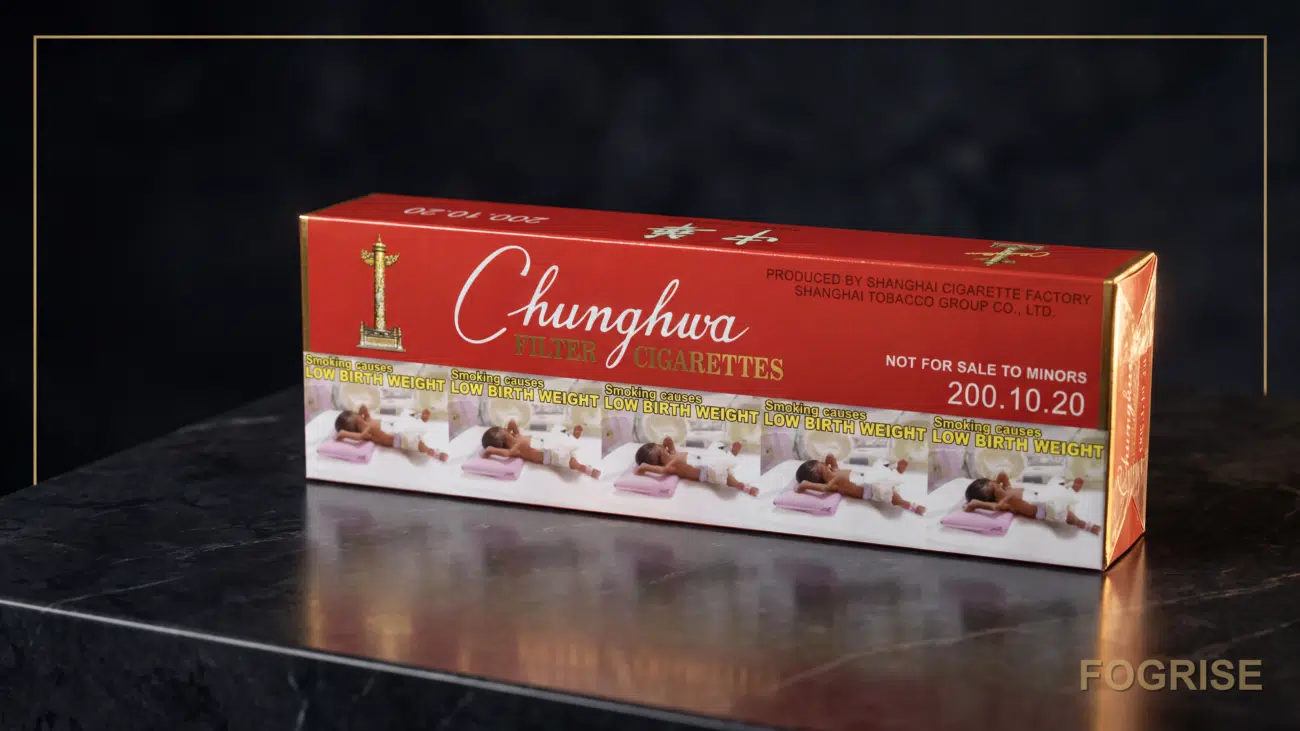
- Plain Pantone 448 C packaging hides every brand. Since October 2020, all Dutch packs are standardised drab-brown, with brand names printed in a single standard font.
- Top Chinese brands in NL: Chunghwa leads demand, followed by Nanjing, Zhongnanhai, Panda, and Huanghelou, mostly via duty-free and personal import channels.
Table of Contents
- Abstract
- Key Takeaways
- Table of Contents
- The Dutch Tobacco Landscape in 2025
- Top Chinese Cigarette Brands Sought in the Netherlands
- Where to Find Chinese Cigarettes in the Netherlands
- Understanding Dutch Tobacco Import Rules and Duty Allowances
- IQOS and Heated Tobacco Products in the Netherlands
- Chinese Tobacco Culture and the Expat Community in the Netherlands
- Frequently Asked Questions
- Conclusion
The Dutch Tobacco Landscape in 2025
The Netherlands banned tobacco sales in supermarkets, hotels, and restaurants on 1 July 2024 under the Tobacco and Smoking Products Act (Tabakswet). Only registered specialist tobacconists and licensed duty-free outlets may now sell tobacco. All cigarette packs must use standardised Pantone 448 C plain packaging since 1 October 2020 (Dutch Government, 2024).
The Dutch tobacco rules matter here because they set hard limits on what Chinese brands can reach you, and how. The Netherlands runs one of Europe’s stricter tobacco-control regimes, classified as a high-performing country under the WHO MPOWER framework, sitting alongside Finland’s tobacco endgame trajectory and Sweden’s snus-dominated market at the strict end of the European spectrum. Smoking causes cancer, heart disease, and premature death. That is not opinion; it is the clinical baseline every Dutch policy in this section is designed to address.
Key Dutch tobacco rules at a glance (2025):
- All tobacco sales are governed by the Tobacco Act (Tabakswet) (Government of the Netherlands, 2024).
- Supermarkets, restaurants, hotels, and bars can no longer sell tobacco; only registered tobacconists and licensed duty-free outlets may (Government of the Netherlands, 2024).
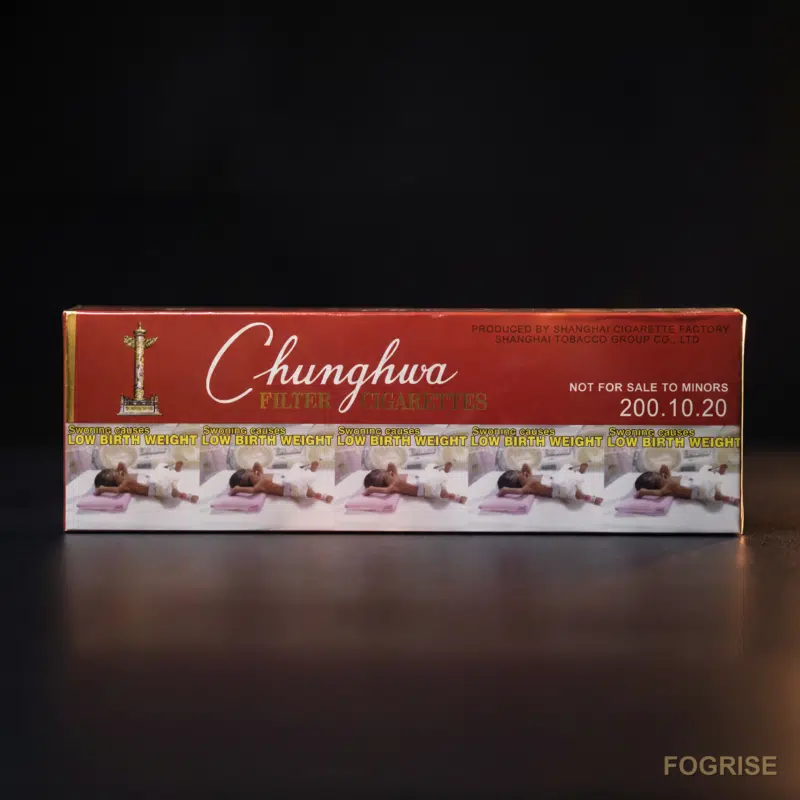
- Every pack uses standardised plain Pantone 448 C packaging with 65% pictorial health warnings (WHO FCTC, 2020).
- Cross-border online sales of tobacco to Dutch consumers are prohibited (Campaign for Tobacco-Free Kids, 2025).
The Tobacco Act (Tabakswet): Core Framework
The Tabakswet is the Dutch statute that governs every tobacco product sold inside the country, from cigarettes and rolling tobacco to e-cigarettes and cigars (Government of the Netherlands, 2024). It sets the minimum legal sales age at 18, restricts advertising and product display, defines what packaging must look like, and gives the Belastingdienst (the Dutch tax authority) the authority to collect excise. xiangyandd applies a stricter floor and serves adults aged 21 and over, in line with the project’s YMYL policy. Local laws override anything you read online, including this article. Verify your situation before you buy.
The 2024 Retail Channel Restriction
Since 1 July 2024, supermarkets, hotels, restaurants, and bars in the Netherlands can no longer sell tobacco products or e-cigarettes (Government of the Netherlands, 2024). Only two channel types remain legal: registered specialist tobacconists (gespecialiseerde tabakszaak) and licensed duty-free outlets at international transit points. That single change rewired Dutch buying habits. If you used to grab a pack at Albert Heijn or Jumbo, you cannot anymore. The legal retail map has shrunk to a few thousand dedicated shops.
Plain Packaging: What It Means for Chinese Brands
Since 1 October 2020, every cigarette and rolling-tobacco pack sold in the Netherlands must use standardised plain Pantone 448 C packaging, a drab dark green-brown shade chosen by health researchers for its low appeal (WHO FCTC, 2020). Brand names appear in a fixed font and size. Logos, colours, gold foil, and decorative elements are banned. Pictorial health warnings cover 65% of the front and back. In July 2025 the same rules extended to e-cigarettes and cigars. For Chinese brands such as Chunghwa, Double Happiness, or Furongwang, this means the gold filigree and red lacquer cues most smokers recognise from home are gone on Dutch shelves, mirroring the pack-design erasure that Chinese-brand buyers also see across the UK’s plain-packaging regime and France’s neutral-pack rules. The product inside is the same; the pack is not.
The Online Sales Ban
Cross-border online distance sales of tobacco products to Dutch consumers are prohibited under the Tabakswet (Campaign for Tobacco-Free Kids, 2025). A foreign webshop shipping cigarettes to a Dutch address is operating outside Dutch law, regardless of where the seller is based or what the listing claims. Tobacco advertising and product display outside registered tobacconists are also banned, which is why you will not see brand storefronts, Instagram ads, or pop-up banners promoting specific cigarettes inside the country.
Top Chinese Cigarette Brands Sought in the Netherlands
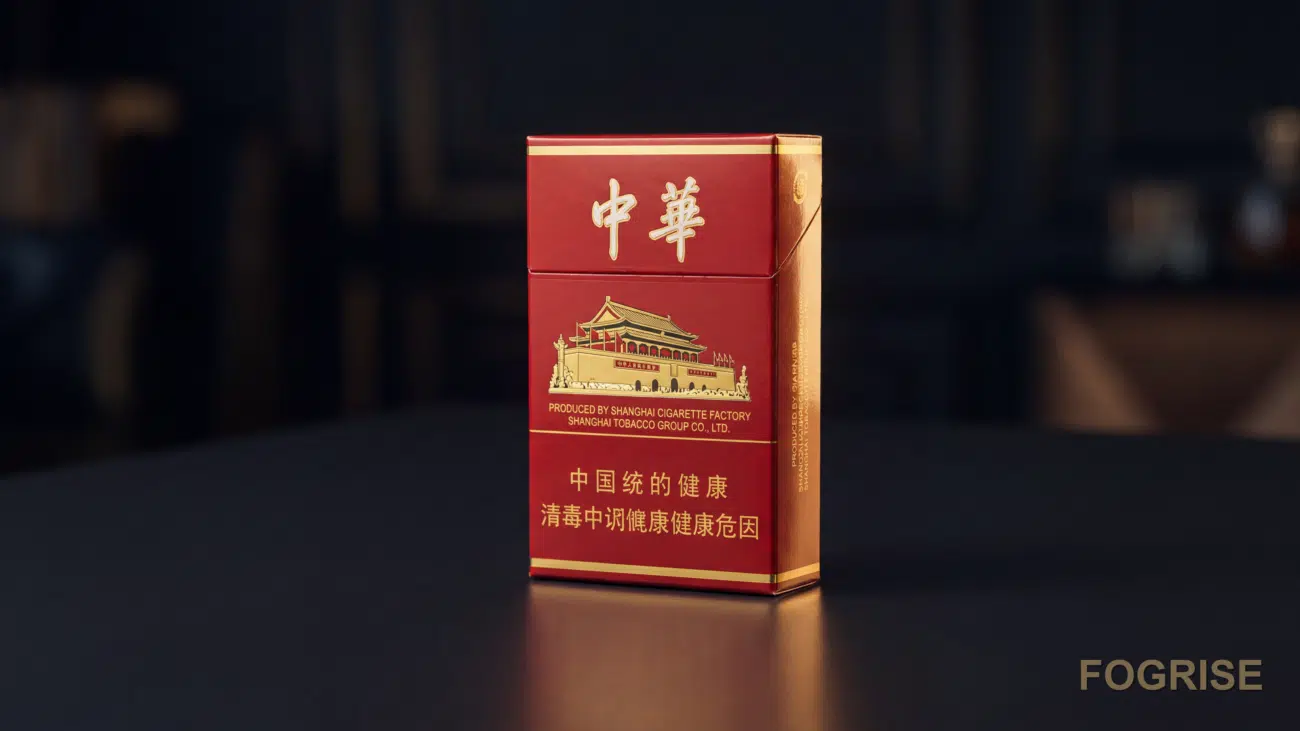
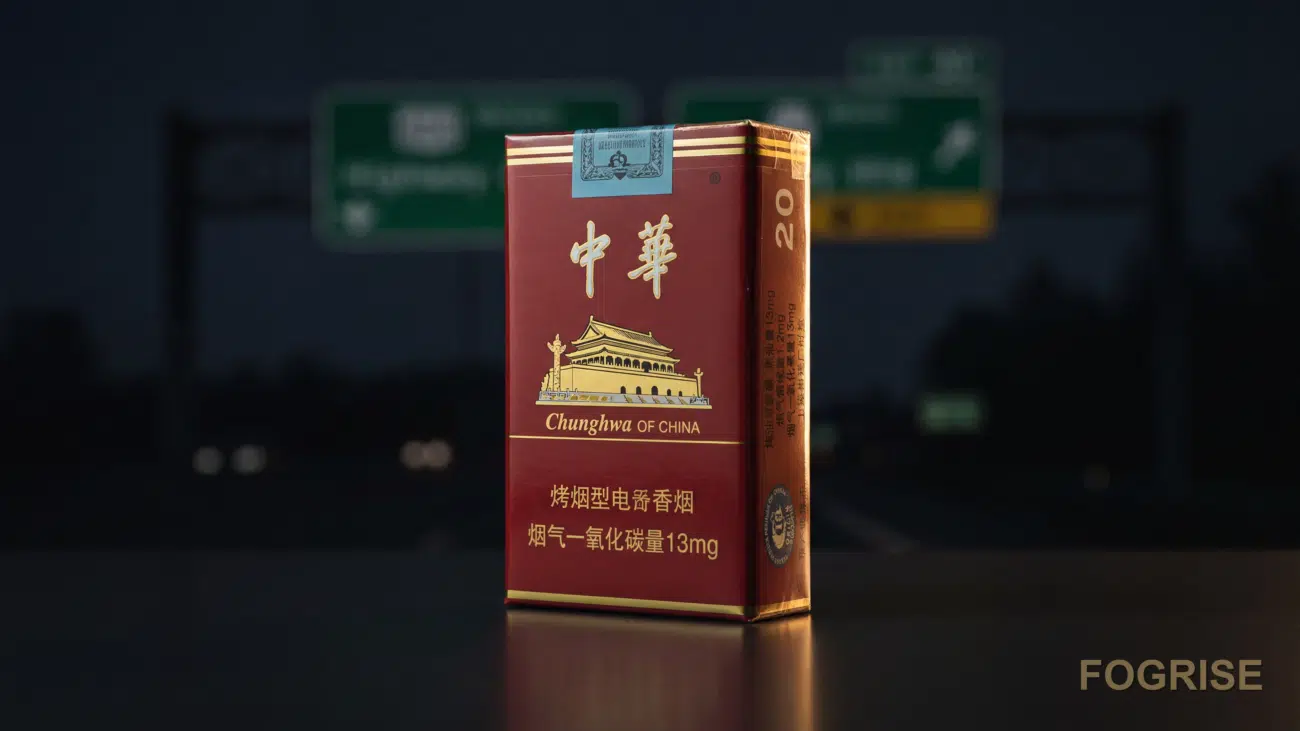
Chunghwa (中华), produced by Shanghai Tobacco Group, is China’s premier gifting cigarette and the most internationally searched Chinese brand. Available at Schiphol Heinemann duty-free for non-EU departing adults, it is priced approximately €25-35 per pack and is subject to the 200-cigarette personal import limit from non-EU countries (Dutch Government, 2024).
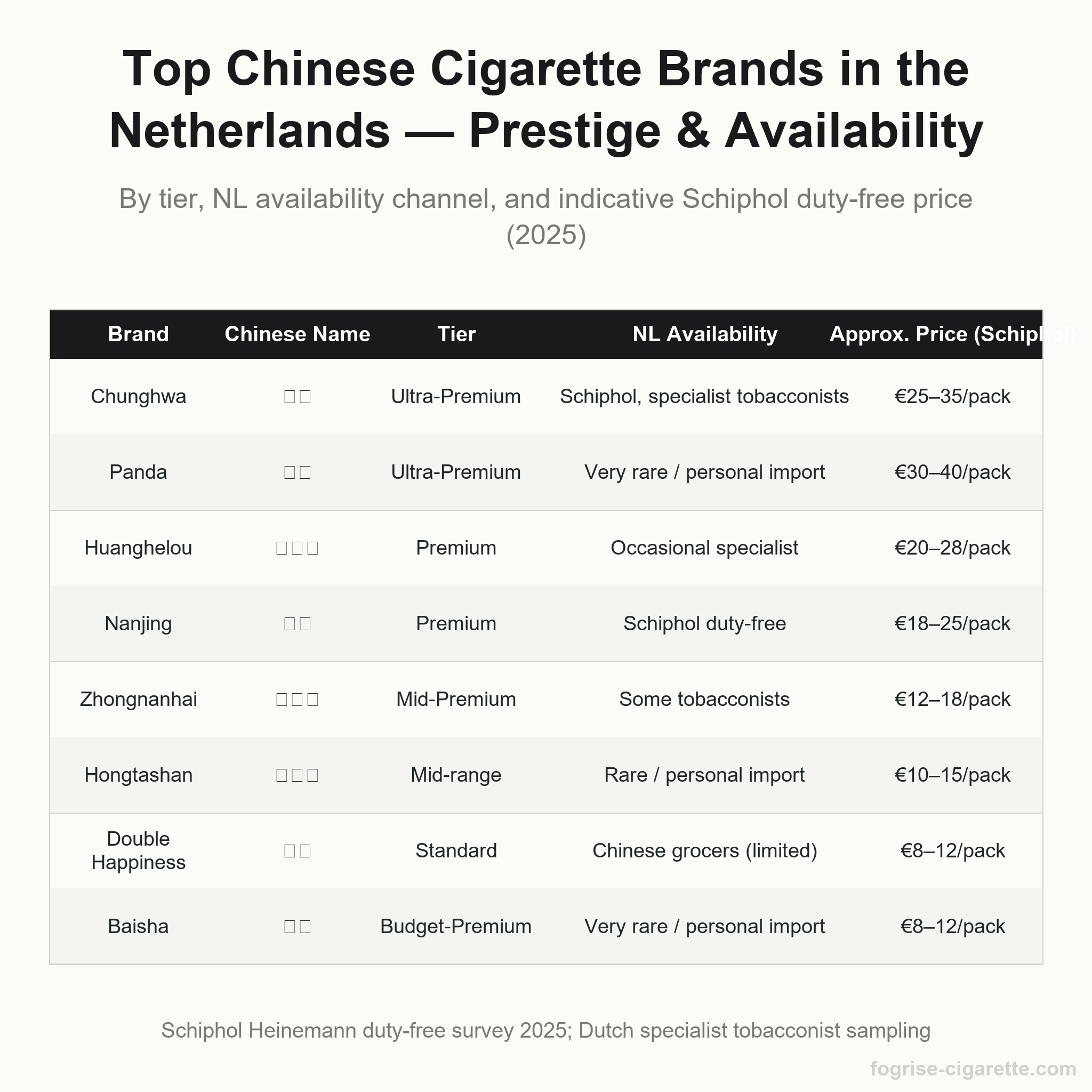
Eight Chinese brands account for nearly every search Dutch buyers run when looking beyond Western tobacco. They split into three tiers: ultra-premium gifting names like Chunghwa and Panda, regional premiums such as Huanghelou and Nanjing, and mass-market classics including Zhongnanhai and Double Happiness. One detail catches every newcomer off guard. Every pack sold legally in the Netherlands is wrapped in standardised Pantone 448 C plain packaging, so the famous original artwork stays hidden. Only the brand name appears, set in a regulator-mandated font (WHO FCTC, 2020).
Chunghwa (中华 / Zhōnghuá)
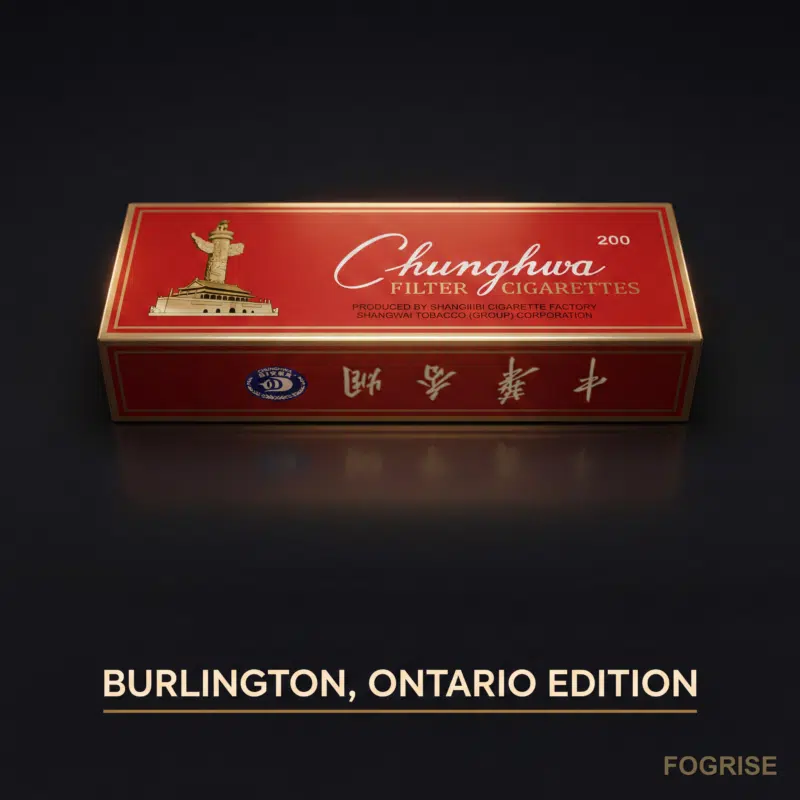
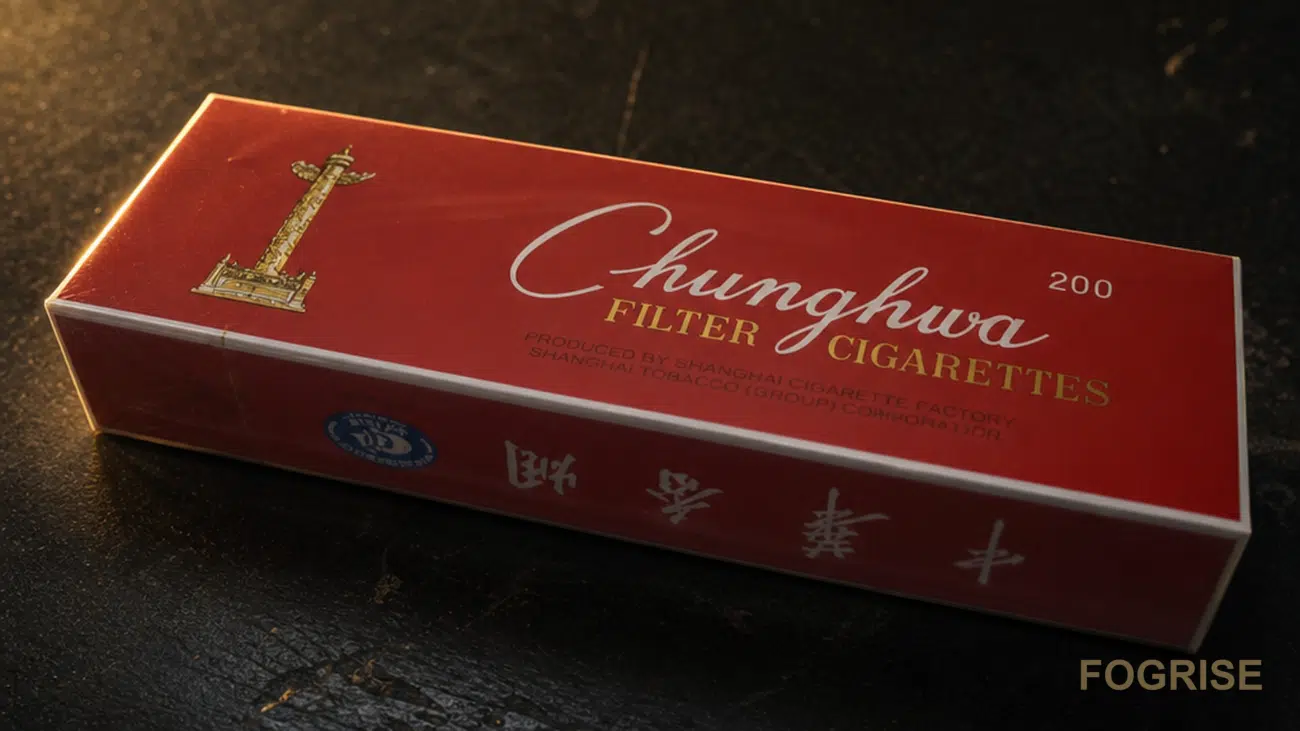
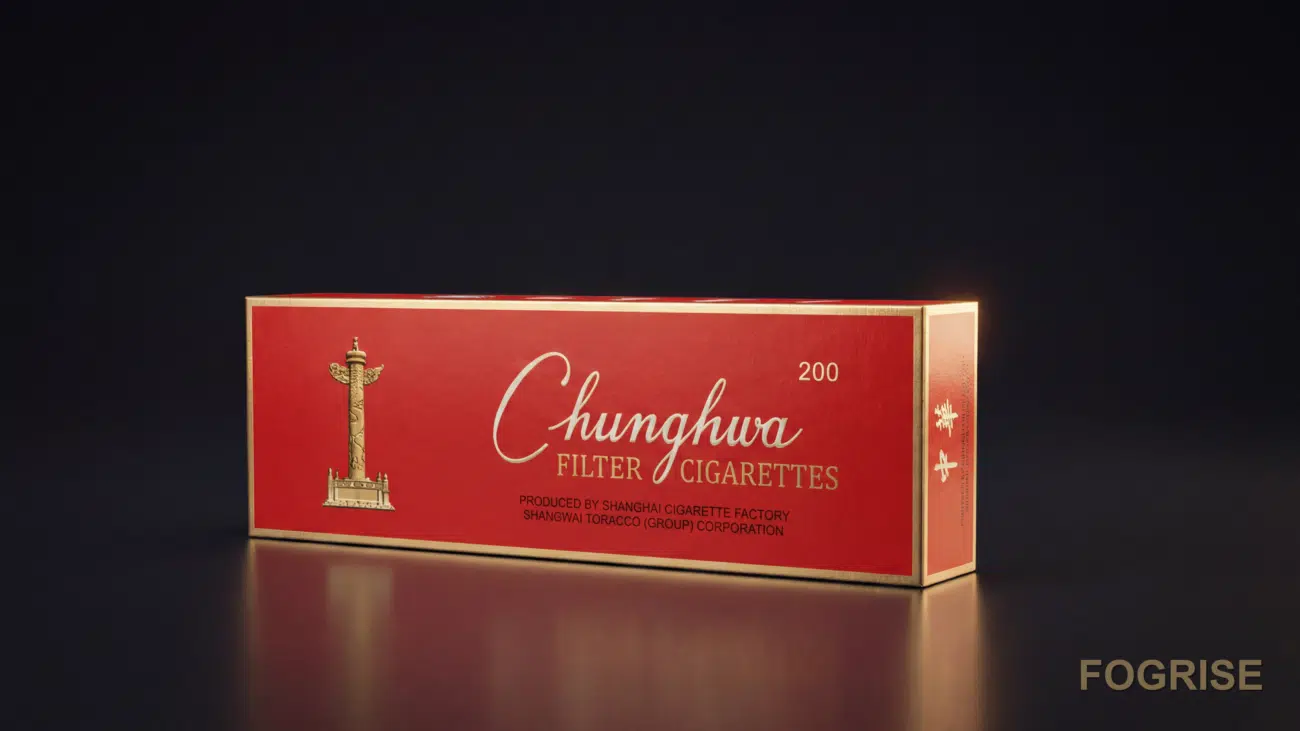
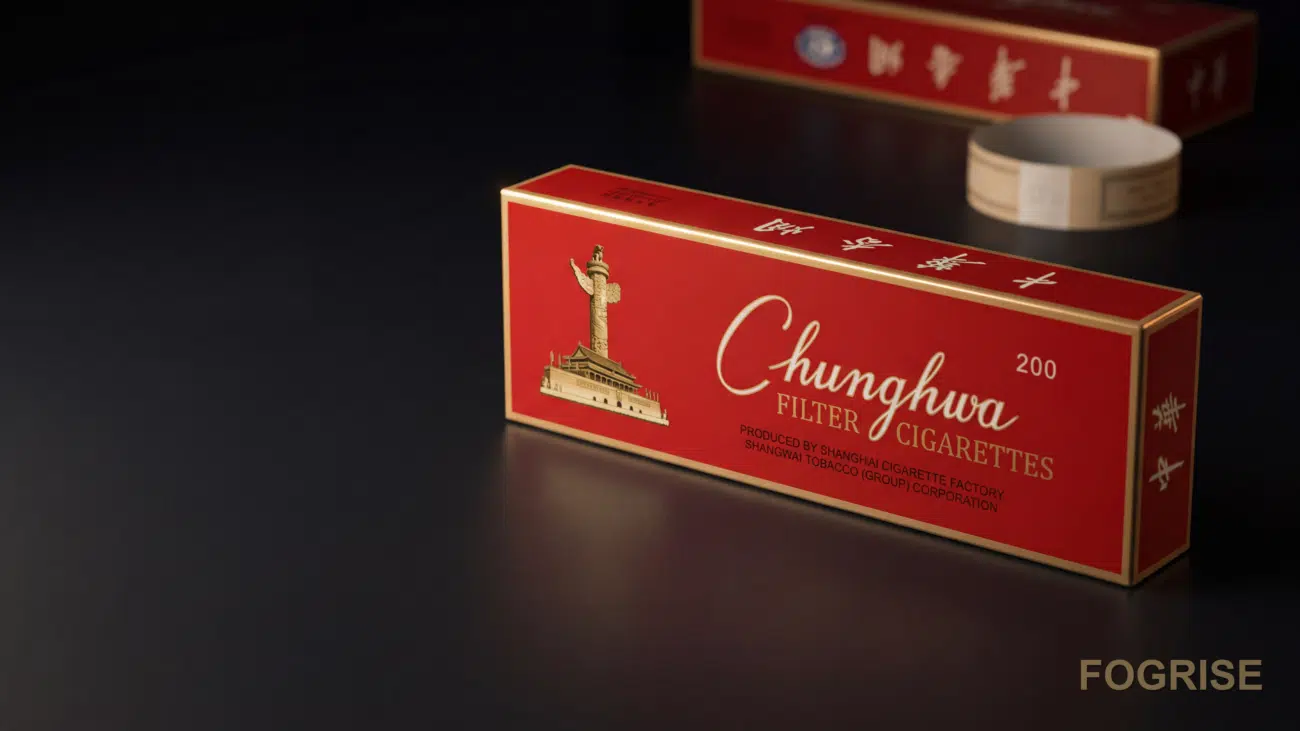
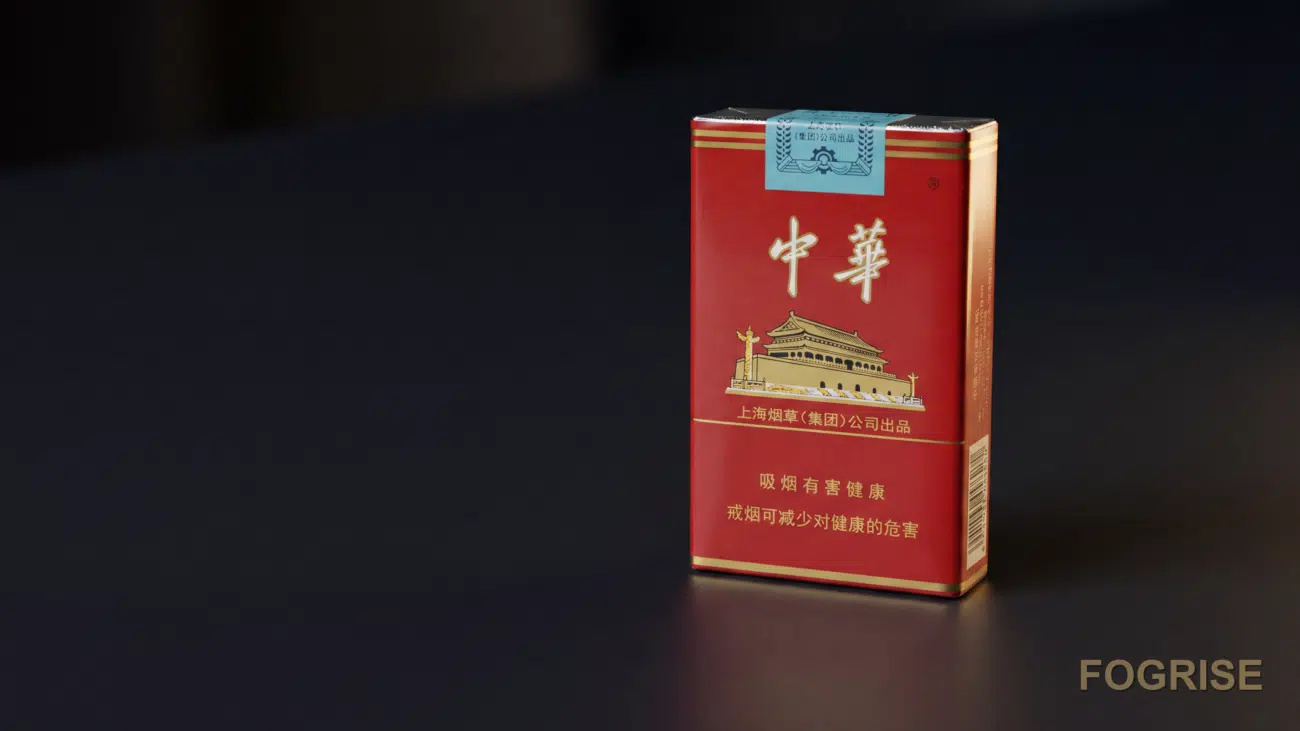
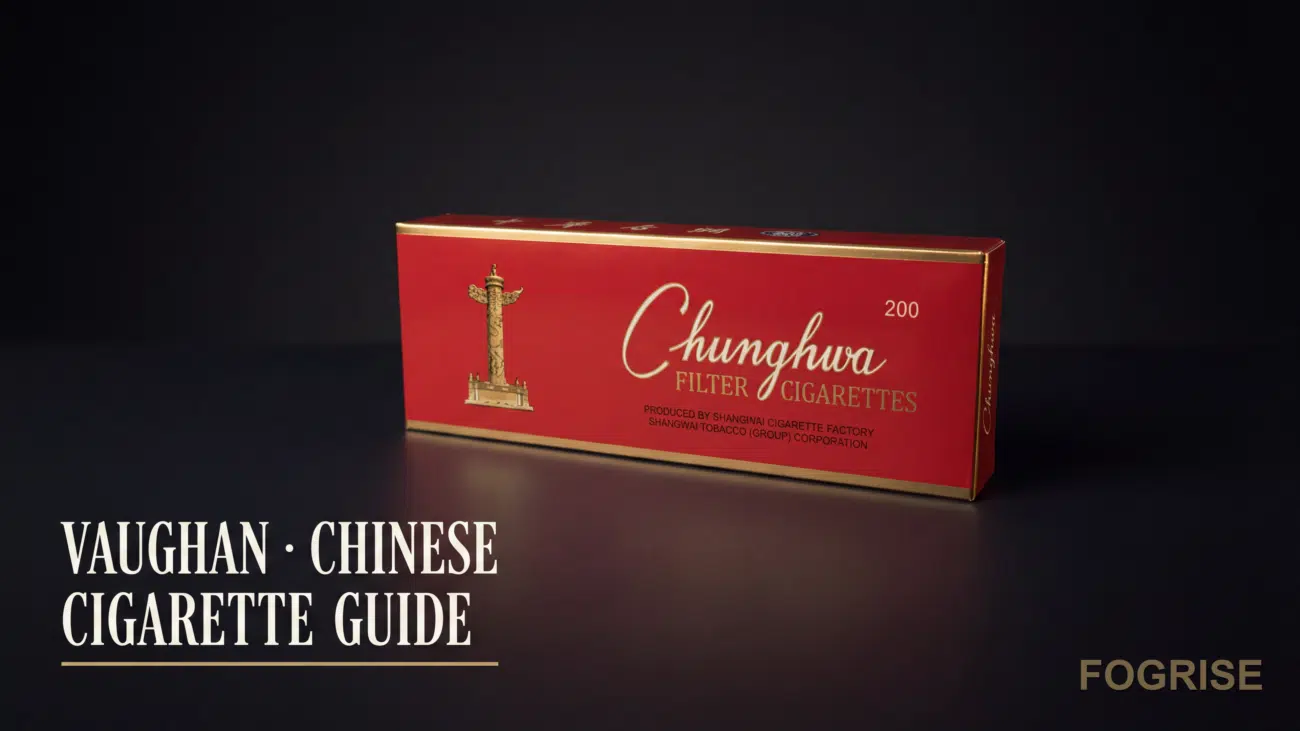
Made by Shanghai Tobacco Group, a subsidiary of China Tobacco, Chunghwa sits at the top of the gifting ladder and is widely called "China’s national smoke" (Shanghai Tobacco Group, 2024). The classic pack carries Tiananmen Gate and Huabiao pillars in bright red, all hidden under Dutch plain packaging. Common variants include Hard Pack, Soft Pack, and Super Slim. Schiphol duty-free stocks it intermittently, and a few specialist tobacconists carry it. Expect roughly €25 to €35 per pack when available.
Panda (熊猫)
Also produced by Shanghai Tobacco Group, Panda is a collector-tier name with famously small production runs. It earned its mythology through historical association with state banquets and senior leadership gifting. In the Netherlands, retail distribution is effectively nil. Most packs that surface here arrive through personal import within the 1-carton traveller allowance. Where it does appear, pricing typically lands between €30 and €40 per pack, which reflects scarcity rather than any verifiable quality claim.
Huanghelou (黄鹤楼)
Huanghelou, produced by Hubei China Tobacco, takes its name from the Yellow Crane Tower in Wuhan, a landmark celebrated for over seventeen centuries. The brand positions itself on craft heritage and uses central-China leaf blends. Dutch buyers find it occasionally at specialist tobacconists in Amsterdam, Rotterdam, and The Hague, though stock turnover is unpredictable. Expect €20 to €28 per pack when it does appear. The regulator-mandated plain pack strips away the brand’s distinctive crane artwork that defines its identity at home.
Nanjing (南京)
Jiangsu China Tobacco, a CNTC subsidiary, produces Nanjing as a premium southeast-China classic (Shanghai Tobacco Group, 2024). Among the eight brands listed here, it shows up most consistently at Schiphol duty-free, which makes it the practical first choice for travellers who want a guaranteed pickup rather than a search. Pricing usually sits between €18 and €25 per pack at duty-free. The brand draws cultural weight from Nanjing’s role as a historic southern capital, a heritage that local advertising leans on inside China but cannot show on Dutch shelves.
Zhongnanhai (中南海)
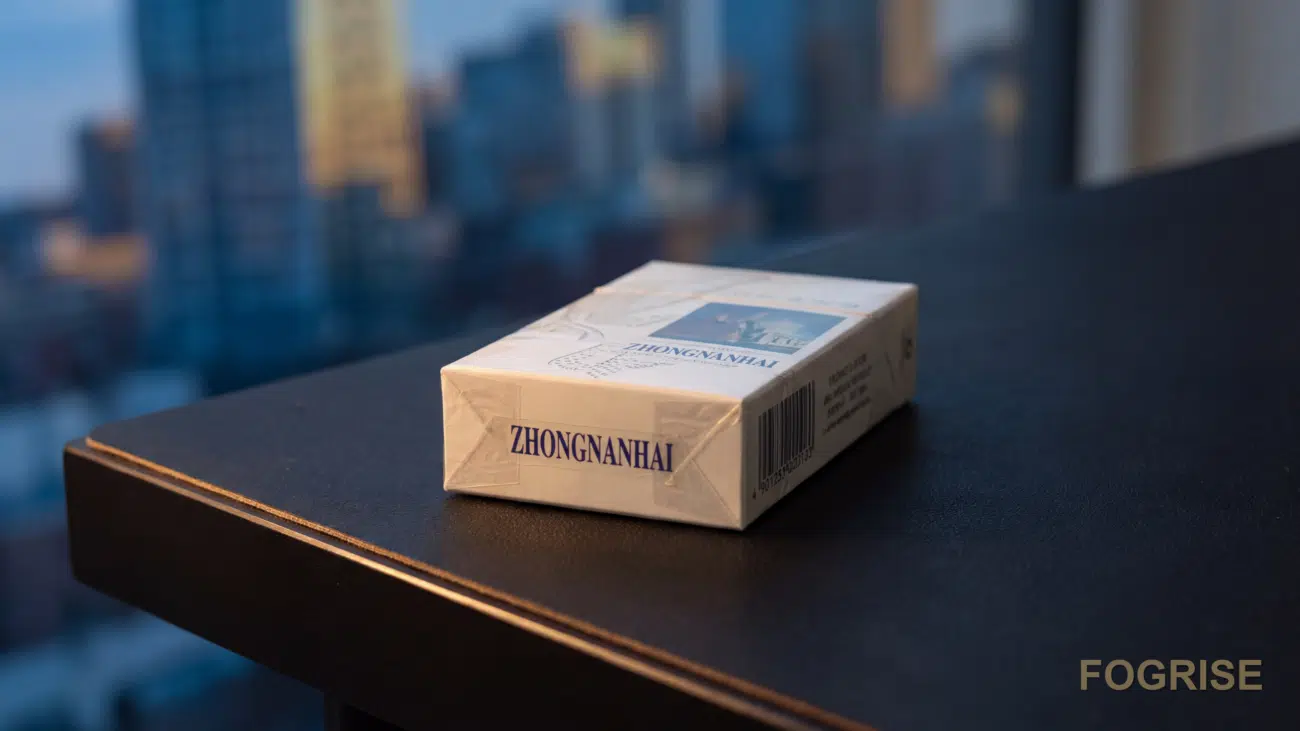
Beijing Tobacco Corporation produces Zhongnanhai, named after the leadership compound west of the Forbidden City (Shanghai Tobacco Group, 2024). The brand offers an unusually wide tar ladder, with 1, 3, 5, 8, and 10 mg variants commonly cited, though Dutch retail typically carries only one or two. Mao-era mythology gave the name lasting recognition among Chinese smokers abroad. Specialist tobacconists in larger Dutch cities sometimes stock it, and a handful of Asian grocery stores carry occasional shipments. Street price runs €12 to €18 per pack.
Hongtashan (红塔山)
Hongta Tobacco of Yunnan produces Hongtashan, and the red-pagoda pack design references the Yunnan landmark the company is named after. The blend leans on Yunnan-leaf tobacco, the same growing region many Chinese mid-range brands draw from. In the Netherlands the brand is rare on shelves, and most packs arrive through personal import. Where found, expect €10 to €15 per pack, which reflects its mid-range domestic position rather than any premium claim.
Double Happiness (双喜 / Shuāng Xǐ)
Produced by Guangdong China Tobacco, Double Happiness carries the doubled 喜 character used at weddings and celebrations across Chinese culture. That symbolic weight makes the brand a fixture at banquets back home. In the Netherlands a handful of Chinese grocery stores carry it on a limited basis, particularly in Amsterdam-Oost and Rotterdam neighbourhoods with established Chinese communities. Pricing typically falls between €8 and €12 per pack, which positions it as the most accessible entry point on this list for casual Dutch buyers.
Baisha (白沙)
Hunan China Tobacco produces Baisha, a budget-premium brand that ranks among China’s highest-volume sellers domestically. Outside China, distribution thins quickly, and Dutch availability is limited to personal import within the duty-free traveller allowance. The few packs that surface in specialist channels tend to price between €8 and €12. For Dutch buyers, Baisha represents the trade-off at the bottom of the imported-brand market: low domestic Chinese price, but high friction and inconsistent supply once you cross the EU border.
Where to Find Chinese Cigarettes in the Netherlands
Tracking down Chunghwa, Nanjing or Double Happiness in the Netherlands narrowed sharply on 1 July 2024, when the country closed every supermarket, petrol-station and horeca tobacco counter in a single stroke. Three legal channels survive. Each has different paperwork, age checks and stocking quirks, and only one of them reliably carries Chinese brands at any given moment.
The three legal channels for adults 21+ in the Netherlands:
- Schiphol Heinemann duty-free: for passengers on non-EU international flights, with age verification at the till.
- Licensed specialist tobacconists (sigarenwinkels / tabakszaken): the only remaining bricks-and-mortar retail since 1 July 2024.
- Personal import: adult travellers carrying their own supply through customs within published allowances.
What is not legal: cross-border online orders of tobacco to a Dutch address (the Tobacco and Smoking Products Act bans distance sales from any supplier, foreign or domestic); buying from supermarkets, kiosks or hospitality venues (banned 1 July 2024); and under-declaring quantities at customs to stretch the personal allowance.
Schiphol Airport Duty-Free: The Best Legal Source
Schiphol’s duty-free shops are operated by Gebr. Heinemann across the H and D departure terminals, and Asian tobacco, including Chunghwa and Nanjing, is part of the rotating range (Government of the Netherlands, 2024). Stocking is genuinely variable. Traveller reports indicate full Chunghwa Soft and Hard displays on some weeks and bare shelves on others, so any single trip is best treated as a snapshot, not a guarantee.
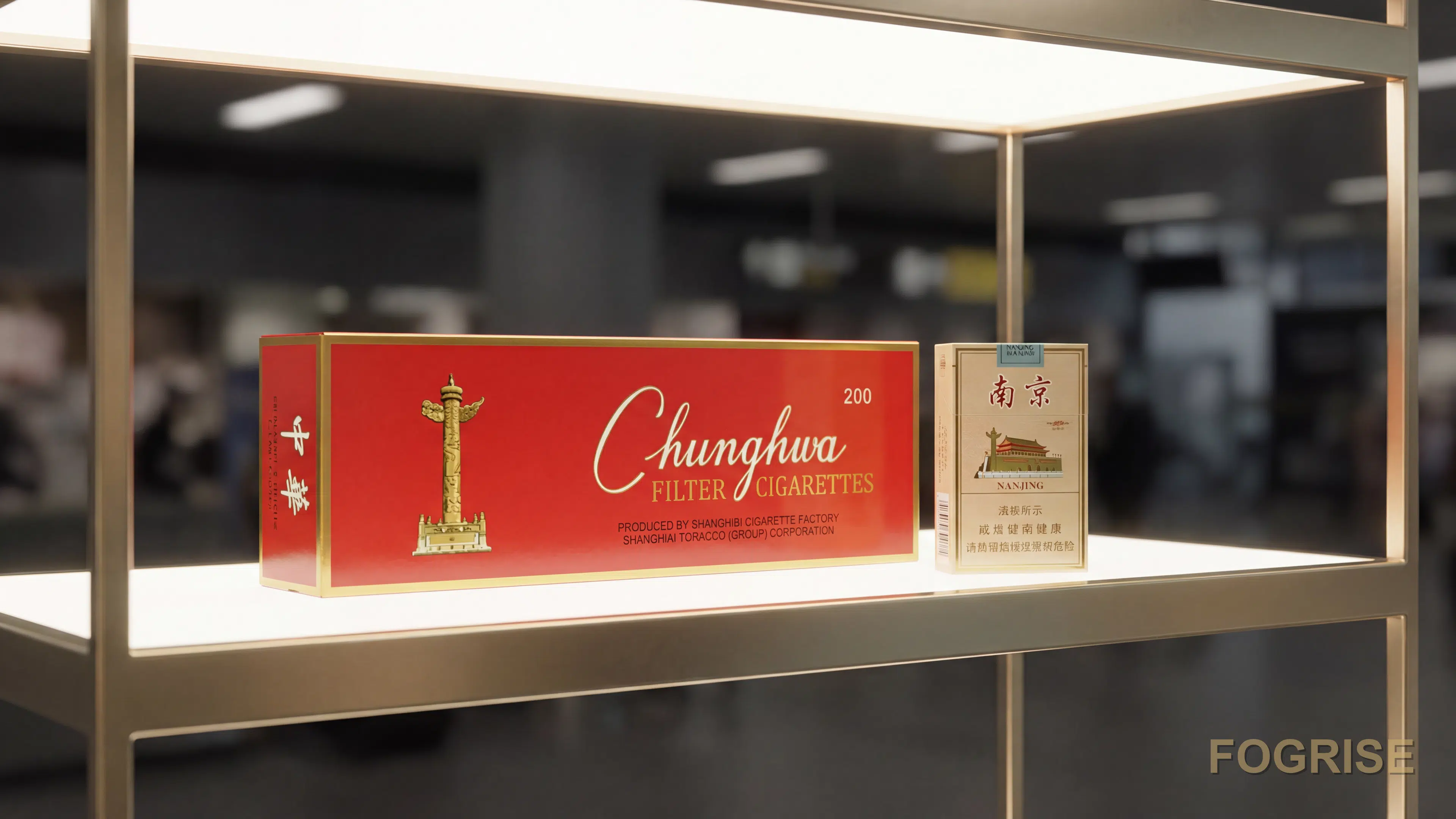
Three rules govern who can actually buy. First, duty-free tobacco is restricted to passengers on non-EU international flights, generally departing, or arriving from a non-EU origin. An intra-Schengen connection does not qualify. Second, age verification is mandatory at the till; bring photo ID even if you look comfortably over 30. Third, purchase quantities are capped at personal-use levels, and onward commercial resale is prohibited under Heinemann’s terms and Dutch customs rules.
Specialist Tobacconists in Amsterdam, Rotterdam and The Hague
Since 1 July 2024, licensed specialist tobacconists are the only retail channel for tobacco inside Dutch borders outside duty-free (Government of the Netherlands, 2024). Amsterdam holds the densest cluster, with established shops in the historic centre and along the Zeedijk and Nieuwmarkt corridors that have long served the Chinese community. Rotterdam and The Hague have their own networks, often clustered near the central station districts and Chinese-expat neighbourhoods.
Stocking of Chinese-market brands is uneven across these networks: only a minority of tobacconists carry any Chinese SKU at a given time, and turnover varies from weekly restocks to "whenever a regular asks". Call ahead. Ask specifically for Chunghwa (中华), Nanjing (南京) or Double Happiness (双喜) by name. Display rules also matter to know: plain packaging applies, external advertising is forbidden, and the shopfront window cannot show product, so a tobacconist that looks closed from the street is often very much open.
Personal Import: Bringing Your Own Supply
If you are travelling into the Netherlands as an adult, the personal allowance is straightforward (Government of the Netherlands, 2024). From a non-EU country such as China, the United Kingdom, or Switzerland, the duty-free limit is 200 cigarettes, roughly one carton. From another EU country such as neighbouring Germany, the indicative personal-use limit is 800 cigarettes, four cartons, with customs free to ask questions if they suspect resale.
Two things to be precise about. This is a personal-import path, not an online-shopping workaround; ordering Chinese cigarettes to a Dutch address remains illegal regardless of carrier or country of origin. And anything above the allowance must be declared at the red customs channel, where excise duty and VAT become payable. Under-declaring is a customs offence carrying fines that quickly exceed the cost of the tobacco itself. Treat the allowance as a ceiling for your own consumption between trips, not as a stockpiling target.
Understanding Dutch Tobacco Import Rules and Duty Allowances
Adult travellers entering the Netherlands from non-EU countries may bring a maximum of 200 cigarettes duty-free for personal use, equivalent to one standard carton. The EU minimum excise duty on cigarettes is at least €90 per 1,000 cigarettes. Dutch VAT of 21% also applies on any excess quantity declared at customs (European Commission, 2023).
Before any pack crosses a Dutch border, two authorities decide whether it enters legally: the Dutch Douane (Customs) and the Belastingdienst (Tax Administration). They share one rulebook with travellers, and that rulebook is unusually specific. Read it once and the rest of this guide makes sense; skip it and an honest order becomes a customs file.
Non-EU personal import allowance
A traveller arriving in the Netherlands from outside the EU may bring 200 cigarettes duty-free per adult, which is roughly one standard carton of ten packs of twenty. The figure is fixed by Dutch Douane and applies whether the cigarettes are Chinese, American, or anything else (Government of the Netherlands, 2024). Equivalents exist for other tobacco categories, and they are not additive: pick one column or split proportionally. Travellers under 17 may bring no tobacco at all, regardless of who carries it for them.
| Category | Non-EU allowance | EU-origin indicative limit |
|---|---|---|
| Cigarettes | 200 | 800 |
| Cigarillos | 100 | 400 |
| Cigars | 50 | 200 |
| Smoking tobacco | 250 g | 1 kg |
Source: Dutch Douane / Belastingdienst; EU Directive 2008/118/EC on excise duties.
EU-origin indicative limit
Movement inside the EU is governed by Directive 2008/118/EC, which sets an indicative limit of 800 cigarettes per adult traveller moving goods between member states for personal use (European Commission, 2024), so the same ceiling applies whether you are arriving from Berlin, Spain, or Helsinki. The word indicative matters. Below 800, the personal-use presumption is generally accepted; above it, Douane may ask questions about frequency, packaging, and intent, and quantities that look commercial get reclassified as such. Family events and long trips do not automatically raise the bar.
Excise tax and VAT reality
Anything above the duty-free threshold owes both Dutch excise and 21% VAT. The EU minimum excise floor is €90 per 1,000 cigarettes or 60% of the weighted-average retail selling price, whichever is higher (European Commission, 2024). The Netherlands sits well above that floor and ranks among the highest-taxed tobacco markets in Europe, with combined duty pressure similar to what buyers face in Canada’s heavily-taxed market. Layered on top, the standard 21% Dutch VAT applies to the full landed value, including excise (Belastingdienst/Douane, 2024). The combined load is the reason cross-border buyers calculate landed cost before, not after, the order ships.
Customs declaration requirements
If you exceed the allowance, the rule is simple: declare at Douane, pay excise and VAT on the excess, walk through. Under-declaration is a criminal customs offence under Dutch law, not a parking ticket, and the plain Pantone 448 C packaging mandated across the EU means inspectors cannot tell brands apart by sight. They open boxes and count. A traveller who declares honestly pays a calculable bill; one who hides ten cartons in a suitcase risks seizure, a fine that often exceeds the goods’ value, and a customs record that follows future entries.
IQOS and Heated Tobacco Products in the Netherlands
Chinese expats arriving in the Netherlands often ask the same question at customs: do the rules that cover combustible cigarettes also cover IQOS, HEETS, and TEREA? The short answer is yes, and the regulatory frame has tightened considerably since 2024.
Legal Status of IQOS in the Netherlands
IQOS has been legally sold in the Netherlands since Philip Morris launched the system in 2017, and the device is regulated under the same Dutch Tobacco Act (Tabaks- en rookwarenwet) as ordinary cigarettes (WHO Europe, 2024). That stands in sharp contrast to the heated-tobacco landscape in Singapore, where IQOS is fully banned, and to the conditional access regime applied to heated products in Malaysia. That means plain packaging, an age-18 minimum, and the post-July-2024 ban on sales through supermarkets and horeca venues. Advertising outside specialist tobacco outlets is prohibited. The EU Tobacco Products Directive has explicitly covered heated tobacco products since its 2020 revision, so device-level requirements (emission testing, ingredient reporting, health warnings) apply across the bloc (European Parliament and Council, 2014).
A note on health framing. The U.S. FDA authorised certain IQOS products as "Modified Risk Tobacco Products" in 2020. The FDA’s designation applies only in the United States and does not constitute a safety claim. Dutch authorities, including the RIVM (the national public-health institute), monitor heated-tobacco prevalence and have not endorsed reduced-risk marketing in the Netherlands.
Under Dutch customs practice, a sealed TEREA carton at Schiphol is treated the same way as a Marlboro carton: identical questions, the same allowance calculation, and identical paperwork on any over-allowance excess.

HEETS and TEREA Import Limits
HEETS and TEREA sticks are taxed under the smoking-tobacco excise category and fall inside the standard non-EU traveller allowance: 200 sticks per adult, equivalent to one carton, when arriving from outside the EU (Government of the Netherlands, 2024). The 200-unit ceiling is identical to combustible cigarettes, and exceeding it triggers excise duty plus a possible fine. Travellers moving within the EU enjoy the larger personal-use threshold (typically 800 sticks), provided the goods are clearly for own consumption.
Where to Buy IQOS in the Netherlands
Dedicated IQOS stores operate in Amsterdam, Rotterdam, The Hague, and Utrecht, alongside PMI-partnered specialist tobacconists. Since the July 2024 retail restrictions, Albert Heijn and similar grocers no longer stock the consumables, so HEETS and TEREA inventory now sits with tabakzaken and dedicated IQOS boutiques. Online sales to private addresses are tightly limited under Dutch law, and cross-border shipments from non-EU vendors are routinely intercepted.
Chinese Tobacco Culture and the Expat Community in the Netherlands
Approximately 100,000-150,000 people of Chinese descent live in the Netherlands, concentrated in Amsterdam’s Zeedijk area, Rotterdam, and The Hague. Premium brands such as Chunghwa (中华) carry significant gifting prestige in Chinese business culture, though all packs have been hidden under standardised Pantone 448 C plain packaging since October 2020.
Chinese cigarettes do not exist in a Dutch vacuum. They reach Dutch shelves and personal travel bags because a sizeable Chinese-heritage population has lived here for generations, carrying with it a tobacco culture in which a single carton can signal respect, hierarchy, and family standing. Understanding that backdrop explains why demand for brands like Chunghwa and Zhongnanhai persists even after plain packaging stripped the visual cues that defined them.
The Chinese community in the Netherlands
The Netherlands hosts one of Western Europe’s longest-established Chinese communities, with roots tracing to early twentieth-century maritime migration through Rotterdam’s port (WHO, 2023). Estimates place the population of Chinese descent at roughly 100,000 to 150,000, concentrated in Amsterdam (around the historic Zeedijk and Nieuwmarkt streets), Rotterdam’s West-Kruiskade, and The Hague (WHO, 2023). These neighbourhoods host Chinese supermarkets, regional associations, and family-run businesses where mainland Chinese consumer habits, including tobacco preferences, quietly persist.
Tobacco as gift: the prestige dimension
In Chinese social custom, a sealed carton of premium cigarettes is a calibrated unit of respect. Chunghwa (中华) sits at the top of that hierarchy, historically associated with state banquets and senior-business hospitality; presenting a carton during Spring Festival visits, wedding negotiations, or supplier meetings communicates seriousness in a way money envelopes alone do not (WHO, 2023). The same gifting patterns show up in Chinese-American households across the United States, where Chunghwa carries identical cultural weight despite different retail conditions. Regional preferences shape what arrives at the door: northern Chinese expats often favour Zhongnanhai, families from the Shanghai and Jiangsu region lean toward Chunghwa or Nanjing, and households of Cantonese origin frequently seek Double Happiness. None of this implies that smoking is harmless, the public-health record on tobacco is unambiguous, but the cultural meaning of the object is real and shapes purchasing patterns in the Dutch diaspora.
Plain packaging and cultural identity
The Netherlands’ plain-packaging rules erased the visual grammar these brands were built on. The red Tiananmen panel of Chunghwa and the distinctive Zhongnanhai blue are gone from Dutch shelves, replaced by uniform drab packs distinguished only by the brand name in a standard typeface. For Chinese consumers raised on packaging as identity, this flattens a once-instant recognition into a careful label read. Schiphol Airport partly bridges the gap: as the main gateway from China, it is where arriving travellers may bring their personal duty-free allowance of original-packaging Chinese cigarettes into the country, and where departing passengers can sometimes find familiar brands in the duty-free range.
Frequently Asked Questions
Can I buy Chinese cigarettes online in the Netherlands?
No. Dutch law prohibits cross-border distance sales of tobacco products to consumers in the Netherlands. This means no domestic or foreign online retailer may legally deliver cigarettes, including Chinese brands, to a Dutch address (Campaign for Tobacco-Free Kids, 2025). Attempting to order online risks customs seizure and potential legal consequences. The only lawful retail channels are registered specialist tobacconists and licensed duty-free retailers such as Schiphol’s Heinemann shops.
How many cigarettes can I bring into the Netherlands from China?
Adults (18+ by Dutch law) travelling from a non-EU country such as China may bring 200 cigarettes, roughly one standard carton, into the Netherlands duty-free for personal use (Government of the Netherlands, 2024). Bringing more than the allowance requires customs declaration and payment of Dutch excise duty and 21% VAT on the excess. Travellers under 17 may bring no tobacco at all. For personal import from another EU country, the indicative limit is 800 cigarettes.
Is Chunghwa (中华) available in Dutch stores?
Chunghwa is occasionally available at Schiphol Airport’s Heinemann duty-free shops for passengers on non-EU international flights, but stock is not guaranteed and varies by season (Shanghai Tobacco Group, 2024). A small number of specialist tobacconists in Amsterdam and other cities sometimes carry it. Outside these channels, Chunghwa is not available through any legal Dutch retail outlet. Supermarkets and online ordering are not permitted under Dutch tobacco law.
What is plain packaging and how does it affect Chinese brand identification in the Netherlands?
Since October 2020, all tobacco packs sold in the Netherlands must use standardised Pantone 448 C packaging, a drab dark brown-green colour, with the brand name in a single standard font and no logos, colours, or decorative elements (WHO FCTC, 2020). The iconic original designs of Chinese brands (Chunghwa’s red Tiananmen pack, Zhongnanhai’s blues) are not visible on Dutch shelves. Brands can only be identified by their name in the standard typeface.
Are IQOS and HEETS legal in the Netherlands?
Yes. IQOS heated-tobacco devices and their compatible sticks (HEETS, TEREA) are legal in the Netherlands and have been sold since 2017 (WHO Europe, 2024). They are subject to the same Tobacco Act restrictions as cigarettes: plain packaging, age gate (18 minimum), and since July 2024 banned from supermarkets. Dedicated IQOS specialty stores and certain tobacconists carry them. HEETS from outside the EU are subject to the 200-unit personal import allowance.
Where at Schiphol can I buy Chinese cigarettes duty-free?
Schiphol’s duty-free shops are operated by Heinemann and located in the international departure halls (primarily H and D terminals) (Shanghai Tobacco Group, 2024). Duty-free tobacco purchase is only available to passengers on non-EU international flights and requires a valid boarding pass and age verification. Availability of specific Chinese brands such as Chunghwa or Nanjing is not guaranteed. Check with Heinemann before your trip, or ask at the counter on arrival.
What is the legal buying age for cigarettes in the Netherlands?
The legal minimum age to purchase tobacco products in the Netherlands is 18 (Campaign for Tobacco-Free Kids, 2025). Retailers are required to check age on every sale. xiangyandd addresses its content to adults aged 21 and over, consistent with responsible tobacco communications standards. Minors may not purchase, possess, or import tobacco in the Netherlands. Smoking remains the leading preventable cause of disease and death in the country, and no age threshold makes the product safe.
What are the Dutch excise taxes on imported cigarettes?
Dutch excise on cigarettes is among Europe’s highest, set above the EU minimum of €90 per 1,000 cigarettes (or 60% of the weighted-average retail price, whichever is greater) (European Commission, 2024). On top of excise, 21% Dutch VAT applies. If you bring more cigarettes than your personal allowance, you must declare them and pay both excise and VAT on the excess at Douane (Dutch Customs). Deliberately under-declaring tobacco is a customs offence.
Conclusion
The Netherlands runs one of Europe’s strictest tobacco retail regimes. Plain olive-brown packaging since 2020, the July 2024 channel ban that stripped cigarettes from supermarkets and petrol stations, and a hard prohibition on online tobacco sales together push the category into a narrow corridor of specialist outlets. None of that closes the door on Chinese cigarettes for adult connoisseurs living in or visiting the country. Schiphol’s Heinemann duty-free carries familiar names for departing travellers, established tobacconists in Amsterdam, Rotterdam, and The Hague stock imported SKUs behind the counter, and personal import within the 200-cigarette non-EU allowance lets you bring back Chunghwa, Nanjing, or Zhongnanhai legally after a trip. The iconic red-and-gold artwork stays hidden under the standardised Dutch plain pack, but the tobacco inside is the same.
Verify your specific situation with the Dutch Douane and any rules tied to your residency before you buy or import. Explore our selection of Chinese cigarettes and heated tobacco products, with worldwide shipping available for eligible adult customers in jurisdictions where online tobacco purchase is permitted. Smoking is harmful and addictive. This guide is written for adults 21+ making informed, lawful decisions.
References
-
Dutch Government. (2024). Bringing tobacco and cigarettes with you to the Netherlands. Government of the Netherlands. https://www.government.nl/themes/migration-and-travel/travelling-outside-the-netherlands/customs-declarations/bringing-tobacco-and-cigarettes-with-you-to-the-netherlands
-
Belastingdienst/Douane. (2024). Additional custom fees — Online shopping outside the Netherlands. Dutch Tax and Customs Administration. https://www.douane.nl/en/themes/online-shopping-and-parcels/order-online-outside-the-netherlands/additional-custom-fees
-
European Commission. (2023). Excise duties on tobacco. Taxation and Customs Union. https://taxation-customs.ec.europa.eu/taxation/excise-duties/excise-duties-tobacco_en
-
Tobacco Control Laws. (2024). Netherlands — Legislation overview. Campaign for Tobacco-Free Kids. https://www.tobaccocontrollaws.org/legislation/netherlands
-
World Health Organization. (2023). WHO report on the global tobacco epidemic, 2023. World Health Organization. https://www.who.int/publications/i/item/9789240077690
-
Tobacco Labels. (2024). Plain packaging policies — Netherlands. Global Tobacco Control. https://www.tobaccolabels.ca/plain-packaging-policies
-
Scollo, M., & Winstanley, M. (2022). Tobacco in Australia: Plain packaging. Cancer Council Victoria. https://www.tobaccoinaustralia.org.au/
-
European Parliament. (2014). Directive 2014/40/EU on the manufacture, presentation and sale of tobacco and related products (Tobacco Products Directive). Official Journal of the European Union. https://eur-lex.europa.eu/legal-content/EN/TXT/?uri=CELEX:32014L0040
-
Fong, G. T., et al. (2004). The near-universal experience of regret among smokers in four countries: Findings from the International Tobacco Control Policy Evaluation Survey. Nicotine & Tobacco Research, 6(Suppl 3), S341–S351. https://pubmed.ncbi.nlm.nih.gov/15799596/
Last reviewed and updated: June 2025. Author: xiangyandd editorial team. Adults 21+ only, smoking is harmful; verify your local laws before purchase. Questions? contact our team.


 English (US)
 简体中文
 Deutsch
 Français
 Español