

Blog
Hamilton Chinese Cigarettes: Brands, Prices & 2026 Rules

Abstract
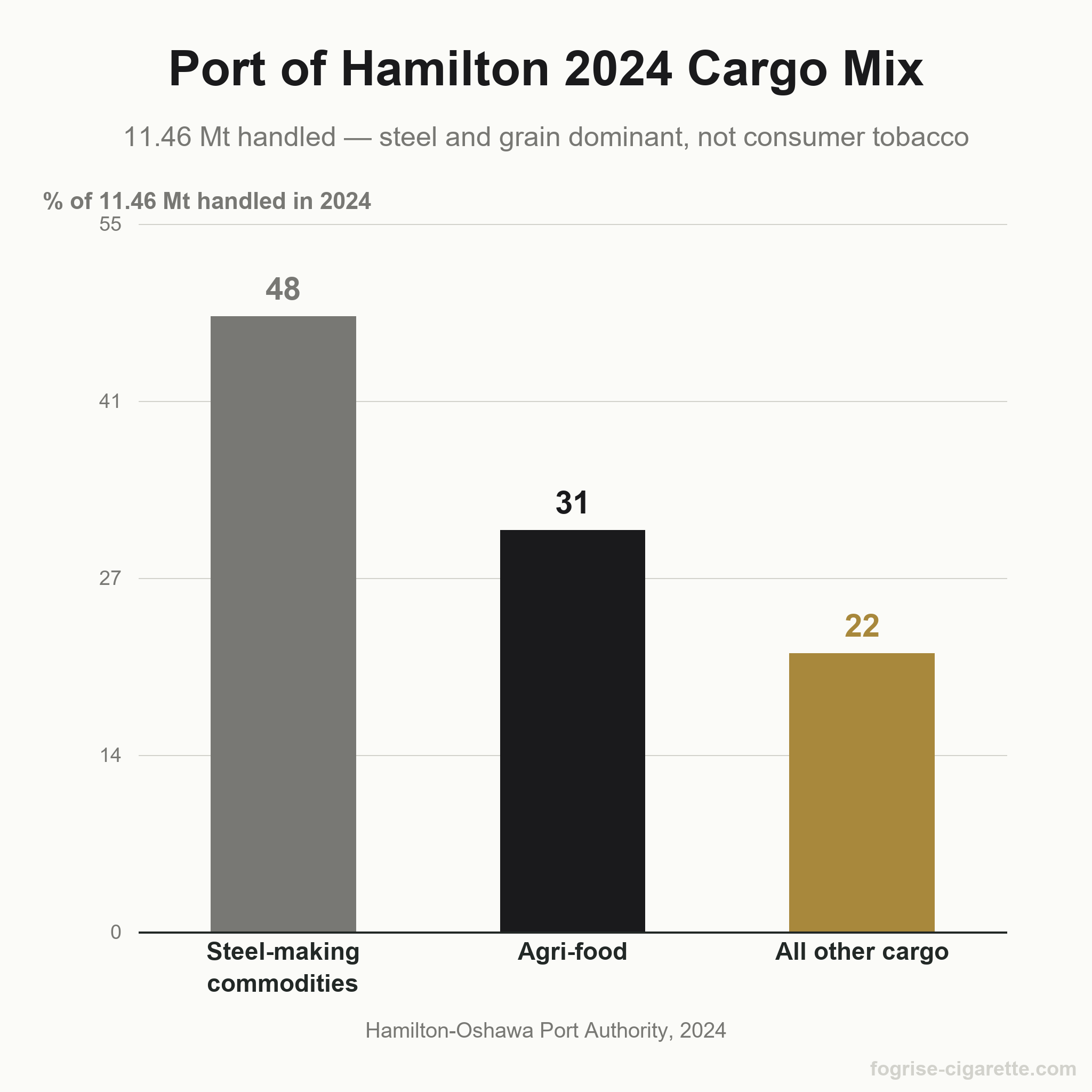
Hamilton feels like a city that should quietly move Chinese cigarettes. The harbour handled 11.46 million tonnes of cargo in 2024, weighted about 47.5% to steel and 31% to agri-food (Hamilton-Oshawa Port Authority, 2024), and three Niagara-frontier bridges sit under an hour down the QEW, with the Rainbow Bridge roughly 71 kilometres out and the Peace Bridge about 96. The intuition is understandable and wrong. Ontario law requires that every cigarette sold at retail carry an Ontario-adapted federal excise stamp, so a genuine mainland-China Chunghwa pack, marked only for the Chinese domestic market, cannot legally sit on a Hamilton shelf regardless of how much freight moves through the port (Government of Canada, 2003). Freight volume and legal supply are two different questions, and Hamilton Chinese cigarettes belong squarely in the second one.
The guide below is for an adult (21+) Hamilton or Niagara-region reader researching Hamilton Chinese cigarettes before spending money or crossing a border. It maps the major brands and their real price tiers, the Ontario legal position, what the CBSA personal exemption actually permits, the full 2026 Ontario-plus-federal tax stack, the contraband picture along the Hamilton-Niagara corridor, how counterfeit packs behave, and where to get quit support in Hamilton. Every claim is sourced, and the framing is harm-honest throughout.
For adults 21+. Smoking is harmful and addictive. Tobacco laws, taxes, and import rules vary by country, province, and state; verify your local regulations before purchasing. This article is informational, not legal or medical advice.
Key Takeaways
- No legal Hamilton retailer sells mainland-China packs: Ontario law requires an Ontario-adapted federal excise stamp that Chunghwa never carries (Government of Canada, 2003).
- The Port of Hamilton moves steel and grain: 47.5% steel and 31% agri-food dominate 11.46 million tonnes in 2024 (Hamilton-Oshawa Port Authority, 2024).
- CBSA personal exemption caps returning-resident tobacco at five units: 1,000 cigarettes maximum, all requiring the Canadian duty-paid excise stamp (Canada Border Services Agency, 2025).
- Ontario tobacco tax adds 18.475 cents per cigarette in 2026: federal excise and 13% HST stack above that price floor (Ontario Ministry of Finance, 2024).
- Chunghwa anchors the gifting tier: Furongwang, Yuxi, Double Happiness and Hongtashan occupy the mid and value bands of Chinese cigarettes (Mao et al., 2017).
- Counterfeit packs are the practical Hamilton risk: unstamped grey markets attract fake Chinese cigarettes of unverified content and origin.
- Smoking is harmful and addictive: verify current Ontario law with CBSA and the Ontario Ministry of Finance before any purchase.
Table of Contents
- Abstract
- Key Takeaways
- The Port, the Bridges, and Why Neither Supplies Hamilton
- Chinese Cigarette Brands a Hamilton Buyer Should Know
- Is It Legal to Buy Chinese Cigarettes in Hamilton?
- What the CBSA Personal Exemption Actually Allows
- The Real 2026 Price: Ontario’s Tax Stack and Hamilton Retail
- Contraband and Enforcement on the Hamilton-Niagara Corridor
- Authenticity: Spotting Counterfeit Chinese Packs
- Health Reality and Quitting Support in Hamilton
- Frequently Asked Questions
- Conclusion
- References
By the Numbers
- 11.46 million tonnes of cargo moved through the Port of Hamilton in 2024, weighted about 47.5 percent to steel and 31 percent to agri-food (Hamilton-Oshawa Port Authority, 2024).
- 18.475 cents per cigarette in Ontario tobacco tax, unchanged since 29 March 2018, stacked above federal excise and 13 percent HST (Ontario Ministry of Finance, 2024).
- CAD 159.24 average all-in retail price for a legal Ontario carton of 200 in April 2025 (Physicians for a Smoke-Free Canada, 2025).
- 8,422,800 unmarked cigarettes seized across the Niagara and Hamilton areas in a single April 2024 operation (Ontario Ministry of Finance, 2024).
- 748,559 kilograms of illicit tobacco intercepted by CBSA Southern Ontario between January and October 2025 (Canada Border Services Agency, 2025).
- 16.7 percent adult smoking prevalence in the City of Hamilton, ages 20 and over, in 2023 (Public Health Ontario, 2024).
The Port, the Bridges, and Why Neither Supplies Hamilton
Start with the version of the story that makes sense. A deep-water Great Lakes harbour moves cargo year-round, and three international bridges into New York State sit less than an hour down the QEW. Surely, the reasoning runs, a city this well-connected must have some quiet channel to Hamilton Chinese cigarettes at a duty-free price. It doesn’t. The reasons are worth spelling out precisely, because they are the durable answer to why no Hamilton retailer can sell a genuine mainland pack today.
What the Port of Hamilton Actually Moves
The Port of Hamilton, operated by the Hamilton-Oshawa Port Authority, handled roughly 11.46 million tonnes of cargo across its network in 2024 (Hamilton-Oshawa Port Authority, 2024). The mix is unmistakably bulk-industrial: about 47.5 percent steel-making commodities and about 31 percent agri-food (Hamilton-Oshawa Port Authority, 2024). That translates to iron ore, coal, slabs, grain, sugar and liquid bulks moving through roughly 650 commercial vessel calls a year, not containerised consumer goods bound for a corner-store shelf (Hamilton-Oshawa Port Authority, 2024). A working steel-and-grain port is not a covert consumer-tobacco route, which is why the search for Hamilton Chinese cigarettes will not end at a Great Lakes berth.
The commonly asked follow-up is whether the new CBSA sufferance warehouse announced for the Port of Hamilton in April 2026 changes that picture. It does, but in the opposite direction of the popular reading. A sufferance warehouse is a bonded facility under direct Canada Border Services Agency control, so the announcement layers more customs oversight onto inbound freight rather than opening any shortcut around it.
The Niagara Crossings Are an Hour Away, and That Cuts Both Ways
The Rainbow Bridge at Niagara Falls sits about 71 kilometres from downtown Hamilton, roughly a 48-minute drive along the QEW, and the Peace Bridge at Fort Erie is about 96 kilometres out, roughly 51 minutes. On paper, that reads as close. In practice, the same short drive is exactly why CBSA concentrates traveller and commercial-tobacco attention on this corridor. Proximity works both ways: a run that feels casual to a driver is precisely the traffic CBSA officers at primary inspection are watching for.
Why Freight Volume Is Not a Supply Channel
Commercial import of manufactured tobacco is a licensing problem long before it is a shipping problem. It requires a CBSA-licensed importer, Advance Commercial Information eManifest reporting, an Excise Act 2001 licence, and Canadian excise stamps affixed under the federal Stamping and Marking of Tobacco, Cannabis and Vaping Products Regulations (Government of Canada, 2003). A mainland-China Chunghwa pack carries Chinese tax markings, not a Canadian stamp, so it cannot lawfully reach a Hamilton shelf regardless of how many tonnes of steel or grain crossed the harbour that week. The result is a paperwork wall between anyone looking for Hamilton Chinese cigarettes and a legal counter in the city, whatever the harbour manifest shows on a given morning.
Hamilton’s port moves bulk steel and agri-food, not consumer cigarettes, and its Niagara border access is where CBSA looks hardest, not where enforcement lapses. No throughput number and no QEW bridge distance creates a legal Hamilton Chinese cigarettes retail channel, because a Canadian excise stamp is a paperwork requirement freight logistics simply cannot satisfy.
That is the answer to the port-and-border intuition. Freight capacity and border proximity are both real; a legal Hamilton Chinese cigarettes retail supply is not, and the sections that follow explain what the market and the rules actually offer an adult reader instead of that mirage.
Chinese Cigarette Brands a Hamilton Buyer Should Know
Any honest primer on Hamilton Chinese cigarettes starts with a caveat. The brands named below exist legally in mainland China; they do not exist legally on Hamilton shelves. An RMB figure quoted in Chinese-language marketing is a mainland-domestic reference, not what an Ontario retailer can lawfully charge for Hamilton Chinese cigarettes. The Ontario tax stack that sets actual Hamilton retail prices is worked through later. Smoking causes disease and addiction in every tier below, and no line here is a safer line.
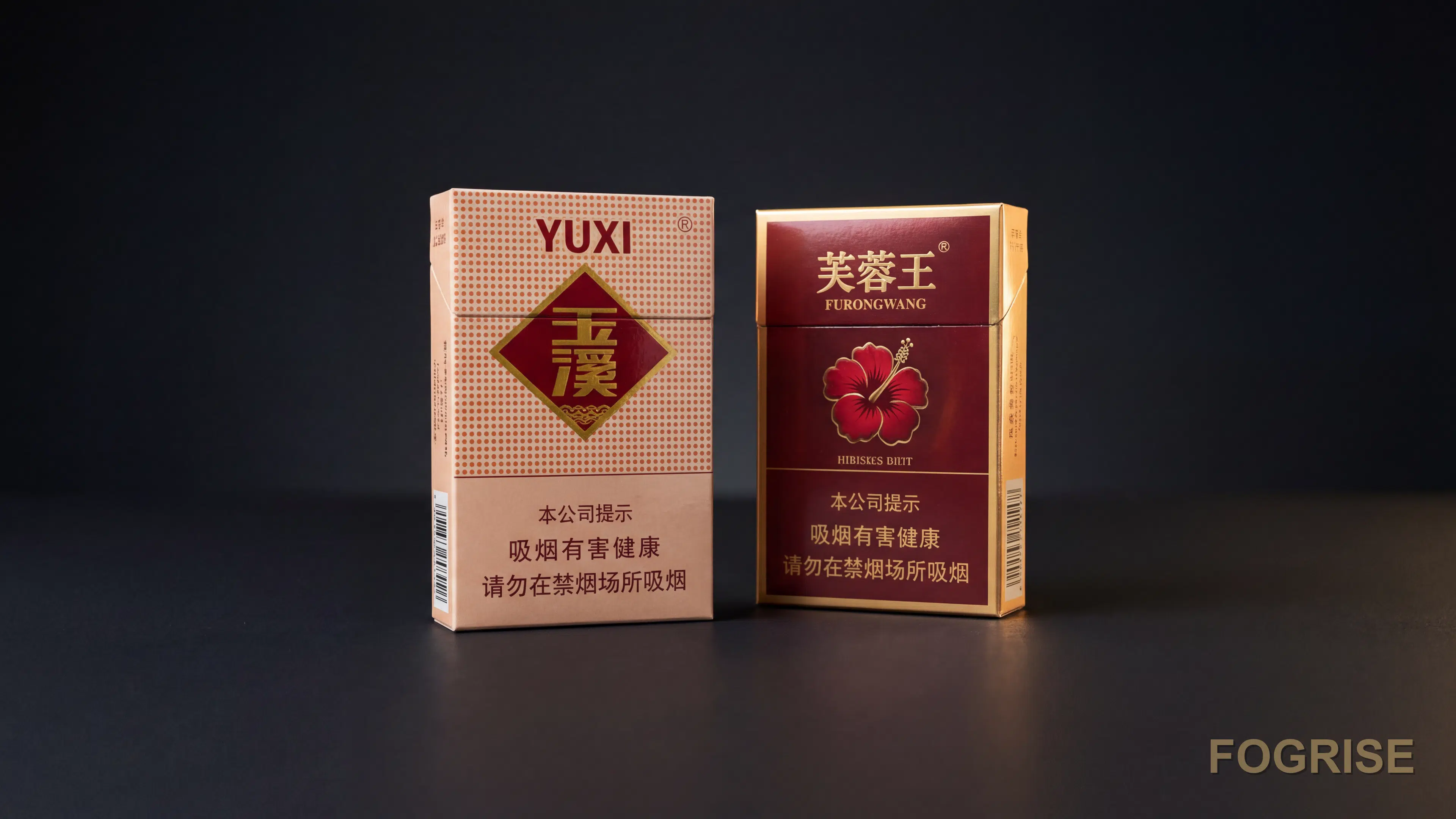
Six mainland-Chinese cigarette lines dominate the reader’s decision map: Chunghwa (中华) as gifting flagship, Furongwang (芙蓉王) and Yuxi (玉溪) as upper-mid, Double Happiness (双喜) and Hongtashan (红塔山) as value, and Zhongnanhai (中南海) as a lower-tar variant line from China Tobacco Beijing (Mao et al., 2017).
Flagship and Gifting Tier
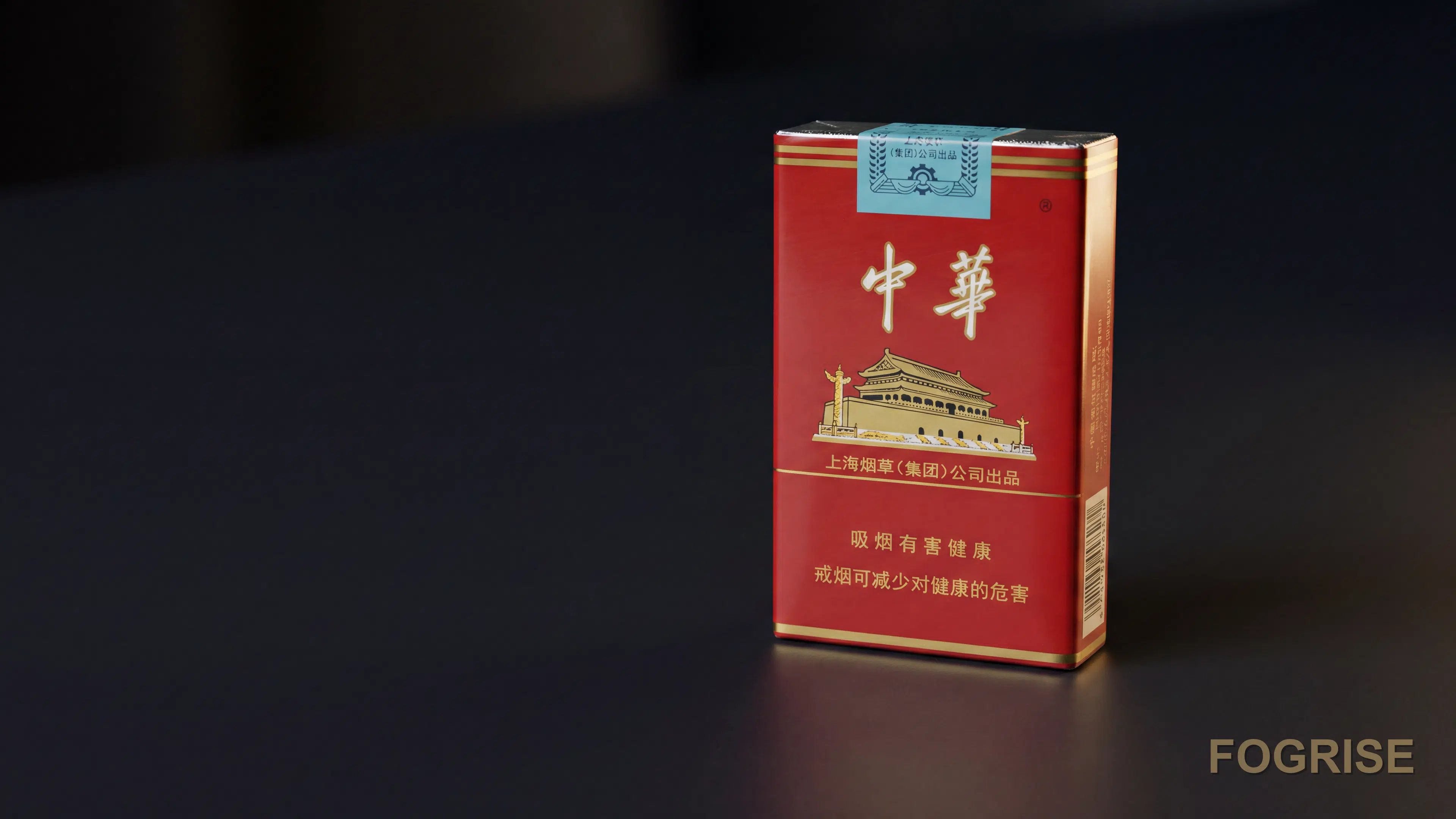
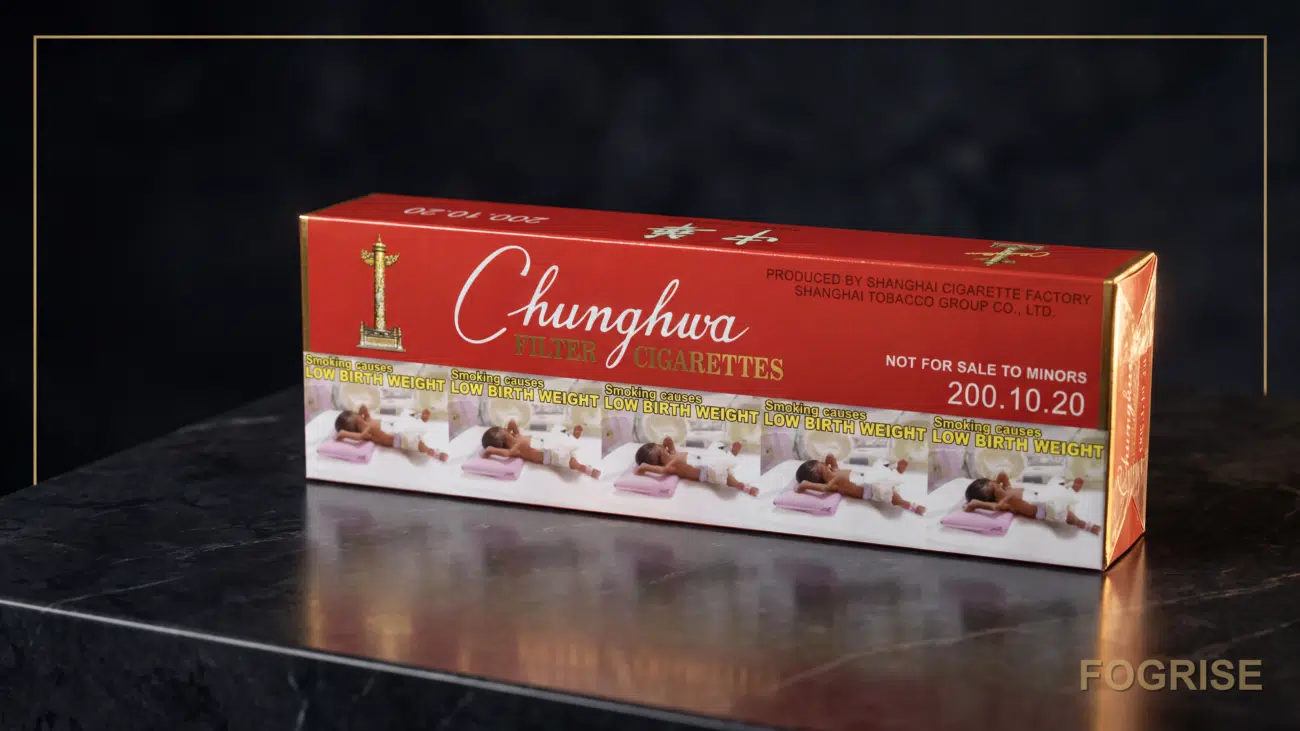
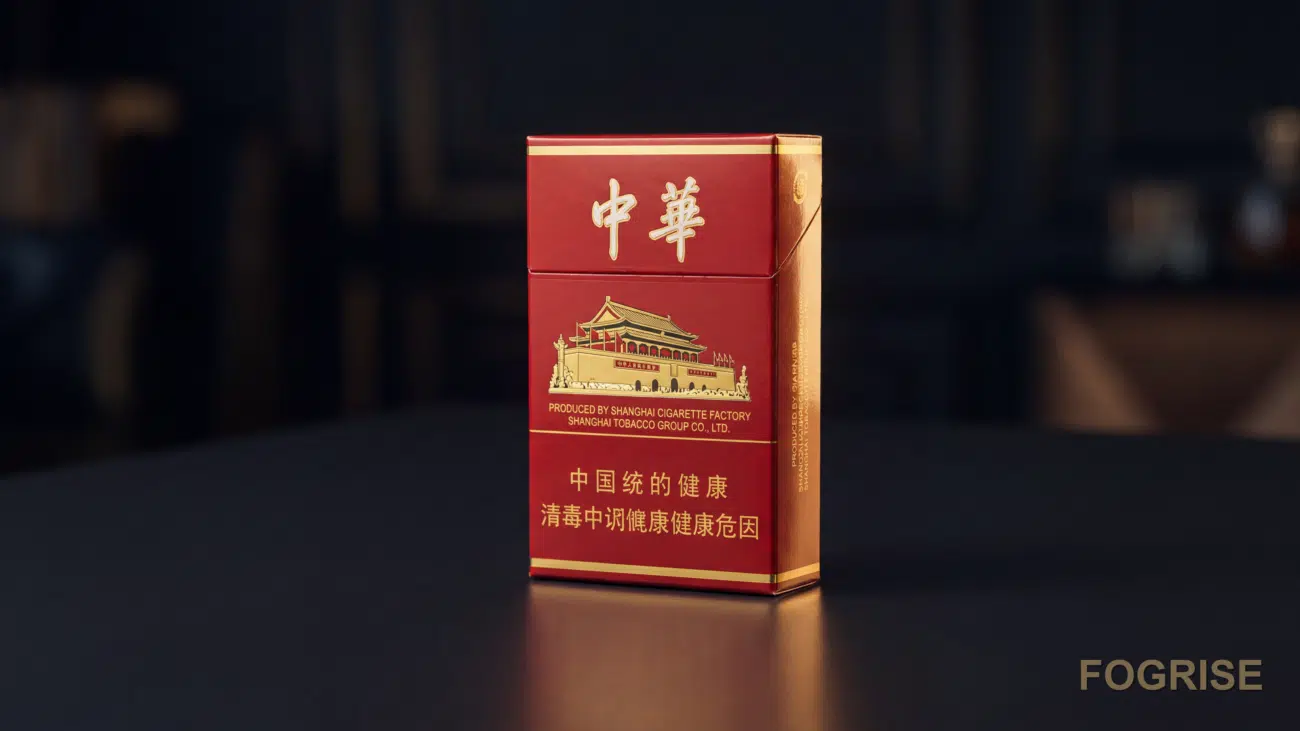
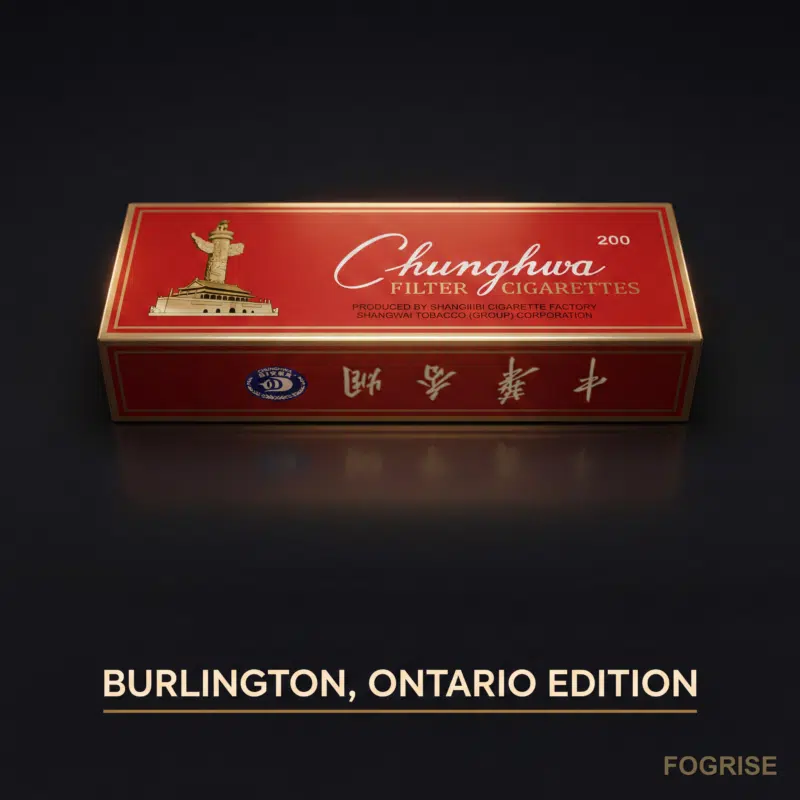
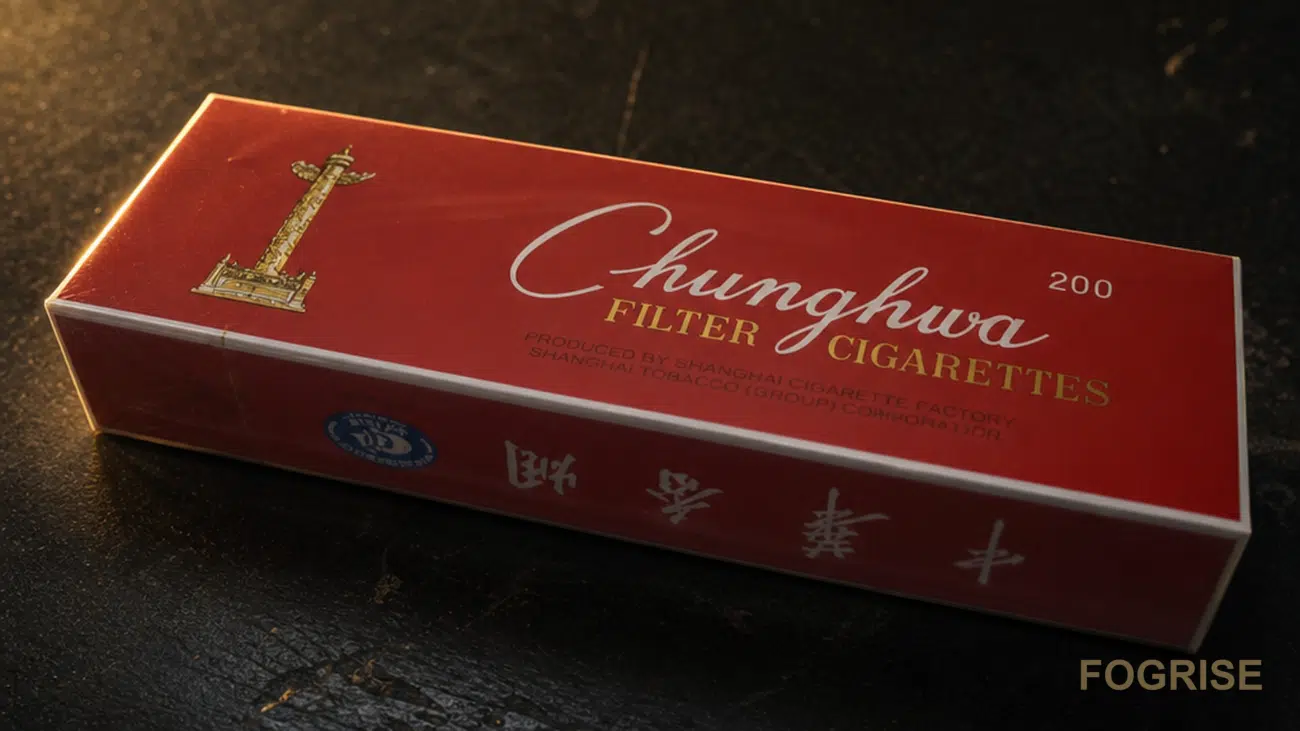
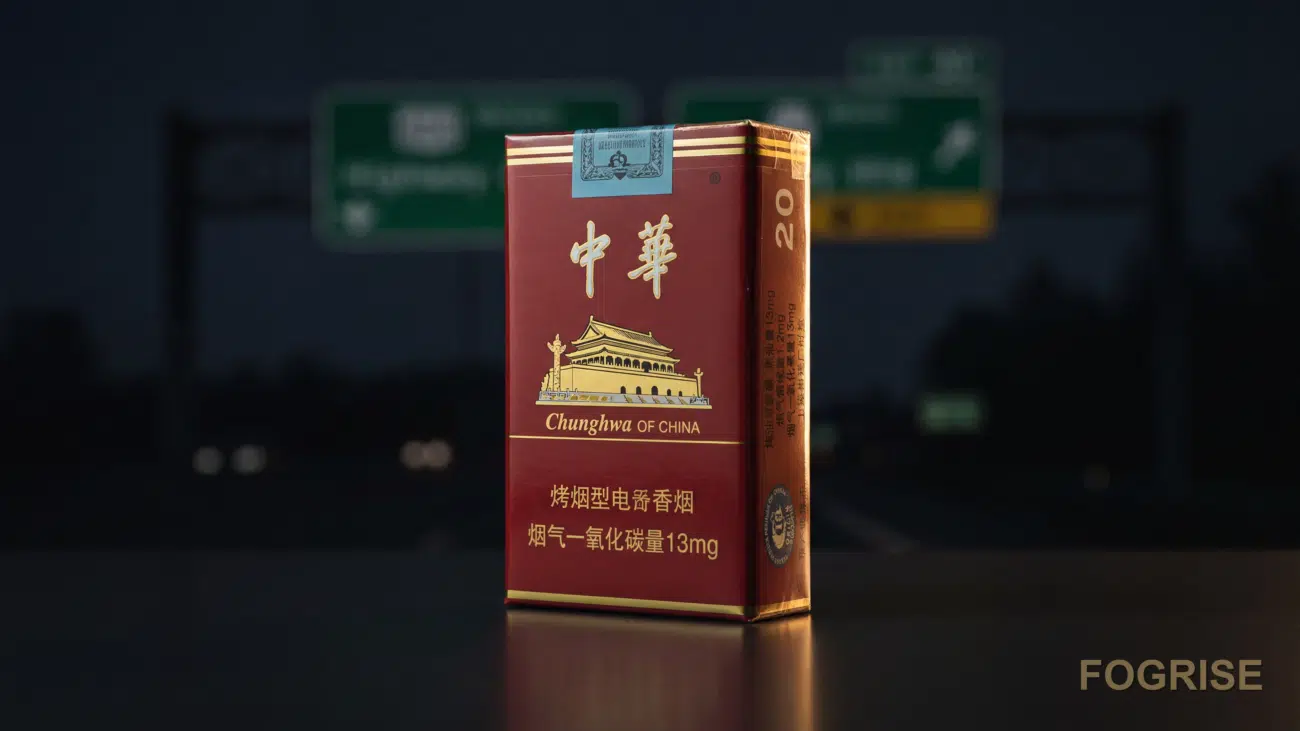
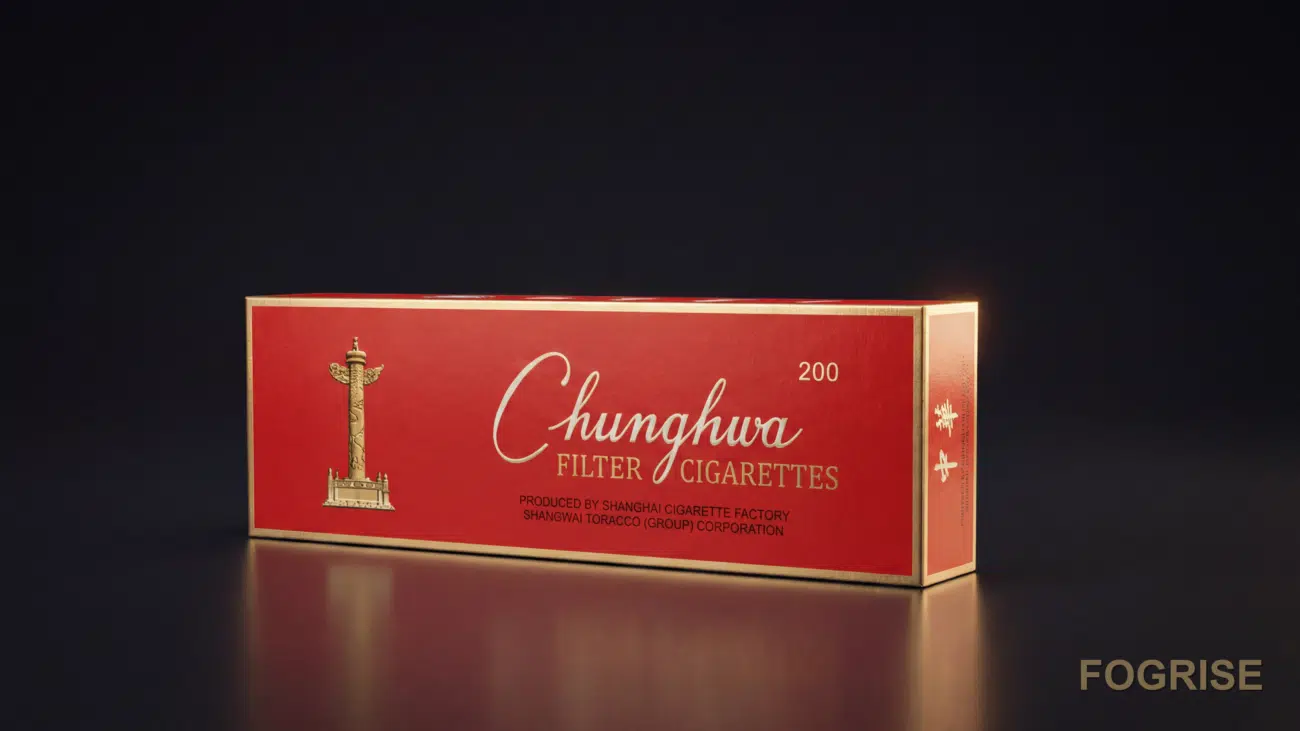
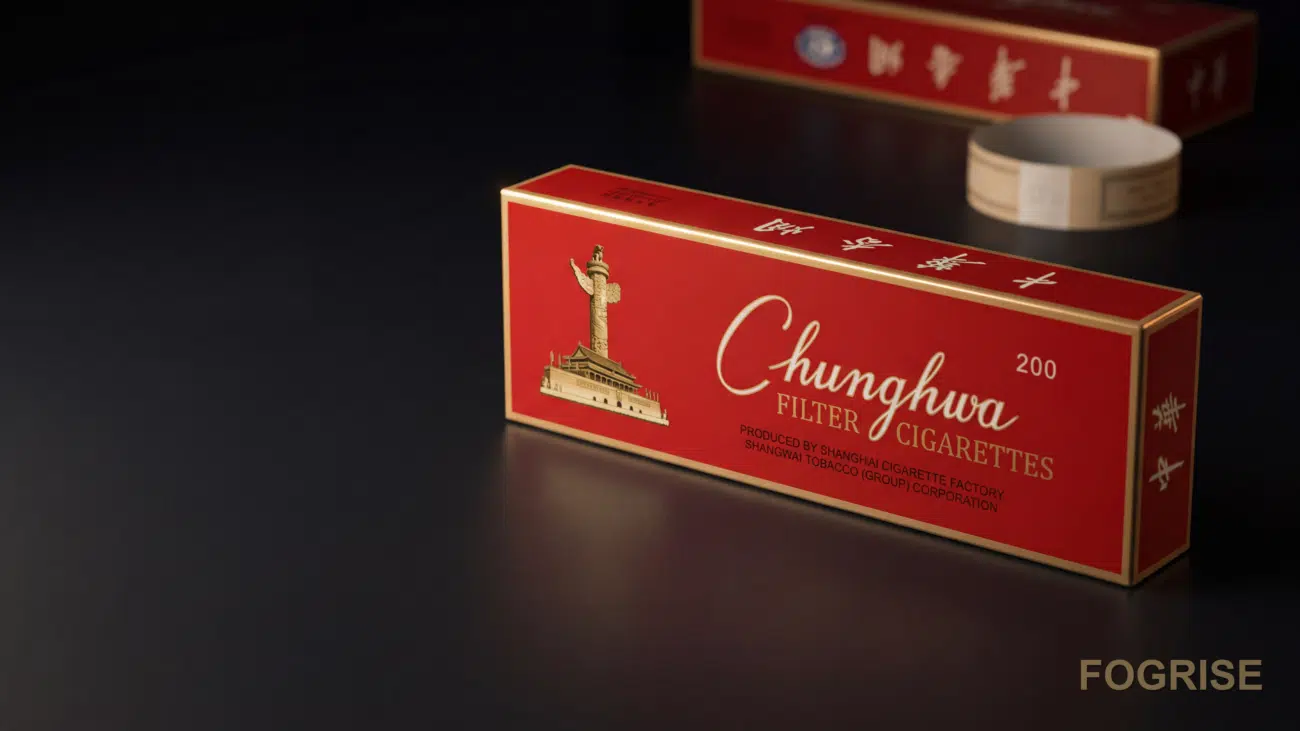
Chunghwa, produced by Shanghai Tobacco Group, is the flagship. The pack is bright red with the Tiananmen Gate and Huabiao pillars printed in gold, and the brand carries gifting weight in Chinese business and family contexts. That gifting reputation is exactly why Chunghwa is the most heavily counterfeited Chinese cigarette line, with counterfeit packs surfacing in overseas markets whenever the offered price sits below plausible tax-paid levels (Mao et al., 2017). On spelling: Chunghwa is the standard English romanization for 中华. Zhonghua is the same brand, not a second product. Any listing that presents Chunghwa and Zhonghua as two separate SKUs is either confused or misrepresenting a single line.
Upper-Mid Tier
Furongwang, from China Tobacco Hunan Industrial Co., sits in the upper-mid gift tier and is a widely recognised Hunan reference. Yuxi, from Hongta Group in Yunnan, is a long-standing prestige name in Yunnan-tobacco output and trades on regional pedigree rather than the national-symbol imagery Chunghwa uses. Both are gift-tier lines a mainland buyer would immediately recognise, though neither carries Chunghwa’s ceremonial weight.
Value Tier
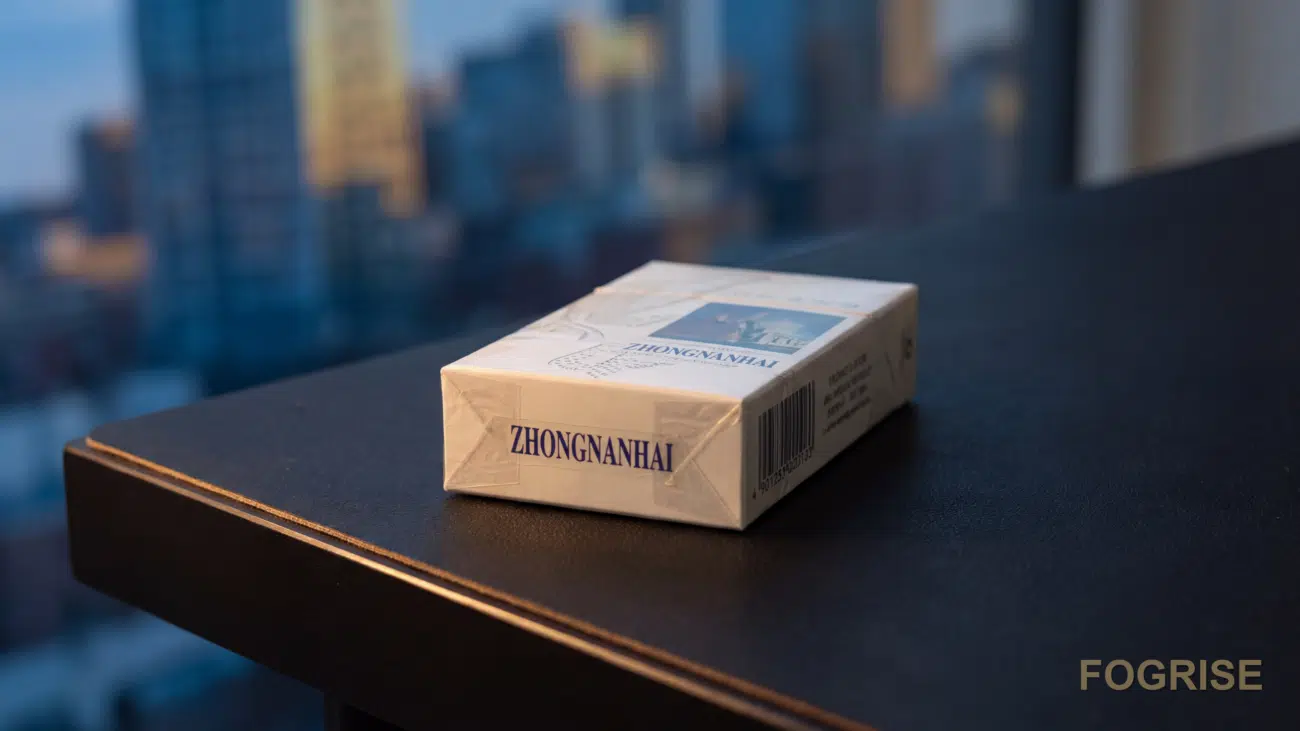
Double Happiness, another Shanghai Tobacco Group line, has broad mass-market distribution across the mainland and is the value-tier stablemate to Chunghwa within the same producer. Hongtashan, also from Hongta Group, is the traditional Yunnan mass-market label and is often the everyday alternative to Yuxi within the same producer’s catalogue. Zhongnanhai, from China Tobacco Beijing, is a historic Beijing brand that includes lower-tar variants. Lower tar is not the same as lower harm. Ontario public-health guidance is that no cigarette is safe, and no lighter-tar line among Hamilton Chinese cigarettes is treated here as a safer option.
For anyone mapping Hamilton Chinese cigarettes onto a single tier chart, the table below places every brand named above. Chinese domestic price bands are not published on one authoritative government page, and they vary by city and by retail channel. Cells therefore read "not verified" rather than invent a figure that would mislead anyone translating RMB into Canadian dollars.
| Brand | Chinese name | Producer | Tier | Typical China price band |
|---|---|---|---|---|
| Chunghwa | 中华 | Shanghai Tobacco Group | Flagship / gifting | Not verified |
| Furongwang | 芙蓉王 | China Tobacco Hunan Industrial | Upper-mid | Not verified |
| Yuxi | 玉溪 | Hongta Group (Yunnan) | Upper-mid | Not verified |
| Double Happiness | 双喜 | Shanghai Tobacco Group | Value | Not verified |
| Hongtashan | 红塔山 | Hongta Group (Yunnan) | Value | Not verified |
| Zhongnanhai | 中南海 | China Tobacco Beijing | Value (lower-tar variants) | Not verified |
None of these Chinese price positions transfer to Ontario. What a lawful Hamilton carton actually costs, and why any offer of Hamilton Chinese cigarettes far under that floor reads as a warning sign rather than a bargain, is worked through in the tax-stack section further down.
Is It Legal to Buy Chinese Cigarettes in Hamilton?
The plain answer is no. A licensed Hamilton tobacco retailer may sell only cigarettes that bear an Ontario-adapted federal excise stamp, and a genuine mainland-China Chunghwa pack carries Chinese tax indicia rather than that Canadian stamp (Government of Canada, 2003). What follows sets out the two statutes that govern the point, and what each means for a Hamilton shelf. The section is informational and is not legal advice.
Answer: No. A licensed Hamilton retailer cannot lawfully sell mainland-China Chinese-brand cigarettes, because Canada’s Stamping and Marking of Tobacco, Cannabis and Vaping Products Regulations (SOR/2003-288) require an Ontario-adapted federal excise stamp on every pack sold at retail, and mainland-China Chunghwa carries Chinese tax markings, not that stamp (Government of Canada, 2003).
The Ontario Excise Stamp Requirement
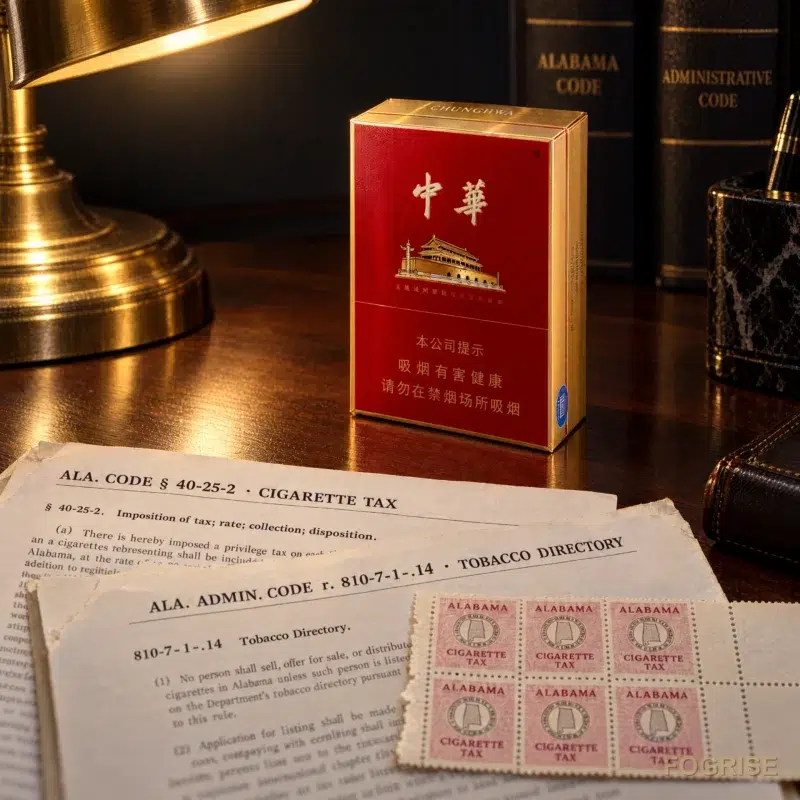
Under the Excise Act, 2001 and the Stamping and Marking of Tobacco, Cannabis and Vaping Products Regulations (SOR/2003-288), every cigarette lawfully sold at retail in Ontario must carry an Ontario-adapted federal excise stamp bearing the "DUTY PAID CANADA DROIT ACQUITTÉ" legend (Government of Canada, 2003). The stamp encodes the province of intended sale, so Ontario-market packs are visibly distinct from Alberta or Quebec inventory, which makes cross-province diversion detectable at the counter. Packs shipped directly from mainland China carry Chinese tax indicia and no Canadian excise stamp at all. That single mismatch is why Hamilton Chinese cigarettes cannot enter the legitimate Ontario retail chain, regardless of who imports them, how they arrive, or which port they clear through.
Retail Permits Under the Tobacco Tax Act
Ontario’s Tobacco Tax Act separately requires every Hamilton retailer selling tobacco to hold a retail dealer’s permit issued by the Ontario Ministry of Finance, and to sell only stamped, tax-paid product supplied by a permitted Ontario wholesaler (Ontario Ministry of Finance, 2024). There is no lawful supply route by which Chinese-market inventory enters that chain. Retail conduct in-store is governed by the Smoke-Free Ontario Act, 2017, which fixes the minimum legal purchase age in Ontario at 19 (Ontario Ministry of Finance, 2024). xiangyandd applies a stricter 21+ policy across our operations as a business standard, not the statutory floor. Possessing unstamped tobacco above the CBSA personal-exemption threshold, discussed in the next section, is itself an offence under both federal and Ontario legislation.
What This Means for a Hamilton Shelf
Three possibilities cover every real-world offer. When Hamilton Chinese cigarettes surface on a corner-store counter, in a WeChat back-channel, or behind a "duty-free" storefront, the packs on that shelf are unstamped grey-market imports, counterfeit Chunghwa, or product diverted from another jurisdiction. None is lawful for retail sale in Ontario, and none is stocked by any Ontario-permitted vendor. xiangyandd does not carry mainland-China packs for the Hamilton market for exactly that reason. Readers who intend to bring tobacco across at Niagara should consult the CBSA personal-exemption rules directly, and confirm current Ontario obligations with the Ontario Ministry of Finance before acting on anything they read here (Canada Border Services Agency, 2025).
Your next step
This guide walked through why no legal Hamilton retailer can carry a mainland Chunghwa pack, and why any offer priced far below Ontario’s tax floor tells you what is actually being sold rather than what it claims to be. If you are an adult (21+) exploring the Chinese-brand cigarette market, the catalogue below shows the lines we carry by brand and format. Smoking is harmful and addictive, and legality, tax, and import rules vary by country and state, so verify your own local law before acting on anything here.


Baisha Heaven Slim (白沙细支和天下)
The plum-red super-premium slim. Baisha Hetianxia Slim (Deep Plum-Red) (白沙(和天下细支)深梅红) is the thin 97 mm rod of China’s super-premium benchmark line — 6 mg tar, 0.6 mg nicotine, no capsule — clean and silky with a woody opening, a caramel-honey sweetness and a walnut edge, gentle rather than strong. Bought for refinement and a quietly prestigious name. By the carton (10 packs / 200). Barcode 6901028196048. xiangyandd ships worldwide, tracked and discreet.


Septwolves Chunjing Mid (七匹狼纯境中支)
The quiet, sweet-tipped Fujian mid-size. Septwolves Chunjing Mid-Size (七匹狼(纯境中支)) is a mild 88 mm rod at 8 mg / 0.7 mg with a lightly sweet, floral filter and no capsule — smooth, easy, and best kept fresh. An ice-blue pack made for relaxed, everyday smoking, not for a nicotine punch. Sold by the carton (10 packs / 200).
What the CBSA Personal Exemption Actually Allows
Cross-border shopping is a real habit on the Niagara corridor, and it drives many of the questions Hamilton residents ask about foreign tobacco. The Canada Border Services Agency (CBSA) publishes numeric limits on what a returning resident may declare, how long they must have been away, and what happens when the product does not carry a Canadian excise stamp (Canada Border Services Agency, 2025). What follows is a plain reading of those rules for anyone weighing up Hamilton Chinese cigarettes at a U.S. or overseas duty-free counter. It is not legal advice. Requirements do change, and any traveller should confirm current thresholds directly with CBSA before crossing.
CBSA defines one tobacco "unit" as 200 cigarettes, 200 tobacco sticks, 200 grams of manufactured tobacco, or 50 cigars, and caps a returning resident at 5 such units inside the personal exemption window (Canada Border Services Agency, 2025). That equals 1,000 cigarettes, the arithmetic hard stop behind every question about Hamilton Chinese cigarettes a Peace Bridge traveller might raise.
The Tobacco Allowance and the 48-Hour Rule
Everything turns on how long the traveller was out of the country. On a same-day trip, no tobacco personal allowance applies at all, and the shorter-absence goods exemption cannot carry tobacco either (Canada Border Services Agency, 2025). Tobacco becomes eligible for a personal exemption only once the traveller has been outside Canada for at least 48 hours, with a further extended tier at seven days (Canada Border Services Agency, 2025). For a Hamilton reader, that means a quick lunchtime hop over the Rainbow Bridge with a carton in the trunk is not a legal personal-exemption import, regardless of how modest the quantity looks.
| Absence duration | Tobacco eligible? | Ceiling | Notes |
|---|---|---|---|
| Under 24 hours (same-day) | No | None for tobacco | Same-day trip carries no tobacco allowance |
| 24 to under 48 hours | No | None for tobacco | Shorter-absence goods exemption excludes tobacco |
| 48 hours or more | Yes | Up to 5 units | Product must bear the Canadian excise stamp |
| 7 days or more | Yes | Up to 5 units | Same 5-unit ceiling still applies |
The Five-Unit Ceiling and Special Duty
Five units is the absolute cap, and it converts to 1,000 cigarettes across all product forms combined (Canada Border Services Agency, 2025). Every pack must also bear the Canadian "DUTY PAID CANADA / DROIT ACQUITTÉ" excise stamp to fall inside the exemption at all. Unstamped tobacco brought in under a personal exemption attracts a special federal excise duty and can be seized outright (Canada Border Services Agency, 2025). A mainland-China Chunghwa pack carries Chinese tax markings, not the Canadian stamp. It does not qualify as duty-paid product at the primary inspection line, and enforcement discretion applies.
CBSA note. These are federal rules. Ontario provincial tobacco tax is a separate collection layer, and product held at the border can also be held pending clearance of provincial obligations.
Mail and Courier: Tobacco Is Not Exempt
The low-value postal and gift-exemption regime that lets ordinary parcels enter Canada without duty does not extend to tobacco (Canada Border Services Agency, 2025). Cigarettes shipped to a Hamilton address by mail or courier are held until the applicable federal excise and Ontario tobacco tax are cleared. Ordering Chinese cigarettes into a padded envelope from overseas is not a workaround for the retail-permit picture described earlier; it simply relocates the enforcement moment from the primary inspection line to the postal facility.
The Real 2026 Price: Ontario’s Tax Stack and Hamilton Retail
Anyone pricing Hamilton Chinese cigarettes at a legitimate Ontario counter is really pricing the tax stack. Duty-paid tobacco in this province carries three separate statutory charges before a retailer adds a cent of margin, and each one is publicly documented and non-negotiable. Reading those charges is the fastest way for an adult buyer to sanity-check a quoted price. Once the floor is set, any offer priced far below it cannot lawfully exist.
Ontario Tobacco Tax
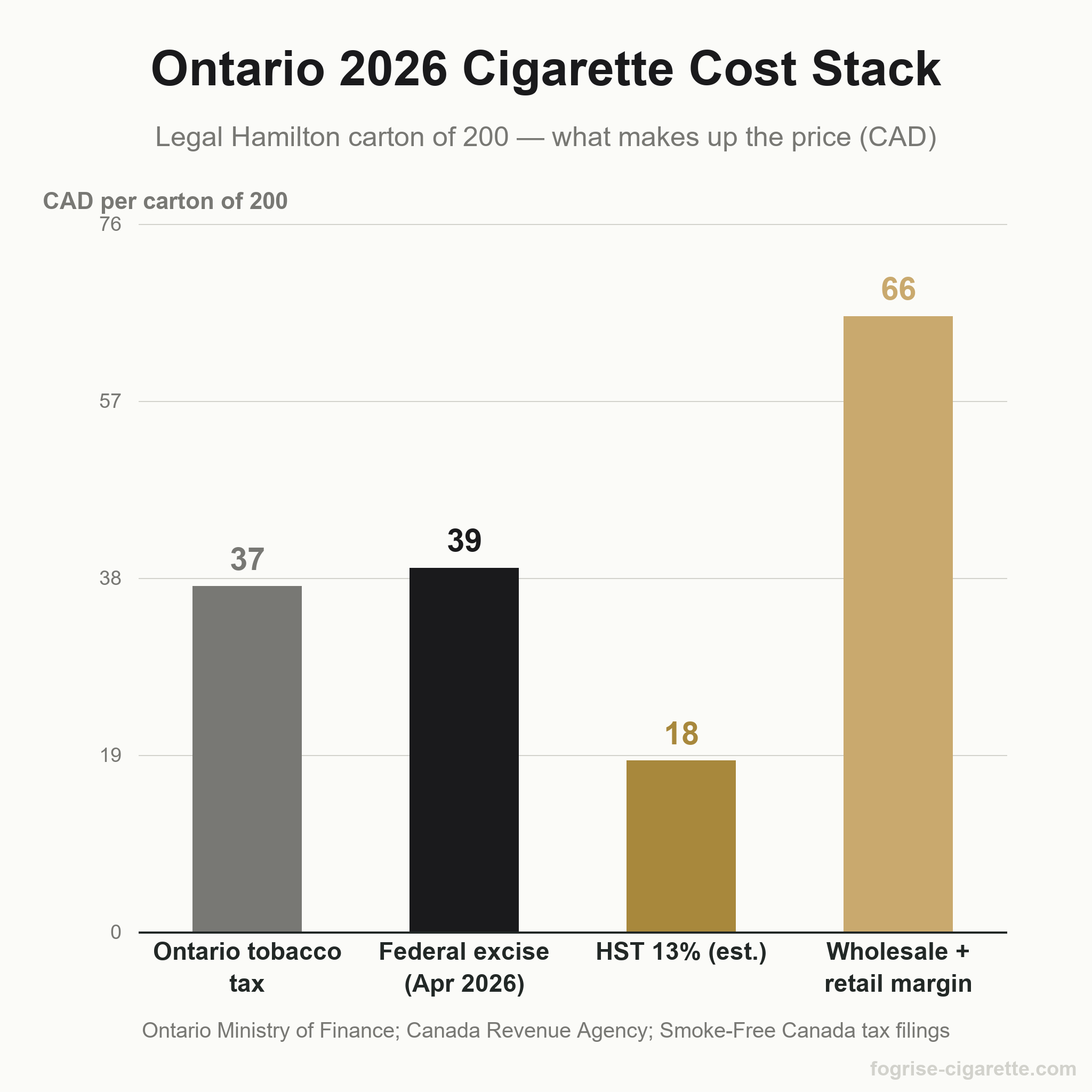
Ontario’s provincial tobacco tax is 18.475 cents per cigarette (Ontario Ministry of Finance, 2024), which works out to CAD 36.95 for a carton of 200 (Ontario Ministry of Finance, 2024). The rate has been unchanged since 29 March 2018 (Ontario Ministry of Finance, 2024), one of the longer freezes in Canadian tobacco taxation, and it applies uniformly across the province. A legal Hamilton carton therefore carries the same provincial line as a legal Ottawa or Sudbury carton. The charge is per-stick rather than ad-valorem, so it does not shrink when a retailer discounts. There is no municipal add-on and no exemption for imported product.
Federal Excise Duty and HST
The federal excise duty is the next layer, and it steps up on an annual schedule. From April 2025 the Canada Revenue Agency set it at CAD 0.190782 per cigarette, or CAD 38.1564 for a carton of 200 (Canada Revenue Agency, 2025). The April 2026 rate, now in force, is CAD 0.19460 per cigarette, worth CAD 38.92 per carton (Canada Revenue Agency, 2025). Ontario then applies the 13% HST to the final retail price (Canada Revenue Agency, 2025). The stack is cumulative, not selective: excise on the stick, provincial tobacco tax on the stick, then HST on everything including the taxes.
What a Legitimate Carton Costs in Hamilton
Adding those layers produces the floor for a legal carton on a Hamilton shelf. Ontario’s April 2025 average all-in price per carton sat at CAD 159.24 (Physicians for a Smoke-Free Canada, 2025), and the April 2026 excise increase lifts the arithmetic minimum slightly above that figure, holding legitimate retail in a narrow band close to CAD 160 across chain and independent retailers alike.
| Component | CAD per carton of 200 | Note |
|---|---|---|
| Ontario tobacco tax | 36.95 | Statutory, unchanged since 29 Mar 2018 |
| Federal excise (Apr 2026) | 38.92 | CRA scheduled rate |
| HST at 13% | 18.32 | Estimated, reconstructed from the April 2025 retail sample, not an official rate |
| Wholesale + retail margin | 65.81 | Derived to reconcile with the published all-in band |
| Typical Hamilton legal retail (carton) | ~160 | Reconstructed from Ontario average (Physicians for a Smoke-Free Canada, 2025) |
A legal Ontario carton cannot sell below its tax floor without breaking the law. Provincial tobacco tax plus the April 2026 federal excise alone total roughly CAD 75.87 per carton, before HST or any margin. Any Hamilton Chinese cigarettes offer priced dramatically below that arithmetic is, by definition, contraband or counterfeit.
The provincial 18.475 cents has not moved since March 2018, while the CRA’s excise schedule inflation-adjusts every April (Ontario Ministry of Finance, 2024). One layer sits still; the other climbs. Between them, the legitimate sticker cannot realistically compress below the mid-CAD 150s.
Contraband and Enforcement on the Hamilton-Niagara Corridor
The illicit-tobacco surface around Hamilton is real, and the public enforcement record shows exactly how real. Anyone weighing Hamilton Chinese cigarettes as a purchase should read that record first, because the same corridor logistics that make a Niagara border run feel casual are exactly what concentrate provincial and federal inspection resources on this stretch of highway.
What Ontario Enforcement Has Actually Seized
Two Ontario-verified actions anchor the picture.
Between April 22 and April 25, 2024, the Ontario Ministry of Finance’s tobacco enforcement team, working with partner agencies, seized 8,422,800 unmarked cigarettes across the Niagara and Hamilton areas (Ontario Ministry of Finance, 2024). Separately, the Canada Border Services Agency’s Southern Ontario region reported 748,559 kilograms of illicit tobacco intercepted between January 1 and October 31, 2025, in its year-in-review posting (Canada Border Services Agency, 2025).
Each figure comes from the agency that produced it, and each is Ontario-jurisdictional. They are the only enforcement numbers treated as verified for the Hamilton market here. Seizures reported by other CBSA regions, or by federal detachments in other provinces, describe other corridors, and are set aside on purpose.
Jurisdiction note: This section cites Ontario agencies for Ontario seizures. British Columbia container cases and eastern-Ontario reserve cases that circulate in the same news cycle are not evidence of Hamilton-area supply and are deliberately excluded here.
Why the Corridor Draws Attention
Volume is what draws the attention. Rainbow Bridge and Peace Bridge sit under an hour from downtown Hamilton, and every commercial and passenger vehicle returning to Canada passes through CBSA primary inspection (Canada Border Services Agency, 2025). That through-volume is why Southern Ontario operates as a distinct CBSA reporting region, and why unstamped tobacco moving on the QEW is a routine inspection target rather than an occasional one. Hamilton Chinese cigarettes moving across that border, in either direction, are not travelling through a quiet lane.
The Buyer’s Exposure
Any cigarette pack in Canada that lacks the Ontario-adapted "DUTY PAID CANADA DROIT ACQUITTÉ" excise stamp counts as unstamped tobacco under the Excise Act, 2001. It is seizable at a border booth, at a mail centre, or at a domestic inspection stop (Government of Canada, 2003). The purchaser, not the distant supplier, is the person standing at the counter when a seizure happens. There is no consumer warranty on a grey-market pack of Hamilton Chinese cigarettes, no recall channel if the contents are found contaminated, and no legal path to recover the money paid. Confirm the current rules with the Canada Border Services Agency and the Ontario Ministry of Finance before acting on any of it.
Authenticity: Spotting Counterfeit Chinese Packs
Counterfeit product is a documented problem across the Chinese cigarette market worldwide, and it is the single largest risk facing anyone weighing Hamilton Chinese cigarettes from an informal channel. Peer-reviewed research on Chinese-immigrant cigarette sourcing pathways in Canada documents counterfeit product circulating outside any regulatory quality control (Mao et al., 2017). That finding is about fraud and product integrity, not a safety ranking between brands, and the rest of this section keeps those two questions separate.
Why Counterfeits Cluster at the Top of the Ladder
A convincing fake pack costs roughly the same to produce whether it wraps a value-tier or a gifting-tier brand: paper, filter, filler, box and film. What differs is the price the fake can command downstream. A counterfeit Chunghwa aimed at a gifting buyer sells for many times what a fake Hongtashan could ever fetch, so forgery clusters at the top of the price ladder (Mao et al., 2017). Chunghwa’s status as China’s flagship gifting brand is precisely why it draws the most persistent counterfeit attention (Mao et al., 2017). Yuxi and Furongwang, the other gift-tier names from the previous section, sit next in exposure. Value brands like Double Happiness and Hongtashan attract less forgery, because the effort does not repay itself.
That concentration at the top matters for anyone thinking about Hamilton Chinese cigarettes in an informal setting, because the corridor already carries volume: Ontario tobacco enforcement seized 8,422,800 unmarked cigarettes across Niagara and Hamilton in a single April 2024 operation (Ontario Ministry of Finance, 2024). Unmarked and counterfeit are different problems, and they arrive through overlapping channels.
What Genuine Packaging Looks Like
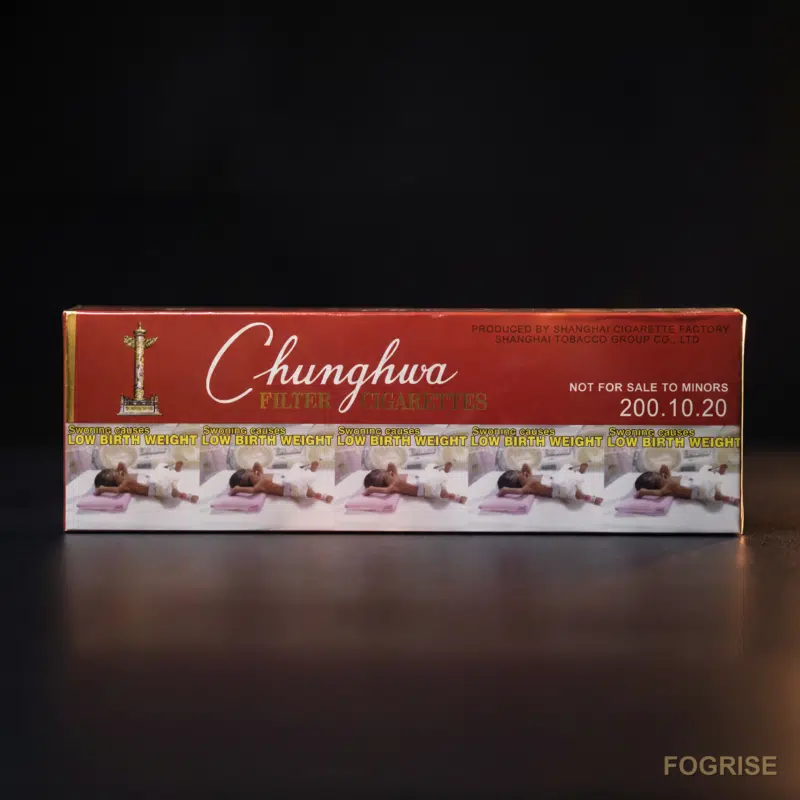
Seen legitimately inside China, authentic packs carry consistent production markers, and anyone reading up on Hamilton Chinese cigarettes may benefit from recognising them. Registration on the multi-colour printing is tight, with no misaligned edges on the gold Tiananmen Gate or Huabiao pillars that define a real Chunghwa carton. Laser-etched production codes and Chinese domestic tax markings sit in defined positions on the wrap, and anti-counterfeit hologram elements stay consistent from unit to unit within a batch. Read those markers as educational context, not as a checklist for passing off illegal product. A genuine pack that lacks an Ontario-adapted excise stamp still cannot be sold, or possessed above threshold, anywhere in Hamilton or the wider province. A domestic-market Chinese pack will also carry Chinese-language health warnings and Chinese stamp text rather than Canadian ones, so the absence of Canadian markings on its own tells you nothing about whether a specific unit is authentic or fake.
Authentic Does Not Mean Safe
Authenticity is not safety. A verified-genuine Chinese cigarette is still a cigarette. It is still harmful and still addictive. xiangyandd never presents any pack (Chunghwa, Yuxi, Furongwang, or otherwise) as safer, cleaner, or lower-risk than any other cigarette. Adults 21+, and verify local law before any purchase.
Health Reality and Quitting Support in Hamilton
Smoking causes disease and death. It is addictive. There is no safe cigarette, and no Chinese brand is safer than any other cigarette. Chunghwa is not safer than Furongwang. A gifting-tier pack is not safer than a value pack. Price tier, tar rating, hologram, gold trim, and verified authenticity change nothing about what a lit cigarette does to the person inhaling its smoke. The sections around this one map law, tax and border rules. None of those rules changes what the smoke itself does.
No safer option: No Chinese cigarette brand is safer than any other cigarette. Prestige, price, tar rating, and pack authenticity do not reduce the health harm of smoking a combustible tobacco product.
The Harm Picture in Numbers
Health Canada’s 2023 Canadian Tobacco and Nicotine Survey reports 11.4 percent of Canadian adults smoked, with Ontario tracking close to the national line at 11.1 percent (Public Health Ontario, 2024). Public Health Ontario places adult smoking prevalence in the city of Hamilton, ages 20 and over, at 16.7 percent in the same year (Public Health Ontario, 2024). Hamilton’s local rate therefore runs meaningfully above the provincial average, and harm scales with the number of Hamilton adults who smoke, not with which pack a smoker holds. The category itself is the exposure: a duty-paid Ontario cigarette and a counterfeit Chunghwa both deliver combusted tobacco smoke into the lungs. Reduced-risk framing does not apply to any product named here.
Where to Get Help in Hamilton
Adults in Hamilton who want to quit have real, publicly funded options. The Smokers’ Helpline, operated by the Canadian Cancer Society, offers free coaching for Ontario residents by phone, by text, and through online chat. Health811, Ontario’s provincial health information service, routes callers to cessation supports at any hour. Hamilton Public Health Services runs local chronic disease and tobacco cessation programs and can refer residents to nicotine replacement therapy and community groups. A family physician or pharmacist in Hamilton can also prescribe first-line cessation medications covered under the Ontario Drug Benefit. None of these services are affiliated with xiangyandd, and none charge Ontario residents to use them.
Frequently Asked Questions
What are Chinese cigarettes called?
Chinese cigarettes are known by brand name, printed in both Chinese characters and Latin romanisation on the pack. The most widely recognised are Chunghwa (中华), Yuxi (玉溪), Furongwang (芙蓉王), Double Happiness (双喜), Hongtashan (红塔山), and Zhongnanhai (中南海), made by state-linked producers including Shanghai Tobacco Group, Hongta Group in Yunnan, China Tobacco Hunan Industrial, and China Tobacco Beijing. Buyers in Hamilton typically search the Chinese characters alongside the English name.
What is the best-known Chinese cigarette brand?
Chunghwa, written 中华 in Chinese, is the most famous Chinese cigarette brand internationally. Produced by Shanghai Tobacco Group, it functions as China’s flagship gifting label, and its bright-red pack with the Tiananmen Gate and Huabiao pillars is the one non-Chinese buyers most often recognise. Being widely recognised does not make any cigarette a healthier choice; no burnt tobacco product is safe, regardless of brand.
Can a store in Hamilton legally sell Chinese cigarettes?
No. A licensed Hamilton retailer cannot lawfully sell a mainland-China pack of Chunghwa or any other Chinese brand. Ontario’s Tobacco Tax Act requires cigarettes retailed in the province to bear an Ontario-adapted federal excise stamp, and mainland Chinese packs carry only Chinese tax markings (Ontario Ministry of Finance, 2024). Retailers themselves need a dealer permit under that statute (Ontario Ministry of Finance, 2024). This is a factual summary of Ontario law, not legal advice.
Can I bring Chinese cigarettes into Hamilton over the Peace Bridge?
CBSA personal-exemption rules apply at the Peace Bridge the same way as at any Canadian land crossing. A same-day trip carries no tobacco allowance. After 48 hours or more abroad, a returning resident may bring back up to 200 cigarettes within the exemption, capped at five units or 1,000 cigarettes (Canada Border Services Agency, 2025). Tobacco without a Canadian "DUTY PAID CANADA DROIT ACQUITTÉ" excise stamp attracts special duty (Canada Border Services Agency, 2025). Confirm current allowances with CBSA.
Can Chinese cigarettes be mailed or couriered to Hamilton?
No. Tobacco is excluded from Canada’s postal and gift exemptions. The CAD 20 postal exemption and CAD 60 gift exemption do not cover cigarettes, so any parcel of Chinese cigarettes shipped to Hamilton is held until federal duty and provincial tobacco tax are paid, and unstamped shipments are subject to seizure (Canada Border Services Agency, 2025). This applies whether the parcel arrives through Canada Post or a private courier. Verify current procedure with CBSA.
Is it legal to buy cigarettes from First Nations reserves in Ontario?
It depends on who is buying. Under Ontario’s Tobacco Tax Act, unstamped tobacco sold on-reserve is a personal-use allowance for status Indians as defined by the federal Indian Act; a non-status purchaser buying unstamped tobacco on-reserve is not covered by that allowance in Ontario (Ontario Ministry of Finance, 2024). Ontario Ministry of Finance seizures show unstamped tobacco remains an active issue across the Hamilton-Niagara corridor (Ontario Ministry of Finance, 2024). Verify current rules directly with the Ontario Ministry of Finance.
How much does a legitimate carton of cigarettes cost in Ontario in 2026?
A legitimate carton of 200 cigarettes in Ontario typically retails around CAD 159 all-in, based on April 2025 average pricing (Physicians for a Smoke-Free Canada, 2025). That figure reflects Ontario’s tobacco tax of 18.475 cents per cigarette, or CAD 36.95 per carton (Ontario Ministry of Finance, 2024), plus the federal excise duty, which rises to CAD 0.19460 per cigarette effective April 2026 (Canada Revenue Agency, 2025), plus 13% HST on top. Any offer far below that tax floor cannot be legally duty-paid product.
How can I tell if a Chunghwa pack is counterfeit?
The most reliable authenticity markers on a genuine Chunghwa pack are the Chinese tax stamp, the anti-counterfeit hologram, printing quality, and the production and laser codes. Extremely low prices are a strong red flag, since Chunghwa already sits at the top of the Chinese price ladder. Separately, any Chunghwa retailed in Ontario without an Ontario-adapted federal excise stamp cannot lawfully be sold. Authentic packaging does not make any cigarette safe.
Are Chinese cigarettes safer than Canadian ones?
No. There is no safer cigarette, and no Chinese brand is healthier than a Canadian one. All burnt tobacco is harmful and addictive, whether the pack is Chunghwa, Yuxi, or a domestic Canadian brand. Peer-reviewed research on Chinese-immigrant tobacco sourcing in Canada documents counterfeit product circulating outside any regulatory quality control (Mao et al., 2017). In Hamilton, anyone thinking about quitting can contact Smokers’ Helpline, Health811, or Hamilton Public Health Services.
Can I still buy clove cigarettes?
Clove cigarettes, also called kreteks, are a separate category from the mainland-China brands this guide covers, and Ontario’s rule applies to both the same way. Every cigarette sold at retail in the province must carry the Ontario-adapted excise stamp required by federal regulation (Government of Canada, 2003), and the seller must hold a permit under Ontario’s Tobacco Tax Act (Ontario Ministry of Finance, 2024). Flavoured tobacco also carries additional federal restrictions in Canada, so confirm the current rules with Health Canada before assuming any flavoured product is lawfully sold in Ontario.
Conclusion
The Hamilton Chinese cigarettes question resolves the same way every careful reading of the record does. Freight infrastructure is real. A working Great Lakes port sits at the foot of the city, Niagara border crossings sit within an hour down the QEW, and none of that changes the legal shape of a retail counter. The channel is closed because Ontario law requires an Ontario-adapted excise stamp, not because trucks and container ships are missing.
The tax floor that follows from that regime is arithmetic. Provincial tobacco tax, federal excise duty, and HST stack in a predictable way, and any offer sitting well beneath the resulting Ontario retail band tells you plainly what is being sold. It is not a legitimate duty-paid pack.
Which leaves the risk on the buyer’s side. Authenticity, when Hamilton Chinese cigarettes surface in a grey market, is a fraud question, not a safety upgrade. A genuine pack is still a cigarette, and cigarettes are harmful and addictive without exception.
Adults 21 and older only. Smoking causes serious disease. Verify current CBSA, Ontario Ministry of Finance, and municipal rules directly before acting on anything you have read here.
References
- Canada Border Services Agency. (2025). I declare: A guide for residents of Canada returning to Canada. Government of Canada. https://www.cbsa-asfc.gc.ca/travel-voyage/atl-lat-eng.html
- Canada Revenue Agency. (2025). Excise duty rates. Government of Canada. https://www.canada.ca/en/revenue-agency/services/tax/technical-information/excise-duty/rates.html
- Canada Border Services Agency. (2025). CBSA in Ontario: Highlights from 2025. Government of Canada. https://www.canada.ca/en/border-services-agency/news/2025/12/cbsa-in-ontario-highlights-from-2025.html
- Mao, A., Bottorff, J. L., Oliffe, J. L., Sarbit, G., & Kelly, M. T. (2017). Chinese immigrant men smokers’ sources of cigarettes in Canada: A qualitative study. Tobacco Induced Diseases, 15(1), 46. https://doi.org/10.1186/s12971-017-0123-1
- Government of Canada. (2003). Stamping and Marking of Tobacco, Cannabis and Vaping Products Regulations (SOR/2003-288). Justice Laws Website. https://laws-lois.justice.gc.ca/eng/regulations/sor-2003-288/fulltext.html
- Hamilton-Oshawa Port Authority. (2024). Infrastructure projects help propel HOPA to 11.5-million-tonne year. HOPA Ports. https://www.hopaports.ca/infrastructure-projects-help-propel-hopa-to-11-5-million-tonne-year/
- Ontario Ministry of Finance. (2024). Tobacco tax. Government of Ontario. https://www.ontario.ca/document/tobacco-tax
- Ontario Ministry of Finance. (2024, April). Province seizes over eight million unmarked cigarettes in tobacco enforcement operation. Ontario Newsroom. https://news.ontario.ca/en/court/1004667/province_seizes_over_eight_million_unmarked_cigarettes_in_tobacco_enforcement_operation
- Physicians for a Smoke-Free Canada. (2025). Tax rates on tobacco products in Canada. https://www.smoke-free.ca/pdf_1/taxrates.pdf
- Public Health Ontario. (2024). Smoking snapshot. Government of Ontario. https://www.publichealthontario.ca/en/Data-and-Analysis/Substance-Use/Smoking-Status
Last reviewed and updated: July 2026. Author: xiangyandd editorial team. Adults 21+ only. Smoking is harmful; verify your local laws before purchase. Questions? contact our team.


 English (US)
 简体中文
 Deutsch
 Français
 Español