

Blog
United Kingdom Chinese Cigarettes: Brands, Customs & Guide 2025

TL;DR
Adults 21+ may bring 200 Chinese cigarettes duty-free to the UK under the HM Revenue & Customs (HMRC) personal allowance. The Tobacco and Related Products Regulations 2016 (TRPR 2016) retained EU Tobacco Products Directive compliance post-Brexit. UK has one of Europe’s most active Trading Standards illicit-cigarette enforcement regimes. Chunghwa, Furongwang and Double Happiness are most sought by the British Chinese community.
Abstract
For adults 21+ only. Smoking is harmful and addictive. UK tobacco laws and import rules vary, so verify the current position before purchasing. This guide is informational only and is not legal or medical advice.
Chinese cigarettes remain legal to possess in the United Kingdom for adults aged 21 and over, but 2025 sits at the intersection of three regulatory shifts that change how a British Chinese household, a returning traveller, or a curious enthusiast actually obtains them. Post-Brexit, HMRC applies a single 200-cigarette personal allowance from any country of origin (HMRC, 2025a), so the old EU split no longer matters. Domestic packaging rules sit under the Tobacco and Related Products Regulations 2016, which retained the EU Tobacco Products Directive after departure and still demand 65% combined pictorial and text warnings in English, DataMatrix traceability codes, and a ban on characterising flavours (UK Statutory Instruments, 2016). Most Chunghwa, Furongwang, or Double Happiness packs sold in Shanghai or Guangzhou do not meet those marks, which is why duty-paid Chinese-market stock is uncommon in UK newsagents.
The Tobacco and Vapes Act 2026 received Royal Assent on 29 April 2026 and will, from January 2027, ban legal sale to anyone born on or after 1 January 2009 (Department of Health and Social Care, 2026). That is the generational pivot.
Context for demand: the 2021 Census recorded 502,216 Chinese residents in England and Wales (Office for National Statistics, 2022), and World Bank WITS trade data shows 28,264 kg of cigarettes imported from China into the UK in 2023 (World Bank, 2024). Below is a brand, customs, and counterfeit-spotting guide for a market that is shrinking by design.
Key Takeaways
- HMRC personal allowance is 200 cigarettes duty-free from any country post-Brexit (HMRC, 2025a).
- TRPR 2016 requires 65% English pictorial warnings, DataMatrix traceability, and no characterising flavours (UK Statutory Instruments, 2016).
- Tobacco and Vapes Act 2026 got Royal Assent on 29 April 2026 and bans sale from January 2027 to anyone born on or after 1 January 2009 (Department of Health and Social Care, 2026).
- Best-known brands in UK Chinese circles: Chunghwa for prestige, Furongwang for premium daily, Double Happiness for everyday smoking.
- UK Trading Standards seized more than 19 million counterfeit or illicit cigarettes during 2024 enforcement (HMRC, 2024).
- Adults 21 and over only. Smoking is harmful, addictive, and the leading preventable cause of death in the UK.
Table of Contents
- TL;DR
- Abstract
- Key Takeaways
- Table of Contents
- Are Chinese Cigarettes Legal in the UK? Post-Brexit Rules (2025)
- UK Customs Allowances: How Many Chinese Cigarettes Can You Bring to the UK?
- Where to Buy Chinese Cigarettes in the UK: Retail and Online Options
- Top Chinese Cigarette Brands for UK Expats and Enthusiasts
- The Tobacco and Vapes Act 2026: What It Means for Chinese Cigarette Buyers
- How to Spot Counterfeit Chinese Cigarettes in the UK
- The British Chinese Community: Tobacco Culture and Context
- UK Tobacco Regulations: Age, Indoor Laws and Health Context
- Frequently Asked Questions
- Conclusion
- References
Are Chinese Cigarettes Legal in the UK? Post-Brexit Rules (2025)
Possessing Chinese-brand cigarettes in the United Kingdom is legal for adults aged 21 and over. Selling them at retail is a different question, and that is where most of the confusion sits. The product is lawful; the packaging and supply chain are where the friction happens. Three regulatory layers decide whether a given pack of Chunghwa or Furongwang can sit on a UK shelf, travel through your suitcase, or move through a courier parcel. We will walk each of them in turn.
The UK retained the EU Tobacco Products Directive via the Tobacco and Related Products Regulations 2016 (SI 2016/507), requiring combined pictorial and text health warnings covering at least 65% of both front and back surfaces of every tobacco pack sold in the UK, plus a DataMatrix traceability code under Article 15 (legislation.gov.uk, 2016). Most Chinese-market packs meet none of these requirements.
UK retained EU TPD via TRPR 2016 post-Brexit
When the United Kingdom left the European Union, it kept the substance of the Tobacco Products Directive (2014/40/EU) on the domestic statute book under the Tobacco and Related Products Regulations 2016 (UK Statutory Instruments, 2016). Brexit did not loosen tobacco rules. TRPR still governs every cigarette legally sold in Great Britain and Northern Ireland (Northern Ireland’s protocol obligations also continue to mirror EU rules). The Medicines and Healthcare products Regulatory Agency (MHRA) handles notifications; Trading Standards and HMRC handle enforcement.
TRPR compliance: 65% pictorial warnings, traceability, no characterising flavours
A pack lawfully sold in a UK newsagent must show combined picture-and-text health warnings covering 65% of the front and back surfaces, in English, with rotating images drawn from the EU image library (UK Statutory Instruments, 2016). It must carry a unique DataMatrix identifier under the TPD Article 15 traceability system (the same code structure that survived into UK law). Characterising flavours, including menthol, were banned for cigarettes from 20 May 2020. Minimum pack size is 20 sticks.
| TRPR requirement | UK standard | Typical Chinese-market pack |
|---|---|---|
| Health warnings | 65% combined picture and text, English | Chinese-language text warning, smaller area |
| Pack language | English | Mandarin |
| DataMatrix code | TPD-format traceability ID | Chinese tax stamp, different schema |
| Flavours | No menthol or characterising flavours | Some domestic SKUs use light flavour notes |
| Minimum pack | 20 cigarettes | Usually 20, occasionally hard-pack 10s |
| Plain pack rules | Standardised colour and font | Brand livery, gold foil, full colour |
Most Chunghwa or Yuxi packs purchased in mainland China fail four or five of those rows on the day they land at Heathrow. That is the central legal mismatch.
HMRC excise: tobacco duty structure 2025 to 2026
Even a fully compliant pack pays UK tobacco duty. From 26 November 2025 the cigarette duty rate is £353.50 per 1,000 specific duty plus 16.5% ad valorem on the retail price, with a minimum excise tax of £471.93 per 1,000 (HMRC, 2025b). The minimum excise tax rises to £518.75 per 1,000 from 1 October 2026 (HMRC, 2025b). VAT at 20% sits on top. This is why a duty-paid pack in London costs roughly four times the equivalent retail price in Shanghai.
What legal possession means for a Chinese-market pack
If you carry a Chinese-market pack in your pocket on a London street, you have committed no offence and police have no power to seize it (HMRC, 2025a). If you try to sell that same pack from a counter, you commit several offences at once: non-compliant labelling under TRPR, failure to pay UK duty (HMRC), and potentially trademark issues with the UK rights-holder. The personal-possession bright line is exactly that, personal.
UK Customs Allowances: How Many Chinese Cigarettes Can You Bring to the UK?
Brexit simplified the answer to one number. Whether you are flying back from Shanghai Pudong, Guangzhou Baiyun, or Hong Kong International, the rule sitting between your suitcase and a Border Force officer at Heathrow is the same: 200 cigarettes, for your own use, duty-free.
Post-Brexit, HMRC operates a single unified tobacco allowance: travellers arriving in the UK from any origin may bring up to 200 cigarettes duty-free for personal use, eliminating the former EU/non-EU split (GOV.UK, 2025). Quantities above 200 cigarettes require customs declaration and payment of UK tobacco duty at £353.50 per 1,000 cigarettes plus 16.5% ad valorem.
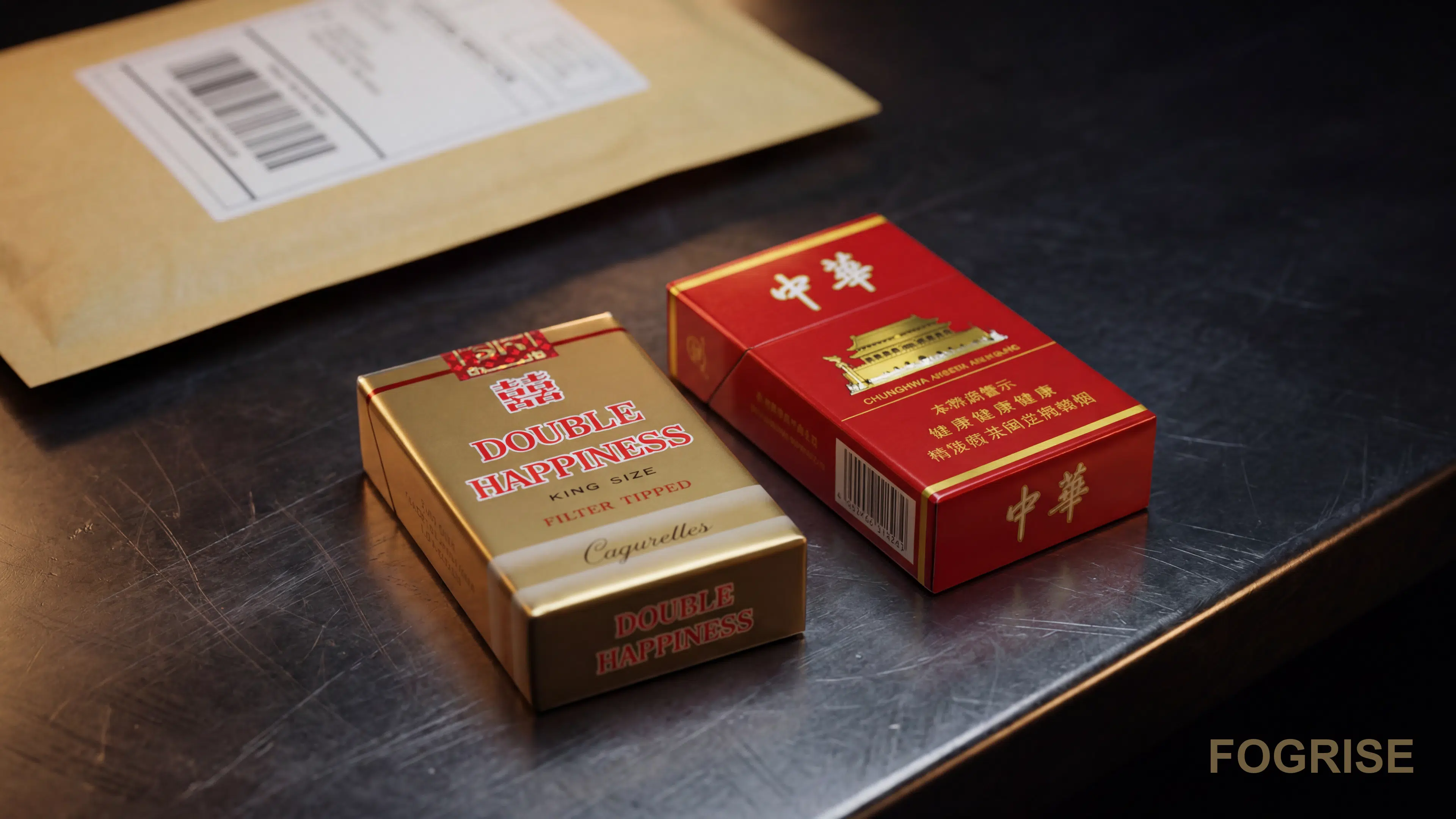
Post-Brexit HMRC allowance: 200 cigarettes from any origin
Before 1 January 2021 the United Kingdom kept the EU’s split allowance, where arrivals from inside the EU could move much larger quantities under "personal use" guidance while arrivals from non-EU countries were capped at 200 cigarettes. Brexit collapsed that split. HMRC now applies one unified personal allowance of 200 cigarettes (or 100 cigarillos, 50 cigars, or 250 grams of tobacco) from any country of origin (HMRC, 2025a). You may combine allowances proportionally, but you cannot stack them with another traveller in your party unless the goods are genuinely in each person’s possession.
Personal use versus commercial import
The 200-stick allowance applies to goods you intend to smoke yourself or give as a gift, with no payment expected. Bringing back two cartons "for the family" sits inside that envelope. Bringing back twelve cartons does not, even if the receipts are in your own name. Border Force officers use behavioural cues (quantity, packaging, frequency of travel, declared intent) to draw the line (HMRC, 2025a). If the assessment lands on commercial intent, the cigarettes are seized and you may face an HMRC duty assessment plus a wrongdoing penalty.
| Import route | Allowance | Duty and VAT | Seizure risk |
|---|---|---|---|
| Hand luggage, returning traveller | 200 cigarettes, personal use | None within allowance | Low if declared and within limit |
| Excess in luggage, declared | None duty-free above 200 | Full duty plus VAT at red channel | Low, but pricey |
| Excess in luggage, undeclared | None | Full duty, VAT, penalty | High, possible criminal referral |
| Postal parcel from China | Zero, no traveller allowance applies | Duty plus VAT plus handling | High, Border Force scans heavily |
| Commercial container import | N/A, requires licence | Full excise, VAT, customs | Seizure if unlicensed |
Postal and courier shipments and UK Border Force
A parcel posted from China to a UK home address gets none of the traveller’s 200-stick allowance. That allowance is for goods accompanying a person through a port of entry. UK Border Force, working with Trading Standards and HMRC, intercepts tobacco parcels at the major mail hubs. During 2024, Trading Standards seized more than 19 million counterfeit or illicit cigarettes across England and Wales, a meaningful share of which arrived through small parcels (HMRC, 2024). Address-spoofing, mislabelling parcels as "tea" or "stationery," and split shipments are well-known patterns and they do not work reliably.
What happens if Border Force finds cigarettes in your parcel
A first interception usually means seizure, a Notice of Seizure (BOR156), and a clean record (HMRC, 2025a). You can challenge the seizure in writing within one month if you believe the goods were lawful, but the burden of proof sits with the recipient. Repeat interceptions, or quantities suggesting resale, escalate quickly: HMRC may issue a wrongdoing penalty up to 100% of the evaded duty, and persistent senders can face prosecution. Commercial importers, by contrast, must register with HMRC, hold an EORI number, file duty entries, and source duty-paid stock; ad hoc retail of overseas-purchased Chinese cigarettes is not a viable business model in the UK. Adults 21+ who want a compliant alternative to chancing a parcel can review the TRPR-relabelled stock we keep for UK customers.
Where to Buy Chinese Cigarettes in the UK: Retail and Online Options
The UK runs no state tobacco monopoly. Sales sit with private retailers, supermarkets, off-licences, and specialist tobacconists, all working under the Tobacco and Related Products Regulations 2016 (TRPR) and HMRC excise rules (UK Statutory Instruments, 2016). That open structure sounds promising for anyone hunting Chinese cigarettes. The reality is narrower. Mainstream chains stock Marlboro, Benson and Hedges, Lambert and Butler, Mayfair, and a handful of roll-your-own ranges. They do not stock Chunghwa, Furongwang, or Double Happiness. Chinese brands reach the UK through three channels: Chinatown specialist tobacconists, occasional Asian grocery imports, and online sellers of varying compliance.
The UK has no state tobacco retail monopoly; tobacco is sold through any licensed retailer subject to TRPR compliance requirements and the age-verification duty under the Tobacco and Vapes Act 2026 (legislation.gov.uk, 2026). Chinese cigarette brands are rarely stocked in mainstream UK retail chains; availability is concentrated in specialist tobacconists in Chinatown districts.
UK tobacco retail: no state monopoly, but TRPR-compliant packs only
Every legal pack sold in UK retail must carry combined 65% pictorial and text warnings in English, the EU/UK traceability DataMatrix code, and, for personal imports cleared through customs, an HMRC duty-paid mark. TRPR is the binding regulation even after Brexit, because the UK retained its provisions in domestic law (UK Statutory Instruments, 2016). A pack with Mandarin-only warnings, no DataMatrix, and no duty stamp is not legal to sell at retail in Great Britain. That single rule shapes everything that follows. Chinese-domestic packs intended for the mainland market do not meet TRPR. They cannot lawfully sit on a shelf. Versions imported through proper channels and relabelled for the UK can, but volumes are small, margins are thin, and few national chains carry them.
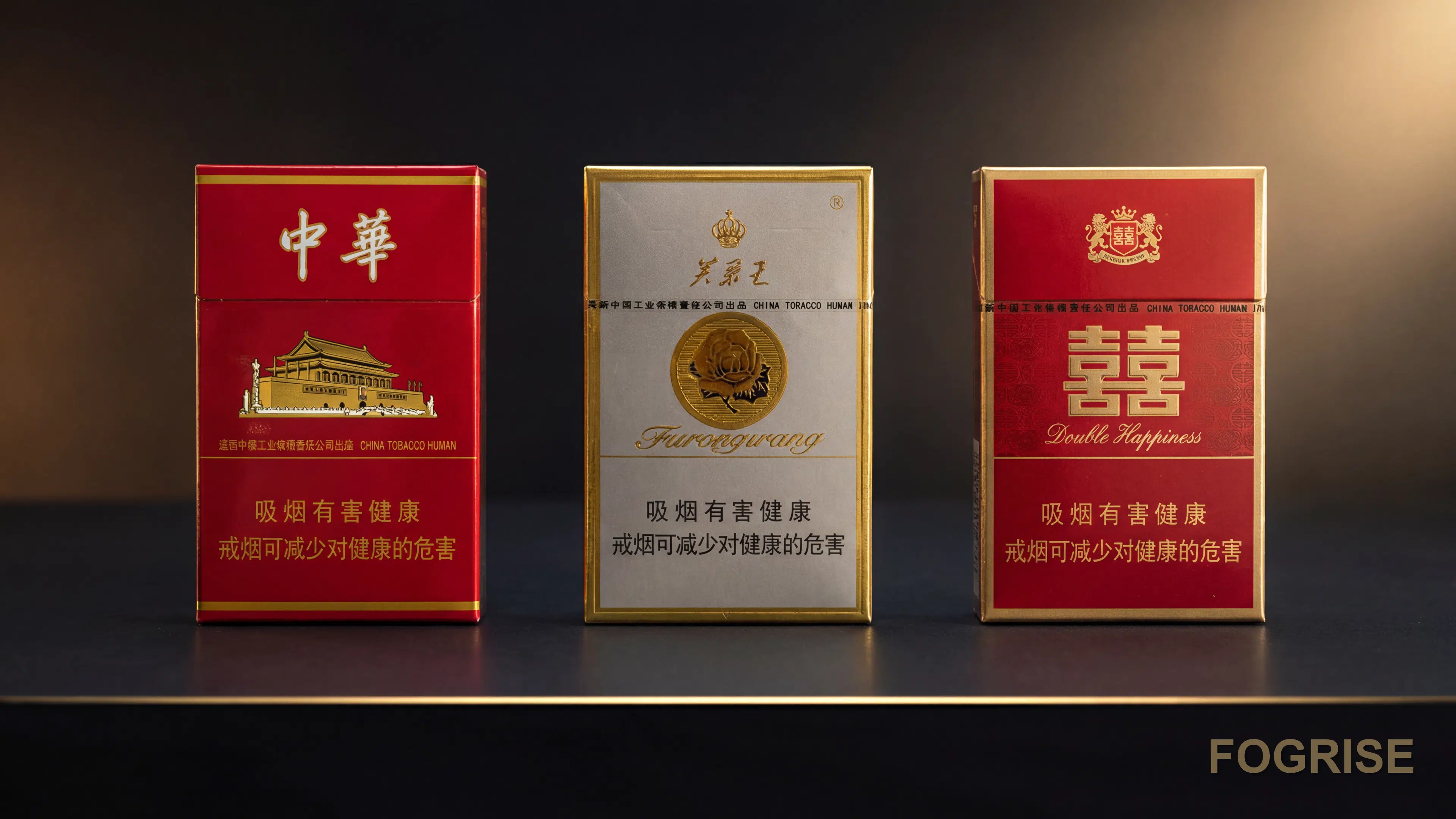
London Chinatown, Manchester Chinatown and specialist tobacconists
Three clusters concentrate what UK retail availability exists. Gerrard Street in London’s West End is the historic anchor, with tobacconists and Asian grocers along Lisle Street and Wardour Street stocking rotating selections. Manchester’s Chinatown around Faulkner Street and George Street is the second hub, smaller in footprint but well established. Birmingham’s Arcadian Centre on Hurst Street rounds out the trio. Stock varies week to week. Chunghwa Hard Pack and Soft Pack appear most consistently, often pitched as gift purchases. Double Happiness and Liqun show up irregularly. Premium Furongwang variants are rare. Prices run materially above mainland Chinese retail because UK excise duty plus VAT adds roughly nine to eleven pounds per twenty-pack at current rates. Ringing ahead before travelling across London for a specific brand is a sensible habit.
Online ordering: TRPR compliance risk and Border Force enforcement
Online is where the picture gets honest. Many sellers ship Chinese cigarettes into the UK from Hong Kong, Macau, or mainland-adjacent jurisdictions. The compliance burden does not vanish at the border. Whether a parcel clears Border Force depends on TRPR packaging conformity, accurate customs declaration, and whether duty is paid on arrival. Seizures happen. Personal-use allowances cover travellers, not mail-order purchases of indefinite quantity, and the buyer carries the risk if a shipment is intercepted (HMRC, 2025a). Reputable UK-based sellers who hold the right HMRC permissions, relabel packs to TRPR standard, and ship from a domestic warehouse are the safer route. Adults 21 and over can browse our current UK-compliant range at fogrise-cigarette.com/shop/. Verify TRPR markings on arrival, keep your receipt, and treat anything sold without English warnings as a counterfeit signal rather than a bargain.
Top Chinese Cigarette Brands for UK Expats and Enthusiasts
China’s tobacco market sits under the China National Tobacco Corporation (CNTC), a state monopoly that produces roughly 2.4 trillion cigarettes a year and accounts for about 44% of global cigarette output. Almost none of that volume is exported through normal retail channels into Western Europe. The brands UK expats and enthusiasts ask about by name are the ones that built reputations inside that domestic ecosystem, where pricing tiers, gifting conventions, and provincial loyalties shaped what each label represents. Below are the names that come up most often in UK Chinatown counters and on the requests we receive. Stated tar and nicotine values are taken from current pack-printed figures and reflect Chinese measurement standards, not UK or EU testing protocols.
Chunghwa (中华): prestige and gift brand
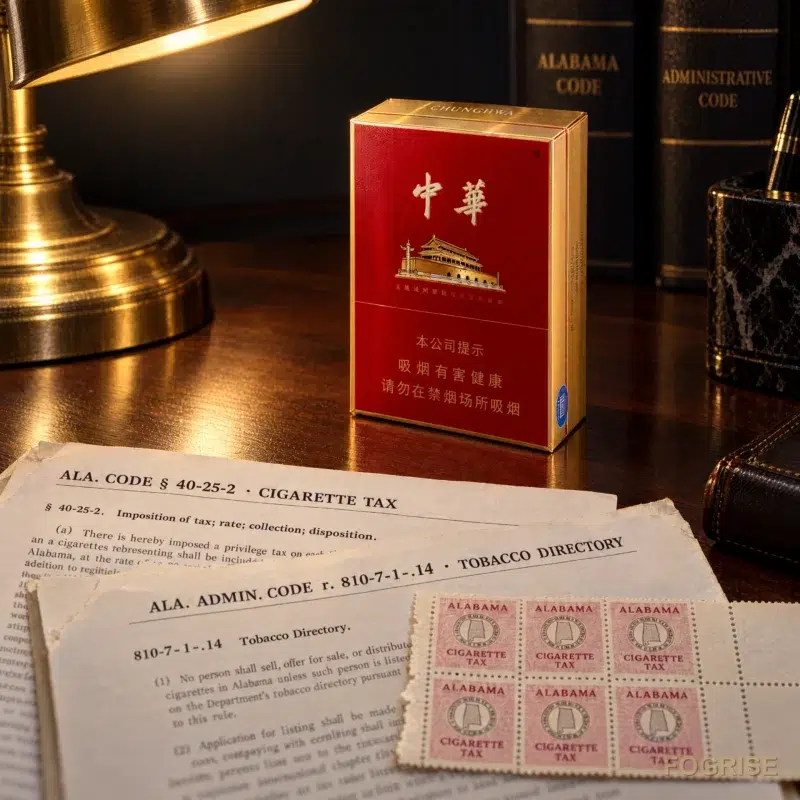
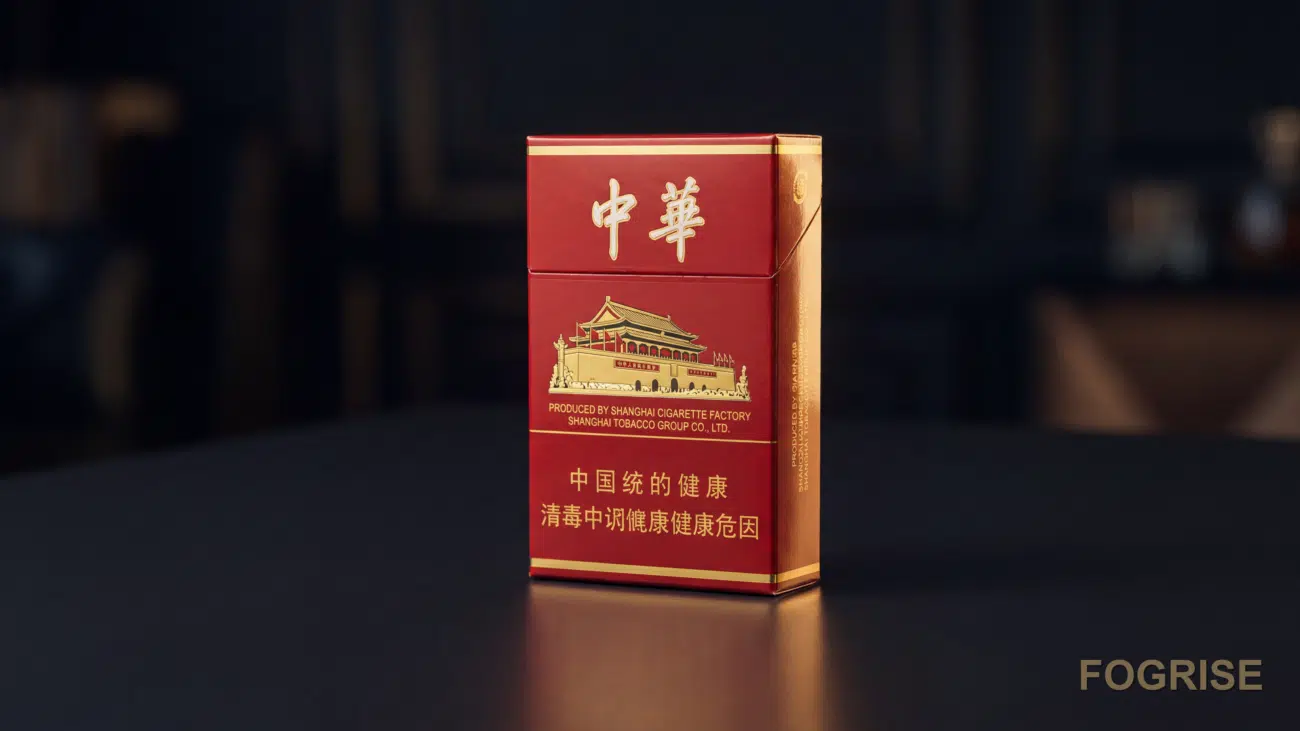
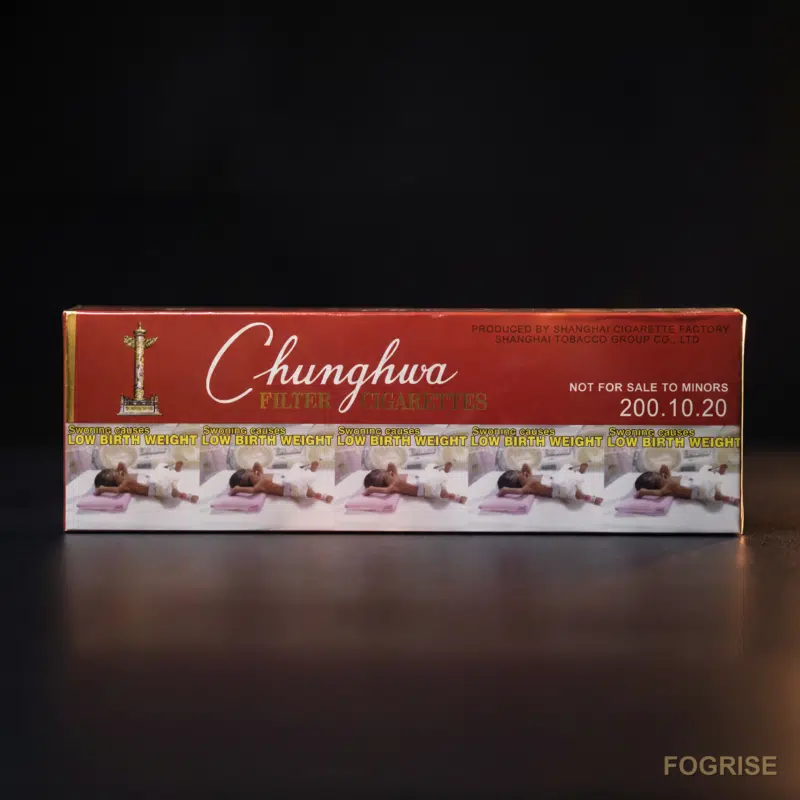
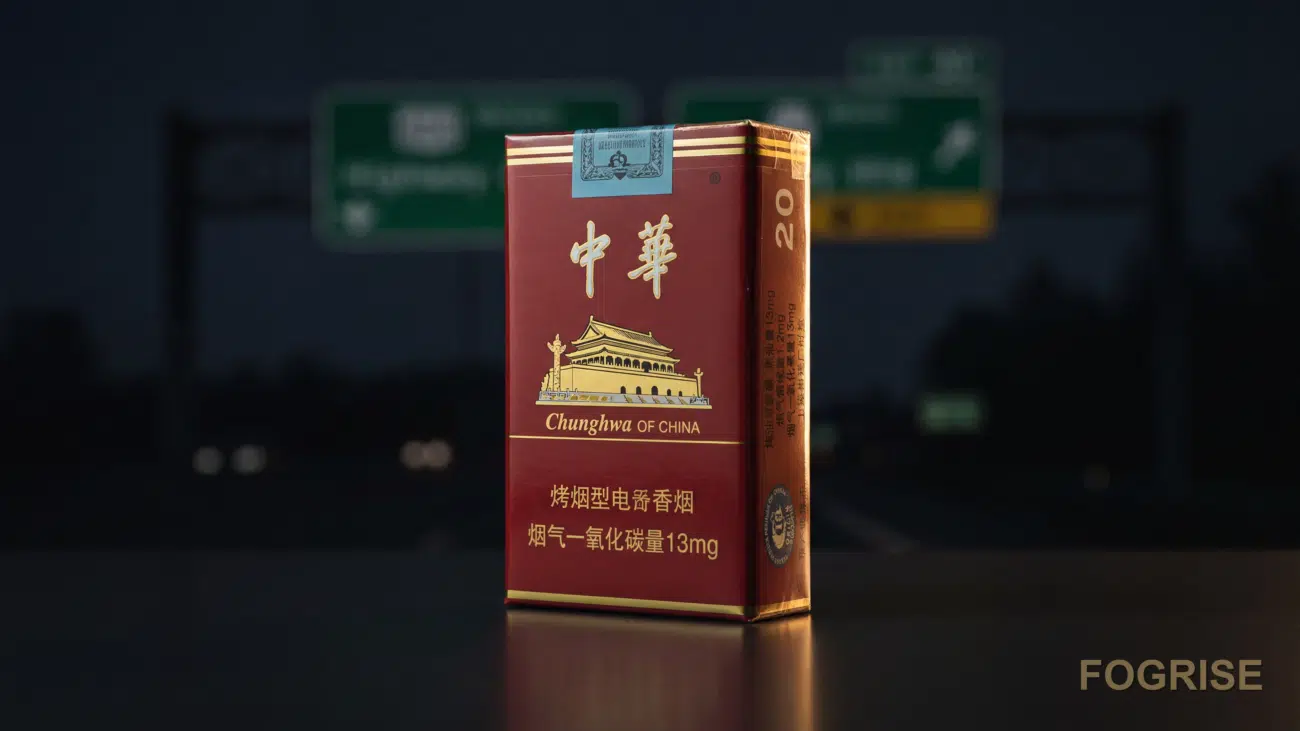
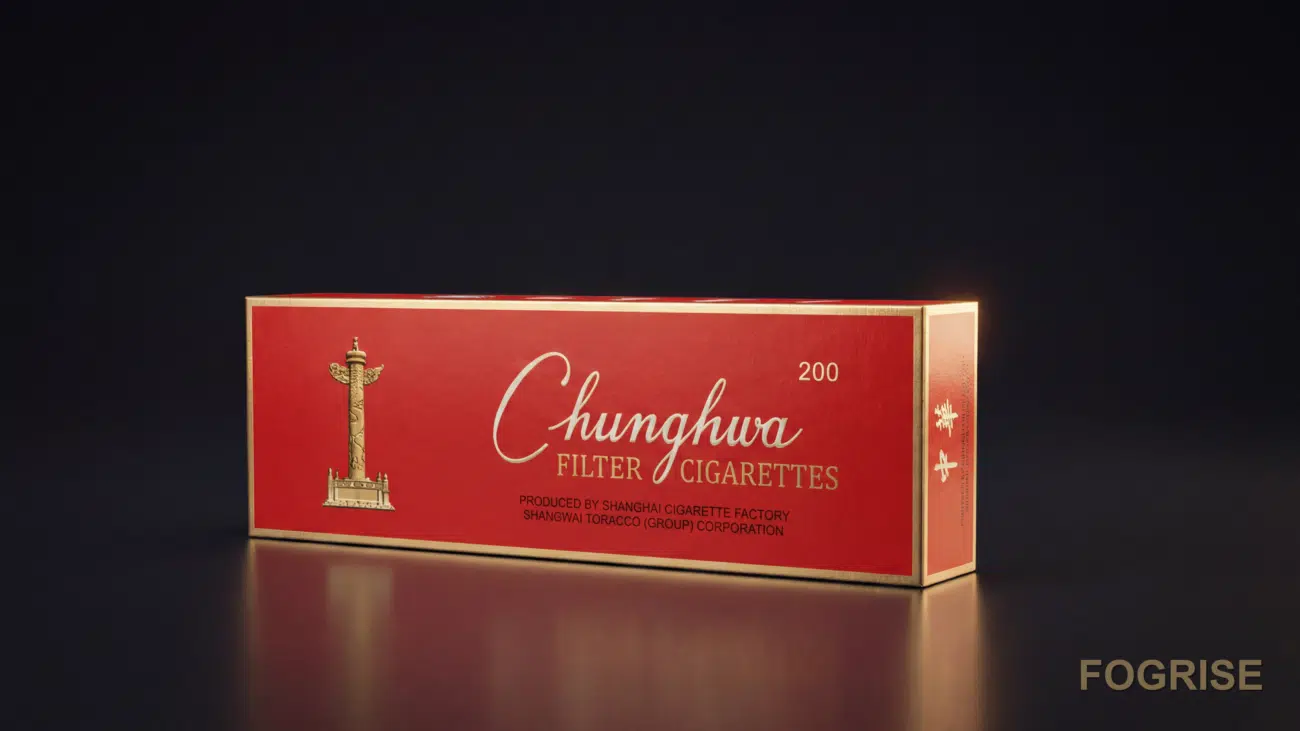
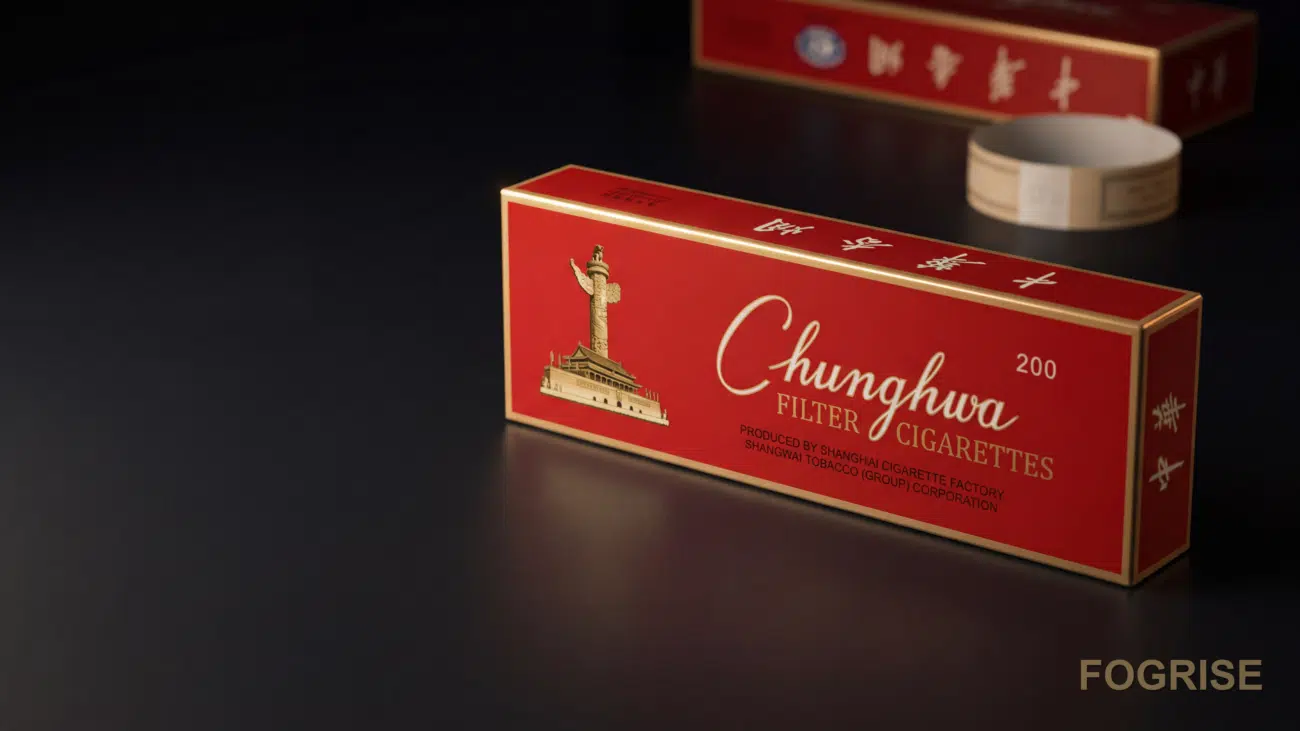
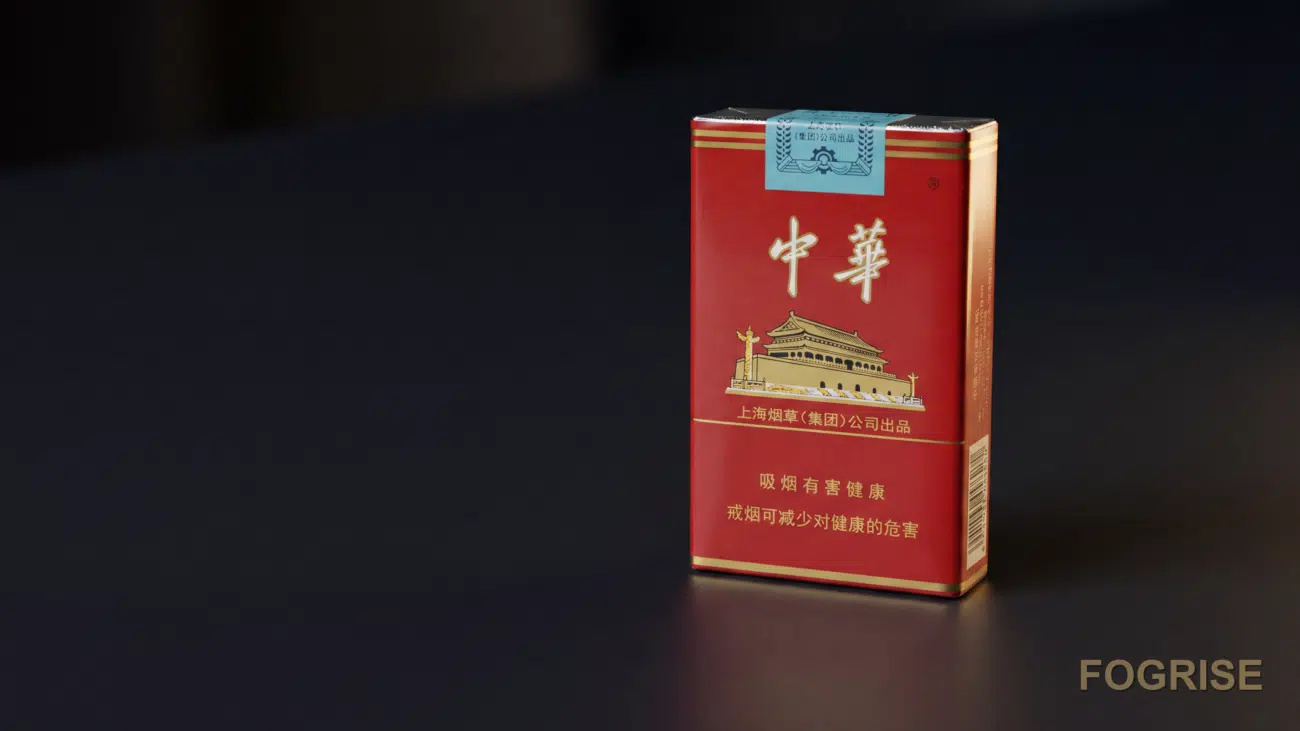
Chunghwa, produced by Shanghai Tobacco Group, is the apex of mainland Chinese cigarette prestige. Launched in 1951 and originally reserved for state functions, it migrated into civilian retail in the 1980s and became the default business gift in higher-end guanxi exchanges. The Hard Pack carries 11 mg tar and 1.1 mg nicotine on the pack; the Soft Pack reads similarly. In China, a carton of Chunghwa Hard sits at roughly 600 to 700 RMB, placing it well above daily-smoke pricing. In London Chinatown, equivalent stock runs noticeably higher once UK duty, VAT, and import handling are factored in. Smoking remains harmful regardless of which tier a smoker chooses; the price gap reflects positioning, not safety.
Furongwang (芙蓉王): premium daily smoke
Furongwang, made by Hunan Tobacco’s Changde factory, occupies the bracket below Chunghwa: premium enough to be respectable, common enough to function as a daily smoke for white-collar buyers in southern and central China. The standard Hard Pack reads 11 mg tar and 1.0 mg nicotine. Hunanese smokers tend to defend it the way Marlboro Red drinkers defend their brand. UK availability is sporadic and concentrated in Chinatown tobacconists with active mainland supply lines.
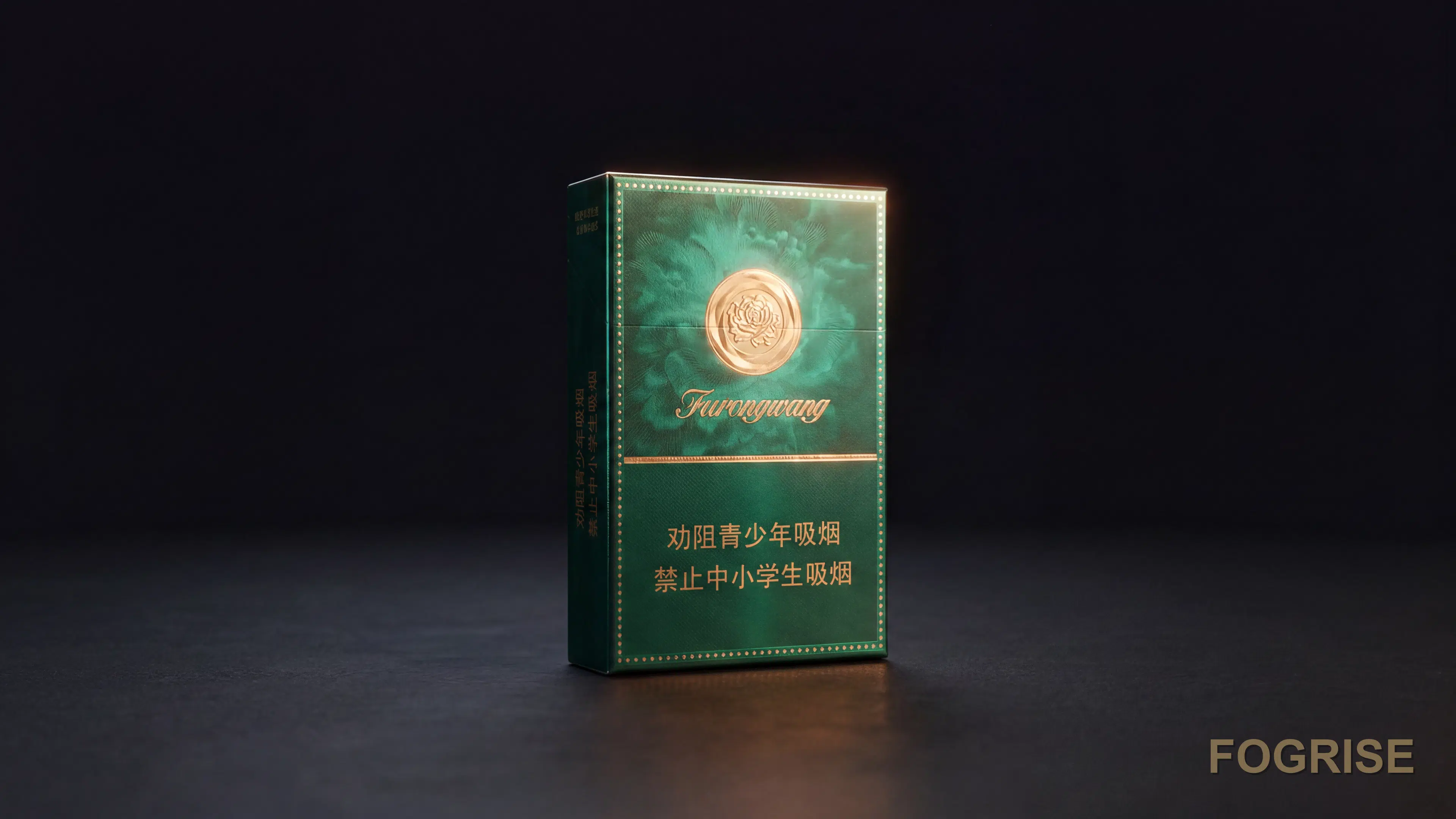
Double Happiness (双喜): everyday choice
Double Happiness, produced by Guangdong Tobacco, is the workhorse of the southern provinces and one of the highest-volume Chinese brands by units shipped. Pack-stated values for the standard red variant land around 10 to 11 mg tar and 1.0 mg nicotine. It is also, unfortunately, one of the brands most frequently counterfeited and trafficked in the European illicit market, which means UK buyers should treat unusually cheap Double Happiness offers with skepticism. The covered Section 8 on counterfeit detection applies most acutely here.
Yuxi, Hongtashan and Liqun: mid-range
Yuxi (Yunnan), Hongtashan (Hongta Group, Yunnan), and Liqun (Zhejiang) make up the everyday mid-range that fills most Chinese smokers’ pockets. Each carries provincial loyalty: Yunnan smokers gravitate to Hongtashan and Yuxi, Zhejiang and Shanghai smokers reach for Liqun. Pack-stated tar values cluster in the 10 to 12 mg range with nicotine around 0.9 to 1.1 mg. Availability in UK Chinatown is irregular, and prices reflect long import paths.
Nanjing and regional brands
Nanjing (Jiangsu), Yellow Crane Tower (Hubei), and Su Yan (Jiangsu) round out the regional tier that UK expats from those provinces sometimes seek. None are reliably stocked. Custom orders through specialist tobacconists are the realistic route, and lead times of two to four weeks are common.
Brand comparison at a glance
| Brand | Tier | Tar mg (pack-stated) | Nicotine mg (pack-stated) | Pack Format | UK availability |
|---|---|---|---|---|---|
| Chunghwa Hard | Prestige / gift | 11 | 1.1 | 20s hard | Chinatown specialists |
| Furongwang Hard | Premium daily | 11 | 1.0 | 20s hard | Occasional |
| Double Happiness Red | Everyday | 10 to 11 | 1.0 | 20s soft / hard | Occasional, counterfeit risk |
| Yuxi | Mid-range | 10 | 0.9 | 20s hard | Irregular |
| Hongtashan | Mid-range | 11 | 1.0 | 20s hard | Irregular |
| Liqun | Mid-range | 11 | 1.0 | 20s hard | Irregular |
| Nanjing | Regional | 10 to 12 | 0.9 to 1.1 | 20s hard | Special order |
Pack-stated values, not health claims. Smoking is harmful regardless of stated figures.
Adults 21+ looking to source any of the above through a UK-compliant channel can check current availability on our Chinese cigarettes catalogue.
The Tobacco and Vapes Act 2026: What It Means for Chinese Cigarette Buyers
The UK’s tobacco retail picture has just shifted on a generational scale. The Tobacco and Vapes Act 2026 received Royal Assent on 29 April 2026, ending years of consultation under both Conservative and Labour governments and putting the UK on a path toward a phased-out tobacco retail market (Department of Health and Social Care, 2026). For Chinese cigarette buyers in the UK, the immediate practical impact is narrower than the headlines suggest, but the long-term implication is fundamental. This section is informational only, not legal advice. Anyone with a specific situation should consult the legislation directly at legislation.gov.uk or a qualified UK solicitor.
The Tobacco and Vapes Act 2026 received Royal Assent on 29 April 2026, introducing a permanent generational tobacco sales prohibition: from 1 January 2027, no retailer may sell tobacco products to anyone born on or after 1 January 2009, regardless of their age at the time of purchase (legislation.gov.uk, 2026). Existing adult smokers born before 2009 are unaffected.
Royal Assent 29 April 2026: the generational smoking ban
The Act passed Parliament after multiple readings in the Commons and Lords and became law on 29 April 2026. Its central mechanism is the so-called ratchet: a moving age threshold rather than a fixed minimum purchase age. The previous regime set 18 as the minimum age to buy tobacco. The new regime keeps that floor for everyone already born before the cut-off, while preventing anyone below the cut-off from ever becoming a legal purchaser regardless of how old they later become (Department of Health and Social Care, 2026). The Act covers all combustible tobacco products: cigarettes, hand-rolling tobacco, cigars, and pipe tobacco. Chinese cigarettes, as a category of combustible tobacco, fall fully within scope. There is no carve-out for imported brands, ethnic-specific products, or specialist tobacconist stock.
Sales prohibition for those born on or after 1 January 2009
The legal cut-off is 1 January 2009. Anyone born on or after that date cannot lawfully purchase tobacco in the UK from the commencement date forward, regardless of their age at the time of purchase (UK Public General Acts, 2026). A person born in January 2009 will reach 18 in 2027 but will never be a legal tobacco buyer. The same applies to every cohort behind them. Existing adult smokers, meaning everyone born before 1 January 2009, are unaffected. They can continue to purchase tobacco, including Chinese cigarette brands, under the existing rules. Retailers face new ID-verification obligations and potential penalties for non-compliant sales, but the buyer side of the law splits cleanly along that single date.
What changes from 1 January 2027 and what stays the same
The sales prohibition commences from 1 January 2027 (UK Public General Acts, 2026). From that date, retailers must check ID for anyone potentially affected by the ratchet and refuse sales to anyone born on or after 1 January 2009. What does not change for eligible adult buyers: the personal travel import allowance of 200 cigarettes from non-EU countries remains in place, possession of tobacco for personal use carries no criminal liability, and online purchases from UK-compliant sellers continue to be lawful for adults outside the ratcheted cohort. TRPR packaging rules, HMRC duty, and Border Force enforcement all continue as before. The Act tightens the front door of retail; it does not retroactively criminalise existing smokers or their preferred brands.
How to Spot Counterfeit Chinese Cigarettes in the UK
UK enforcement agencies seized more than 19 million counterfeit and illicit cigarettes in 2024 in joint operations led by HMRC, Border Force, and local Trading Standards teams (HMRC, 2024). Chinese-branded packs feature prominently in that haul. Double Happiness in particular has appeared on Europol and HMRC intelligence assessments as one of the most-trafficked counterfeit cigarette brands across European illicit markets, alongside Marlboro and Jin Ling clones. Counterfeit packs are not the cheap version of a known product. They are a different product, often produced in unregulated factories with inconsistent leaf, undeclared additives, higher tar yields than the label claims, and packaging that mimics the legitimate brand. Smoking counterfeits compounds the harm of smoking itself.
HMRC and UK Trading Standards enforcement data shows that more than 19 million counterfeit cigarettes were seized across the United Kingdom during the 2023-24 financial year, reflecting the scale of the illicit tobacco trade entering the country (GOV.UK, 2024). Double Happiness is consistently identified among the most-trafficked counterfeit cigarette brands in global enforcement intelligence.
The UK’s illicit tobacco problem: 19 million seized in 2024
Enforcement seizures rose materially through 2023 and 2024 as Border Force tightened parcel checks at East Midlands and Coventry mail hubs, where small-quantity online imports concentrate. HMRC’s Fraud Investigation Service runs parallel operations against UK-based distributors. Trading Standards officers visit retail outlets across London, Manchester, Birmingham, and Glasgow on rotation (HMRC, 2024). Reported seizure totals understate the true market because much illicit tobacco never reaches a counted intercept. Independent estimates have placed the illicit share of UK cigarette consumption in the high single digits to low double digits in recent years.
TRPR authentication: English-language warnings and UK excise marks
Three packaging features separate a TRPR-compliant pack from an illicit one. First, combined pictorial and text health warnings covering 65% of the front and back of the pack, in English (UK Statutory Instruments, 2016). A pack with Mandarin-only warnings, or warnings that look poorly printed or off-register, has not entered the UK through compliant channels. Second, a DataMatrix code printed on the side of the pack, part of the EU and UK tobacco traceability system, which retailers can scan to confirm the pack’s supply-chain record. Third, for cigarettes brought in through personal-import duty payment, an HMRC duty-paid mark on the cellophane or the pack itself. The absence of any of these three features is a hard signal that the pack is either counterfeit or smuggled.
Red flags: pricing, sellers, and print quality
Pricing is the loudest signal. A pack of Chunghwa selling for less than the mainland Chinese retail equivalent, in the UK, after import costs, duty, and VAT, is not arithmetically possible from a compliant seller. Treat such offers as counterfeit until proven otherwise. Seller signals matter too: unverifiable WhatsApp-only sellers, social media listings without a business address, sellers who refuse to provide a VAT receipt, and sellers who ship without TRPR-compliant packaging all warrant refusal. Print quality on the genuine article is consistent, with sharp registration of the brand logo and warning panel. Blurred or shifted printing, misspelled English warnings, missing DataMatrix codes, or cellophane that peels in an unusual pattern are all flags. If a pack feels wrong, the rational response is to not smoke it. Counterfeit tobacco may carry higher harm from unregulated filler and undisclosed contaminants with inconsistent combustion.
The British Chinese Community: Tobacco Culture and Context
Tobacco preferences travel with diaspora communities, and the British Chinese context shapes how Chinese cigarette brands are bought, gifted, and smoked in the UK. The 2021 Census recorded 502,216 people in England and Wales identifying as Chinese, with significant additional populations in Scotland and Northern Ireland counted separately by the National Records of Scotland and NISRA (Office for National Statistics, 2022). That community is concentrated in three urban clusters that overlap with the Chinatown retail hubs covered above.
According to the 2021 Census for England and Wales (Office for National Statistics, 2022), 502,216 residents identified as British Chinese, with approximately 40% concentrated in Greater London. ASH UK research from 2022 found that 10.0% of Chinese men and 6.9% of Chinese women in the UK smoke, compared to a 12.9% average across all UK adults (ASH, 2022).
502,216 British Chinese residents: London, Manchester and Birmingham hubs
London holds the largest share, with established communities in Westminster around Gerrard Street, in Tower Hamlets, and in the outer boroughs of Barnet and Brent. Manchester’s Chinese community anchors around Faulkner Street and George Street. Birmingham’s hub sits at the Arcadian Centre on Hurst Street (Office for National Statistics, 2022). Each of these places functions as more than a retail district. They are social infrastructure: family-run restaurants, community associations, lunar new year celebrations, and the tobacconists where older first-generation members still buy Chunghwa for weddings and business meetings. The retail availability of Chinese cigarettes maps almost exactly onto this community geography.
Chunghwa’s cultural significance
Chunghwa carries weight that no UK domestic brand replicates. In mainland business culture, presenting a carton of Chunghwa Hard during a guanxi exchange signals respect and seriousness; the brand has been an unofficial currency of relationship-building since the 1980s. That convention travels. First-generation British Chinese business owners, wedding hosts, and elder family members still use Chunghwa at formal occasions, even where the recipient does not smoke. The pack itself is the gift, not the smoking experience. Younger British Chinese, raised under UK public-health messaging and TRPR plain-packaging norms, increasingly find the convention dated. The pack is still recognised, but the practice is declining generationally.
Tobacco trends and health context
ASH (Action on Smoking and Health) analysis of UK health survey data published in 2022 reported lower-than-average smoking rates among British Chinese adults, with roughly 10% of Chinese men and 6.9% of Chinese women smoking, compared with a UK adult average of around 12.9% (Action on Smoking and Health, 2022). The gap reflects multiple factors: high educational attainment correlating with lower smoking, public-health uptake among younger generations, and the relative cost of tobacco in the UK versus mainland China. Smoking remains the single largest preventable cause of death in the UK across all ethnicities. The cultural significance of Chunghwa as a gift does not change the underlying harm of combustible tobacco for the person who actually smokes it.
UK Tobacco Regulations: Age, Indoor Laws and Health Context
Before any purchase, know the legal floor. The UK statutory minimum age to buy tobacco is 18, set by the Health Act 2006 and subsequent amendments. xiangyandd applies a stricter 21+ floor on this site, in line with international best practice and our own retail policy. If you are under 21, this content is not for you.
Minimum purchase age: 18+ in the UK; 21+ enforced on this site
UK law requires retailers to refuse tobacco sales to anyone under 18, and the Tobacco and Vapes Act 2026 maintains that statutory threshold even as it introduces a generational sales ban for later cohorts. Our store applies an additional 21+ age-verification step at checkout. The site-level rule is independent of national law and applies to every customer regardless of jurisdiction.
Smoke-free legislation and the Health Act 2006
The UK has thorough indoor smoke-free legislation. The Health Act 2006 covers England and Wales, the Smoking, Health and Social Care (Scotland) Act 2005 covers Scotland, and the Public Health (Wales) Act 2017 consolidates Welsh provisions. Smoking is prohibited in virtually all enclosed public places, workplaces, and public transport. Travellers carrying Chinese cigarettes should plan to smoke only in designated outdoor areas.
UK smoking prevalence and public-health resources
Adult smoking prevalence in the UK was 11.9% in 2024, per NHS Digital and ONS data, continuing a multi-decade decline (Office for National Statistics, 2024). If you are considering quitting, the NHS Stop Smoking service is free: call 0300 123 1044 or visit smokefree.nhs.uk. The WHO Framework Convention on Tobacco Control also publishes country-level guidance. Smoking is harmful and addictive; cessation support is widely available and effective.
Frequently Asked Questions
Can I bring Chinese cigarettes into the UK?
Yes, if you are an adult (this site enforces 21+, UK law sets 18+). Travellers may bring 200 cigarettes from any origin duty-free under post-Brexit HMRC rules, provided the tobacco is for personal use and not for resale. Always verify the current allowance with HMRC before you travel, as thresholds can change (HMRC, 2025a).
How many cigarettes can I bring to the UK from China?
The duty-free personal allowance is 200 cigarettes from any non-UK origin, including China, under post-Brexit HMRC rules that ended the old EU/non-EU split (HMRC, 2025a). Quantities above 200 require declaration and payment of UK excise duty. The allowance is per adult traveller and applies to personal consumption.
Are Chinese cigarettes legal in the UK?
Possession for personal use is legal for adults. However, packs that do not meet the Tobacco and Related Products Regulations 2016 (TRPR) (picture warnings, plain packaging, ingredient disclosure) cannot be sold domestically and may be seized at the border if imported for commercial purposes (UK Statutory Instruments, 2016). Personal-use quantities are generally not the enforcement priority.
What is the UK customs allowance for cigarettes?
The current HMRC duty-free allowance is 200 cigarettes from any origin, applied uniformly since the post-Brexit rule change removed the EU/non-EU distinction (HMRC, 2025a). Equivalent allowances exist for cigars (50) and rolling tobacco (250g). Personal use only. Verify the live figure with HMRC before any trip.
Where can I buy Chinese cigarettes in the UK?
Specialist Chinese tobacconists operate in Chinatown districts of London, Manchester, and Birmingham. International online retailers also ship to the UK, though TRPR-non-compliant packaging carries customs risk. Adults 21+ only. We do not recommend any specific third-party retailer; verify the seller’s age-verification, licensing, and import compliance independently.
What is the Tobacco and Vapes Act 2026?
The Tobacco and Vapes Act 2026 received Royal Assent on 29 April 2026 (Department of Health and Social Care, 2026). From 1 January 2027, it bans the sale of tobacco products to anyone born on or after 1 January 2009, creating a generational rolling ban. People born before that date retain current purchase rights. The Act also tightens vape advertising and flavour rules.
What is the smoking age in the UK?
The current legal purchase age for tobacco is 18, and the Tobacco and Vapes Act 2026 maintains that floor for existing cohorts. The 2026 Act introduces a generational ban for anyone born on or after 1 January 2009, taking effect 1 January 2027 (Department of Health and Social Care, 2026). xiangyandd applies a stricter 21+ floor on this site.
Why are Chinese cigarettes expensive outside China?
Export logistics, UK HMRC excise duty, retailer margins, and scarcity all add cost. Premium domestic Chinese brands such as Chunghwa are priced for the Chinese gift market and were never engineered for cheap export. Outside China, supply is thin and import-licensed channels are narrow, so a soft pack that costs roughly $7 in Shanghai can retail for £25 or more in London. This is not legal or financial advice; verify with HMRC or Citizens Advice for your specific situation.
Conclusion
Chinese cigarettes occupy a narrow but real space in the UK market. For adults 21+, the legal framework is workable: personal-use possession is lawful, the post-Brexit HMRC allowance permits 200 cigarettes duty-free from any origin, and the Tobacco and Related Products Regulations 2016 set the packaging and ingredient rules for any pack offered for domestic sale (UK Statutory Instruments, 2016). The Tobacco and Vapes Act 2026 signals where the policy direction is heading: a generational sales ban from 1 January 2027 for anyone born on or after 1 January 2009, with current adult cohorts retaining purchase rights for now (Department of Health and Social Care, 2026).
For British expats and the wider UK Chinese community, the brands that travel well are the ones with the strongest cultural and gifting weight. Chunghwa remains the prestige benchmark. Furongwang offers a softer, value-leaning flavour profile that holds up across long-haul logistics. Double Happiness sits in the middle as the daily-smoker classic. Each is recognisable on sight and carries the social signalling that a generic Western pack cannot.
If you want to explore the range we stock for international customers, visit fogrise-cigarette.com/shop/. Adults 21+ only. Verify your local laws and import duties before any purchase.
Smoking is harmful and addictive. Verify your local laws before any purchase.
References
- HM Revenue & Customs. (2025a). Bringing goods into the UK for personal use: Arriving in Great Britain. GOV.UK. https://www.gov.uk/bringing-goods-into-uk-personal-use/arriving-in-Great-Britain
- UK Statutory Instruments. (2016). The Tobacco and Related Products Regulations 2016 (SI 2016/507). legislation.gov.uk. https://www.legislation.gov.uk/uksi/2016/507/contents/made
- HM Revenue & Customs. (2025b). Rates and allowances: Excise Duty, Tobacco Duty rates. GOV.UK. https://www.gov.uk/government/publications/rates-and-allowances-excise-duty-tobacco-duty/excise-duty-tobacco-duty-rates
- Department of Health and Social Care. (2026, April 29). Tobacco and Vapes Bill becomes law. GOV.UK. https://www.gov.uk/government/news/tobacco-and-vapes-bill-becomes-law
- UK Public General Acts. (2026). Tobacco and Vapes Act 2026 (c. 14). legislation.gov.uk. https://www.legislation.gov.uk/ukpga/2026/14/contents
- Office for National Statistics. (2022). Ethnic group, England and Wales: Census 2021. ONS. https://www.ons.gov.uk/peoplepopulationandcommunity/culturalidentity/ethnicity/bulletins/ethnicgroupenglandandwales/census2021
- Action on Smoking and Health. (2022). Tobacco and ethnic minorities fact sheet. ASH UK. https://ash.org.uk/uploads/Tobacco-and-Ethnic-Minorities-Fact-Sheet-v3.pdf
- HM Revenue & Customs. (2024). Outputs for tackling tobacco smuggling: April 2023 to March 2024. GOV.UK. https://www.gov.uk/government/publications/annual-outputs-for-tacking-tobacco-smuggling/outputs-for-april-2023-to-march-2024
- World Bank. (2024). World Integrated Trade Solution: China cigarette exports to United Kingdom, HS 240220, 2023. World Bank WITS. https://wits.worldbank.org/CountryProfile/en/Country/CHN/Year/2023/TradeFlow/Export/Partner/GBR/Product/240220
- Office for National Statistics. (2024). Adult smoking habits in Great Britain: 2024. ONS. https://www.ons.gov.uk/peoplepopulationandcommunity/healthandsocialcare/healthandlifeexpectancies/bulletins/adultsmokinghabitsingreatbritain/2024
Last reviewed and updated: June 2026. Author: xiangyandd editorial team. For tailored guidance, contact our team.



 English (US)
 简体中文
 Deutsch
 Français
 Español