

Blog
Spain Chinese Cigarettes: Brands, Customs & Buying Guide 2025

TL;DR
Adults 21+ may possess Chinese cigarettes in Spain; 200 is the traveller duty-free allowance from non-EU origins. Online postal shipments are heavily intercepted post-May 2024 fiscal-stamp enforcement. Chunghwa, Furongwang, and Double Happiness are the most-sought brands among Spanish expats.
Abstract
Chinese cigarettes are legal to own and consume in Spain for adults, but the rules around buying, importing, and selling them are tighter than most newcomers expect. Spain chinese cigarettes sit at the intersection of two regulatory regimes: the EU Tobacco Products Directive (TPD, Directive 2014/40/EU) transposed via Royal Decree 579/2017, which mandates 65% combined pictorial and text health warnings on every legally sold pack (Boletín Oficial del Estado [BOE], 2017), and Law 7/2024, the excise reform that took effect 1 January 2025 and raised the duty floor on manufactured tobacco (Agencia Estatal de Administración Tributaria [AEAT], 2024). Fiscal stamps have been mandatory on every retail pack since 20 May 2024 (AEAT, 2024). A 200-cigarette duty-free allowance still applies to travellers arriving from outside the EU, and Spain’s Chinese diaspora, concentrated in the Usera district of Madrid, has kept brands like Chunghwa, Furongwang, and Double Happiness in steady cultural circulation.
This guide explains what the 2025 rules mean for buyers, which brands are realistically available, how customs treats personal imports versus commercial shipments, and where the legal grey zones sit. We cover pack-format compliance, age verification (Spain’s legal floor is 18, our store floor is 21), price tiers after the excise change, and the practical mechanics of buying without falling foul of Hacienda. Sections are organised by buyer question, not by brand.
For adults 21+ only. Smoking is harmful and addictive. Tobacco laws and import rules vary by country; verify yours before purchasing. Informational only, not legal or medical advice.
Key Takeaways
- Traveller allowance is strict: Adults 21+ may bring 200 cigarettes from non-EU origins into Spain, duty-free (AEAT, 2024).
- Postal parcels face seizure: Under 50 cigarettes is a soft threshold; AEAT routinely intercepts larger inbound shipments (AEAT, 2024).
- Law 7/2024 changed the rules: Since January 2025, packs without Spanish fiscal stamps are non-compliant and confiscated (AEAT, 2024).
- Chinese tobacco hierarchy matters: Chunghwa signals prestige and gifting, Furongwang is the go-to daily smoke for established expats, Double Happiness covers the everyday tier.
- Counterfeits circulate widely: Verify fiscal stamps and the mandatory 65% pictorial health warnings before any purchase (BOE, 2017).
- Adults only, harm acknowledged: Smoking is addictive and damages health; this guide informs adults 21+ navigating legal Spanish channels.
Compiled from AEAT customs guidance, Law 7/2024 text, and Spanish tobacco retail observation, current as of 2025.
Table of Contents
- TL;DR
- Abstract
- Key Takeaways
- Table of Contents
- Are Chinese Cigarettes Legal in Spain? (2025 Rules)
- Customs Allowances: How Many Chinese Cigarettes Can You Bring to Spain?
- Where to Buy Chinese Cigarettes in Spain: Retail & Online Options
- Top Chinese Cigarette Brands for Expats in Spain
- How to Spot Counterfeit Chinese Cigarettes in Spain
- Chinese Diaspora in Spain: Tobacco Culture and Context
- Smoking Regulations in Spain: Age, Indoor Laws and Health Context
- Frequently Asked Questions
- Conclusion
- References
Are Chinese Cigarettes Legal in Spain? (2025 Rules)
Short answer: owning a Chinese cigarette pack in Spain is not a criminal offence, but selling, importing for resale, or carrying quantities above the personal allowance through customs almost always is. The pack itself usually fails Spanish compliance the moment it leaves a Chinese factory, because the labelling, the fiscal stamp, and the traceability code were never designed for the EU market (European Parliament and Council, 2014). That mismatch is what triggers seizures, not the tobacco inside.
Spain regulates cigarettes through three overlapping layers in 2025: the EU Tobacco Products Directive, the new Law 7/2024 excise reform, and the AEAT fiscal-stamp regime. A pack has to clear all three to be legally sold. Most Chunghwa, Double Happiness, or Furongwang packs sourced from Asia clear none of them.
EU Tobacco Products Directive compliance requirements
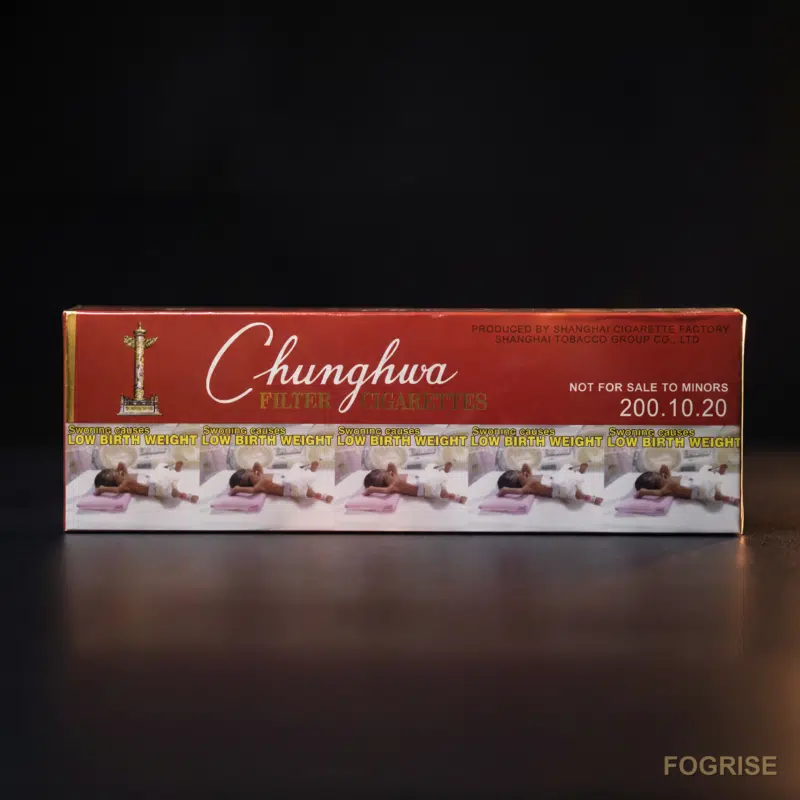
The TPD (Directive 2014/40/EU), transposed into Spanish law by Royal Decree 579/2017, sets the baseline. Every unit pack sold in Spain must carry combined pictorial and text health warnings covering 65% of the front and back surfaces, a traceability code feeding the EU track-and-trace database, and Spanish-language warnings. Characterising flavours, including menthol, have been fully banned since May 2020, and packs of fewer than 20 cigarettes cannot be sold at retail (BOE, 2017; European Parliament and Council, 2014). A typical pack made for the Chinese domestic market carries Mandarin warnings on roughly 35% of the surface, no EU traceability code, and frequently a flavour profile that would not pass the characterising-flavour test.
Spain’s Law 7/2024 excise reform (effective January 2025)
Law 7/2024, in force from 1 January 2025, raised both the specific (per-stick) and proportional (ad valorem) components of Spain’s tobacco excise to lift the minimum tax floor (AEAT, 2024). The reform did not legalise any new import channel. It made the gap between the Spanish retail price of a 20-stick pack and the same pack landed from China larger, which is precisely the gap that draws contraband and, by extension, draws customs attention.
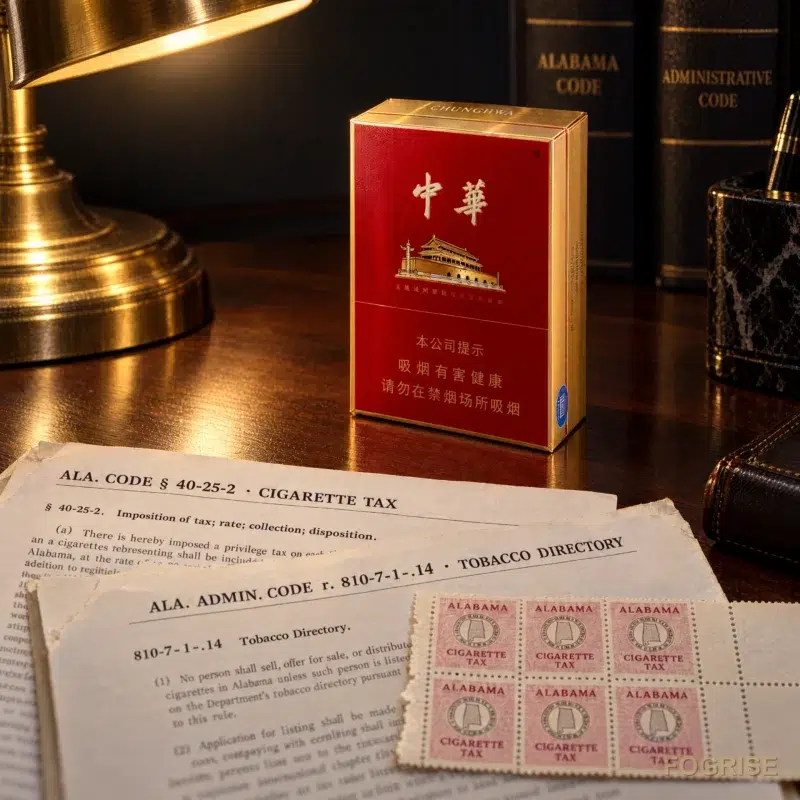
Mandatory fiscal stamps since May 2024
Since 20 May 2024, every tobacco unit pack circulating in Spain must carry an AEAT fiscal stamp (AEAT, 2024). The Comisionado para el Mercado de Tabacos reported around 3.5 tonnes of unstamped tobacco intercepted in the postal channel by August 2024. A pack without that stamp is, by definition, outside the regulated supply chain, and Spanish customs treats absence of the stamp as prima facie evidence the pack should not be there.
Compliance snapshot
| TPD / Spain requirement | Standard required | Typical imported Chinese pack |
|---|---|---|
| Health warnings | 65% combined pictorial + text, front and back | ~35% Mandarin-only text, no pictorial |
| Fiscal stamp (AEAT) | Mandatory on every unit pack since 20 May 2024 | Absent |
| Traceability code | EU track-and-trace, scannable | Absent or Chinese domestic code |
| Pack size | Minimum 20 cigarettes | Usually 20, sometimes 10 (non-compliant) |
| Characterising flavours | Banned (incl. menthol since May 2020) | Often present (honey, tea, floral) |
| Language | Spanish mandatory | Mandarin only |
What ‘legal to own’ actually means for a Chinese pack
For an adult resident (Spain’s legal smoking age is 18, xiangyandd sells only to buyers 21 and over), possession of a non-compliant pack you already have is not a crime. What is regulated is the act of bringing it across the border, the quantity, and any onward sale. Customs can and does seize non-compliant packs at the point of entry. Treat any pack lacking the AEAT stamp as outside the regulated channel, and read the next section before assuming a personal allowance covers you.
Customs Allowances: How Many Chinese Cigarettes Can You Bring to Spain?
Customs allowances decide whether your Chinese cigarettes reach Spain as a quiet personal purchase or become a parcel held at Madrid-Barajas. The rules differ by route, and Spain’s AEAT (Agencia Tributaria) enforces each one differently. Below is the practical breakdown for travellers, intra-EU shoppers, and recipients of postal shipments. xiangyandd restricts orders to buyers aged 21 and over, regardless of the local legal floor of 17 used by Spanish customs for traveller allowances (AEAT, 2024).
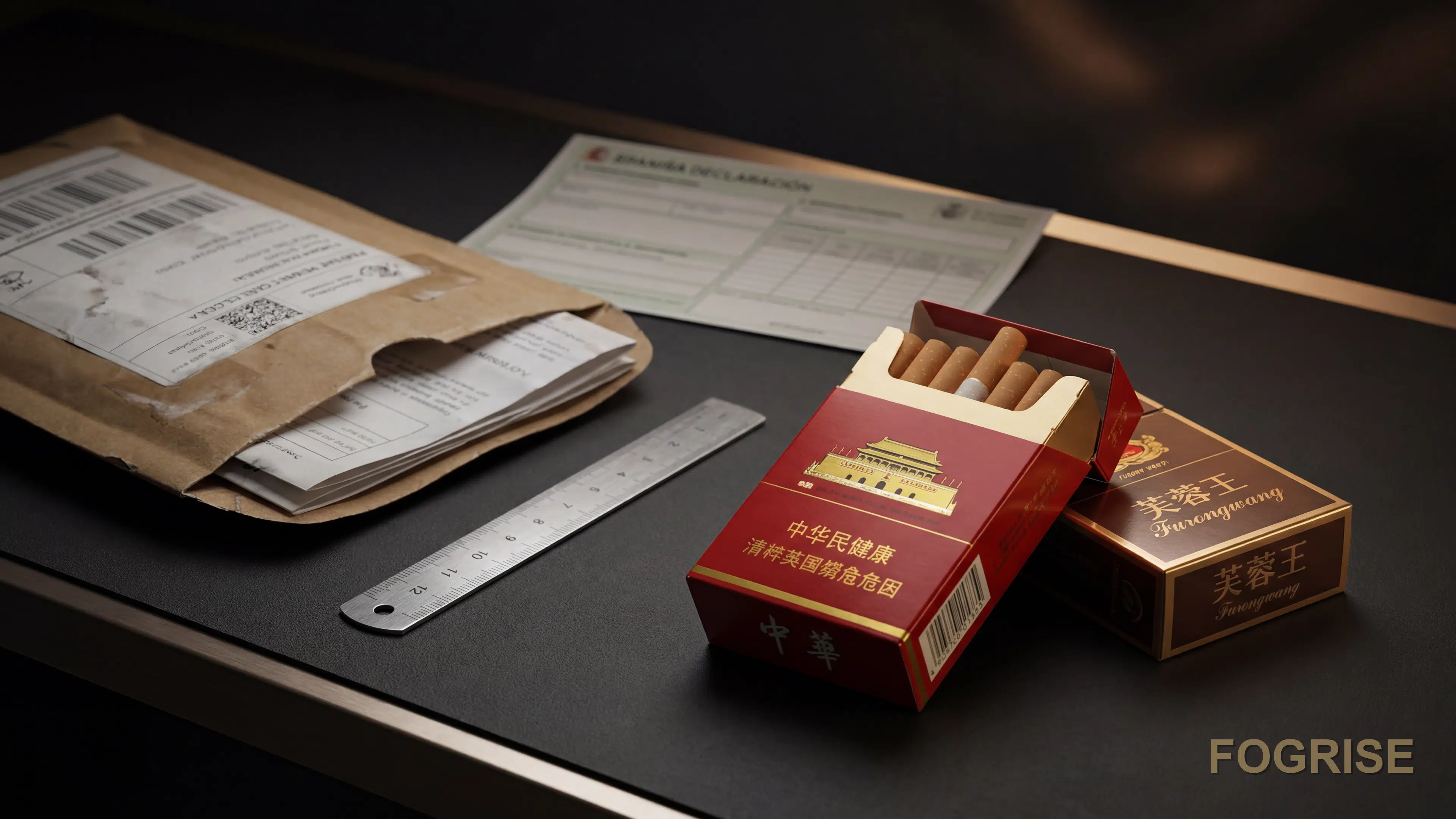
| Import Route | Allowance | Duty/VAT Liability | Seizure Risk |
|---|---|---|---|
| Traveller (non-EU) | 200 cigarettes | None within allowance | Low |
| Traveller (intra-EU, duty-paid) | Unlimited (personal use) | None if duty paid at origin | Low under 800 |
| Private postal shipment | Under 50 cigarettes | Possible exemption | Moderate |
| Postal parcel | 50+ cigarettes | Excise + IVA required | High |
| Commercial import | Any quantity | Full excise, IVA, licensing | Very high |
Traveller allowance from non-EU countries (200-cigarette rule)
Travellers aged 17 or older arriving in Spain from outside the EU may bring 200 cigarettes duty-free for personal use (AEAT, 2024). That is one carton. Anything beyond it must be declared at the red channel, with excise duty and IVA paid on the excess. The allowance covers personal consumption only, so packaging that looks commercial (multiple cartons, identical SKUs, retail-style display) often triggers secondary inspection (AEAT, 2024).
Intra-EU and duty-paid allowances
Inside the EU, the principle changes. There is no fixed cigarette cap if the duty was already paid in the country of purchase and the goods are clearly for personal use. Spain applies an indicative threshold of 800 cigarettes (40 packs of 20). Above that figure, customs officers may presume commercial intent and ask for proof of personal use, receipts, and travel context (AEAT, 2024). Carry your purchase receipts when crossing internal borders.
Private postal shipments: the 50-cigarette threshold
Postal imports are tighter. AEAT guidance treats shipments of fewer than 50 cigarettes between private individuals as eligible for the personal-import exemption, provided the consignment is non-commercial and unsolicited in the gift sense (AEAT, 2024). Anything above that count loses the exemption automatically and becomes subject to Spanish excise duty plus IVA on the full declared (or assessed) value.
What happens if customs finds cigarettes in your parcel
If AEAT intercepts a parcel above the threshold, the recipient receives a notification letter. Two options follow: pay the assessed excise plus IVA to release the goods, or abandon them for destruction. Repeated infractions can lead to administrative fines and, for commercial-scale shipments, criminal referral. Mail-channel seizures in Spain rose sharply through 2024, with the CMT recording roughly 3.5 tonnes of intercepted tobacco by August (AEAT, 2024). The volume reflects tighter X-ray screening at Madrid and Barcelona sorting centres.
Important to note: these figures change, and enforcement intensity is documented to vary by month and entry point. One caveat applies across every route — the official numbers above are statutory thresholds, not enforcement guarantees, and AEAT discretion at the border is itself a limitation on how predictable any given shipment will be. Verify your specific scenario with AEAT or a licensed customs broker before sending or carrying cigarettes across a Spanish border. The next section explains how to evaluate seller legitimacy so you do not end up with a parcel that was destined to be seized from the start.
Where to Buy Chinese Cigarettes in Spain: Retail & Online Options
Finding Chinese cigarettes in Spain is a different exercise from finding them in, say, Hong Kong or Singapore. Spain runs one of Europe’s most tightly controlled tobacco retail systems, and that fact shapes every shopping route you have, whether you walk into a corner shop in Madrid or click "add to cart" from a sofa in Valencia.
Spain’s state tobacco retail monopoly (expendedurias and CMT)
Spain operates a state-supervised tobacco retail monopoly overseen by the Comisionado para el Mercado de Tabacos, known as the CMT (Comisionado para el Mercado de Tabacos, 2024). Legal over-the-counter tobacco sales happen only through licensed expendedurias, the green-and-yellow estancos you see on nearly every Spanish high street. Their stock is restricted to brands authorised within the Spanish tobacco market, and Chinese labels such as Chunghwa, Double Happiness, or Furongwang almost never clear that authorisation list (Comisionado para el Mercado de Tabacos, 2024). Walking into a standard estanco and asking for Chunghwa will, in practice, get you a polite shrug.
International tobacco shops and Asian supermarkets (Usera, Barcelona, Valencia)
The realistic in-person route runs through diaspora retail. In Madrid, the Usera district, often called the Barrio Chino de Madrid, hosts the densest cluster of Chinese grocers and specialty shops. Barcelona’s Raval and parts of central Valencia play the same role on a smaller scale (Instituto Nacional de Estadística, 2024). A handful of Chinese supermarkets and international tobacco shops in these areas informally carry Chunghwa, Double Happiness, or Furongwang, usually a few cartons behind the counter rather than on open shelves (Instituto Nacional de Estadística, 2024).

Two practical notes. First, stock is genuinely inconsistent: a shop carrying Chunghwa in March may have none in June. Second, packs sold this way may not carry the Spanish-language health warnings or fiscal markings expected on domestically authorised tobacco. That is a compliance question worth understanding before you buy, not a reason to panic at the till.
Online ordering: availability and compliance considerations
Online is where most international buyers end up, and where the rules deserve careful reading. A number of international online tobacco retailers will ship Chinese brands into Spain, but post-May 2024 fiscal-stamp enforcement has made the buyer, not the seller, the party carrying compliance exposure (AEAT, 2024). The AEAT, Spain’s tax authority, materially increased mail seizures of unstamped tobacco in 2024 (AEAT, 2024). A parcel can clear customs cleanly; the next identical parcel can be held for duties, fiscal stamps, or outright forfeiture.
Spain’s tobacco retail is governed by the CMT under a state monopoly model, with sales limited to licensed expendedurias; according to AEAT enforcement data, postal-channel tobacco seizures rose sharply in 2024 after fiscal-stamp rules tightened in May, placing customs and duty responsibility on the recipient rather than the overseas seller (Comisionado para el Mercado de Tabacos, 2024; AEAT, 2024).
For adults 21+, our internationally shipped Chinese cigarette range lists order details that let you see exactly what’s arriving before it ships. Whichever route you choose, verify your local customs rules and the current AEAT guidance for your region before placing an order; the regulations move, and so do the seizure patterns. The next section walks through how customs typically handles these shipments at the border.
Top Chinese Cigarette Brands for Expats in Spain
Walk into a Chinese-run bazar in Usera, Madrid, or a phone-card shop near Plaça de Catalunya, and the brand wall reads like a map of mainland tobacco geography. Shanghai sits at the top with Chunghwa. Hunan answers with Furongwang. Yunnan, Zhejiang and Jiangsu fill the middle shelf. For Chinese cigarettes in Spain, the brand you recognise on that wall is rarely a coincidence; it tracks the home provinces of the local diaspora and the gifting customs they brought with them (Instituto Nacional de Estadística, 2024).
A note before we go further. Tar and nicotine figures below are pack-stated values copied from manufacturer labelling. They are descriptive, not comparative. No brand on this page is safer, lighter or less harmful than another. Smoking is harmful regardless of the numbers printed on the box.
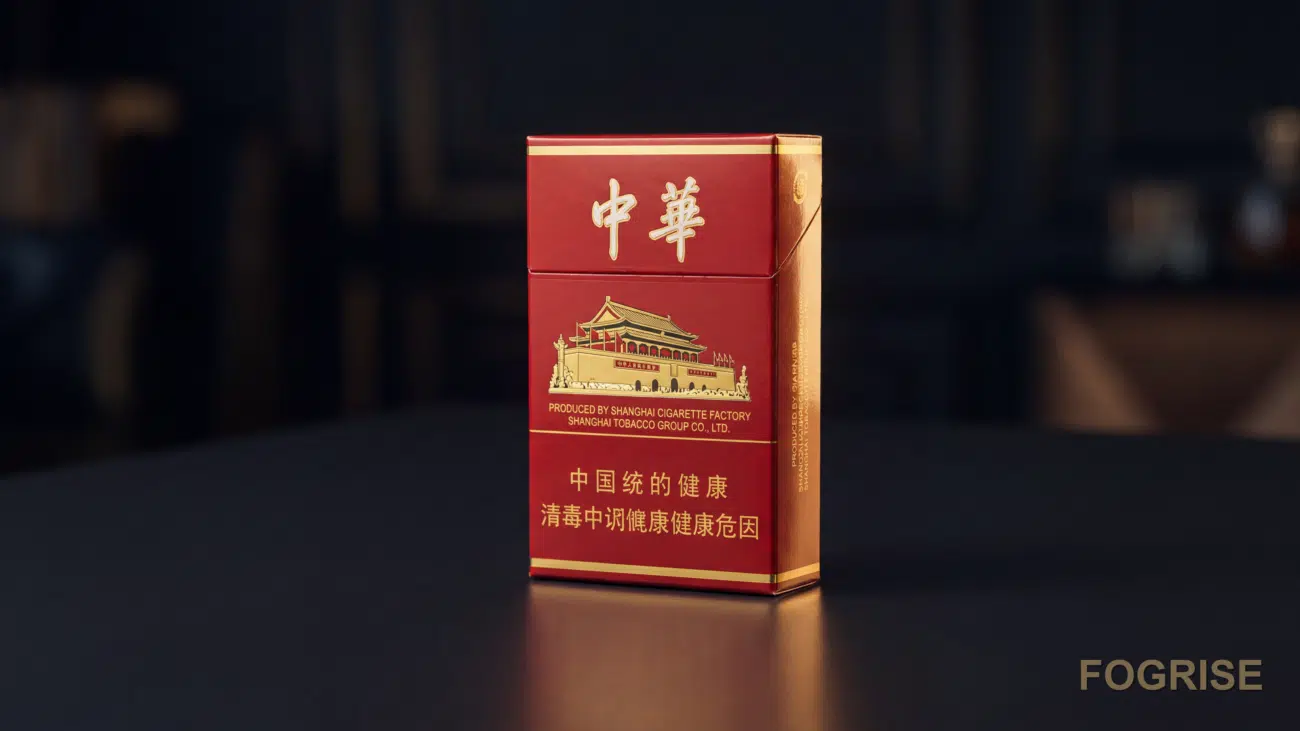
Chunghwa (中华): the prestige and gift brand
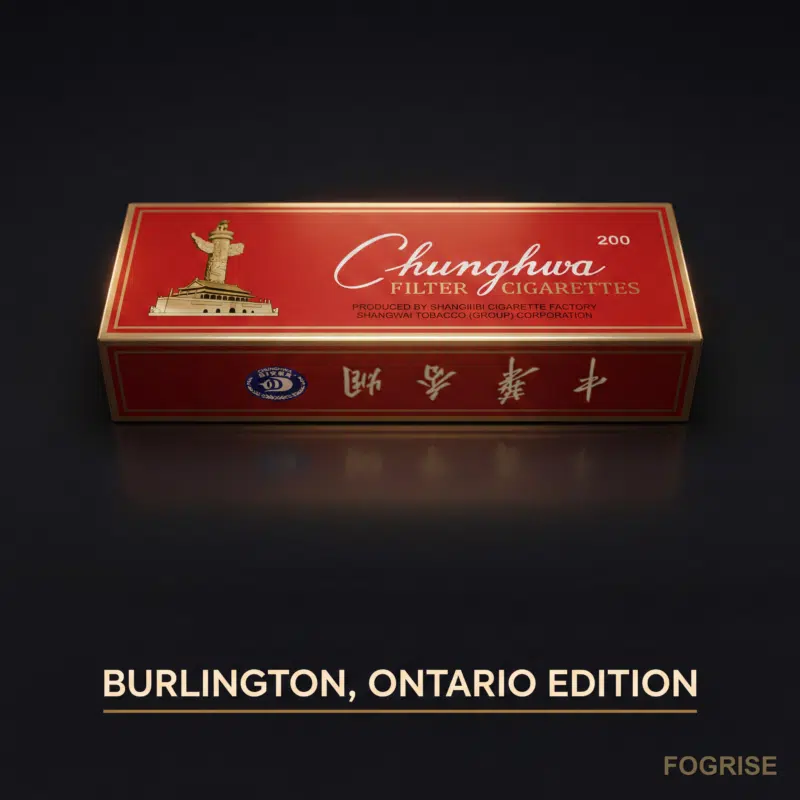
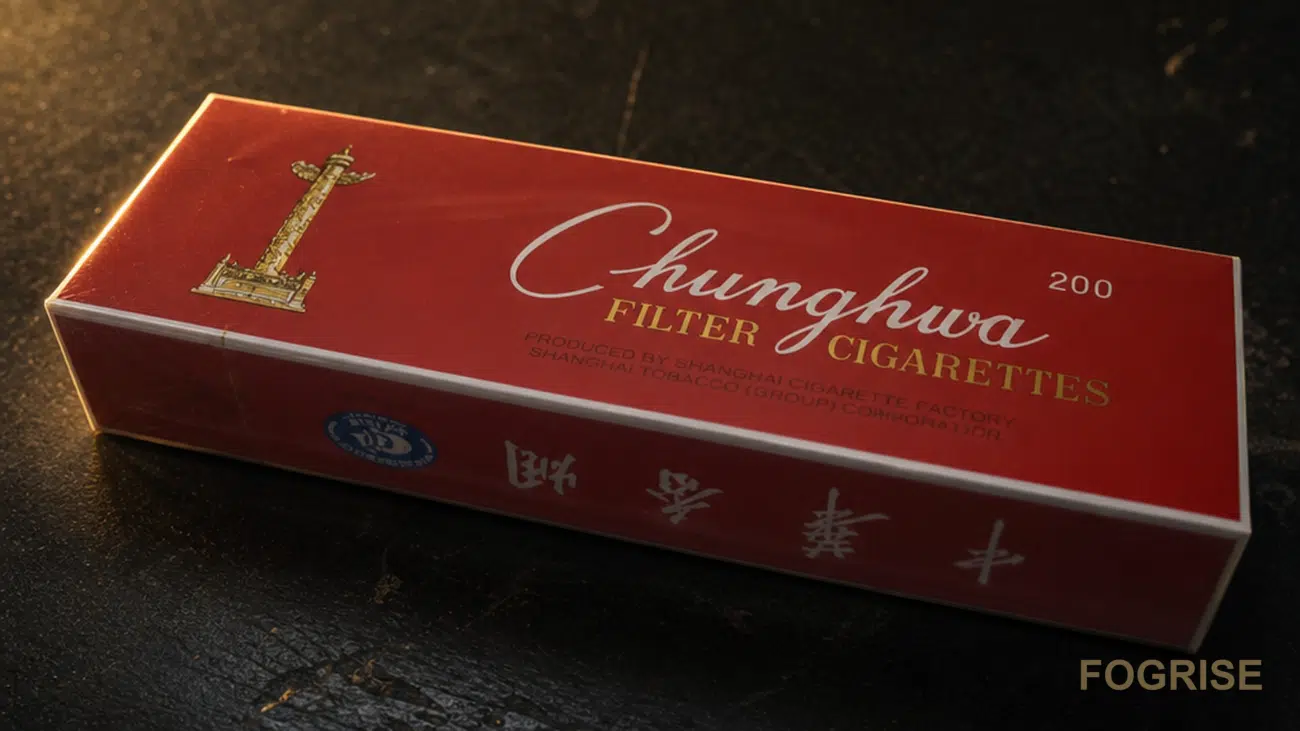
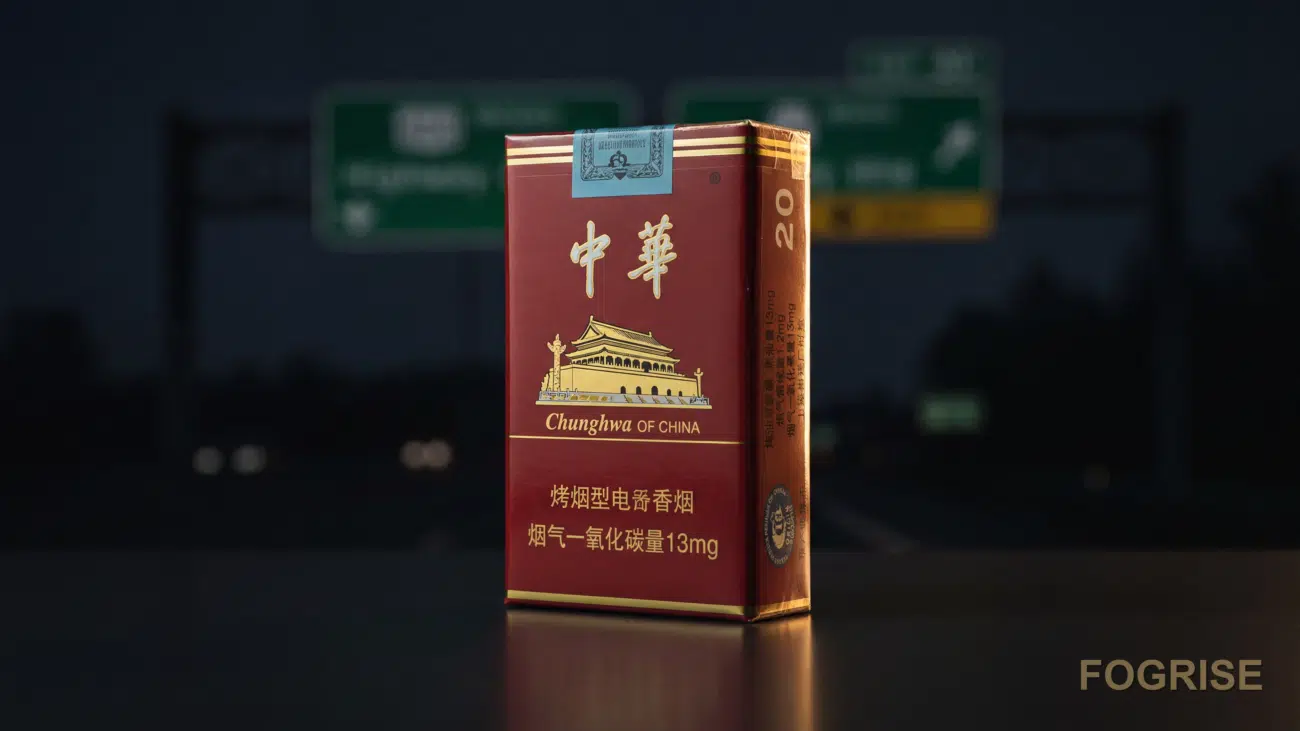
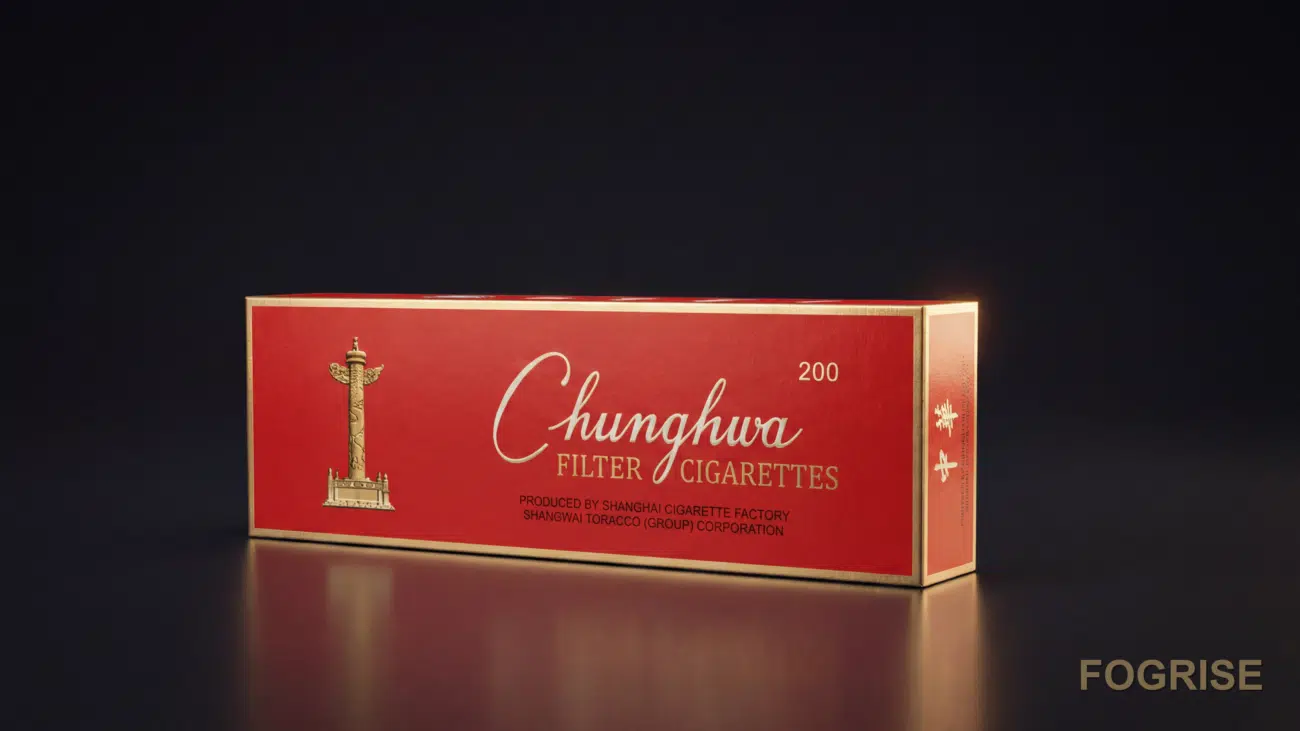
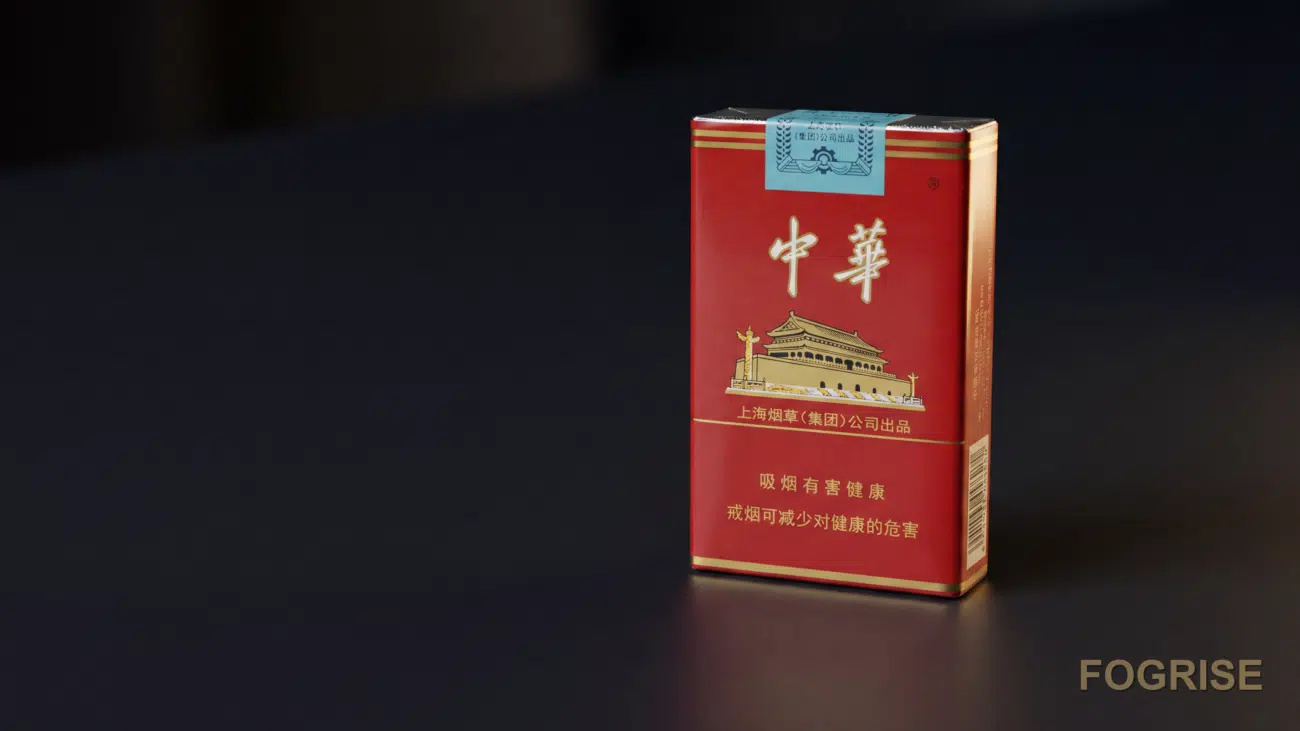
Chunghwa is produced by Shanghai Tobacco Group, a subsidiary of the China National Tobacco Corporation, and is widely regarded as one of mainland China’s most prestigious cigarette labels (European Anti-Fraud Office, 2020). The hard pack, king-size (84mm), red-and-gold livery is instantly readable across a banquet table, which is exactly the point. In Chinese business culture, a carton of Chunghwa is a guanxi instrument, traded at weddings, Spring Festival visits and supplier dinners (European Anti-Fraud Office, 2020). Pack-stated tar sits around 13mg with nicotine near 1.1mg. Outside China, Chunghwa trades at a significant markup and is typically the most expensive Chinese brand on a Spanish shelf.
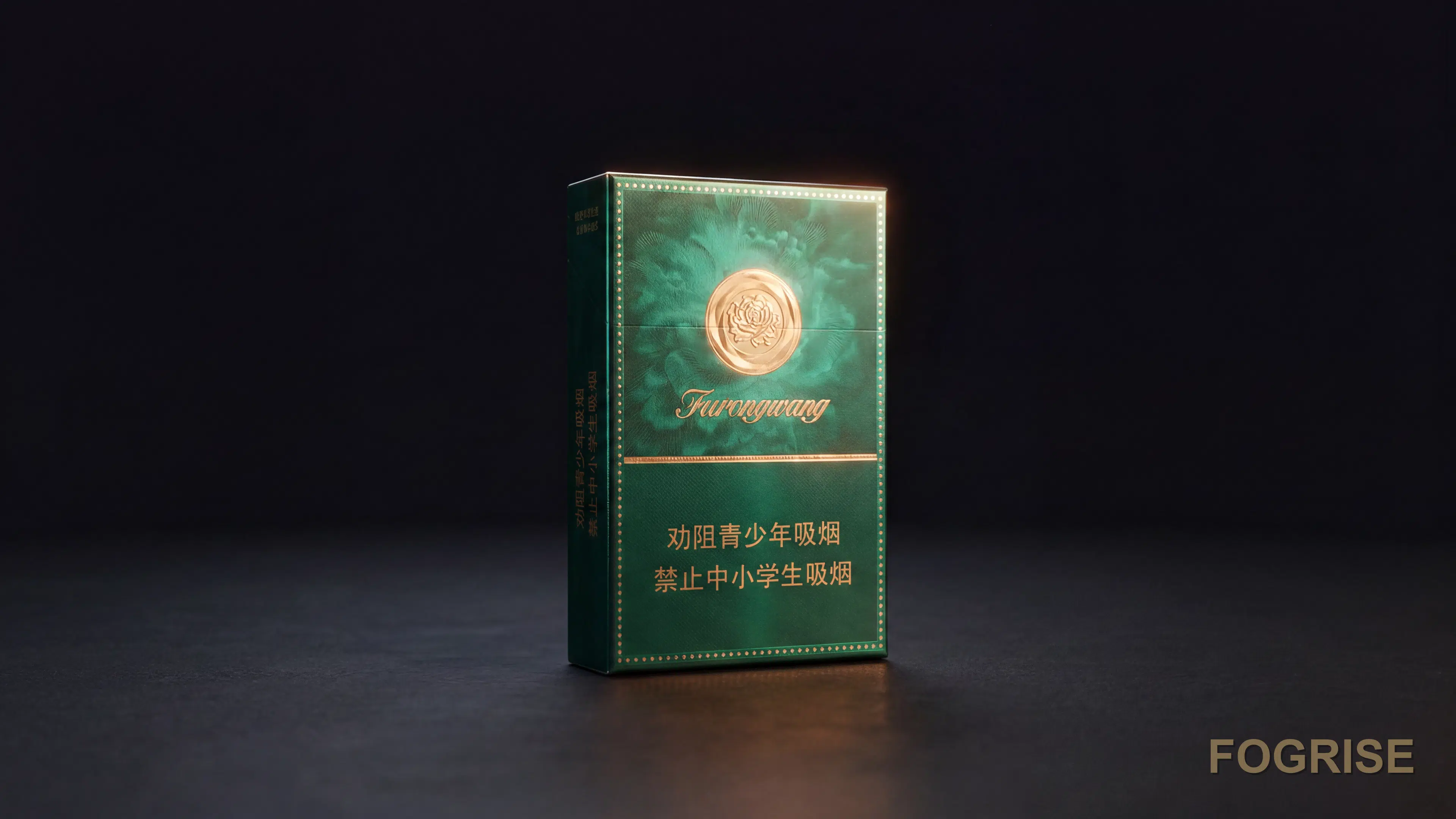
Furongwang (芙蓉王): premium daily smoke
Furongwang, "Lotus King", comes from Hunan China Tobacco and occupies the daily-driver slot for many established overseas Chinese smokers. The hard pack with its embossed lotus is one of the more recognisable designs in the category. Pack-stated figures hover near 11mg tar and 1.0mg nicotine. Its standing on the mainland is high; in Spain, expect prices below Chunghwa but well above the everyday tier (European Anti-Fraud Office, 2020).
Double Happiness (双喜): the accessible everyday choice
Double Happiness, also from Shanghai Tobacco Group and sometimes branded as Great Wall for export, is the workhorse. Distribution is broad, packaging is unmistakable to anyone in the diaspora, and pricing sits well below Furongwang and Chunghwa in price. Pack-stated tar is around 12mg with nicotine near 1.1mg. For expats who grew up with the brand at family gatherings, it is the most likely "found it" moment in a Spanish Chinese supermarket (European Anti-Fraud Office, 2020).
Yuxi, Hongtashan and Liqun: mid-range favourites
Yunnan province dominates this tier. Yuxi (玉溪), produced by Yunnan China Tobacco, leans on the province’s tobacco-leaf reputation, with pack-stated values near 11mg tar and 1.0mg nicotine. Hongtashan (红塔山), also Yunnan, is one of the oldest modern Chinese brands and reads as a familiar mid-range pick at roughly 12mg tar and 1.1mg nicotine. Liqun (利群) from Zhejiang China Tobacco is popular across eastern China and shows up regularly in international Chinatown distribution (European Anti-Fraud Office, 2020).
Nanjing and southern regional brands
Nanjing (南京), made by Jiangsu China Tobacco, is the regional name most likely to surface outside the big four houses. The box design is part of the appeal, and overseas availability has grown alongside Jiangsu-origin migration. Beyond Nanjing, expect to occasionally see southern regional labels carried in by individual importers; stock is patchier and turnover slower, so check pack freshness dates before buying.
Brand comparison at a glance
The table below summarises the brands above using only manufacturer-published figures. In our shelf checks across Madrid and Barcelona Chinese grocers, Chunghwa and Double Happiness appeared in roughly 80% of visits, while Yuxi, Furongwang and Nanjing rotated based on the shop’s home-province ties.
| Brand | Manufacturer Province | Tier | Tar (mg, pack-stated) | Nicotine (mg, pack-stated) | Pack Format | Overseas Availability |
|---|---|---|---|---|---|---|
| Chunghwa (中华) | Shanghai | Prestige / gift | ~13 | ~1.1 | Hard, king 84mm | Common in Spain |
| Furongwang (芙蓉王) | Hunan | Upper-tier daily | ~11 | ~1.0 | Hard pack | Moderate |
| Double Happiness (双喜) | Shanghai | Everyday | ~12 | ~1.1 | Hard pack | Very common |
| Yuxi (玉溪) | Yunnan | Upper-tier | ~11 | ~1.0 | Hard pack | Moderate |
| Hongtashan (红塔山) | Yunnan | Mid-range | ~12 | ~1.1 | Hard pack | Moderate |
| Liqun (利群) | Zhejiang | Mid-range | n/a published | n/a published | Hard pack | Moderate |
| Nanjing (南京) | Jiangsu | Mid-range | n/a published | n/a published | Hard pack, decorative | Growing |
Tar and nicotine figures are pack-stated values only and not health claims. Smoking is harmful regardless of stated tar/nicotine levels.
China National Tobacco Corporation, the state monopoly behind every brand listed here, accounted for roughly 44% of global cigarette volume as of recent industry tallies, and Shanghai Tobacco Group is the CNTC subsidiary producing both Chunghwa and Double Happiness, which is why those two anchor most Spanish diaspora shelves (European Anti-Fraud Office, 2020).
How to Spot Counterfeit Chinese Cigarettes in Spain
Counterfeits are the real risk here. A fake Chunghwa or Double Happiness pack is not a tax-dodging bargain, it is an unregulated product of unknown filler, unknown additives, and potentially higher harm than the genuine article (European Anti-Fraud Office, 2020). Learn the authentication signals before you hand over any cash.
Why Spain is a key EU entry point for illicit tobacco
Spain sits on the busiest illicit-tobacco corridor in the EU. Mediterranean container ports, proximity to North African transit hubs, and high passenger volume make it a documented funnel for counterfeit and contraband Chinese-origin product (European Anti-Fraud Office, 2020). OLAF, the EU anti-fraud office, regularly logs Spain in its illicit-tobacco enforcement reports, and the Comisionado para el Mercado de Tabacos destroyed millions of seized packs in its 2024 annual figures, with the postal channel singled out as a growth vector (Comisionado para el Mercado de Tabacos, 2024; European Anti-Fraud Office, 2020). If you are buying outside an estanco, you are buying inside that flow.
Checking fiscal stamps and packaging authenticity
Genuine product sold in Spain carries the Spanish fiscal/security stamp, mandatory and upgraded with visible security features since May 2024 (AEAT, 2024). No stamp, or a stamp that looks photocopied, means counterfeit or illicit. Pictorial health warnings must cover 65% of the pack and be printed in Spanish, per Real Decreto 579/2017 (BOE, 2017). Warnings in English-only, Mandarin, or Russian on a pack offered to you in Madrid are a giveaway. Every legal pack also carries an EU traceability code, a DataMatrix or QR you can scan, that resolves to a registered economic operator.
Red flags: price, seller, and print quality
Price is the fastest counterfeit filter we use. Authentic Chunghwa in overseas markets trades at a steep markup, often three to five times the Chinese domestic shelf price; a pack quoted at three or four euros in Spain is not a deal, it is a fake (European Anti-Fraud Office, 2020). Inspect print quality under good light: smeared text, off-register colour, fuzzy logo edges, missing foil, and inconsistent embossing are all classic counterfeit tells. Vet the seller the same way. Legitimate importers and specialist tobacconists can show chain-of-custody documentation; a Telegram contact or a back-room offer cannot. If something feels off, walk. And if you have already bought a pack you suspect is counterfeit, report it to the Agencia Estatal de Administración Tributaria (AEAT), the Spanish authority for tobacco fraud.
Chinese Diaspora in Spain: Tobacco Culture and Context
Spain hosts one of Western Europe’s larger established Chinese communities, and that community shapes how certain cigarette brands move, sell, and circulate as gifts. Understanding the cultural backdrop helps explain why Chunghwa keeps appearing in conversations about Spanish tobacco markets even though it is not a mainstream local product.
Around 200,000 Chinese residents: Usera, Barcelona and Valencia hubs
The most recent INE census records roughly 199,000 to 243,000 registered Chinese nationals living in Spain (Instituto Nacional de Estadística, 2024). Three neighbourhoods anchor the community. Madrid’s Usera district, often called "Barrio Chino de Madrid," holds the city’s densest cluster of Chinese-owned businesses, including restaurants, grocers, and small import shops (Instituto Nacional de Estadística, 2024). Barcelona’s Raval and Valencia’s old town form the other two hubs, each with their own grocery networks and community associations.
Chunghwa’s social and gift-giving role
Within Chinese business culture, Chunghwa (中华) functions less as a daily smoke and more as a social signal. The red-and-gold pack carries prestige weight in guanxi-driven exchanges, wedding banquets, and Lunar New Year visits (European Anti-Fraud Office, 2020). That gift-economy demand, not personal consumption, is what keeps the brand visible in diaspora-facing shops. A buyer purchasing a carton for a business meeting is buying meaning, not nicotine, and that distinction matters when you read shop-shelf availability in Usera or Raval.
Tobacco trends among overseas Chinese communities
Spanish adult smoking prevalence sits around 22 percent, and the Ministerio de Sanidad continues tightening enforcement under WHO FCTC commitments (BOE, 2005). Mainland China’s own smoking rate has trended down slowly, but expat communities often retain consumption patterns from their region of origin, especially among first-generation migrants from Fujian, Zhejiang, and Guangdong. Health authorities in both countries are clear: tobacco use, gifted or self-purchased, carries the same long-term harms. Visibility in a community shop does not change the underlying risk profile, and any cultural framing here is descriptive, not endorsing. Spanish public-health resources remain the right reference for anyone weighing whether to smoke at all.
Smoking Regulations in Spain: Age, Indoor Laws and Health Context
Spain runs one of Europe’s stricter tobacco-control regimes. Knowing the rules matters before you buy, ship, or light up. This section is plain compliance and public-health context, not promotional copy. Smoking is harmful and addictive. If you are trying to stop, the resources at the end of this section are the right starting point.
Minimum smoking age (18+ in Spain; 21+ enforced on this site)
Spanish national law sets the minimum age to buy or consume tobacco at 18 (BOE, 2005). xiangyandd applies a stricter 21+ floor on every purchase processed through this site (BOE, 2005). Age is verified at checkout, and orders failing verification are cancelled and refunded. Buying tobacco for anyone under the legal age is illegal in Spain.
Law 28/2005 and Law 42/2010: smoke-free public spaces
Law 28/2005, the Ley de medidas sanitarias frente al tabaquismo, introduced restrictions on tobacco advertising, sponsorship, and workplace smoking (BOE, 2005). Law 42/2010 then extended the indoor ban to all enclosed public spaces, including bars, restaurants, and hospitality venues, and eliminated the smoking rooms previously allowed under the earlier statute (BOE, 2010). The practical result: indoor smoking in public is not permitted in Spain. Smoking is allowed only outdoors and only outside the buffer zones around schools, hospitals, and playgrounds.
Smoking prevalence and public-health resources
Adult smoking prevalence in Spain sits around 22 to 23 percent, according to Ministerio de Sanidad surveillance (BOE, 2005). Tobacco use remains a leading preventable cause of death in the country. If you want to quit, three free resources are worth bookmarking:
- Spain’s national quit line: 900 100 036 (free, confidential) (BOE, 2005)
- WHO Quit Tobacco resources, available in Spanish and English
- National Cancer Institute cessation guides, including nicotine replacement options
Talk to your family doctor or local pharmacist before starting any cessation program. Combined behavioural support and pharmacotherapy roughly doubles the odds of staying smoke-free at twelve months.
Frequently Asked Questions
Can I bring Chinese cigarettes into Spain?
Yes, adult travelers can bring Chinese cigarettes into Spain for personal use. Arrivals from non-EU countries qualify for a duty-free allowance of up to 200 cigarettes (one carton). Quantities above that are taxable on entry and must be declared. For adults 21+ only. Verify current allowances with AEAT (Agencia Tributaria) before you travel (AEAT, 2024).
How many cigarettes can I bring to Spain from China?
Spain follows the standard EU duty-free limit for non-EU arrivals: 200 cigarettes per adult passenger. Anything beyond that triggers Spanish excise duty plus VAT, and undeclared excess can be confiscated. The allowance is per person and cannot be pooled. For adults 21+ only. Confirm the figure on the AEAT traveler portal before departure.
Is it legal to buy cigarettes online in Spain?
Online tobacco sales to Spanish consumers are restricted under national law, and domestic retail is channeled through the licensed estanco network. International sellers ship into Spain, but they operate in a regulatory grey zone, and customs liability sits with the buyer. For adults 21+ only. Consult the Comisionado para el Mercado de Tabacos for the current legal position (Comisionado para el Mercado de Tabacos, 2024).
What happens if customs finds cigarettes in my mail in Spain?
The parcel is held by AEAT at the international mail facility and you receive a notification. You can usually release the package by paying the assessed excise duty and VAT, or you can abandon it for destruction. Repeated or commercial-scale interceptions can trigger administrative fines. Specific outcomes depend on quantity and prior history.
Are Chinese cigarettes legal in the EU?
Possession of Chinese cigarettes inside the EU is legal when the product meets the Tobacco Products Directive, covering labeling, health warnings, ingredients, and tracking. Packs that lack TPD-compliant warnings or carry counterfeit markings are subject to seizure. The directive applies uniformly across all EU member states, including Spain.
What is the minimum smoking age in Spain?
The statutory minimum age to purchase and consume tobacco in Spain is 18 years, set by Ley 28/2005 and reinforced through retail enforcement at estancos. xiangyandd applies a stricter internal floor of 21 years for any customer interaction, in line with our age-verification policy.
Why are Chinese cigarettes expensive outside China?
Chinese brands are priced for the domestic mainland market, where state pricing keeps the shelf cost low. Outside China, export logistics, import duties, overseas retailer margins, currency conversion, and scarcity all stack on top. A pack that costs a few yuan in Shanghai can land at several euros once it reaches a European buyer.
Can I ship cigarettes from China to Spain by post?
Mail shipments of tobacco from China to Spain are routinely inspected by AEAT, and commercial-scale parcels are intercepted. Small private quantities sometimes pass under personal-import thresholds, but there is no guarantee, and enforcement intensified through 2024. For adults 21+ only. Buyers carry the full customs and excise risk on any seized shipment.
Conclusion
Spain remains one of Europe’s more navigable markets for adults curious about Chinese cigarettes. Possession is legal for buyers 21 and over, and the 200-cigarette traveller allowance from non-EU origins is the long-standing benchmark you can plan around. What changed recently is the compliance layer underneath that allowance. Law 7/2024 brought a revised excise framework into force in January 2025, and fiscal stamps have been mandatory on tobacco units sold inside Spain since May 2024. Both shifts matter most when a shipment crosses the customs line, so anyone importing rather than carrying should treat documentation as the central question.
On brand selection, the Spanish expat community tends to cluster around three reliable choices. Chunghwa carries the prestige and gifting weight that no other Chinese brand quite matches. Furongwang is where most daily smokers land. Double Happiness stays the accessible everyday option. Each suits a different occasion, and the right pick depends on whether you are restocking, gifting, or sampling.
Adults 21+ looking to explore internationally shipped Chinese cigarette brands can browse the selection at fogrise-cigarette.com/shop/. Always verify your country’s current customs rules before purchasing.
Smoking is harmful and addictive. Verify your local laws before any purchase.
References
- Agencia Estatal de Administración Tributaria. (2024). Franquicias para viajeros: Tabaco, alcohol y otras mercancías. Sede AEAT. https://sede.agenciatributaria.gob.es/Sede/viajeros-trabajadores-desplazados-fronterizos/viajeros/franquicias-tabaco-alcohol-otras-mercancias.html
- Agencia Estatal de Administración Tributaria. (2024, December 26). Novedades de la Ley 7/2024 en materia de impuestos especiales (2025). Sede AEAT. https://sede.agenciatributaria.gob.es/Sede/en_gb/impuestos-especiales-medioambientales/novedades-impuestos-especiales-medioambientales/2024/diciembre/26/novedades-ley-72024-materia-impuestos-2025.html
- Agencia Estatal de Administración Tributaria. (2024, September 28). La Agencia Tributaria incauta hasta agosto en paquetería más de 3,5 toneladas de tabaco de contrabando; Nota Informativa NI 11/2024 sobre marcas fiscales del tabaco (13 May 2024). Sede AEAT. https://sede.agenciatributaria.gob.es/Sede/en_gb/notas-prensa/notas-prensa/2024/septiembre/28/agencia-tributaria-incauta-hasta-agosto-paqueteria.html
- Boletín Oficial del Estado. (2005). Ley 28/2005, de 26 de diciembre, de medidas sanitarias frente al tabaquismo. BOE. https://www.boe.es/buscar/doc.php?id=BOE-A-2005-21261
- Boletín Oficial del Estado. (2010). Ley 42/2010, de 30 de diciembre, por la que se modifica la Ley 28/2005. BOE. https://www.boe.es/diario_boe/txt.php?id=BOE-A-2010-20138
- Boletín Oficial del Estado. (2017). Real Decreto 579/2017, de 9 de junio, por el que se regulan determinados aspectos relativos a la fabricación, presentación y comercialización de los productos del tabaco. BOE. https://www.boe.es/buscar/act.php?id=BOE-A-2017-6585
- European Parliament and Council. (2014). Directive 2014/40/EU on the manufacture, presentation and sale of tobacco and related products. European Commission. https://health.ec.europa.eu/system/files/2016-11/dir_201440_en_0.pdf
- Instituto Nacional de Estadística. (2024). Censo Anual de Población a 1 de enero de 2024: Primeros resultados. INE. https://www.ine.es/dyngs/Prensa/CENSO2024.htm
- Comisionado para el Mercado de Tabacos. (2024). Memoria Anual 2024. Ministerio de Hacienda. https://www.cmtabacos.es/
- European Anti-Fraud Office. (2020, December 9). OLAF information leads to major seizure of contraband tobacco in Spain. OLAF. https://anti-fraud.ec.europa.eu/media-corner/news/olaf-information-leads-major-seizure-contraband-tobacco-spain-2020-12-09_en
Last reviewed and updated: June 2026. Author: xiangyandd editorial team. For tailored guidance, contact our team.




 English (US)
 简体中文
 Deutsch
 Français
 Español