

Blog
Chinese Cigarettes in Ottawa: Brands, Prices & 2026 Rules

Abstract
Ottawa’s Somerset-Street Chinatown supports a steady, understated demand for Chinese cigarette brands, with Chunghwa (中华) named most often by Ottawa readers of Cantonese and Mandarin press, alongside Yuxi (玉溪), Furongwang (芙蓉王), and Hongtashan (红塔山). Three factors shape how those packs enter the local market. Ottawa sits ten minutes across the Portage Bridge from Gatineau, where Quebec’s provincial tobacco tax runs materially lower than Ontario’s, so many capital-region smokers buy legal Quebec-stamped packs cross-river. Cornwall and the Akwesasne reserve lie roughly 110 kilometres east, along a corridor federal enforcement identifies as Canada’s largest illicit-tobacco route (Royal Canadian Mounted Police, 2025). And Chinese-domestic packs, whether carried in personal luggage or ordered privately, sit outside Canada’s federal-plus-provincial excise system entirely (Canada Revenue Agency, 2026).
That system is why authentic Chinese-domestic packs never carry the yellow "duty paid Canada droit acquitté" tear-strip stamp printed on legal Canadian retail packs (Canada Border Services Agency, 2026). The sections that follow map the 2026 federal and Ontario tax stack, what the CBSA 200-cigarette personal-import allowance actually permits, how the duty-paid stamp is read, and how to authenticate a genuine Chunghwa, Yuxi or Furongwang pack by its holographic markings, barcode prefix and Chinese State Tobacco Monopoly print codes. Written for adult Ottawa residents and visitors, the piece treats the topic as consumer information rather than a purchase pitch.
For adults 21+. Smoking is harmful and addictive. Tobacco laws, taxes and import rules differ by country, by province, and even from one city to the next; verify your local regulations before purchasing. The guidance here is informational, not legal or medical advice.
Key Takeaways
For Ottawa buyers eyeing Chinese-market packs, here are five facts to know before checkout or the border crossing. All figures come from CRA, CBSA, RCMP, or Ontario’s Ministry of Finance.
- Packs from China never carry Canada’s "duty paid / droit acquitté" stamp. CBSA treats them as unstamped within the 200-cigarette exemption (Canada Border Services Agency, 2026).
- Ottawa’s 2026 tobacco tax tops CAD 76 per carton before HST. Federal excise is CAD 38.92, Ontario tax CAD 36.95 (Canada Revenue Agency, 2026).
- Crossing to Gatineau, Quebec offers a modestly lower pack price. Ottawa is Ontario’s only city with a ten-minute cross-provincial arbitrage.
- Ottawa sits 110 km from the Cornwall/Akwesasne contraband corridor. Suspiciously cheap "Chinese cigarettes" often signal illicit or counterfeit product (Royal Canadian Mounted Police, 2025).
- Chunghwa (中华) is the most-requested brand; authenticate every pack. Adults 21+; smoking is harmful and addictive; verify your local law.
Table of Contents
- Abstract
- Key Takeaways
- Table of Contents
- Why Adults in Ottawa Seek Chinese Cigarettes
- Chinese Cigarette Brands That Matter in Ottawa
- Is It Legal to Buy or Import Chinese Cigarettes in Ottawa?
- The Real 2026 Price: Ottawa’s Full Tax Stack on a Carton
- Ottawa vs Gatineau and the Cornwall Contraband Corridor
- Spotting Counterfeit Chinese Cigarettes in Ottawa
- Public-Health Reality and How to Quit in Ottawa
- Frequently Asked Questions
- Conclusion
- References
Why Adults in Ottawa Seek Chinese Cigarettes
Ottawa adults look for Chinese cigarettes for two overlapping reasons: a visible Chinese-Canadian community anchored in the Somerset-Street Chinatown corridor, home to roughly 44,764 residents with a 28.6% visible-minority share (My Main Street & EDCO, 2022), and a diaspora gifting culture in which brands like Chunghwa (中华) carry recognized social meaning across business and family occasions.
Ottawa’s Somerset-Street Chinatown Community
The Somerset-Street Chinatown corridor is Ottawa’s most visible Chinese-Canadian anchor. The BIA area counts roughly 44,764 residents, with a visible-minority share of 28.6% and Mandarin- and Cantonese-speaking households each near 1.5% (My Main Street & EDCO, 2022). Federal data widen the picture: StatCan’s 2021 Census Profile for Ottawa records a Chinese-origin population several times that neighbourhood total across the wider CMA (Statistics Canada, 2026), and StatCan’s "Portrait of Chinese Populations in Canada" traces steady growth of the community since the 2000s (Statistics Canada, 2026).
Unlike the larger Chinatowns in Toronto and Vancouver, Ottawa’s sits inside a compact national-capital retail strip where Vietnamese, Cambodian and Chinese storefronts share the same blocks. Tobacco familiarity here reads as a pan-East-Asian diaspora index rather than a single-country market, and buyers arriving from that neighbourhood often name Chinese brands alongside Vietnamese ones.
Gifting Culture and Flavour Profile
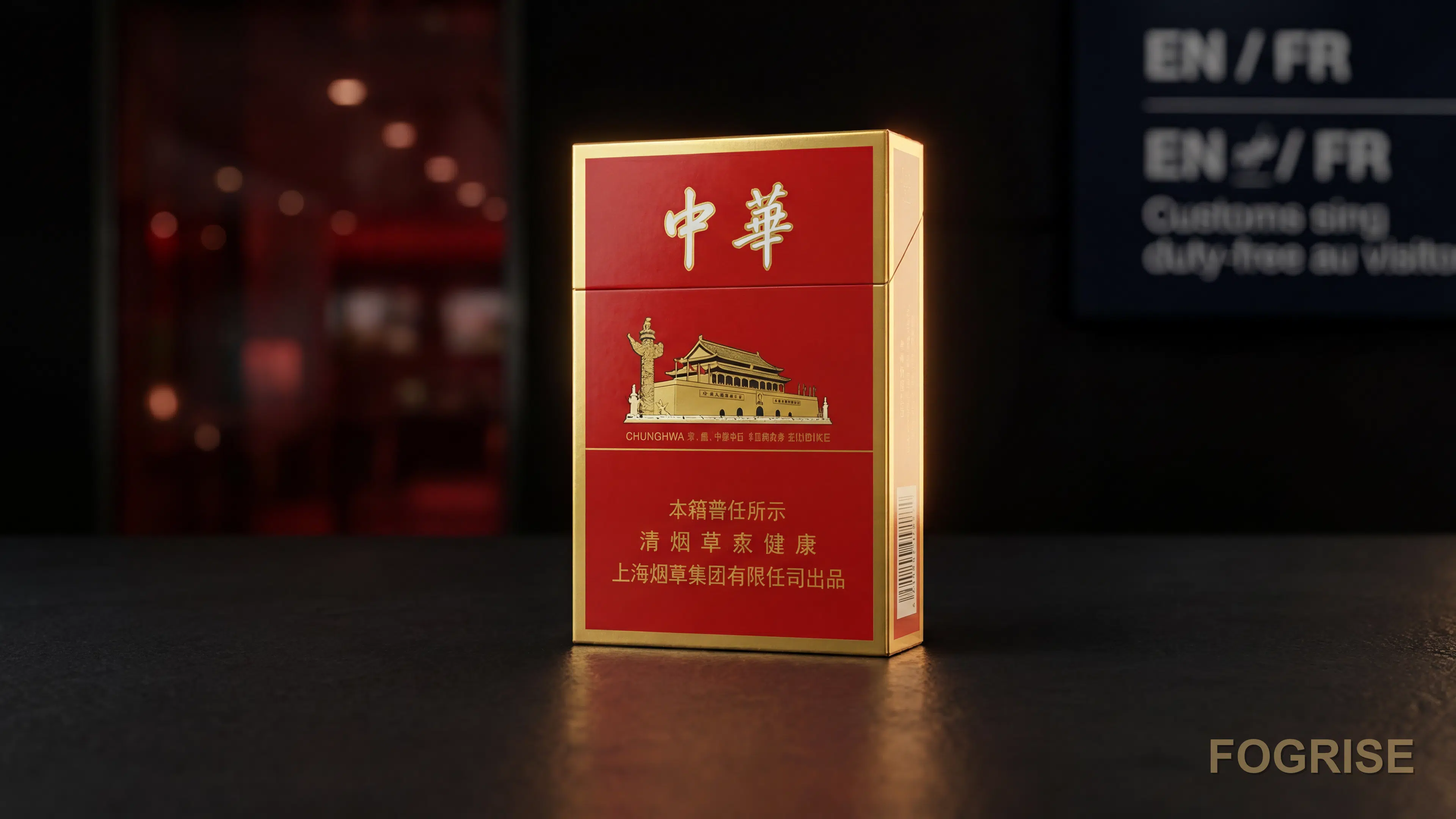
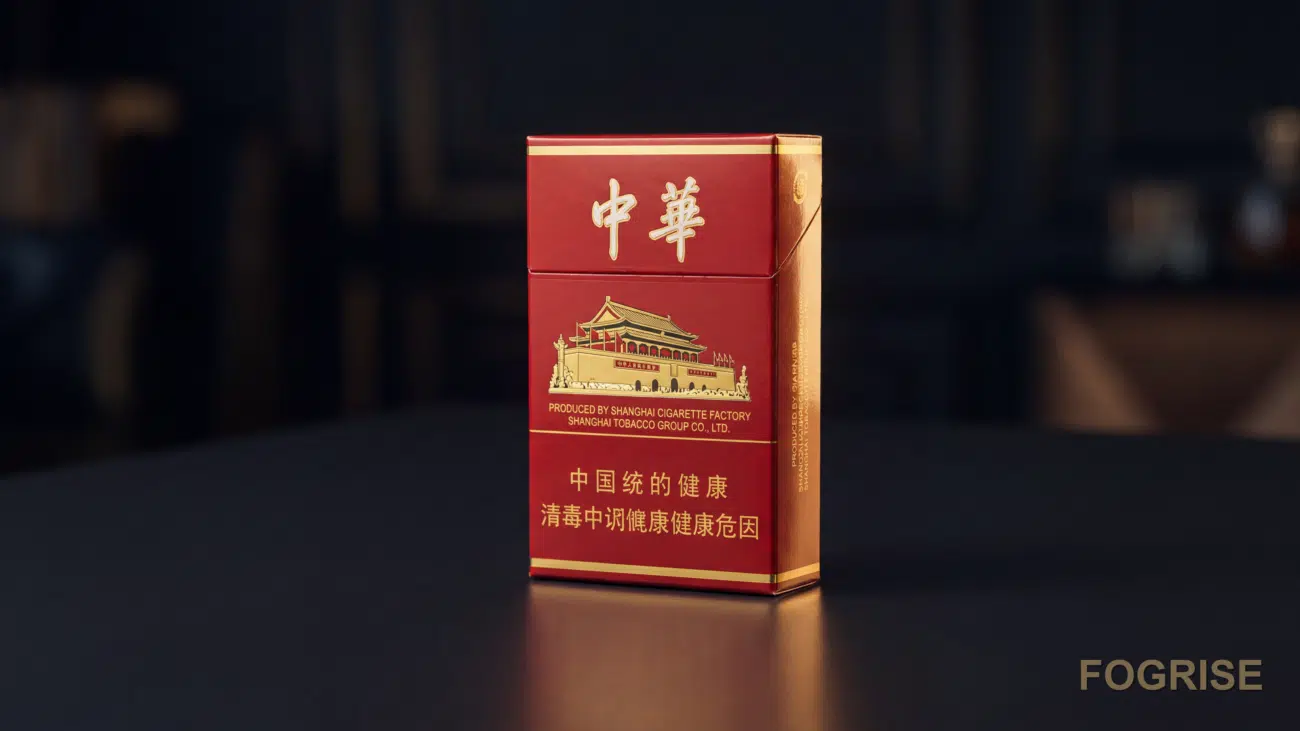
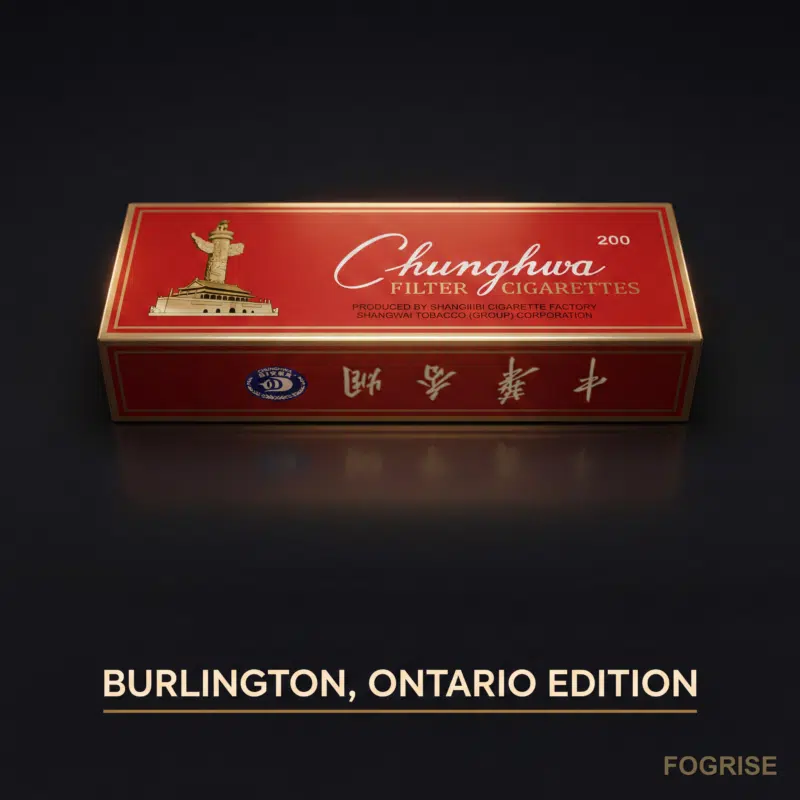
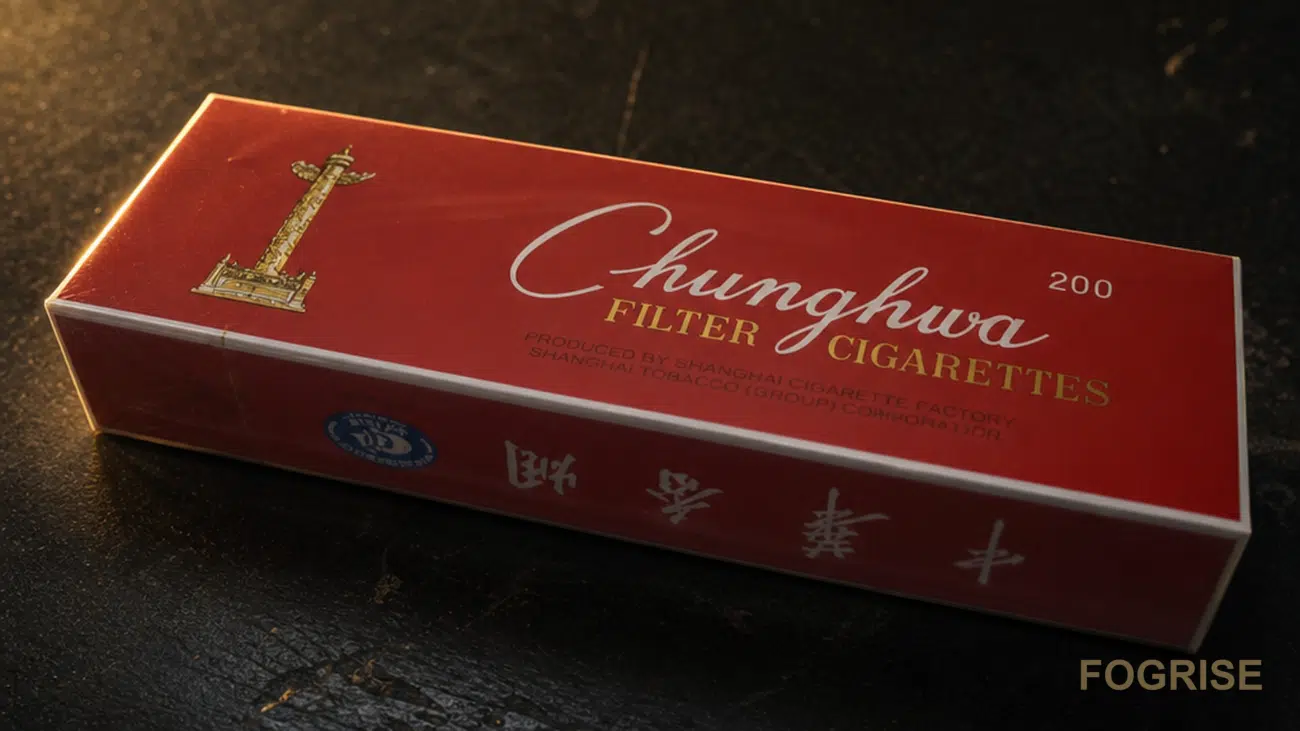
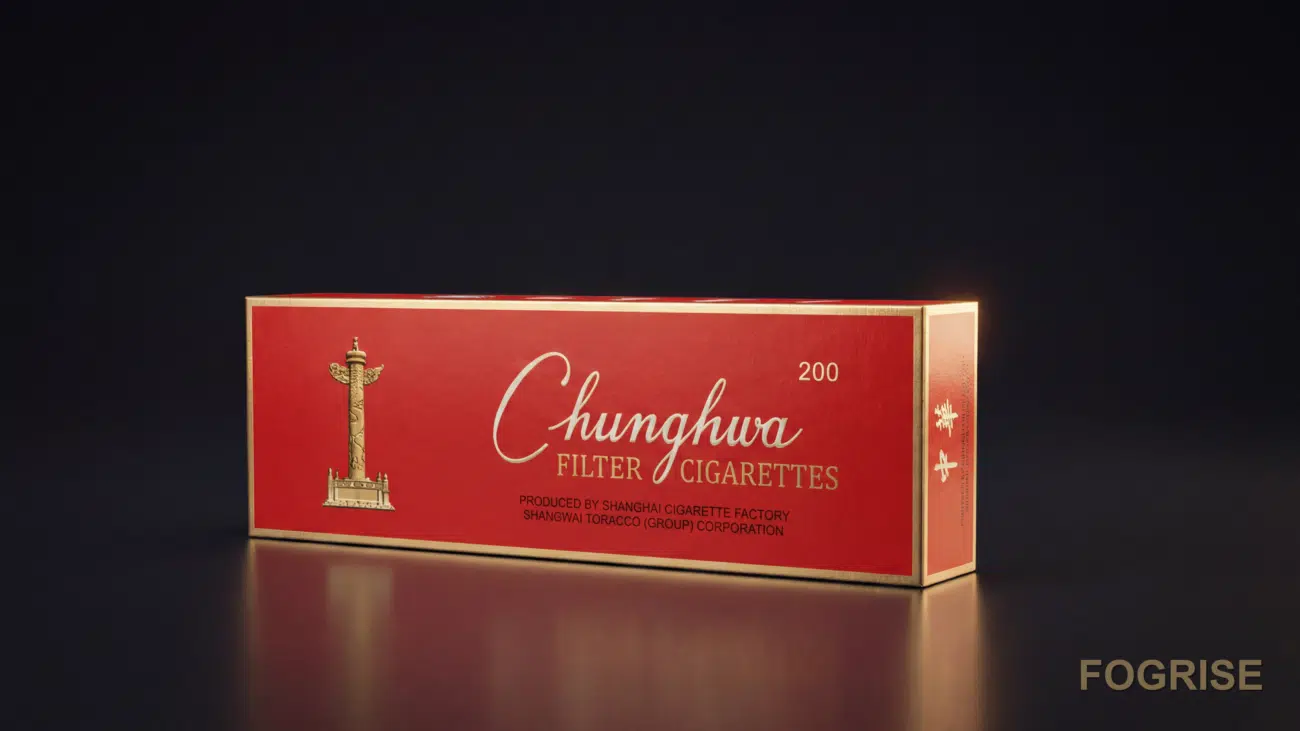
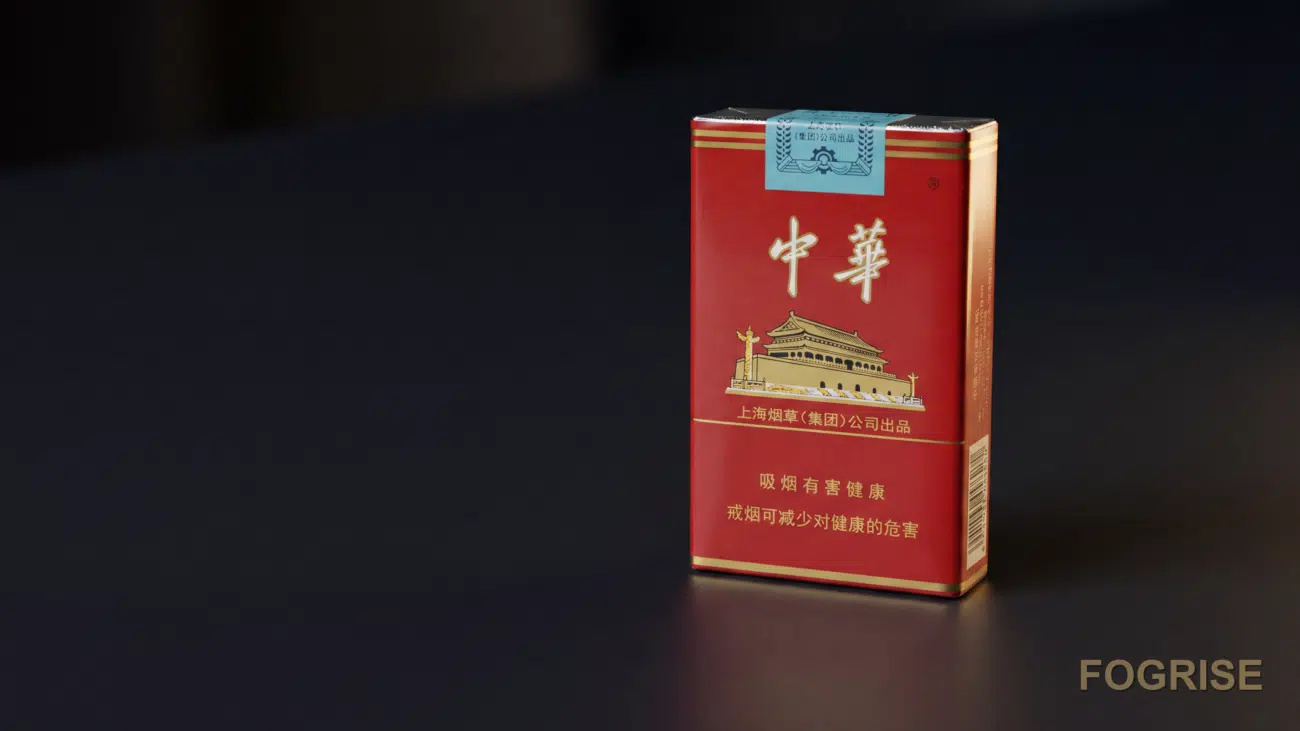
In Chinese social custom, cigarette-gifting carries formal weight at weddings, Lunar New Year visits, business banquets, and hospital calls, with prestige packs like Chunghwa (中华) read as status markers across mainland China and its diaspora. Adults who grew up with these conventions recognize the visual codes at a glance: the red pack and Tiananmen Gate motif, plus the tin-tie packaging that appears on some export runs. The character 敬 (jing), meaning respect, sits at the heart of the exchange, and refusing an offered pack from an elder or superior can read as a small social slight.
Flavour profile matters too. Chinese brands are typically blended with a different tar-nicotine ratio and use Chinese flue-cured leaf and casings that Canadian mass-market brands do not replicate. That is a flavour distinction only. All combustible tobacco carries serious health risk regardless of origin. xiangyandd makes no health-risk comparison between Chinese and Canadian brands.
Returning Travellers and Diaspora Demand
Two population flows keep informational demand steady. Returning travellers who visited Guangzhou or Shanghai often ask where a familiar pack can be sourced back in Canada. Newcomers arriving on study permits or family reunification bring gift-giving cigarette customs with them from home. Bilingual English-Mandarin and English-Cantonese households make the search-and-ask pattern practical, since shoppers can match pack names in Chinese script to their English or pinyin equivalents. Neither group is looking to start smoking; both are looking to reproduce a specific brand and format they already know from prior legal purchase abroad.
Note: Ottawa demand is informational, not an invitation to purchase. Ontario tobacco tax, federal duty, and xiangyandd’s own 21+ age-verified checkout apply. Pricing and legal-import mechanics appear in the sections below.
Chinese Cigarette Brands That Matter in Ottawa
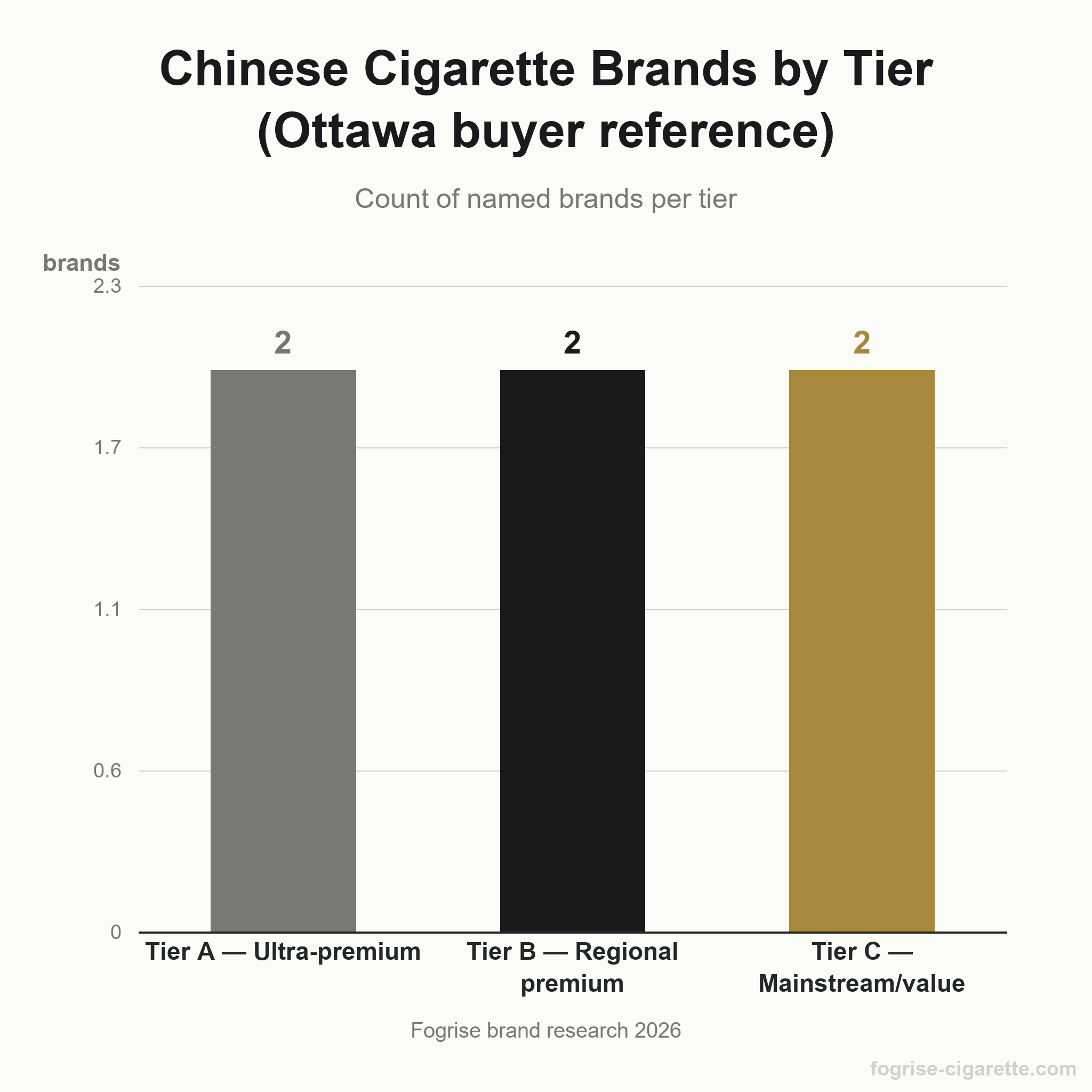
Chinese domestic cigarettes sort into three tiers: state-gift ultra-premiums (Chunghwa, Panda), regional premiums (Yuxi, Furong Wang), and mainstream value brands (Double Happiness, Hongtashan). None are stocked at ordinary Ottawa retail. All six are produced under the China Tobacco monopoly, which has run the mainland market since 1982, and sell for 7 to 100 RMB per pack in China.
Tier A: Ultra-premium state-gift brands
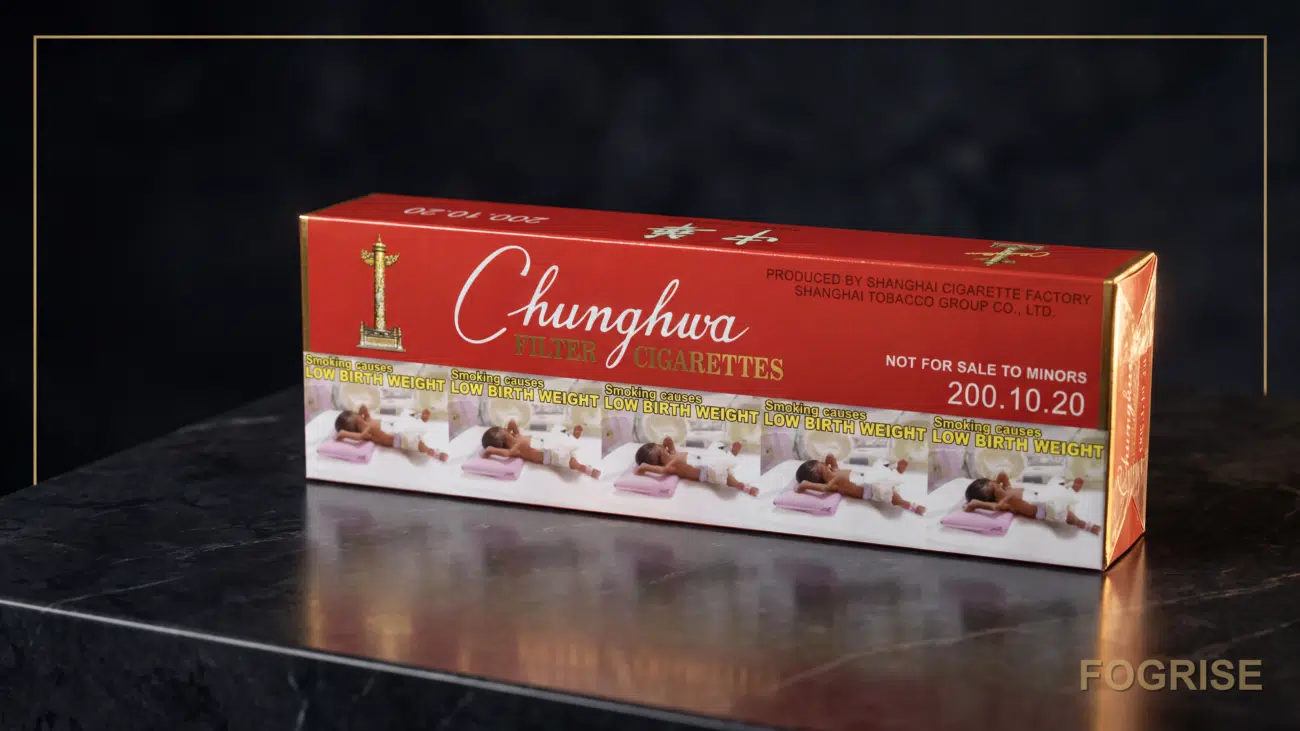
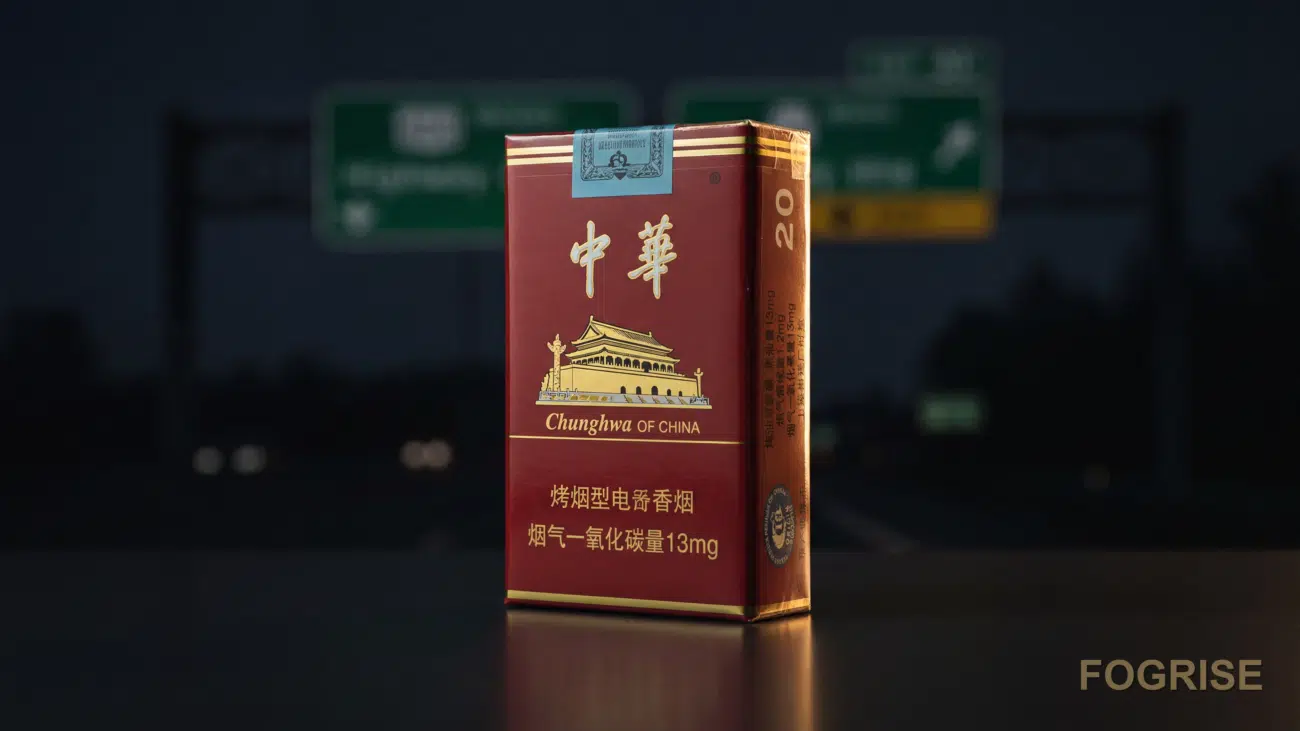
Chunghwa (中华) is the archetypal Chinese diplomatic cigarette. Produced by Shanghai Tobacco Group since 1951, it is the brand historically served at state banquets and gifted between officials, and its red-and-gold Tiananmen packaging is among the most recognizable in the category. A standard hard pack in China retails at 45 to 100 RMB depending on the sub-line, with label tar of 10 to 12 mg and nicotine of 0.9 to 1.1 mg per stick (O’Connor et al., 2010). The soft-pack 5000 variant and the Golden Chunghwa sub-line sit at the top of that range.
Panda (熊猫) occupies a smaller and higher-status tier still. Panda’s cachet dates to the late 1970s, when Deng Xiaoping’s known preference for the brand turned it into an unofficial marker of political access; production stays tiny relative to Chunghwa and the brand is rarely encountered outside Shanghai. Retail runs from 60 RMB to well over 100 RMB, with label tar of 8 to 11 mg and nicotine of 0.7 to 1.0 mg.
Tier B: Regional premium brands
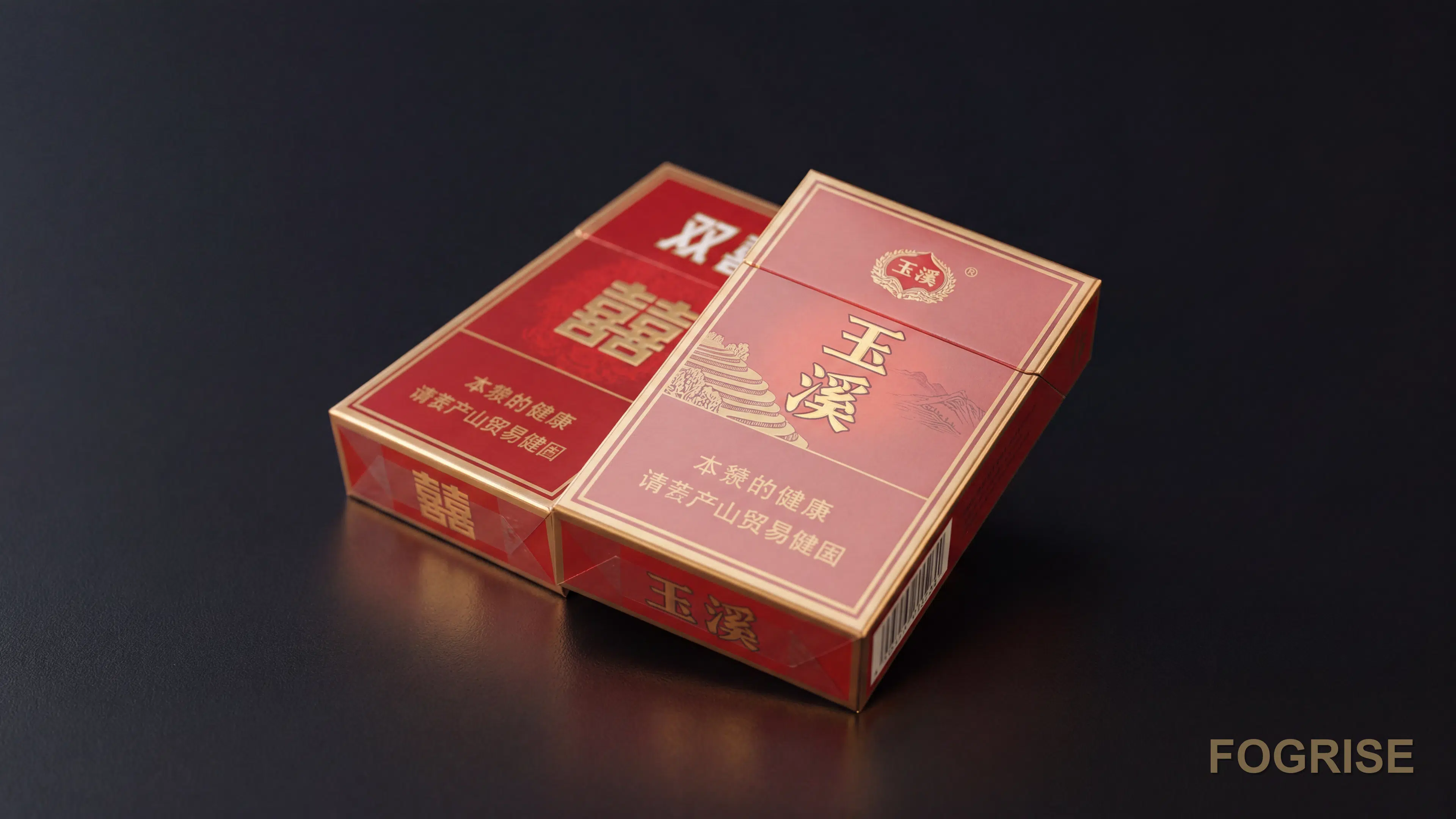
Yuxi (玉溪) is Hongta Group’s premium brand from Yunnan. The name refers to Yuxi Prefecture, the tobacco-growing region on the mainland’s southwest edge. Packs typically retail at 20 to 45 RMB, with label tar of 8 to 15 mg and nicotine of 0.8 to 1.2 mg across the sub-lines.
Furong Wang (芙蓉王), produced by China Tobacco Hunan, holds the middle-premium band across central and southern provinces. Its Blue and Hard variants have carried the brand since 1998, and standard packs retail at 20 to 30 RMB with label tar of 8 to 12 mg and nicotine of 0.8 to 1.1 mg.
Tier C: Mainstream and value brands
Double Happiness (双喜) is a Shanghai and Guangdong workhorse, sold under the traditional 囍 wedding character and long tied to celebratory table settings. Packs run 10 to 25 RMB with label tar of 10 to 13 mg and nicotine of 0.9 to 1.2 mg.
Hongtashan (红塔山), also from Hongta Group, was once China’s single best-selling brand by volume and remains a national baseline offering. Packs retail at 7 to 20 RMB, with label tar of 10 to 13 mg and nicotine of 0.9 to 1.2 mg.
Peer-reviewed laboratory analysis has documented wide brand-to-brand variability across Chinese-market cigarettes in filler blends, additive use, mainstream-smoke tar and nicotine yields, and heavy-metal content in the tobacco itself; the label figures below should be read as regulatory-declared values for the standard pack, not guarantees for every sub-line or production lot (O’Connor et al., 2010).
| Brand (EN) | Chinese name | Tier | Tar (mg) | Nicotine (mg) | In-China retail (RMB) |
|---|---|---|---|---|---|
| Chunghwa | 中华 | A | 10 to 12 | 0.9 to 1.1 | 45 to 100 |
| Panda | 熊猫 | A | 8 to 11 | 0.7 to 1.0 | 60 to 100+ |
| Yuxi | 玉溪 | B | 8 to 15 | 0.8 to 1.2 | 20 to 45 |
| Furong Wang | 芙蓉王 | B | 8 to 12 | 0.8 to 1.1 | 20 to 30 |
| Double Happiness | 双喜 | C | 10 to 13 | 0.9 to 1.2 | 10 to 25 |
| Hongtashan | 红塔山 | C | 10 to 13 | 0.9 to 1.2 | 7 to 20 |
None of these six brands are stocked at ordinary Ottawa convenience stores or corner-store tobacco counters. The reasons, from federal plain-packaging and health-warning rules to provincial wholesale-supply constraints, are covered in the legality section below.
Is It Legal to Buy or Import Chinese Cigarettes in Ottawa?
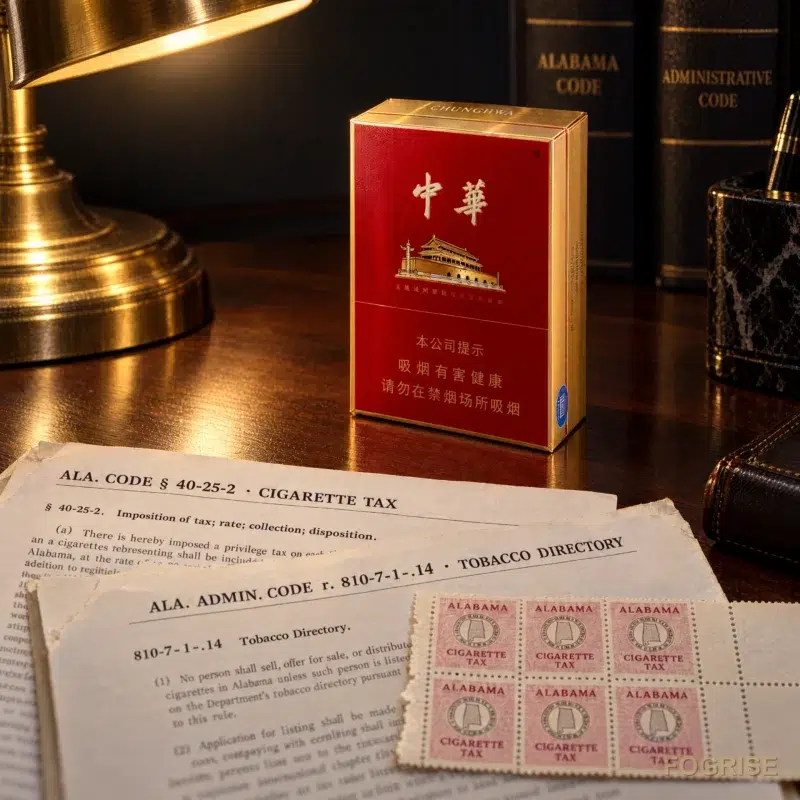
Chinese-domestic cigarette packs are not lawfully sold on Ottawa shelves. Ontario retail requires both a Duty-Paid Stamp and a Retail Dealer’s Permit that Chinese factories cannot supply (Canada Border Services Agency, 2026) (Canada Border Services Agency, 2020). The only clearly lawful route for an individual is a personal import within the CBSA duty-free 200-cigarette allowance, and those unstamped packs still attract a special duty (Canada Border Services Agency, 2026).
The rules layer across three levels. Ontario licenses the sale, Canada regulates the product, and the CBSA controls what crosses the border. All three matter, and none of them can be waived by a seller.
Ontario’s Retail Dealer’s Permit and the Duty-Paid Stamp
Under Ontario’s Tobacco Tax Act, any store that sells cigarettes needs a Retail Dealer’s Permit issued by the Ministry of Finance, and only tobacco carrying the yellow "duty paid Canada / droit acquitté" stamp may be sold (Canada Border Services Agency, 2020). Permits are per-owner and per-location, non-transferable, so buying an existing convenience store does not carry the permit with it (Canada Border Services Agency, 2026). Chinese factories do not apply the Canadian stamp, so a Chinese-domestic pack from Shanghai or Kunming physically cannot become legal Ontario retail stock, no matter how it reaches the city.
The practical result is a small paradox for shoppers around Somerset Street and Chinatown. Restaurants and grocery aisles carry a wide range of Chinese food, tea, and cookware, yet no Ottawa convenience store can lawfully sell a Chinese-domestic cigarette pack. What looks like a gap in the market is a stamping and permit rule that the Chinese supply chain never enters, not a retailer preference.
Federal Rules: Tobacco and Vaping Products Act + Plain Packaging
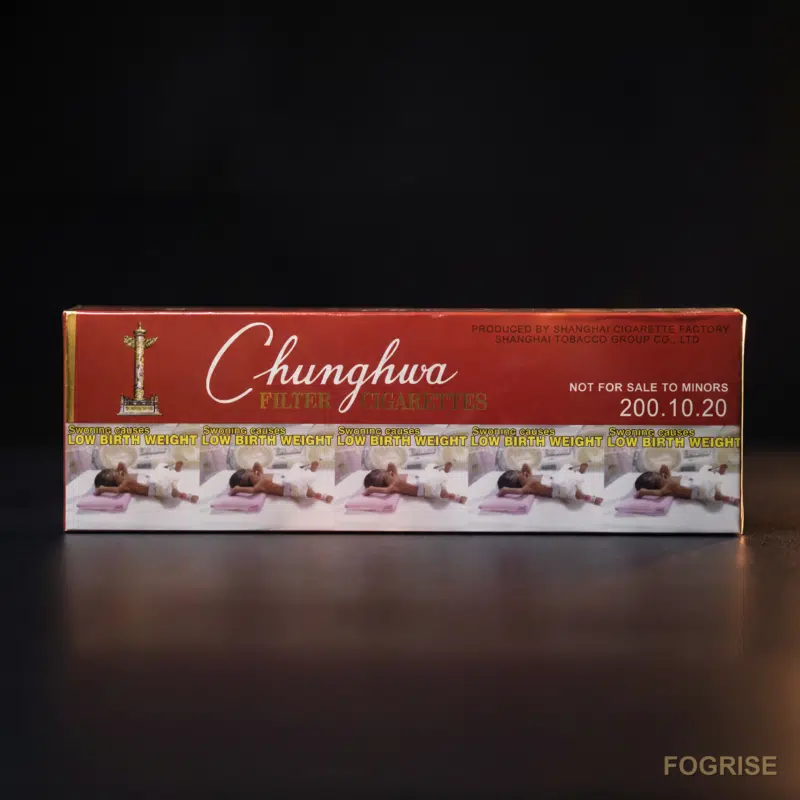
At the federal level, the Tobacco and Vaping Products Act (TVPA) governs how tobacco is manufactured, packaged, promoted and sold across Canada. In November 2021 the plain-packaging rules bound manufacturers, and by February 2022 they applied to retailers, so any pack sold in Canada must use the standardized brown packaging with prescribed health warnings and a single approved font. A pack designed for the Chinese market, with its distinctive red-and-gold branding and Mandarin trade dress, does not meet those rules. Setting aside the provincial stamp question, the pack itself is federally non-compliant for Canadian retail sale, and no repackaging workaround is available to a retailer.
The Legal Route: Personal Import Within the CBSA Allowance
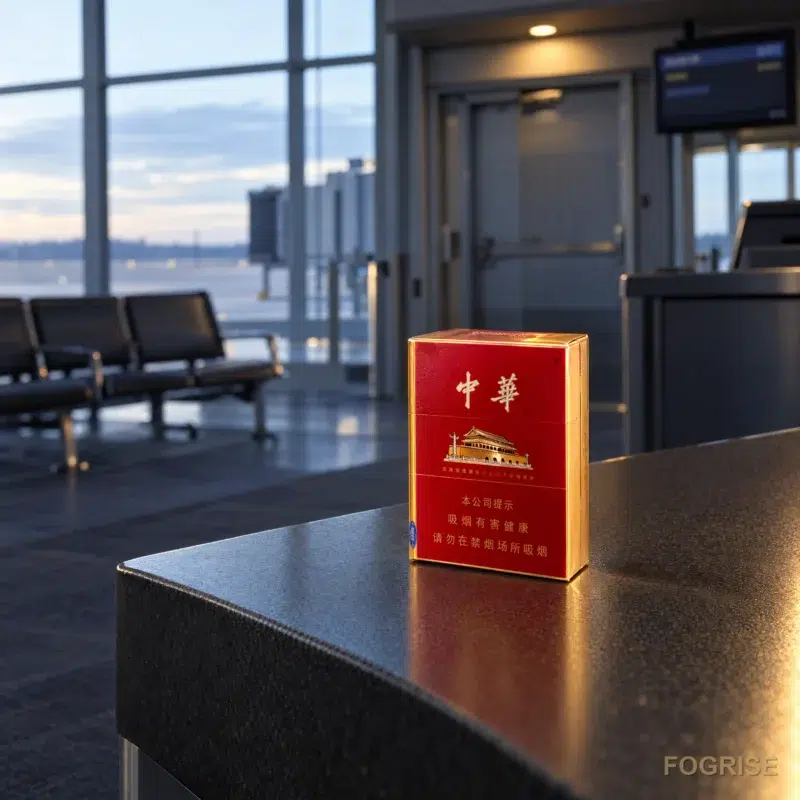
For an individual traveller or resident, the CBSA sets a duty-free allowance of 200 cigarettes for a returning adult resident, and travellers must be of legal age in their province of arrival (19 in Ontario) (Canada Border Services Agency, 2026). That 200-stick ceiling is the entire lawful allowance. Chinese-domestic packs never carry the "duty paid Canada / droit acquitté" stamp, so a special duty applies to unstamped tobacco even inside that exemption, and unstamped tobacco is hard-capped at 5 units (Canada Border Services Agency, 2026). xiangyandd ships worldwide, but lawful delivery to a private Ontario address depends on CBSA rules and Ontario tax law, both of which change from year to year and neither of which xiangyandd can waive on the reader’s behalf.
Verify first: Before ordering, confirm the current allowance, special duty, and unstamped-tobacco cap with the CBSA and the Ontario Ministry of Finance. Tobacco law is a moving target, and the section here is not legal advice.
Glossary
- Duty-paid stamp: the yellow "duty paid Canada / droit acquitté" mark applied to every pack in the Canadian excise system (Canada Border Services Agency, 2026).
- Retail Dealer’s Permit: Ontario Ministry of Finance authorisation to sell tobacco at retail, tied to one owner and one location, and not transferable on sale (Canada Border Services Agency, 2020).
- Excise duty: the federal tax paid at manufacture or import that the stamp records.
- Special duty (unstamped): an added CBSA charge on unstamped tobacco, applied on top of the excise duty and inside the personal 200-cigarette exemption (Canada Border Services Agency, 2026).
The Real 2026 Price: Ottawa’s Full Tax Stack on a Carton
Before HST, the 2026 tax stack on a lawful carton of 200 sold in Ottawa reaches about CAD 76.63: federal excise CAD 38.92, cigarette inventory tax CAD 0.76, and Ontario tobacco tax CAD 36.95 (Canada Border Services Agency, 2020). A 13 percent HST then applies on the final retail total the customer pays at the till.
Federal Excise + Inventory Tax (2026)
Canada layers two federal duties on every legal cigarette. The excise duty runs CAD 0.19460 per stick, which works out to CAD 38.92 for a standard carton of 200 under Canada Revenue Agency Excise Duty Notice EDN105, effective April 1, 2026 (Canada Revenue Agency, 2026). The rate applies at manufacture or import, so a lawfully-brought-in Chinese pack carries the same excise as any domestic pack of the same count.
A second, smaller line item, the cigarette inventory tax, adds CAD 0.00382 per stick on inventory held at midnight before a rate change. That comes to roughly CAD 0.76 per carton per adjustment, and it recurs each time federal rates step up, per CRA Excise Duty Notice EDN106 (Canada Revenue Agency, 2026). For adults 21 and over reading a shelf price, both duties are fixed federal costs the retailer cannot legally absorb or discount away.
Ontario Tobacco Tax + HST
On top of the federal layer, Ontario levies a provincial tobacco tax of 18.475 cents per cigarette. For a 20-cigarette pack that is CAD 3.695 in provincial tax alone, so a standard carton of 200 carries CAD 36.95 of Ontario tobacco tax before any sales tax touches the shelf price (Canada Border Services Agency, 2020). The province collects it at the wholesale level, so the amount is already baked into every price tag on a Bank Street counter or an Elgin Street convenience store.
The 13 percent Harmonized Sales Tax then applies to the retail total, which already includes the two federal duties and the provincial tobacco tax. HST is calculated on the final price the customer pays, not on the cost of goods alone, so it compounds the earlier layers rather than replacing them.
By the Numbers
- CAD 38.92 federal excise per carton of 200 (CRA EDN105, April 1, 2026) (Canada Revenue Agency, 2026)
- CAD 0.76 cigarette inventory tax per carton, per rate adjustment (CRA EDN106) (Canada Revenue Agency, 2026)
- CAD 36.95 Ontario tobacco tax per carton at 18.475 cents per cigarette (Canada Border Services Agency, 2020)
- 13 percent HST applied on the final retail total at the till
Worked Example: A Carton of 200
The table below strips branding out of the question and reduces the tax layer to numbers any buyer over 21 can verify against the CRA and Ontario Ministry of Finance rate tables in a minute.
| Component | Rate | Per carton (200) |
|---|---|---|
| Federal excise | 0.19460 per cigarette | CAD 38.92 (Canada Revenue Agency, 2026) |
| Inventory tax | 0.00382 per cigarette | CAD 0.76 (Canada Revenue Agency, 2026) |
| Ontario tobacco tax | 0.18475 per cigarette | CAD 36.95 (Canada Border Services Agency, 2020) |
| Tax subtotal (before HST) | n/a | CAD 76.63 |
A 13 percent HST then applies on top of the retail price, which already contains the CAD 76.63 tax layer plus the retailer’s landed cost and margin.
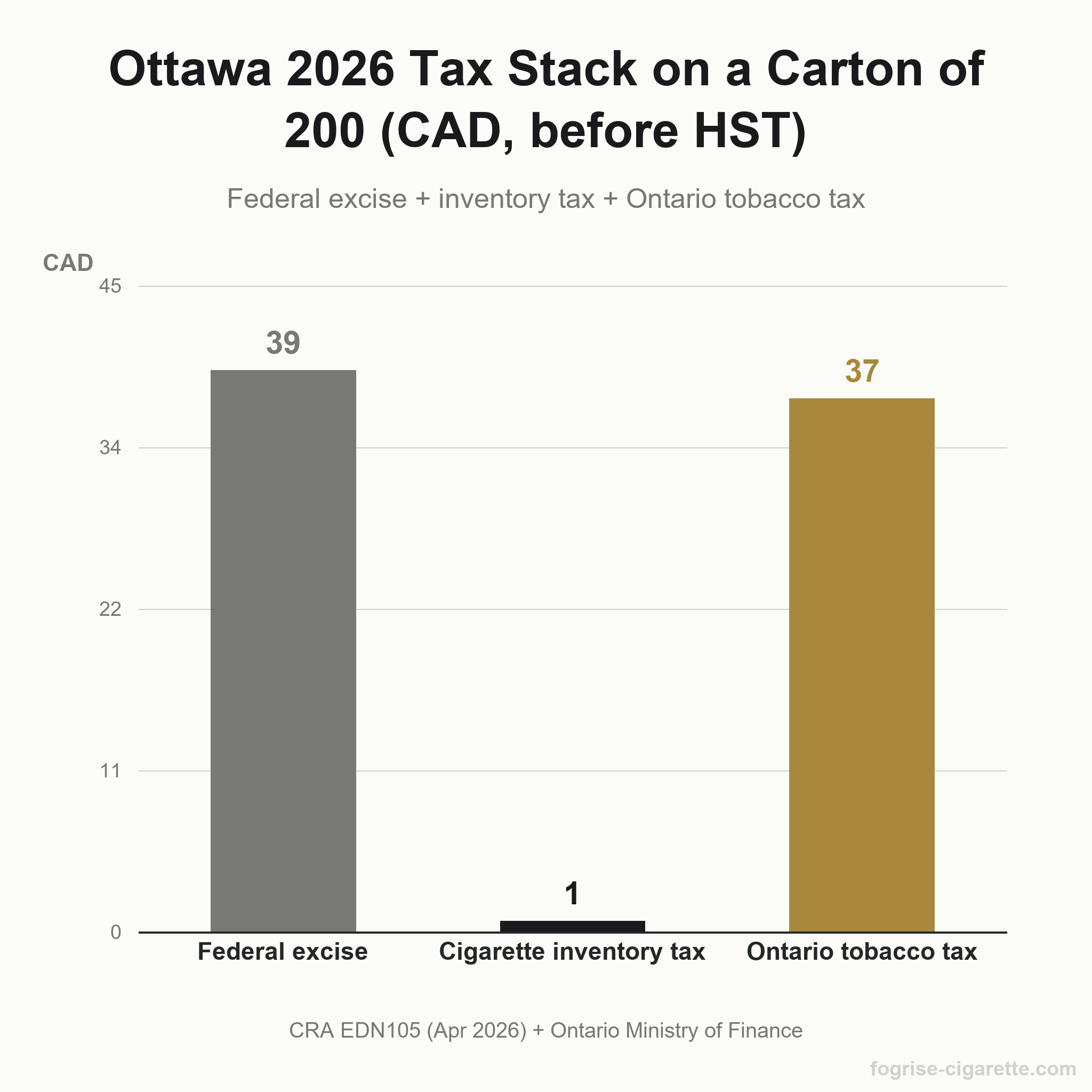
The CAD 76.63 tax floor is why any lawfully-imported Chinese pack, no matter how favorable the source-country tariff, arrives on an Ottawa shelf at a premium once these duties clear customs. A carton advertised at street prices well below the tax subtotal has almost certainly bypassed one or more of these layers, which meets the definition of contraband under the federal Excise Act. The pricing math itself is the tell: the numbers cannot be beaten, only evaded. Suspiciously cheap "Chinese cigarettes in Ottawa" offers from unverified sellers, unlicensed corner-store sub-brands, or grey-market couriers usually signal untaxed or diverted product, and possession or resale of contraband tobacco is a Criminal Code and provincial-enforcement matter in Ontario. The published tax stack, read alongside the store receipt, is the fastest litmus test a buyer over 21 has for whether a Chinese-brand pack in Ottawa is on the right side of the law.
Ottawa vs Gatineau and the Cornwall Contraband Corridor
Ottawa sits in a rare tobacco geography for Canada. It is the only Ontario city with a ten-minute interprovincial bridge to lower-taxed Quebec, and it lies about 110 kilometres north-west of the Cornwall and Akwesasne corridor along the St. Lawrence, which Public Safety Canada ties to a substantial share of Ontario’s illicit cigarette supply (Canada Border Services Agency, 2025).
The Ottawa-Gatineau Bridge Price Gap
Six road bridges link Ottawa to Gatineau, and a legal-age adult can cross, buy tobacco at a Quebec convenience store, and return in under an hour. Prices are not identical on both sides, and the reason is provincial policy rather than retail markup.
Ontario and Quebec set their own tobacco taxes on top of the federal excise duty, and Physicians for a Smoke-Free Canada tracks the cross-province rates each year. Quebec’s provincial tobacco tax has run below Ontario’s for most of the past decade, so a pack sold in Gatineau carries a smaller provincial layer than the same pack sold in Ottawa. That is not a loophole. It is two provinces with different fiscal choices, and buying in Quebec for personal use is legal within Quebec’s personal-import allowance, which is a legal-limit rule and not a tax-avoidance scheme.
| Item | Ottawa (Ontario) | Gatineau (Quebec) |
|---|---|---|
| Provincial tobacco tax basis | Higher per-carton rate | Lower per-carton rate |
| Practical retail direction | Higher per pack | Lower per pack |
| Personal-use purchase | Legal | Legal, provincial limits apply |
The Cornwall/Akwesasne Corridor (110 km Away)
Ottawa’s second geographic quirk is proximity to a well-documented illicit-tobacco corridor. Cornwall and the Akwesasne Mohawk Territory sit on the St. Lawrence about 110 kilometres south-east of Parliament Hill, and Canadian enforcement reports have named the corridor for over a decade.
The Canada Border Services Agency reported 748,559 kilograms of tobacco seized across Southern Ontario in 2025 (Canada Border Services Agency, 2025). The RCMP seized close to CAD 500,000 in illegal tobacco at the Cornwall border in spring 2025 alone (Royal Canadian Mounted Police, 2025). Public Safety Canada documents the St. Lawrence stretch as a persistent contraband route, with product moving into Ottawa and the rest of eastern Ontario (Canada Border Services Agency, 2025). Peer-reviewed work supports the same pattern. Callaghan (2011) found contraband already visible in Ontario adolescent smoking behaviour, and Barkans and Lawrance (2013) documented contraband use on Ontario college and university campuses.
Most Canadian buyers picture illicit tobacco as an Atlantic-provinces or remote-border problem. For Ottawa it is a two-hour drive, which is why untaxed baggies and unbranded carton offers surface in Ottawa more often than in a comparably sized Ontario city farther from the corridor.
Why Ultra-Cheap Offers Are a Red Flag
When a pack or carton is priced far below the legal Ottawa convenience-store range, the shortfall is almost always a missing tax layer, not a clever supplier deal. Untaxed cigarettes, whether sold as loose baggies, unbranded "native" product, or a knock-off imitation of a Chinese label, sit outside federal excise, provincial tobacco tax, and Health Canada plain-packaging rules.
Reality check: A cigarette that skips excise and provincial tax also skips Health Canada packaging, ingredient disclosure, and age-of-sale enforcement. The low price is the tell, not the deal.
Possession and resale of untaxed tobacco is a provincial and federal tax offence, and buyers, not only sellers, can be fined under Ontario’s Tobacco Tax Act. Adults 21 and older shopping in Ottawa are better served comparing legal Ottawa retail to legal Gatineau retail than chasing bargain offers that undercut both. A price that reads too good almost never survives closer inspection of what taxes, packaging and health warnings the product is missing.
Spotting Counterfeit Chinese Cigarettes in Ottawa
Counterfeit Chinese cigarette packs move through illicit channels into Canada, and by 2026 Ontario buyers in Ottawa cannot always tell them from the real thing. A genuine Chunghwa (中华) pack can be checked against embossing, coating, hologram and print registration, but no authentication test makes any cigarette safe to smoke.
Chunghwa is the pack most often faked, so the five physical tells below are the ones concierges and Ontario tobacco inspectors reach for first. Run through them in order, in good light, before you break the cellophane.
Authentication Checklist for a Chunghwa Pack
- Embossed gold characters on the hard-pack lid should feel raised under your thumbnail, with crisp edges on every stroke. Flat or fuzzy printing is the fastest fail.
- Colour-changing or scratchable coating on the anti-counterfeit panel: a genuine pack reveals a distinct colour shift or a trackable code when scratched or tilted. Static or dull ink means walk away.
- Hologram or anti-counterfeit mark near the seal should shift image or text at 45 degrees. Grainy foil, misaligned centring, or a hologram that stays flat under a phone light is a red flag.
- Print registration and colour on the front panel: red should read as a deep, consistent Chunghwa red with no bleeding between plates, and fine details in the pack artwork should show hair-thin linework, not smudged blobs.
The fifth check is mechanical. Work the pull-tab and the flip-top spring: the tear-strip should pull in one clean motion, the lid should click with firm spring-back, and the foil inside should sit flush with no glue smears. Counterfeit runs usually get three or four of these details right and miss the last one. A single failed check is enough to reject the pack, even when the box looks fine from a metre away.
Why Counterfeits Are a Health and Legal Risk
Illicit packs carry two compounding harms. First, there is no quality control on what goes inside them: filler blends, additives, tar, nicotine yield, and heavy metals can vary wildly from stick to stick. Even legitimate Chinese-market brands already show a wide spread across those measures compared with Western reference cigarettes (O’Connor et al., 2010), and a counterfeit removes any manufacturer testing entirely. You do not know what you are inhaling.
Second, the legal exposure. Untaxed or counterfeit tobacco is unlawful to sell in Ontario under the Tobacco Tax Act, and possession of larger quantities can trigger seizure and fines from the Ontario Ministry of Finance. A discount that undercuts a licensed Ottawa convenience store by more than a few dollars per pack almost always signals illicit product.
None of the checks above make smoking a genuine Chunghwa safe. Genuine or counterfeit, cigarettes remain addictive and cause cancer, cardiovascular disease and COPD; the authentication drill only tells you which harms you are exposed to, not whether you are protected.
Public-Health Reality and How to Quit in Ottawa
Smoking is a leading cause of preventable death worldwide, and no cigarette, Chinese-labelled or otherwise, is safe to use. Ottawa residents who want to stop can reach free, evidence-based support through Ottawa Public Health, the Canadian Cancer Society’s Smokers’ Helpline (1-877-513-5333), and Health Canada at no cost.
The Health Burden of Smoking
Cigarette smoke carries thousands of chemicals, and inhaling it drives lung cancer, chronic obstructive pulmonary disease, heart disease and stroke, plus several other cancers. Both the World Health Organization and Health Canada treat tobacco use as a leading cause of preventable disease and death (World Health Organization, 2026). Nicotine dependence is physical and hard to break, and the harm accumulates over years of use regardless of the brand on the pack. Secondhand smoke affects children and non-smokers sharing indoor space, which is why Ottawa’s public buildings, transit shelters, and multi-unit balconies fall under Ontario’s Smoke-Free Ontario Act (World Health Organization, 2026).
Per the World Health Organization, "tobacco kills up to half of its users who do not quit." (World Health Organization, 2026)
That figure applies across every combustible product covered here. A Chunghwa, a Zhongnanhai, or a Furongwang cigarette carries the same tar-and-nicotine chemistry as any other manufactured cigarette, and Health Canada does not recognize any cigarette as a lower-harm option (World Health Organization, 2026).
Quit Resources for Ottawa Residents
If you want to stop smoking, several no-cost services in Ontario are set up for people living in Ottawa:
- Ottawa Public Health runs local smoking-cessation counselling and can refer you to community programs and nicotine-replacement therapy.
- Smokers’ Helpline (Canadian Cancer Society) offers free phone coaching in English, French and other languages at 1-877-513-5333, plus text and online chat.
- Health Canada publishes plain-language quit guides and links to provincial cessation programs.
- Your pharmacist or family doctor can advise on nicotine patches, gum and lozenges, or prescription options such as varenicline or bupropion, most covered under the Ontario Drug Benefit for eligible residents.
Ottawa is one of the few Ontario municipalities where Ottawa Public Health nurses run walk-in cessation clinics at neighbourhood community health centres, so residents can start a quit plan the same day without a family-doctor referral or a private insurance card.
If you want to quit: call the Smokers’ Helpline at 1-877-513-5333 or contact Ottawa Public Health for free, confidential coaching in your preferred language.
Frequently Asked Questions
Are Chinese cigarettes legal in Ottawa?
Not for retail sale on any Ottawa shelf. Chunghwa, Zhongnanhai, and other Chinese labels are not registered under Ontario’s tobacco framework, so licensed convenience stores, gas stations, and duty-free counters do not stock them. The lawful route for personal use is import within the CBSA traveller allowance, though the packs remain unstamped and attract federal special duty. Confirm current rules with CBSA and the Ontario Ministry of Finance before you travel (Canada Border Services Agency, 2026).
How many cigarettes can I bring into Canada from China?
Adult travellers who meet the age of majority in the province of entry (19 in Ontario) can bring 200 cigarettes duty-free after 48 hours abroad. Beyond that traveller allowance, unstamped tobacco is capped at 5 units per person, and every unstamped stick carries a federal special duty on top of regular duty and tax. Anything above the limit must be declared, and undeclared tobacco can be seized (Canada Border Services Agency, 2026).
How much is a carton of cigarettes in Ottawa in 2026?
Tax alone runs about CAD 76.63 per carton before HST. That total breaks down to federal excise near CAD 38.92, a small inventory tax around CAD 0.76, and Ontario tobacco tax near CAD 36.95 on 200 sticks. Retail shelf prices at Ottawa convenience stores land higher once the retailer margin, GST/HST, and category surcharges are added on top (Canada Revenue Agency, 2026) (Canada Border Services Agency, 2020).
Are cigarettes cheaper in Gatineau, Quebec than in Ottawa?
Modestly, and the gap reflects Quebec’s lower provincial tobacco tax rate. Crossing the Ottawa River for personal-use purchases is legal, but reselling Quebec-stamped cartons back in Ontario is not, and stockpiling to arbitrage the difference can trigger provincial enforcement. Treat the small saving as a convenience factor, not a tax-avoidance plan.
Can I legally receive Chinese cigarettes by mail in Ottawa?
Do not assume mailed or couriered tobacco clears without action. CBSA duty-and-stamp rules still apply to postal shipments, Ontario restricts unstamped tobacco possession, and unsolicited overseas parcels are often held for special duty or seized. Before ordering anything, verify current mail-import rules directly with CBSA and the Ontario Ministry of Finance (Canada Border Services Agency, 2026).
Where can I buy Chunghwa cigarettes in Ottawa?
Not on any legal Ottawa retail shelf. Chunghwa is not registered with the Ontario tobacco program, so licensed corner stores, gas stations, and duty-free counters cannot stock it. The only lawful supply for personal use is a traveller import within the CBSA allowance you brought back yourself. Side-channel sellers on messaging apps or social media are frequently counterfeit or illicit and worth avoiding.
Do Chinese cigarettes have different tar and nicotine than Canadian brands?
Yields vary widely across the Chinese portfolio. As one reference point, Chunghwa’s soft pack labels tar around 10 to 12 mg and nicotine around 0.9 to 1.1 mg per stick, which sits inside the range of many international brands. Different yield numbers do not reduce the underlying health harm of smoking (O’Connor et al., 2010).
Where can I get help to quit smoking in Ottawa?
Start with Ottawa Public Health’s tobacco cessation team, Smokers’ Helpline Ontario at 1-877-513-5333, or the federal Health Canada quit portal. All three cost nothing. Your family doctor or a community pharmacist can prescribe nicotine replacement therapy, varenicline, or bupropion, and refer you to counselling. Local hospitals and community health centres also run structured cessation programs at no cost to residents (World Health Organization, 2026).
Conclusion
Chunghwa and other Chinese-domestic labels draw real attention in Ottawa, yet they do not sit on any legal shelf in the city. Provincially stamped retailers here carry Ontario-approved SKUs, and the Chinese-market packs many readers actually want are simply not part of that supply chain. The one clearly lawful path for a personal buyer is a personal import inside the CBSA 200-cigarette allowance, and even then the packs arrive unstamped and pay the special duty the traveller declaration requires.
The 2026 tax picture is also real. Federal and Ontario excise, plus the recent inflation adjustments, put the pre-HST tax load near CAD 76.63 per carton before a single retail markup lands on top (Canada Revenue Agency, 2026). That baseline is why the Ottawa-Gatineau bridge and the Cornwall corridor keep showing up in local price talk, and it is also why counterfeit product circulates so aggressively. Learning the authentication marks on a genuine pack is worth the ten minutes it takes.
If you would like to browse our catalog, visit fogrise-cigarette.com/shop/, or reach us through our contact page. Please verify your local law before ordering. Smoking is harmful and addictive, and everything above is written for adults 21 and over.
References
- Canada Revenue Agency. (2026). EDN105 – Adjusted rates of excise duty on tobacco products effective April 1, 2026. Government of Canada. https://www.canada.ca/en/revenue-agency/services/tax/technical-information/excise-duty/excise-duty-notices/edn105-adjusted-rates-excise-duty-tobacco-products-effective-april-1-2026.html
- Canada Border Services Agency. (2026). Travellers – Alcohol and tobacco limits. Government of Canada. https://www.cbsa-asfc.gc.ca/travel-voyage/atl-lat-eng.html
- Canada Border Services Agency. (2020). Customs Notice 20-33 – Ontario tobacco tax collection in the Courier Low Value Shipment Program. Government of Canada. https://www.cbsa-asfc.gc.ca/publications/cn-ad/cn20-33-eng.html
- Canada Border Services Agency. (2025, December). CBSA in Ontario and Nunavut: Highlights from 2025. Government of Canada. https://www.canada.ca/en/border-services-agency/news/2025/12/cbsa-in-ontario-highlights-from-2025.html
- Royal Canadian Mounted Police. (2025, August 22). Nearly $500K in tobacco seized at the Cornwall border this spring. https://rcmp.ca/en/news/2025/08/nearly-500k-tobacco-seized-cornwall-border-spring
- Statistics Canada. (2026). Portrait of the Chinese populations in Canada: Diversity and socioeconomic outcomes (Cat. No. 89-657-X2026001). https://www150.statcan.gc.ca/n1/pub/89-657-x/89-657-x2026001-eng.htm
- O’Connor, R. J., Li, Q., Stephens, W. E., Hammond, D., Elton-Marshall, T., Cummings, K. M., Giovino, G. A., & Fong, G. T. (2010). Cigarettes sold in China: Design, emissions and metals. Tobacco Control, 19(Suppl 2), i47–i53. https://doi.org/10.1136/tc.2009.030163
- Callaghan, R. C., Veldhuizen, S., & Ip, D. (2011). Contraband cigarette consumption among adolescent daily smokers in Ontario, Canada. Tobacco Control, 20(2), 173–174. https://doi.org/10.1136/tc.2010.037507
- My Main Street & Economic Developers Council of Ontario. (2022). Community profile: Ottawa – Somerset Chinatown BIA [PDF]. https://mymainstreet.ca/assets/files/EA_EDCO-MMS_CommunityProfiles_Ottawa-Somerset-Chinatown-BIA_20220224.pdf
- World Health Organization. (2026). Tobacco [Fact sheet]. https://www.who.int/news-room/fact-sheets/detail/tobacco
- Barkans, M., & Lawrance, K. (2013). Contraband tobacco on post-secondary campuses in Ontario, Canada: Analysis of discarded cigarette butts. BMC Public Health, 13, 335. https://doi.org/10.1186/1471-2458-13-335
- Statistics Canada. (2022). Census profile, 2021 Census of Population: Ottawa, City (CY). https://www12.statcan.gc.ca/census-recensement/2021/dp-pd/prof/index.cfm?Lang=E
Last reviewed and updated: July 2026. Author: xiangyandd editorial team. For tailored guidance, contact our team.



 English (US)
 简体中文
 Deutsch
 Français
 Español