

Blog
Ontario Chinese Cigarettes: Brands, Laws & Buying Guide

Abstract
Ontario is home to more than 700,000 Chinese-Canadian adults, the largest such community in any Canadian province, concentrated across the Greater Toronto Area: Markham, Richmond Hill, Mississauga, Scarborough, Vaughan. That demographic weight translates into the strongest demand in Canada for Chinese cigarette brands such as Chunghwa (中华), Double Happiness (双喜), and Yunyan (云烟). These cigarettes carry cultural significance well beyond nicotine. They appear at Lunar New Year gatherings, business banquets, and community events including weddings, where offering a high-grade pack signals respect, hospitality, status. The pack is a form of regional fluency. For first-generation immigrants and visiting family from China, familiar brands also represent a continuity of taste and ritual that local Canadian cigarettes do not replicate.
The guide below walks adults 19+ through Ontario’s specific rules around purchasing Chinese cigarettes. It covers the Smoke-Free Ontario Act, 2017 (legal age 19), Ontario’s tobacco tax rate of 18.475 cents per cigarette, Canada Border Services Agency personal-import limits, the realities of Ontario’s contraband market (estimated at 30 to 40 percent of provincial consumption), and how to buy safely online as an adult. Every dollar figure, legal reference, and brand note is grounded in current Ontario and federal sources.
Age and legal disclaimer: For adults 19+ (Ontario minimum) or 21+ (xiangyandd recommendation). Smoking is harmful and addictive. Tobacco laws and import rules vary, so verify your local Ontario and federal regulations before purchasing.
Key Takeaways
- Ontario’s legal purchase age is 19 under the Smoke-Free Ontario Act, 2017, which is higher than the federal minimum of 18 that applies in some other provinces.
- Ontario tobacco tax is 18.475 cents per cigarette, working out to about $3.70 per pack of 20 and $36.95 per carton of 200, charged on top of federal excise duty and 13 percent HST.
- Chinese brands like Chunghwa and Double Happiness are not stocked in licensed Ontario retailers, so adult access typically runs through personal import within CBSA limits or specialty online channels.
- Ontario has Canada’s highest contraband tobacco rate, estimated at roughly 30 to 40 percent of total consumption, which makes authenticity verification (holograms, tax stamps, packaging codes) a necessary step before any purchase.
- Mailing cigarettes into Ontario triggers full federal excise duty plus provincial tobacco tax at the border, and Canada Post restricts most inbound international tobacco mail.
- Smoking is harmful and addictive. This guide is for adults 19+ (Ontario) and 21+ under xiangyandd’s stricter recommendation; verify your local laws and import rules before buying.
Table of Contents
- Abstract
- Key Takeaways
- Table of Contents
- Chinese Cigarettes in Ontario: The Brand Landscape
- Ontario’s Chinese-Canadian Community and Demand for Chinese Brands
- The Smoke-Free Ontario Act: What Adult Buyers Need to Know
- Ontario Tobacco Tax and Total Cost Breakdown
- CBSA Import Rules for Ontario Residents
- Ontario’s Contraband Tobacco Market
- Buying Chinese Cigarettes Online in Ontario
- Frequently Asked Questions
- Conclusion
- Limitations and Scope of This Guide
- Further Reading
- References
Chinese Cigarettes in Ontario: The Brand Landscape
Seven brands dominate Ontario chinese cigarettes demand among GTA buyers, each tied to a regional Chinese origin that maps onto a specific diaspora pocket (WHO, 2023). The lineup below is ordered roughly by recognition among Ontario buyers, not by price. Demand patterns elsewhere in the country track similar lines, covered in the Canada-wide Chinese cigarettes guide.
-
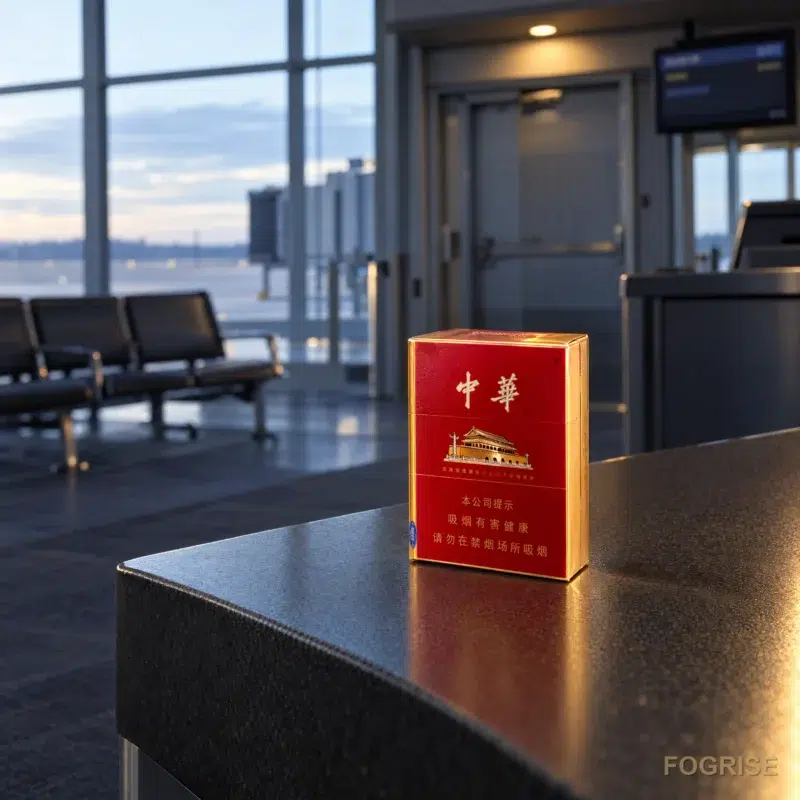
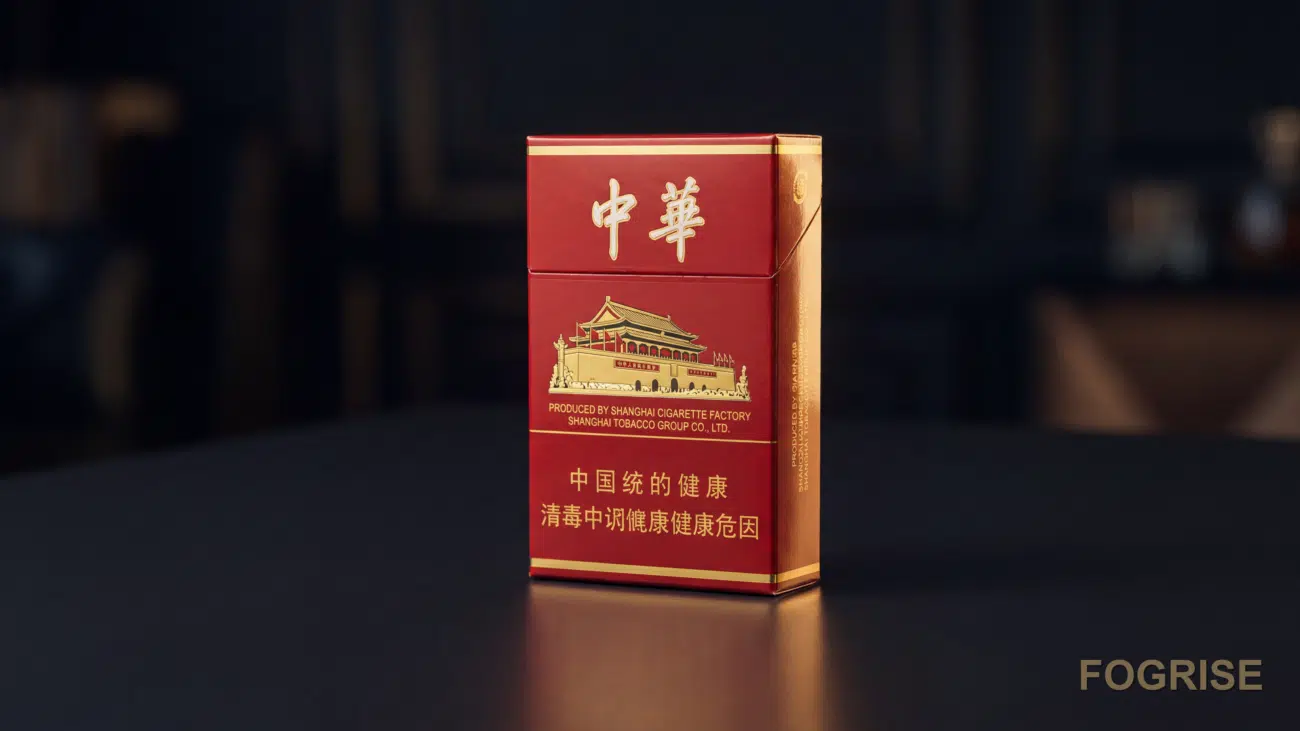
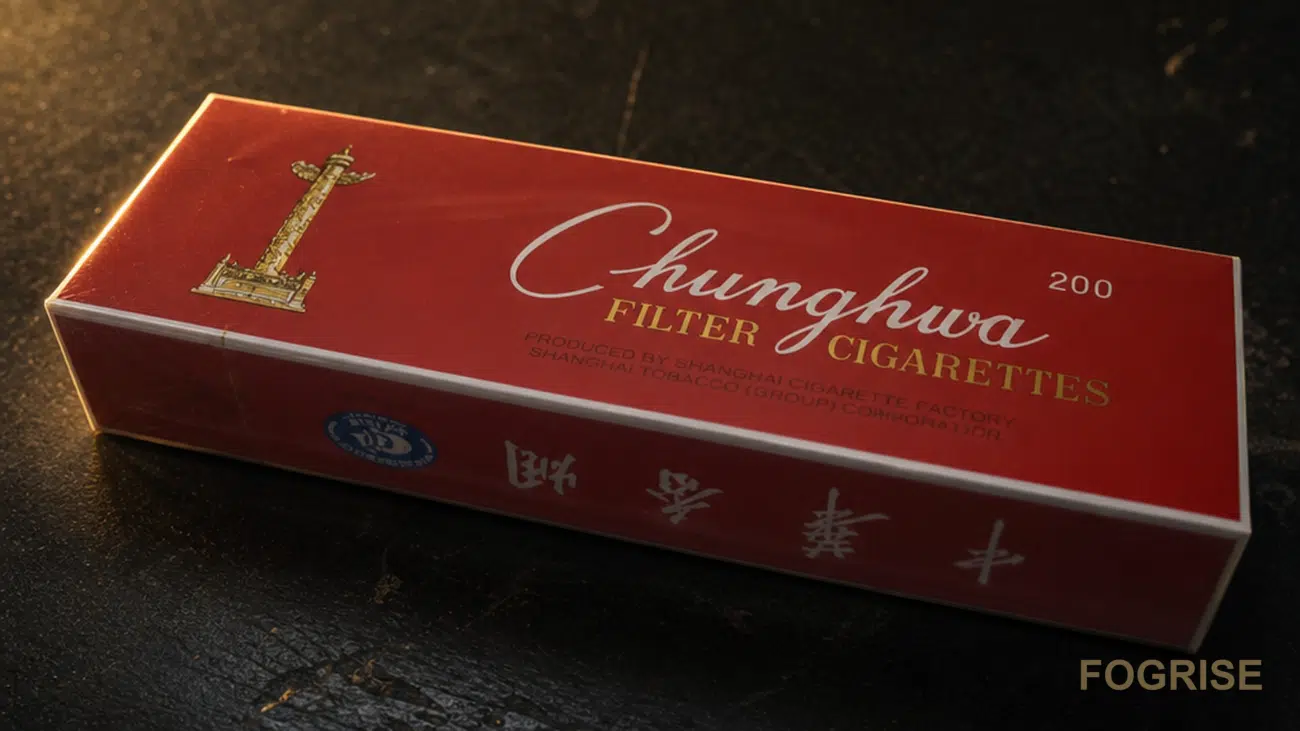
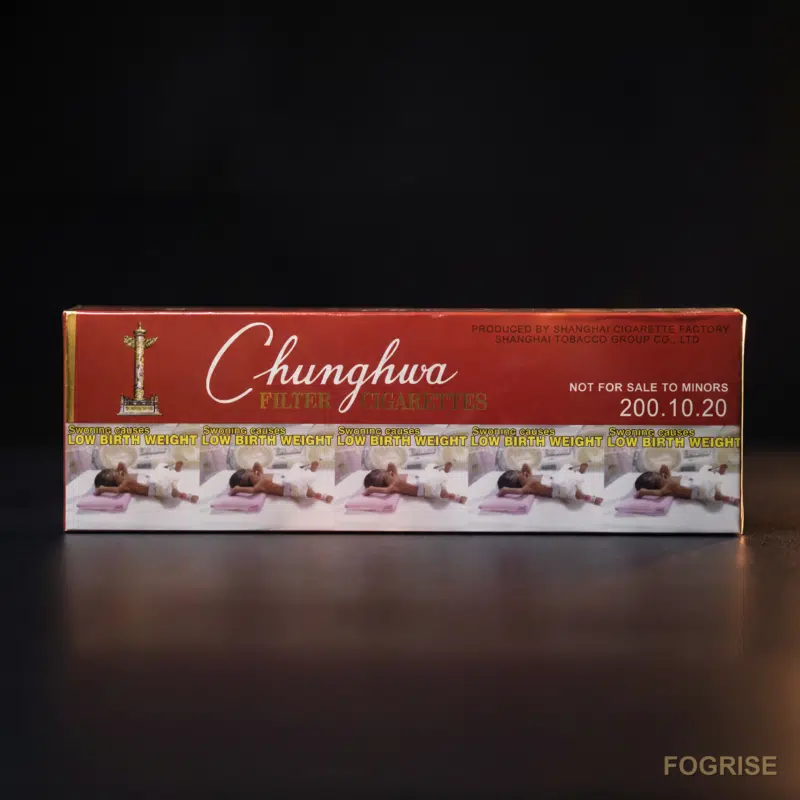
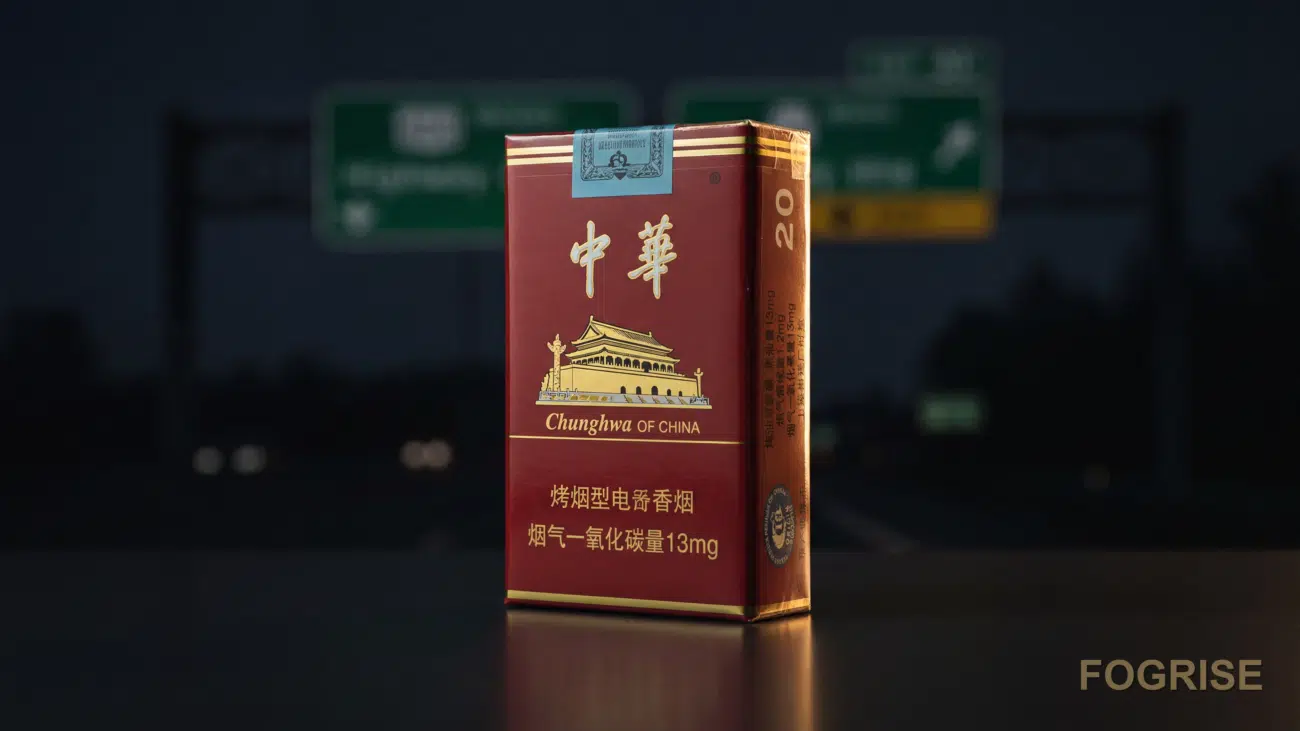
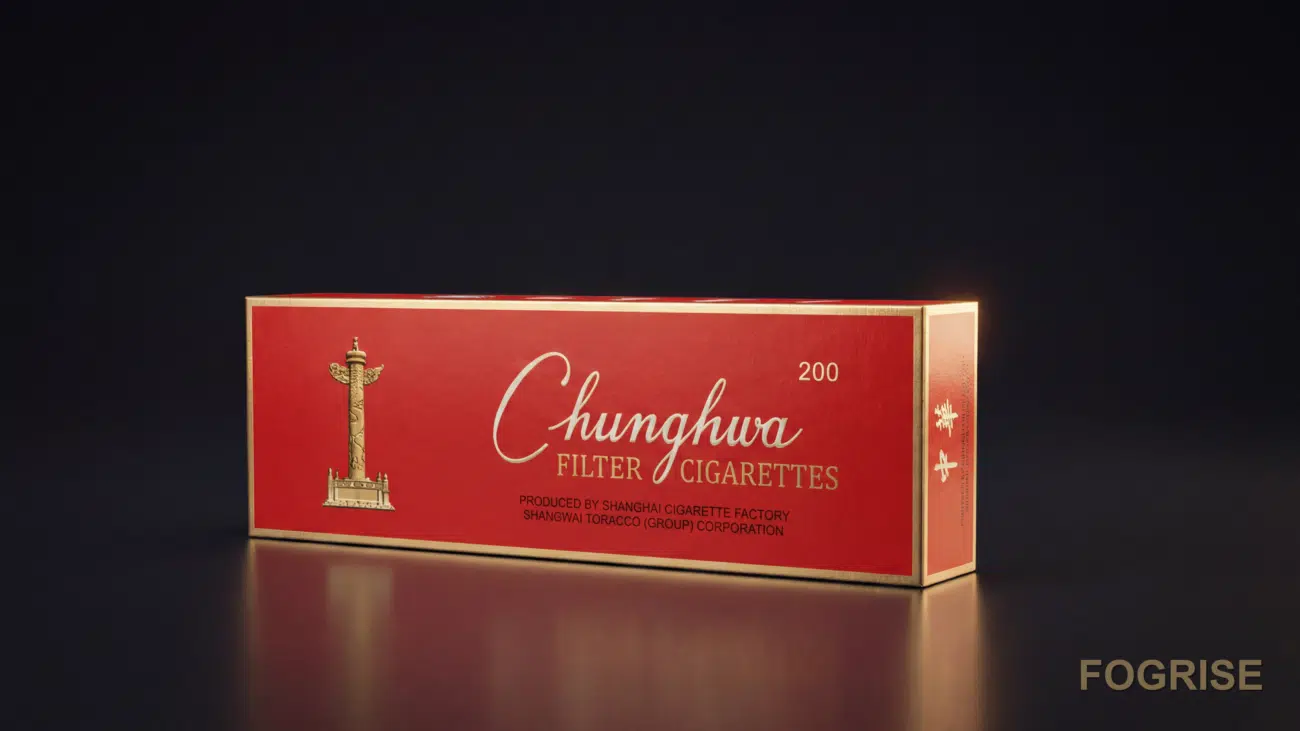
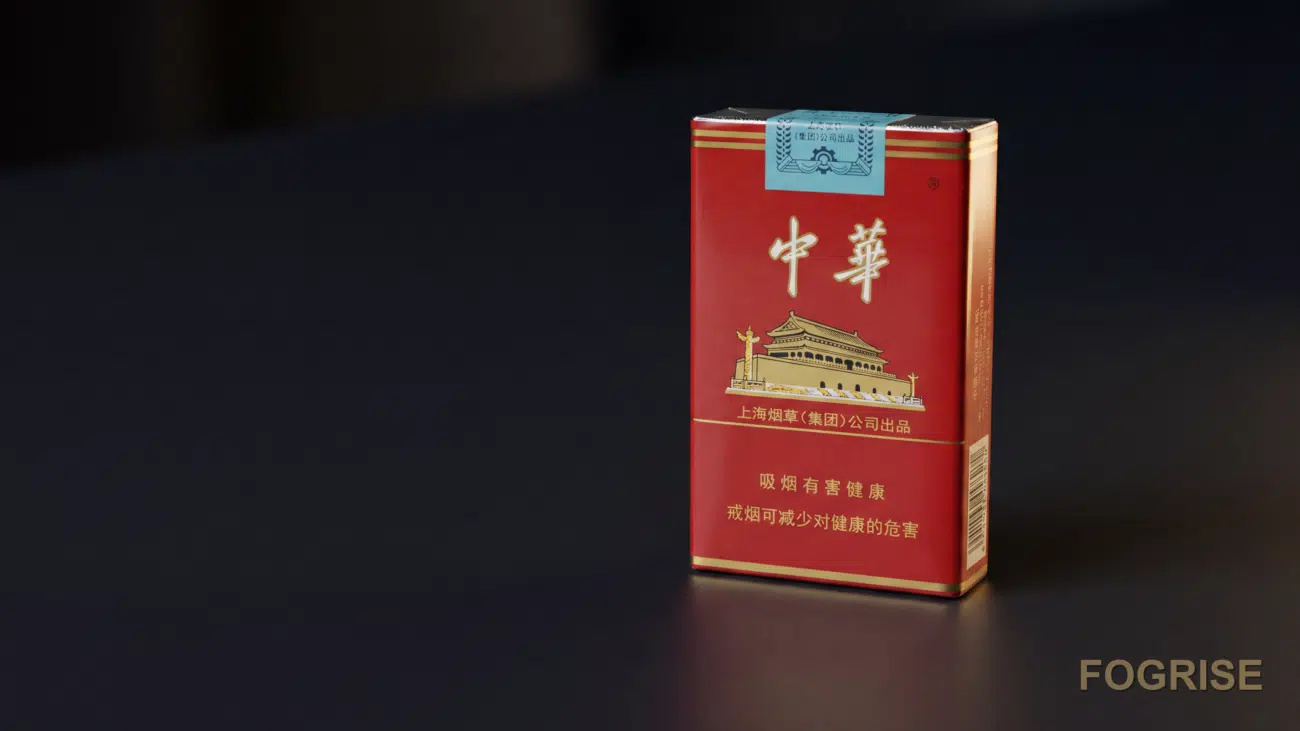
Chunghwa (中华): The flagship Chinese prestige brand, produced in Shanghai since 1951. Mild and floral on the draw, low harshness, balanced finish. Chunghwa is the cigarette of Lunar New Year banquets in Markham and Richmond Hill and of business hospitality at GTA Chinese-owned firms. Both the red soft-box and the hard-box appear; soft-box reads as more traditional. Buyers seek it because no other pack carries the same social signal at a family dinner.
-
Panda (熊猫): A collector-tier piece sitting above the gift tier, historically associated with senior leadership in China and rarely seen in any retail channel. Ultra-smooth, low-yield, sometimes aged. GTA demand is small but intense, concentrated among Mainland-origin enthusiasts and gift-givers who want a pack that almost no one else can produce.
-
Double Happiness (双喜): Deep roots in Guangdong. Cantonese-origin households in Scarborough and Mississauga know the red pack from family functions in Guangzhou and Hong Kong. Full-flavour smooth on the standard variant, with a lighter tier available. Heavy use at Cantonese-style banquet tables and wedding favours among older guests.
-
Yunyan (云烟): From Yunnan, the tobacco-growing heartland of China. Aromatic, slightly sweet, rich without being heavy. Yunyan ships in multiple tiers, from everyday to gift-grade. GTA demand sits with Yunnan and Sichuan-origin buyers who grew up around this taste.
-
Nanjing (南京): A Jiangsu staple, smooth with a slight sweetness on the finish. Recognized among Jiangsu-origin buyers across the Markham and Vaughan corridor. Available in both hard and soft-box formats; the hard-box is more visible at gift occasions.
-
Liqun (利群): Zhejiang-origin brand from Hangzhou. Clean and light, lower tar than most of the prestige tier, with a recognizable white hard-box. Common among Zhejiang-origin and Shanghai-origin community members who prefer a less heavy smoke.
-
Furongwang (芙蓉王): A Hunan brand, fuller-bodied and noticeably richer than the Jiangsu or Zhejiang options. The blue hard-box is the everyday variant; the red hard-box is the gift-grade tier. Hunan-origin buyers in the GTA seek it specifically because nothing in the North American market replicates the profile.

| Brand | Chinese Name | Taste Profile | Tar Range | Format | GTA Demand |
|---|---|---|---|---|---|
| Chunghwa | 中华 | Mild, floral | 10-11 mg | Soft-box, hard-box | Very High |
| Panda | 熊猫 | Ultra-smooth | 8-10 mg | Hard-box | High (collector) |
| Double Happiness | 双喜 | Full-flavour, smooth | 10-13 mg | Soft/hard-box | High |
| Yunyan | 云烟 | Aromatic, rich | 9-12 mg | Multiple tiers | Moderate-High |
| Nanjing | 南京 | Smooth, slightly sweet | 10-11 mg | Hard/soft-box | Moderate |
| Liqun | 利群 | Light, clean | 8-10 mg | Hard-box (white) | Moderate |
| Furongwang | 芙蓉王 | Fuller-bodied | 11-12 mg | Hard-box (blue/red) | Moderate |
Tar and nicotine ranges are factory-reported domestic figures. Actual deliveries vary with draw, pack age, and storage. All tobacco products are harmful regardless of stated tar level, and lower-tar variants are not safer in any meaningful clinical sense.
Ontario’s Chinese-Canadian Community and Demand for Chinese Brands
Ontario hosts roughly 820,000 Chinese-Canadian residents per the 2021 Census, the largest such population in Canada, concentrated in the GTA across Markham, Richmond Hill, Scarborough, Mississauga, and Vaughan (Statistics Canada, 2022). That demographic depth, combined with a strong cultural premium on heritage brands, sustains GTA demand for Ontario chinese cigarettes year-round.
Ontario is home to the largest Chinese-Canadian population in the country, with the Greater Toronto Area alone hosting more than 700,000 Chinese-Canadian adults across Markham, Richmond Hill, Scarborough, Mississauga, Vaughan. That demographic depth is the single biggest reason demand for Chinese cigarette brands exists here at the scale it does, and why search interest for specific brand names spikes around Lunar New Year, Mid-Autumn Festival, and Qingming.
The cultural pattern is consistent across origin regions. Chunghwa is the pack passed around the table at Lunar New Year reunion dinners and at GTA business banquets where face matters. Double Happiness shows up at Cantonese-style weddings and at family functions where older relatives expect a familiar red pack. None of this is casual. Brand-gifting to elders, especially fathers, fathers-in-law, and senior business contacts, follows a well-understood etiquette inherited from Mainland and Hong Kong practice. The cigarette is a social object that signals attention, respect, and origin-region literacy.
Demand also extends past the diaspora itself. Tobacco enthusiasts and collectors who developed a taste in Asia ask for these brands by name, particularly Panda and the gift-grade tiers of Yunyan and Furongwang. That secondary market is small but vocal, and explains why pack photos circulate on Reddit and on cigar-and-tobacco forums far outside the Chinese-speaking community. The same pattern repeats in Vancouver, Calgary, and Montreal — see the broader Canadian Chinese cigarettes guide for province-by-province context.
The grey-market scale around contraband and unauthorised Chinese-brand imports has been documented nationally. CBC’s 2018 British Columbia investigation traced large-volume Chinese-cigarette shipments through containerized freight, and successive RCMP and Ontario Tobacco Research Unit reports have flagged Ontario as a significant downstream contraband market. That context matters because it shapes the legal exposure of buyers, the reliability of any informal supply, and the public-health risks of unregulated product (counterfeits, mislabelled tar yields, missing health warnings).
None of that diminishes the serious health risks that all tobacco products carry. The material here is for adults making informed decisions, not an endorsement of smoking. Readers who already smoke and want to stop can reach Telehealth Ontario or visit smokershelpline.ca for free cessation support.
The Smoke-Free Ontario Act: What Adult Buyers Need to Know
Ontario regulates tobacco under the Smoke-Free Ontario Act, 2017 (SFOA), which sits on top of the federal Tobacco and Vaping Products Act. The provincial layer is stricter on several points. It governs what happens at the cash register in any Ontario retailer, and its rules bind both physical stores and import scenarios. Six provisions matter most for adult buyers.
- Minimum age is 19, not 18. Section 3 of the Smoke-Free Ontario Act, 2017 sets the minimum age to purchase or possess tobacco at 19, overriding the federal floor of 18 set by the Tobacco and Vaping Products Act (gov.on.ca) (Government of Ontario, 2017). Retailers are required to verify age with government-issued photo ID for anyone who appears under 25 in practice. Selling to a person under 19, or failing to ask for ID, exposes the retailer to fines up to $150,000 for a corporation and licence suspension on repeat offences.
-
Retail display ban. No tobacco product may be displayed, promoted, or advertised at any retail location in Ontario. Packs are kept behind closed cabinets ("dark market" rule). Price lists may be shown to a customer only on request, and only in a prescribed format. Posters, branded shelf-talkers, brand-coloured fixtures, and lit signage are all prohibited inside the store.
-
Plain packaging. Ontario aligns with the federal Tobacco Products Regulations (Plain and Standardized Appearance) under SOR/2019-107 (2019). Every pack sold legally in Canada must carry standardised slate-brown packaging, a uniform brand-name font, no logos or stylised typography, and rotating graphic health warnings covering at least 75% of the principal display area. Authentic imported Chinese packs are repackaged into compliant Canadian plain packaging before legal sale.
-
Online sale restrictions. Ontario does not licence online tobacco retailers. Provincial enforcement of online sales is uneven, and consumer liability for any contraband or unstamped product rests with the buyer, not just the seller. Buying from out-of-province or overseas online sources carries customs seizure risk under the federal Excise Act, 2001 and possible provincial penalties under SFOA.
-
Smoke-free spaces. Ontario runs a thorough smoke-free regime under SFOA. Smoking and vaping are prohibited in enclosed workplaces, enclosed public spaces, restaurants and bar patios, within 9 metres of any entrance to a hospital, all school grounds and child-care premises, all public playgrounds and sports fields, and provincial parks beach and trail zones. Municipalities (Toronto, Mississauga, Markham) layer additional bylaws on top, including condo-balcony rules in some buildings.
-
Recent updates. Ontario’s 2024 amendments to SFOA extended vaping restrictions, tightened flavoured-product rules near schools, and expanded enforcement powers for public-health inspectors. The amendments did not change the age-19 floor or the retail display ban, but they did add reporting obligations for retailers carrying combustible and vapour products on the same shelf.
Always verify current provisions at ontario.ca/tobacco or with the Ontario Ministry of Health before purchasing.
Ontario Tobacco Tax and Total Cost Breakdown
Ontario’s provincial tobacco tax is 18.475 cents per cigarette in 2024, which works out to $3.70 on a pack of 20 and $36.95 on a carton of 200 (Government of Ontario, 2024). Federal excise duty of roughly $8.67-$9.23 per 200 sticks stacks on top, then 13% HST applies to the combined total before landed cost.
Ontario sits at the top of the North American tobacco-tax table. The province stacks its own per-cigarette levy on top of federal excise duty, then applies the 13% HST to the combined total. For Ontario chinese cigarettes brought in by personal import, every layer applies (Government of Ontario, 2024). Whether the pack moves through CBSA in a returning traveller’s allowance or arrives by international courier, the same Ontario chinese cigarettes tax stack governs the landed cost.
The four layers in order:
-
Ontario provincial tobacco tax. Set under the Tobacco Tax Act at 18.475 cents per cigarette, per the Ontario Ministry of Finance schedule in effect since the last provincial budget update. That works out to $3.695 on a pack of 20 and $36.95 on a carton of 200. The tax is owed on the cigarette itself, not on the retail price, so it doesn’t shrink when you find a lower-priced source.
-
Federal excise duty. The Excise Act, 2001 sets a per-stick rate on cigarettes that Ottawa adjusts annually under the inflation escalator added in the 2023 federal budget. For 2024-25 the rate runs in the range of roughly $8.67 to $9.23 per 200 sticks, depending on the indexed bump in effect when the cigarettes are imported. Verify the current line at canada.ca before you calculate a real bill.
-
Ontario HST. 13% applied to the purchase price plus the provincial and federal duty layers. HST compounds on the tax stack, not just on the base product price, which is why the final landed cost climbs faster than buyers expect.
-
Total illustrative landed cost. A $50 carton from an international retailer, once you add $36.95 Ontario tax, roughly $9 federal excise, and 13% HST on the combined figure, lands somewhere near $110 in real terms. The retail price is the smallest piece of what you actually pay.
| Tax Component | Rate | Per Pack of 20 | Per Carton of 200 |
|---|---|---|---|
| Ontario Provincial Tobacco Tax | 18.475¢ per cigarette | $3.70 | $36.95 |
| Federal Excise Duty | ~$8.67-$9.23 per 200 sticks (2024-25 estimate) | ~$0.87-$0.92 | ~$8.67-$9.23 |
| Ontario HST | 13% on purchase price plus provincial tax | variable | variable |
Federal excise duty rises every year under the Excise Act escalator. Verify current rates at canada.ca before purchasing, and check the Ontario Ministry of Finance tobacco-tax page at ontario.ca for the active provincial rate.
These tax obligations apply whether you buy at a physical retailer or through an online international retailer shipping to Ontario. Other provinces stack the same federal excise but layer different provincial rates on top — see how Ontario compares to other Canadian provinces for the full picture.
CBSA Import Rules for Ontario Residents
Federal customs rules govern every tobacco crossing into Ontario, and they treat tobacco differently from most consumer goods. The Canada Border Services Agency lays out the personal exemption and the duty schedule on its tobacco import page (pdt-pdt-eng.html). Ontario residents face the same federal rules as travellers elsewhere in Canada, with the provincial tobacco tax layered on top whenever the federal exemption is exceeded (Canada Border Services Agency, 2024).
Returning traveller, 48 hours or longer outside Canada. Adults 18 and over may bring in 200 cigarettes, 50 cigars, 200 grams of manufactured tobacco, and 200 tobacco sticks duty-free if the goods are declared at the port of entry. The exemption applies once per qualifying trip. Ontario’s provincial tobacco tax is waived within this exemption only because the federal allowance covers it; nothing above the allowance is forgiven.
Returning traveller, over the 200-cigarette allowance. Federal excise duty, Ontario’s 18.475-cent-per-cigarette provincial tax, and 13% HST all apply to the surplus. The first 200 cigarettes still pass duty-free; the 201st onward is fully taxed. CBSA officers calculate at the booth and collect on the spot.
Mail or courier shipment to an Ontario address. No personal exemption applies. Every stick is subject to full federal excise duty plus the Ontario provincial tobacco tax plus 13% HST. Canada Post also restricts most inbound international tobacco mail under its Acceptance Restrictions schedule, which means many shipments are returned to sender or detained before they reach the addressee.
Undeclared tobacco at a port of entry. Tobacco found in baggage or vehicles after a "nothing to declare" statement is subject to seizure under the Customs Act and may trigger administrative monetary penalties. The traveller can also be denied entry to the personal exemption on future trips. The penalty calculus is set out in CBSA’s enforcement guidance, not at the discretion of the officer at the line.
Commercial import without an excise licence. Anything beyond a personal-use quantity, and any quantity intended for resale, requires a federal excise licence under the Excise Act, 2001. Importing for sale without that licence is a federal offence, not a fine-and-move-on situation.
| Scenario | Duty/Tax Applied | Exemption? | Notes |
|---|---|---|---|
| Returning traveller (48h+, within 200-cig limit) | None (declared) | Yes | CBSA personal allowance |
| Returning traveller (over 200 cigarettes) | Federal excise + Ontario tax + HST | Partial | First 200 free |
| Mail/courier shipment to Ontario | Full excise + Ontario tax + HST | No | Canada Post restrictions apply |
| Undeclared at border | Seizure + penalties possible | N/A | CBSA enforcement |
| Commercial import (unlicensed) | Illegal | N/A | Excise Act, 2001 |
CBSA updates its personal-exemption and duty-rate pages periodically. Verify current allowances and duty rates at cbsa-asfc.gc.ca before importing tobacco to Ontario. Adult buyers who want a verified retail channel inside Canada can browse the xiangyandd selection instead of routing every purchase through personal-import math.
Ontario’s Contraband Tobacco Market
Roughly 30 to 40 percent of all tobacco consumed in Ontario was contraband in 2023, the highest illicit share of any province by a wide margin (RCMP, 2023; OTRU, 2023). That spread between legal price and illicit price shapes how Ontario chinese cigarettes move through the grey market, and why authenticity verification matters for every adult buyer.
Ontario has the highest contraband tobacco share in Canada, and that backdrop directly shapes the Ontario chinese cigarettes market for adult buyers. RCMP intelligence reporting and Ontario Tobacco Research Unit estimates put illegal product at roughly 30% to 40% of all tobacco consumed in the province, with the upper end of that range seen in regional pockets along the St. Lawrence and around the GTA. The next-closest province sits in the high teens (RCMP, 2023; OTRU, 2023).
Two structural reasons keep Ontario at the top. First, the province’s stacked tax burden, covered in the previous section, makes a single carton of legal cigarettes cost three or four times what a contraband one moves for. The bigger the spread between legal and illicit price, the larger the contraband market. Second, the Akwesasne First Nations territory straddles three borders: Ontario, Quebec, New York. RCMP organized-crime briefings have repeatedly identified that corridor as the primary trafficking route into Ontario, with finished cigarettes moving through it in volume.
What contraband Chinese cigarettes look like in practice. They show specific tells. The pack lacks the bilingual English/French health warnings required under SOR/2019-107. The CBSA excise stamp is either absent, misaligned, or counterfeit, often missing the OVD security features. The hologram on a counterfeit Chunghwa pack is dull or off-register against an authentic reference. Chinese-domestic health warnings, when present, use the wrong typography or printing depth. None of these checks is foolproof. They are reasons to be suspicious, not certifications.
Risks to adult buyers. Health Canada has warned that counterfeit cigarettes seized in Canada have shown unregulated additives, inconsistent tobacco blends, and contaminants not found in any licensed product. Beyond the health unknowns, possession or sale of contraband tobacco is an offence under the federal Customs Act and the Ontario Tobacco Tax Act. Penalties scale with quantity. Adult buyers with provenance questions can reach our team directly before placing an order.
Authenticity matters here, not because legal Chinese cigarettes are "safer" (they are not; every burned tobacco product carries the documented health risks), but because counterfeit and contraband product bypasses the regulatory oversight that at least ensures consistency of ingredients. Adult buyers should verify provenance before purchase.
Buying Chinese Cigarettes Online in Ontario
Ontario does not licence online tobacco retailers. The province regulates physical retail under the Smoke-Free Ontario Act and the Tobacco Tax Act, but online cross-border sale of finished cigarettes to consumers sits outside that licensing regime. Provincial enforcement against foreign sellers is limited. The practical consequence is that the legal responsibility for an online tobacco purchase rests on the Ontario resident receiving the parcel, not on the seller in another jurisdiction (Government of Ontario, 2017; Government of Canada, 2023).
What a legitimate international retailer looks like. A few signals separate a serious operator from a grey-market storefront. Documented age verification at checkout, not a checkbox attesting age, but an ID upload that gets reviewed before the order ships. Clear written disclosure of the duty and tax stack the buyer will face on arrival, including the Ontario provincial tobacco tax and federal excise. Proper commercial invoicing on the parcel, with declared contents and value. Shipping under the buyer’s real name to the buyer’s verified address. None of these guarantee a smooth import, but their absence is a reason to walk away.
Ontario HST on online purchases. HST at 13% applies to tobacco imported into Ontario whether or not the seller collected it at checkout. Some international retailers collect Canadian taxes upfront and remit; many do not. The buyer remains liable either way. A "tax included" price at checkout is meaningful only if the retailer can show a Canadian remittance trail, otherwise the duties get collected at the border on top of what was already paid.
Plain-packaging on import. Product arriving in Canada is supposed to carry the bilingual English/French health warnings mandated under SOR/2019-107. Cigarettes that show up without those warnings have not been customs-cleared properly. A pack with intact Chinese-domestic packaging and no bilingual overlay is a sign the shipment moved through a route that bypassed declared import.
Grey-market risk. Unverified storefronts, especially those advertising prices well below the legal landed cost laid out in Section 6, often supply counterfeit product. The contraband tells in Section 8 (missing CBSA stamp, no bilingual warnings, dull hologram) apply to online purchases too. Cheap is usually fake. The same authenticity-verification logic carries across the country — readers shipping to BC, Alberta, or Quebec should consult our Canada-wide Chinese cigarettes resource for province-specific tax and import notes.
xiangyandd carries verified Chinese cigarettes for adult buyers 19+ (Ontario minimum). Browse our selection or contact us with questions about Ontario import obligations.
No online purchase makes cigarettes safe. Verify your Ontario import obligations before purchasing.
Frequently Asked Questions
Is it legal to buy Chinese cigarettes in Ontario?
Chinese cigarettes are not prohibited in Ontario, but their purchase and import are regulated. Adults 19 and over may legally buy tobacco in Ontario from licensed retailers. Chinese brands are not stocked in licensed Ontario stores; access is via personal import within CBSA limits or from compliant international retailers. Selling tobacco without a provincial retail licence, or importing for commercial purposes without an excise licence, is illegal.
How old do you have to be to buy cigarettes in Ontario?
The minimum age to purchase tobacco in Ontario is 19, set by section 3 of the Smoke-Free Ontario Act, 2017 (Government of Ontario, 2017). This is higher than the federal Tobacco and Vaping Products Act minimum of 18. Retailers must verify age at point of sale. xiangyandd recommends 21 as a conservative minimum consistent with U.S. federal norms.
Can you ship cigarettes to Ontario, Canada?
Canada Post prohibits most inbound international tobacco mail. Cigarettes shipped to Ontario by courier attract federal excise duty, Ontario provincial tobacco tax (18.475 cents per cigarette), and 13% HST (Canada Border Services Agency, 2024). There is no personal exemption for postal imports. Many shipments are intercepted by CBSA before delivery. Adult buyers should verify current restrictions with Canada Post and CBSA before ordering.
What is the tobacco tax in Ontario?
Ontario levies a provincial tobacco tax of 18.475 cents per cigarette, which works out to $3.70 per pack of 20 and $36.95 per carton of 200 (Government of Ontario, 2024). Federal excise duty adds an additional amount (adjusted annually), and Ontario HST of 13% applies to the purchase price. Combined, Ontario carries one of the highest tobacco tax burdens in Canada. Verify current rates at ontario.ca.
Where can I buy Chunghwa cigarettes in Ontario?
Chunghwa cigarettes are not sold in licensed Ontario tobacco retailers. Adult buyers in Ontario can access them through international online retailers that ship to Canada and comply with CBSA rules and Canadian age-verification requirements. xiangyandd carries Chunghwa for adult buyers, explore our shop. Buyers remain responsible for any applicable import duties and provincial tax.
How much tobacco can I bring into Canada duty-free?
Adults returning to Canada after 48 or more hours abroad may bring up to 200 cigarettes (one carton), 50 cigars, 200 grams of manufactured tobacco, and 200 tobacco sticks, all duty-free, provided the items are declared at the border (Canada Border Services Agency, 2024). Amounts above the personal exemption incur federal excise duty, Ontario provincial tobacco tax, and HST. The allowance does not apply to postal imports.
Are Chinese cigarettes stronger than Canadian cigarettes?
Factory-reported tar and nicotine figures for Chinese brands span a similar range to international cigarettes, roughly 8 to 13 mg tar for most mainstream varieties. Chunghwa runs toward the milder end; Furongwang somewhat fuller. However, factory-reported yields are measured under ISO conditions and do not predict actual human exposure. All tobacco carries the same core health risks regardless of declared tar level. There is no "stronger or weaker" that changes the harm calculus.
Why are Chinese cigarettes hard to find in Ontario?
Chinese cigarette brands are not distributed through Canada’s licensed wholesale or retail tobacco system. Canadian retailers are not set up to source from Chinese state manufacturers (China National Tobacco Corporation). The high combined tax burden in Ontario, approaching $50+ per carton in duties and taxes alone, also makes formal licensed importation commercially difficult. Most adult access is through international online retailers or personal import via travel.
Conclusion
Ontario sits at a unique intersection. A large Chinese-Canadian adult population concentrated in the GTA, a strict Smoke-Free Ontario Act enforcing a 19+ minimum, the highest combined tobacco tax burden of any major Canadian market, and an elevated contraband rate together make this the most complex province for adults seeking Ontario chinese cigarettes from heritage brands. Names like Chunghwa, Double Happiness, and Yunyan carry real cultural and generational meaning for the community, and adult buyers deserve accurate, plain information about what legal access actually looks like, not marketing puffery or legal hand-waving.
The practical picture is this. Licensed Ontario retail does not stock Chinese brands. Personal import via travel, within CBSA allowances, is the cleanest legal route. Compliant international online retailers are the secondary route for adults 19 and over who verify age and accept responsibility for applicable duties and taxes.
xiangyandd offers a curated selection for verified adults 19+ in Ontario, browse our shop or contact our team.
Smoking is harmful and addictive. Adults 19+ only (Ontario). Always verify your Ontario and federal tobacco import laws before purchasing.
Limitations and Scope of This Guide
This 2026 Ontario chinese cigarettes guide leans on government and academic sources from 2017 through 2024, with contraband estimates spanning 14 to 40 percent depending on methodology. No single figure captures the whole picture, and tax rates shift each year under the federal escalator, so every reader should verify current numbers before acting.
A few honest caveats on what this guide does and does not establish — each limitation below is worth noting before you make a purchasing decision:
- Contraband-share estimates vary by methodology. The 30 to 40 percent figure used here reflects the higher end of recent RCMP and industry-funded studies. Lower-band academic estimates (often 14 to 25 percent in earlier OTRU monitoring work) remain defensible. Treat the range as an order-of-magnitude reading, not a single headline number.
- Tax and duty rates change. The 18.475 cents per cigarette provincial rate and the federal excise band cited here reflect the 2024-25 schedules. Federal excise rises annually under the post-2023 escalator, so always confirm the current line at ontario.ca and canada.ca before calculating a real landed cost.
- Tar and nicotine yields are factory-reported under ISO conditions. They do not measure actual human exposure, do not rank one product as safer than another, and should not be read as a harm hierarchy.
- This is informational, not legal advice. Every adult buyer remains responsible for verifying current Ontario and federal rules before purchasing or importing tobacco.
Further Reading
Adult buyers in Ontario who want to go deeper have a few good places to start. For curated Chinese cigarette selections aimed at verified adults 19 and over, see the xiangyandd shop, which carries Chunghwa, Double Happiness, Yunyan, and other heritage brands relevant to the GTA market. For the legal and tax framework that governs every purchase decision in this province, the Ontario Ministry of Health’s Smoke-Free Ontario resources lay out the Act and current retail rules, while the Ontario tobacco tax page gives the live per-cigarette and per-carton figures. Finally, if you or someone in your household is thinking about quitting, Health Canada’s quit-smoking resources are the most current Canadian-specific cessation support available.
References
- Government of Ontario. (2017). Smoke-Free Ontario Act, 2017, S.O. 2017, c. 26, Sched. 3. Ontario e-Laws. https://www.ontario.ca/laws/statute/17s26
- Government of Ontario, Ministry of Finance. (2024). Tobacco tax. https://www.ontario.ca/document/tobacco-tax
- Canada Border Services Agency. (2024). Travellers — Bringing goods to Canada: Tobacco products. Government of Canada. https://www.cbsa-asfc.gc.ca/travel-voyage/pdt-pdt-eng.html
- Government of Canada. (2023). Excise Act, 2001 (S.C. 2002, c. 22). Justice Laws Website. https://laws-lois.justice.gc.ca/eng/acts/E-14.1/
- Statistics Canada. (2022, October 26). The Canadian census: A rich portrait of the country’s religious and ethnocultural diversity. The Daily. https://www150.statcan.gc.ca/n1/daily-quotidien/221026/dq221026b-eng.htm
- Ontario Tobacco Research Unit. (2023). Publications: Tobacco use and contraband in Ontario. OTRU / Dalla Lana School of Public Health, University of Toronto. https://www.otru.org/publications/
- Royal Canadian Mounted Police. (2023). Contraband tobacco. Government of Canada. https://www.rcmp-grc.gc.ca/en/contraband-tobacco
- World Health Organization. (2023). Tobacco [Fact sheet]. https://www.who.int/news-room/fact-sheets/detail/tobacco
Last reviewed and updated: June 2026. Author: xiangyandd editorial team. For tailored guidance, contact our team.




 English (US)
 简体中文
 Deutsch
 Français
 Español