

Blog
Toronto Chinese Cigarettes: Brands, Laws & Buying Guide

Abstract
Toronto and the broader Greater Toronto Area host one of the world’s largest overseas Chinese-Canadian populations, with concentrated communities in Scarborough (a long-standing hub for Cantonese and Hokkien diaspora), North York, downtown Chinatown along Spadina, and the Markham corridor stretching north through Richmond Hill. Statistics Canada’s 2021 Census placed the Chinese-Canadian population in the GTA among the largest in the diaspora globally (Statistics Canada, 2022). That density shapes a real demand profile for Chinese cigarette brands at cultural occasions. Chunghwa cartons appear at Lunar New Year banquets and wedding tables across Scarborough and Markham. Double Happiness moves at Cantonese family gatherings and funeral traditions. Yunyan retains a following among Sichuan and Yunnan diaspora households, where the brand carries regional identity. Peer-reviewed work by Mao and colleagues, published in Tobacco Induced Diseases in 2017, documented two primary sourcing channels Toronto Chinese-Canadian smokers actually use, family or friends travelling from China and informal local networks (Mao et al., 2017).
This guide walks Toronto adult buyers through the rules that govern those choices. We cover Ontario tobacco law as applied inside the City of Toronto, CBSA import limits at Toronto Pearson for returning travellers, and the layered Ontario tobacco tax stack on top of federal excise and HST. The GTA grey market gets its own section: Southern Ontario CBSA officers seized 748,559 kilograms of contraband tobacco in the first ten months of 2025 (Canada Border Services Agency, 2025). That number matters to any buyer considering informal channels. We close with how to find compliant sources. For adults 19+ (Ontario minimum) or 21+ (xiangyandd recommendation). Smoking is harmful and addictive. Tobacco laws and import rules vary, so verify your Ontario and federal regulations before purchasing.
Key Takeaways
- Chinese brands like Chunghwa and Double Happiness are not stocked in licensed Toronto retailers, so adult access in the GTA runs through personal import within CBSA limits or compliant cross-border channels.
- Ontario minimum purchase age is 19 under the Smoke-Free Ontario Act, 2017, and Toronto retailers enforce ID checks strictly, with provincial inspectors auditing convenience stores across the city (Government of Ontario, 2017).
- At Toronto Pearson returning adult travellers may bring up to 200 cigarettes duty-free after 48 or more hours abroad, declared on the CBSA E311 card or at the kiosk on arrival (Canada Border Services Agency, 2024).
- Southern Ontario CBSA seized 748,559 kilograms of tobacco in the first ten months of 2025, a figure that signals just how active the GTA counterfeit and contraband channel is for buyers chasing cheap Chinese-brand packs (Canada Border Services Agency, 2025).
- Ontario tobacco tax is 18.475 cents per cigarette, roughly $3.70 per pack of 20, stacked on top of federal excise duty and 13 percent HST at the Toronto till (Government of Ontario, Ministry of Finance, 2024).
- Smoking is harmful and addictive, for adults 19+ under Ontario law and 21+ as a xiangyandd recommendation. Verify local Toronto bylaws, Ontario provincial rules, and federal import regulations before any purchase.
Table of Contents
- Abstract
- Key Takeaways
- Table of Contents
- Chinese Cigarettes in Toronto: The Brand Landscape
- Toronto’s Chinese-Canadian Community and Demand
- Ontario Law in Toronto: Smoke-Free Ontario Act and City Rules
- Toronto Pearson and CBSA: Import Rules for Returning Travellers
- Ontario Tobacco Tax: What Toronto Buyers Pay
- Toronto’s Grey Market and Counterfeit Chinese Cigarettes
- Buying Chinese Cigarettes Online in Toronto
- Frequently Asked Questions
- Conclusion
- Further Reading
- References
Chinese Cigarettes in Toronto: The Brand Landscape
Toronto Chinese cigarettes break along home-province lines in terms of who buys what. The seven brands below cover roughly 80 percent of what GTA buyers actually ask for, each one tied to a specific community and a specific cultural moment (China National Tobacco Corporation, 2024). The list is descriptive, not promotional. Brand recognition drives sourcing decisions across diaspora communities, and that recognition was formed thousands of kilometres from Scarborough, by where a smoker’s parents grew up.

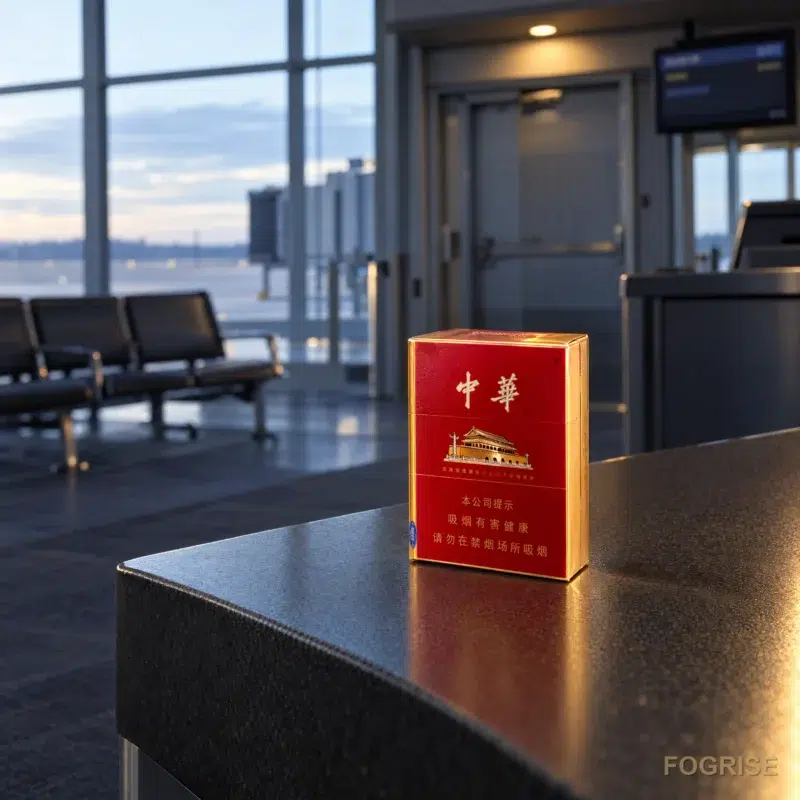
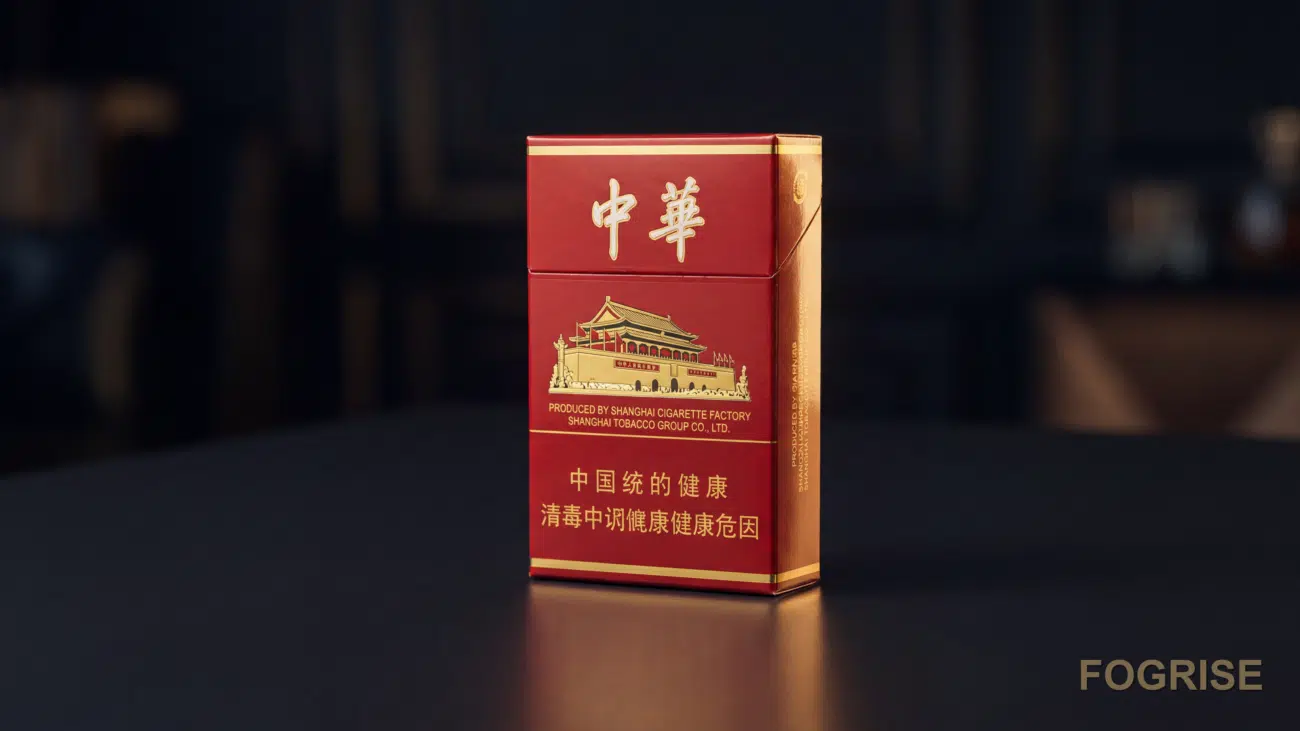
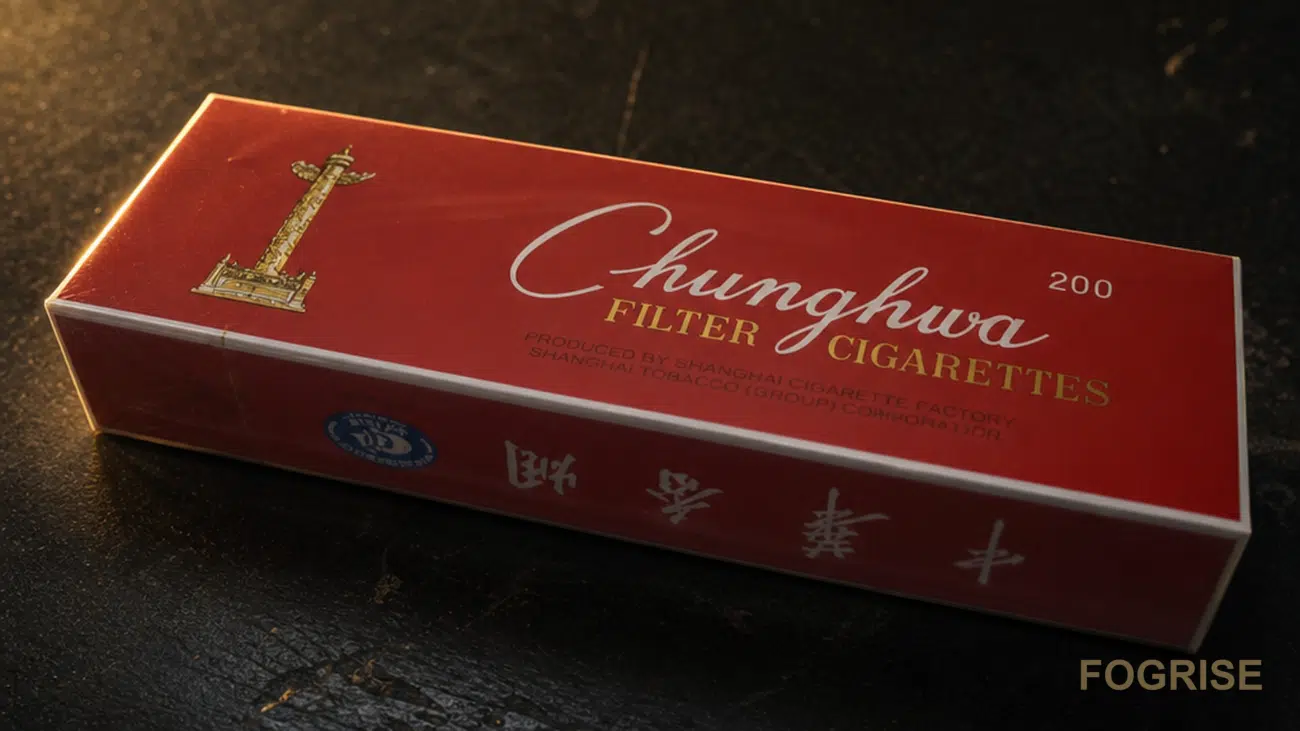
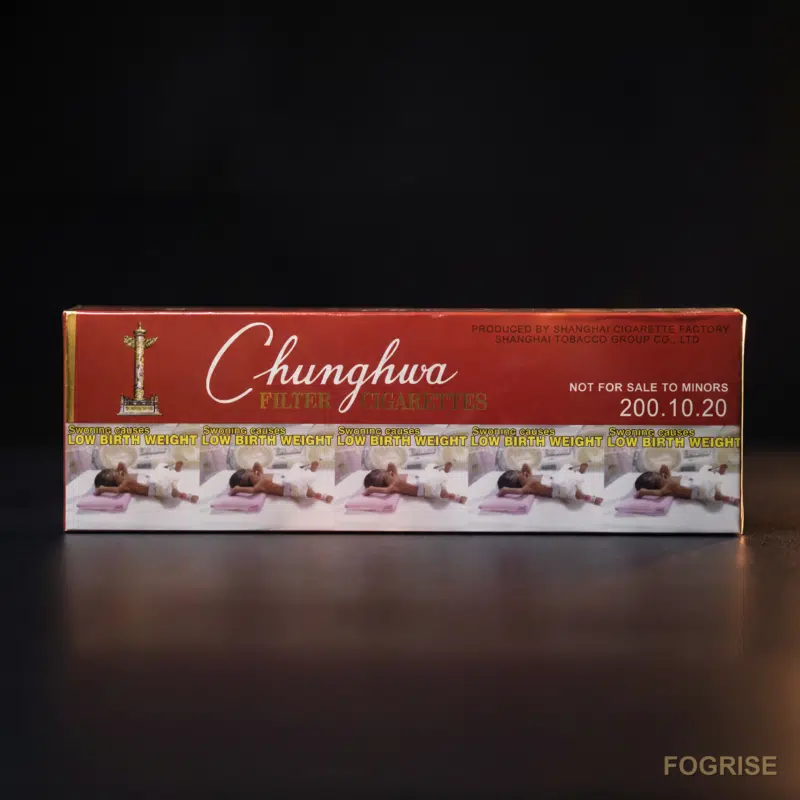
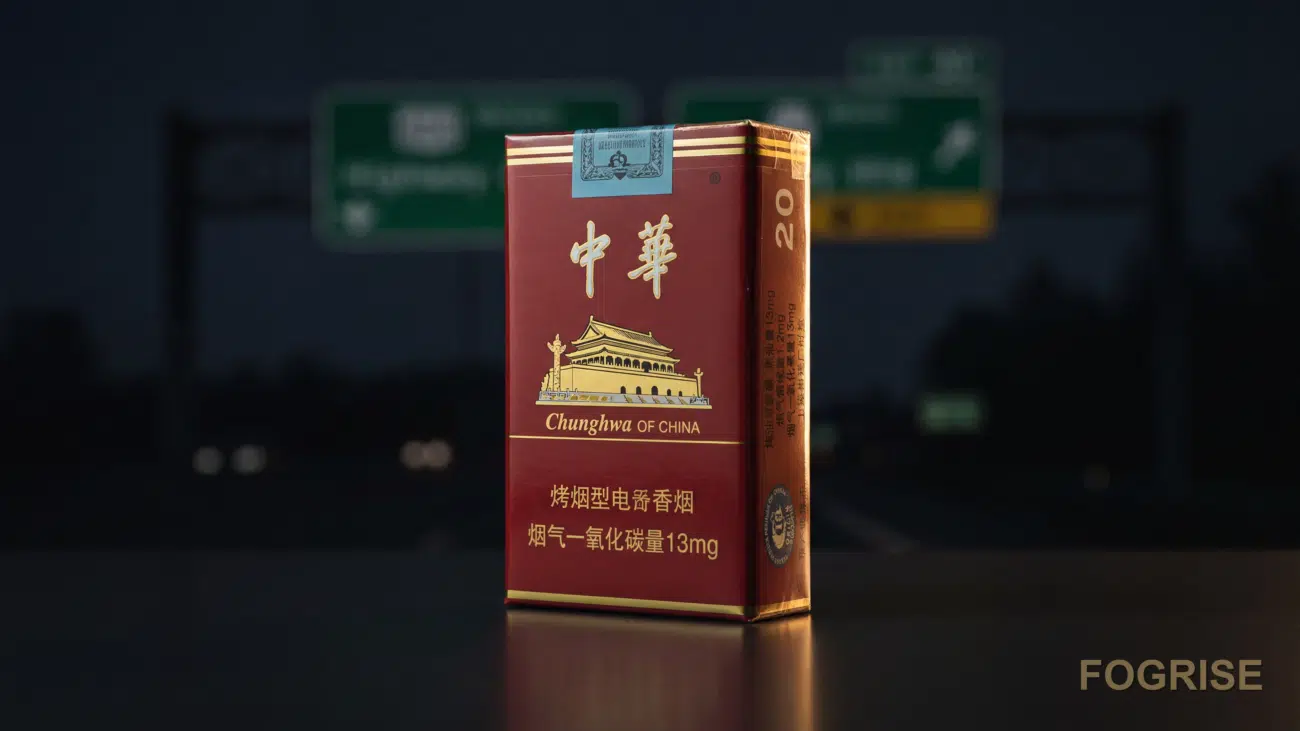
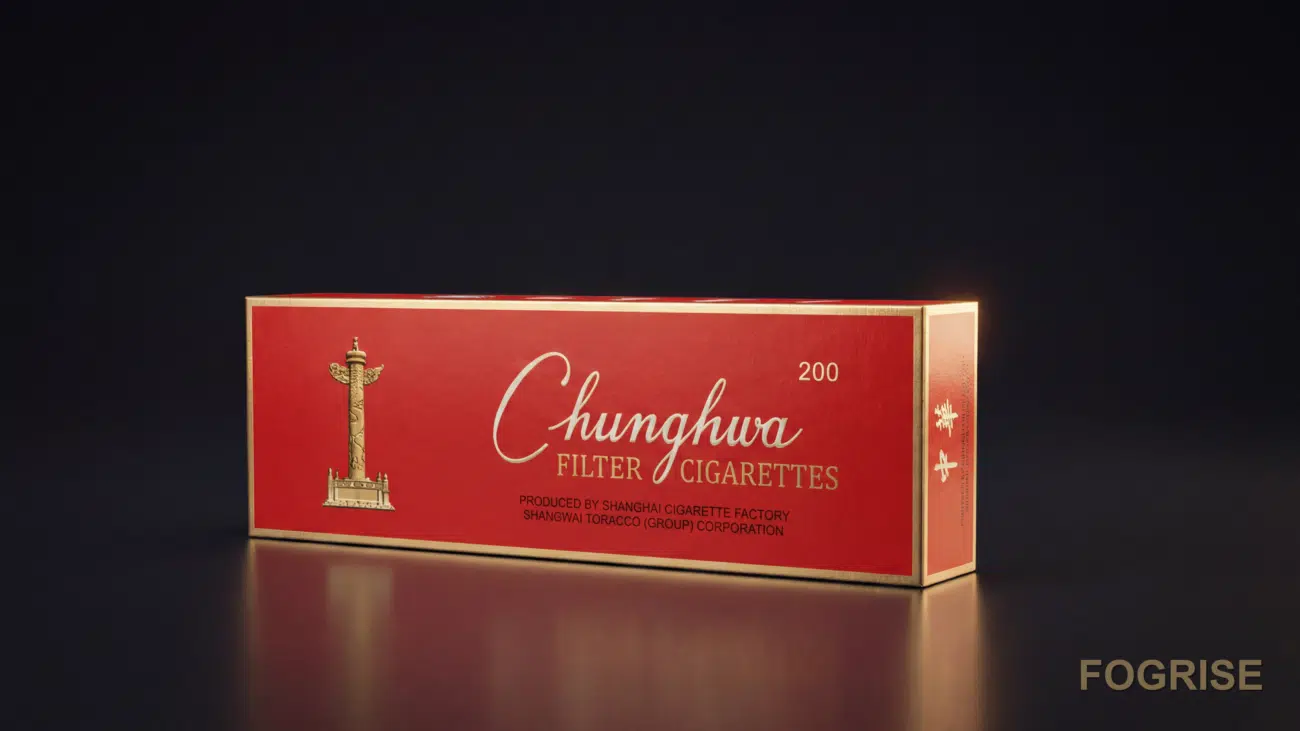
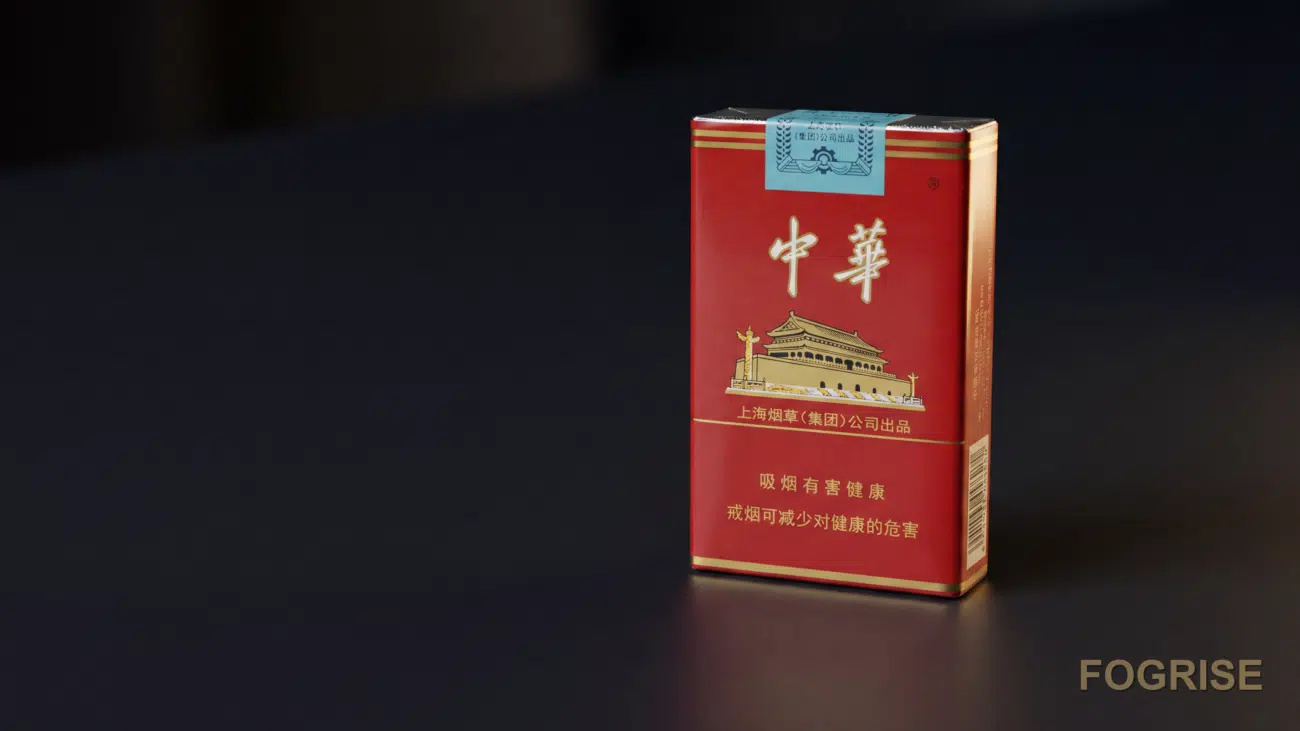
Chunghwa (中华). The prestige benchmark. Shanghai Tobacco’s flagship is the cigarette poured into ashtrays at Lunar New Year banquets in Markham and North York, slid across the table at business dinners, and gifted in red cartons. Mild, floral, low-acid. It carries social weight that few other tobacco products in the GTA approach.
Double Happiness (双喜). Scarborough’s Cantonese-origin community has kept this brand close for decades. The name 双喜 means "double joy," which is why you see it at weddings, full-month baby celebrations, and Hong Kong diaspora association events. Both full-flavour and lighter variants circulate.
Panda (熊猫). Collector-tier. Supply is limited even inside China, and a hard box reaches Toronto rarely. Mainland-origin buyers across the GTA seek it as a prestige item rather than a daily smoke. Ultra-smooth, delicate, expensive.
Worth knowing: Panda is one of the few Chinese brands where a legitimate-looking pack should raise questions, not confidence, because counterfeits exist specifically because the real thing is so scarce.
Yunyan (云烟). Aromatic Yunnan tobacco character. Popular with the Yunnan, Sichuan, and Guizhou diaspora, where the southwestern flavour profile reads as a taste of home. Multiple tiers run from Soft Red through Purple box.
Nanjing (南京). Smooth, slightly sweet, with a distinct Jiangsu character. Concentrated demand sits along the Markham-Vaughan corridor where Jiangsu-origin households cluster. Available in hard and soft box.
Liqun (利群). Clean and light. The white hard box is the form Zhejiang-origin buyers recognise instantly, and it sells primarily into that community.
Furongwang (芙蓉王). Fuller-bodied with a Hunan signature. Hunan-origin Torontonians ask for the blue and red hard-box variants by name.
| Brand | Chinese Name | Taste Profile | Tar Range | Format | GTA Community Link |
|---|---|---|---|---|---|
| Chunghwa | 中华 | Mild, floral, low-acid | 10-11 mg | Soft-box, hard-box | Markham/North York (prestige/gifting) |
| Double Happiness | 双喜 | Full-flavour, smooth | 10-13 mg | Soft/hard-box | Scarborough (Cantonese diaspora) |
| Panda | 熊猫 | Ultra-smooth, delicate | 8-10 mg | Hard-box | GTA wide (collector/Mainland) |
| Yunyan | 云烟 | Aromatic, rich Yunnan | 9-12 mg | Multiple tiers | Yunnan/Sichuan/Guizhou communities |
| Nanjing | 南京 | Smooth, slightly sweet | 10-11 mg | Hard/soft-box | Markham/Vaughan (Jiangsu) |
| Liqun | 利群 | Light, clean | 8-10 mg | Hard-box (white) | Zhejiang-origin buyers |
| Furongwang | 芙蓉王 | Fuller-bodied | 11-12 mg | Hard-box (blue/red) | Hunan-origin Torontonians |
Tar/nicotine ranges are factory-reported domestic figures. All tobacco products are harmful regardless of stated tar level.
Toronto’s Chinese-Canadian Community and Demand
The demand for Toronto Chinese cigarettes has a structural base. One of the largest overseas Chinese populations in the world lives here, spread across Scarborough, North York, downtown Chinatown, and the Markham corridor (Statistics Canada, 2021 Census).
A peer-reviewed field study published in Tobacco Induced Diseases sharpens the picture. Mao and colleagues interviewed 22 Chinese-Canadian male smokers in Toronto and identified two recurring sourcing channels: bringing cigarettes back during trips to China (traveller-import), and online purchasing from sellers based outside Canada (Mao et al., 2017). Both channels operate outside the licensed Ontario tobacco retail system, which is the regulatory point that matters for any Toronto resident weighing their options.
Cultural demand is the other half of the explanation, and Toronto’s pattern sits inside a broader national one that our Canada-wide guide traces in more detail. Chunghwa appears at Lunar New Year banquets in Markham and North York the way certain wines appear at Western holiday dinners, signalling respect to elders and recognition between business hosts. Double Happiness is named for the 囍 character used at weddings, which is why Cantonese-origin Scarborough households reach for it during marriages, anniversaries, and full-month celebrations. Yunyan reads as home-province tobacco for southwestern China diaspora. Nanjing carries Jiangsu identity for households along the Markham-Vaughan corridor. These are inherited preferences, carried over from province to suburb, not brand campaigns invented for the diaspora market.
A smaller but real layer sits on top: collector demand, particularly for Panda and limited Chunghwa editions, which extends beyond the diaspora and pulls in buyers who treat Chinese tobacco the way some people treat Cuban cigars or single-cask whiskies. A 2018 CBC investigation documented the national scale of the grey-market tobacco economy and confirmed that British Columbia and Ontario both host meaningful informal supply chains for Chinese-origin cigarettes, alongside the better-known contraband categories.
The demand is real, culturally grounded, and concentrated in specific GTA neighbourhoods for specific historical reasons. None of that changes the underlying health reality. Health Canada’s position, the Ontario Ministry of Health’s position, and the World Health Organization’s position are unchanged: cigarette smoking causes cancer, cardiovascular disease, and chronic respiratory disease, and there is no exposure level considered safe. Light tar figures printed on Chinese domestic packs do not change that risk profile. This guide exists so adults already making this choice can make it with accurate information about brands, community context, and Ontario law. It is not a recommendation to start smoking, and it is not a suggestion that culturally familiar cigarettes are somehow safer than any other kind.
Ontario Law in Toronto: Smoke-Free Ontario Act and City Rules
Toronto residents sit under three overlapping tobacco regimes: federal Canadian law, the provincial Smoke-Free Ontario Act, 2017, and the City of Toronto’s municipal smoking bylaws. The combined effect is one of the stricter retail and consumption environments in North America. Knowing the rules is part of buying or smoking responsibly in the city.
1. Minimum age is 19. Section 3 of the Smoke-Free Ontario Act, 2017 sets the legal age to purchase, possess, or be supplied with tobacco at 19, higher than the federal minimum of 18 (Government of Ontario, 2017). Toronto retailers verify age aggressively because municipal inspectors run compliance checks; failed checks carry fines for both the clerk and the licence holder.
2. Retail display ban. No tobacco product may be displayed or advertised in any Toronto retail location. Cigarettes are stored behind opaque cabinet doors or in dispensing units that open only at the moment of sale. Promotional signage, price boards visible from outside the counter, and product packaging visible to customers are all prohibited under the SFOA and complementary federal Tobacco and Vaping Products Act provisions.
3. Plain packaging is federally mandated. Canada implemented standardised tobacco packaging through SOR/2019-107, the Tobacco Products Regulations (Plain and Standardized Appearance), in 2019. Every legal pack sold in Toronto carries a uniform drab-brown package, a standardised font, the brand name without logos, and bilingual English-French graphic health warnings covering 75 percent of the principal display area. A pack without these features is not a legal Canadian retail product.
4. Smoke-free public spaces are extensive. The City of Toronto Municipal Code Chapter 709 layered on top of the SFOA prohibits smoking in enclosed workplaces, enclosed public places, restaurants and bars including their patios, sports fields, playgrounds, public swimming pools, and within 9 metres of any entrance to a publicly owned building. Most City of Toronto parks are smoke-free under the bylaw, with limited exceptions posted on site.
5. Enforcement is municipal. The front-line here is Toronto Public Health’s tobacco enforcement unit, not provincial inspectors. They run retail compliance sweeps, respond to complaints, and write Provincial Offences Act tickets. If a Scarborough convenience store fails an age-check audit, the fine lands on the store, not the province.
6. There is no licensed online tobacco channel in Ontario. The province does not operate a licensed online retail framework for tobacco. Provincial licences are issued for physical retail locations only. Any online seller delivering tobacco to a Toronto address is operating outside the Ontario retail licensing regime, and the buyer carries the compliance and Customs risk on importation.
These rules change. Plain-packaging regulations have been amended twice since 2019. Municipal smoke-free zones have expanded in most years since the bylaw was first passed. Always verify current Ontario tobacco rules at ontario.ca/tobacco and Toronto’s municipal smoking bylaws at toronto.ca.
Toronto Pearson and CBSA: Import Rules for Returning Travellers
Most adult tobacco arrivals into Toronto come through one place: Pearson International. The Canada Border Services Agency runs a uniform federal regime there, layered on top of Ontario’s provincial tax. If you plan to bring Chinese cigarettes back from a trip to Beijing, Shanghai, or Hong Kong, the rules below decide whether you walk through with a duty-free allowance or hand the bag to a secondary-inspection officer.
The personal exemption is the headline. Adults who meet both the federal minimum age of 18 and the Ontario minimum of 19, and who have been outside Canada for 48 hours or more, may bring back 200 cigarettes, 50 cigars, 200 grams of manufactured tobacco, and 200 tobacco sticks duty-free on a single entry (Canada Border Services Agency, 2024). The allowance must be declared on the E311 card or the primary kiosk. Undeclared product is not "forgotten"; it is contraband the moment you walk past the line.
Anything over the allowance does not get waved through. The carton sitting at position 201 attracts federal excise duty, Ontario provincial tobacco tax at 18.475 cents per cigarette, and 13% HST on the combined value. A second carton of Chunghwa or Yunyan can add forty Canadian dollars or more in duty and tax before HST is even calculated.
Mail and courier shipments to Toronto sit in a stricter bucket. There is no personal exemption on inbound international tobacco; the full federal-plus-provincial-plus-HST stack applies on arrival, and Canada Post restricts most inbound international tobacco mail outright. A "gift" declaration on a customs form does not change the tax treatment for tobacco products.
| Scenario | Duty/Tax Applied | Exemption? | Notes |
|---|---|---|---|
| Returning through Pearson (48h+, within 200-cig limit) | None (declared) | Yes | CBSA personal allowance |
| Returning through Pearson (over 200 cigarettes) | Federal excise + Ontario tax + HST | Partial | First 200 cigarettes free |
| Mail/courier shipment to Toronto | Full excise + Ontario tax + HST | No | Canada Post restrictions apply |
| Undeclared at Pearson | Seizure + penalties possible | N/A | CBSA enforcement |
| Commercial import (unlicensed) | Illegal | N/A | Excise Act 2001 |
CBSA’s Southern Ontario Region, which covers Pearson plus the Niagara, Windsor, and Sarnia land crossings, reported seizing 748,559 kilograms of tobacco between January 1 and October 31, 2025. That figure is regional enforcement activity, not Pearson alone, but it sets the expectation: officers in this corridor are actively looking at tobacco volumes that exceed personal-use thresholds, and travellers carrying multiple cartons should expect secondary screening.
In practice, a traveller who declared two cartons of Chunghwa at primary inspection is referred to secondary, where an officer calculates the excise plus Ontario tax plus HST owing on the 200 cigarettes above the exemption. Payment is settled on the spot, and the cigarettes leave with the traveller. A traveller who did not declare is in a different conversation: seizure is the floor outcome, and CBSA may apply administrative monetary penalties depending on quantity, intent, and history.
Verify current allowances and duty rates at cbsa-asfc.gc.ca before importing tobacco through Toronto Pearson.
Ontario Tobacco Tax: What Toronto Buyers Pay
Toronto buyers do not pay a city-level tobacco tax. They pay Ontario’s provincial tobacco tax, the federal excise duty, and Ontario HST. Three lines, all layered on top of the manufacturer or import price. Understanding each line is the difference between a sticker shock at the till and an informed purchase.
Ontario’s provincial tobacco tax sits at 18.475 cents per cigarette as of 2025 (Government of Ontario, Ministry of Finance, 2024). On a standard pack of 20, that is $3.70 in provincial tax alone, before any other layer. On a carton of 200, the provincial line is $36.95. This rate is the same in downtown Toronto, North York, Scarborough, and Etobicoke; Ontario administers tobacco tax province-wide, not by municipality.
Federal excise duty is the second line. The 2023 federal budget introduced an automatic annual escalator that lifts the rate each April 1 in step with the Consumer Price Index, with two additional ad-hoc increases since. The effective excise on a carton of 200 cigarettes for 2024 to 2025 sits in the range of roughly $8.67 to $9.23, depending on the specific increase cycle and inventory at the wholesaler. Treat this figure as illustrative; the canonical rate of the day is published by the Canada Revenue Agency.
The third line is HST. Ontario’s harmonized sales tax applies at 13% to the cigarette purchase price plus the provincial tobacco tax. HST therefore compounds against the provincial layer, not just the base price, which is why a $130 carton at the till is more than the sum of its visible components.
| Tax Component | Rate | Per Pack of 20 | Per Carton of 200 |
|---|---|---|---|
| Ontario Provincial Tobacco Tax | 18.475 cents per cigarette | $3.70 | $36.95 |
| Federal Excise Duty | ~$8.67 to $9.23 per 200 sticks (2024 to 2025 est.) | ~$0.87 to $0.92 | ~$8.67 to $9.23 |
| Ontario HST | 13% on purchase price + provincial tax | variable | variable |
A worked example for a Toronto buyer makes the structure concrete. Suppose a corner retailer in Scarborough offers a carton of a legal domestic brand at an all-in price of $135. The Ontario tobacco tax embedded in that price is $36.95. The federal excise is roughly $9 at the high end of the 2024 to 2025 band. The base wholesale-plus-margin component is therefore in the range of $76, and the HST on the taxable subtotal explains the remainder. For Chinese-brand cigarettes legally imported with full duty paid, expect the tax stack to behave the same way; the difference shows up in the base price the retailer charges, not in the tax lines.
What changes the math is the federal escalator, which moves on the calendar rather than on a negotiated cycle. A Toronto buyer who priced a carton in March may find the same carton 50 to 80 cents more in April for federal excise reasons alone, before any provincial change. Plan purchases around the April 1 reset if cost matters.
Federal excise escalates annually. Verify current rates at canada.ca before purchasing.
Toronto’s Grey Market and Counterfeit Chinese Cigarettes
A guide to Toronto Chinese cigarettes that ignores the grey market is dishonest. The Greater Toronto Area has a documented contraband and counterfeit footprint, and Chinese-brand cigarettes sit inside it.
Start with the federal numbers. CBSA’s Southern Ontario Region seized 748,559 kilograms of tobacco between January 1 and October 31, 2025, across Pearson and the land crossings that feed the GTA (Canada Border Services Agency, 2025). That is approximately ten months of enforcement activity in a single regional bucket, and it represents intercepted volume, not total flow. Most contraband entering Toronto is domestic illicit-manufacture product, but a non-trivial share is foreign-origin including Chinese-brand counterfeits.
The September 2025 Vancouver interception (announced by CBSA in October 2025) illustrates the supply pattern. CBSA officers opened a marine container declared as "electric fans" and recovered roughly $2.2 million in Chinese cigarettes destined for distribution. Vancouver is the seaport; the GTA is one of the destinations. Toronto retailers, both legitimate and grey, sit inside that distribution graph whether they intend to or not.
The 2025 Global Organized Crime Index named Pacific Mall in Markham, immediately north of the Toronto city limit and inside the GTA’s daily catchment, as a grey-market hub for counterfeit goods including cigarettes. Pacific Mall is not the only such venue, but it is the most-cited, and it is geographically and culturally close to the Chinese-Canadian buyer base for whom Chinese-brand cigarettes are familiar.
Academic work corroborates the demand side. Mao and colleagues, working in Toronto in 2017, documented Chinese-Canadian smokers who obtained cigarettes through informal community-resale channels at roughly $8 to $9 per pack, versus a China domestic retail price in the $3 to $4 range. That gap is what drives the grey market. It is also what makes counterfeit product indistinguishable from genuine for a non-expert buyer standing at the counter.
What does a Toronto-market counterfeit Chinese cigarette look like? Five visible tells repeat across CBSA, RCMP, and academic descriptions: missing bilingual English-French health warnings on the pack, absent or low-quality CBSA excise stamps, blurry or mis-coloured CNTC holograms on the inner foil, inconsistent tobacco fill or character between sticks in the same pack, and packaging glue or foil seams that show factory-second quality. None of these is conclusive in isolation, but two or three together is a credible counterfeit signal.
None of this is a reason to avoid Chinese cigarettes entirely. It is a reason to verify where they came from. Counterfeit cigarettes may contain unregulated additives, including elevated heavy metals and undisclosed flavouring agents, that genuine CNTC state-monopoly product does not. Adult buyers in the GTA should purchase from verifiable sources, such as our online shop, and check the pack for Canadian bilingual health warnings and a CBSA excise stamp before opening it.
Buying Chinese Cigarettes Online in Toronto
Online is the channel where most adult buyers actually source Toronto Chinese cigarettes today, and it is also where the regulatory picture is least understood. Ontario does not licence online tobacco retailers in the same way it licences brick-and-mortar tobacconists; that does not make every online purchase illegal, but it shifts the compliance burden onto the buyer under the Smoke-Free Ontario Act and the federal Customs Act (Government of Ontario, 2017). The buyer, not the seller, carries the legal exposure when a non-compliant shipment lands in Toronto.
Mao and colleagues (2017) found Toronto Chinese-Canadian smokers using online channels as a primary sourcing route. Their interview cohort cited Mandarin-language storefronts, family-and-friend referral lists, and informal WeChat sellers. Many of those storefronts were unverified, with no age-gate beyond a click-through checkbox and no excise-stamp guarantee at the destination.
What separates a compliant online retailer from a grey-market one is observable from the public-facing checkout flow. Compliant retailers demand upload-based age verification, not a checkbox; they disclose Canadian duty and Ontario tax treatment in plain language at the cart; they ship declared, with the customs form filled out as tobacco rather than mis-labelled as a gift or "fans"; and they issue a proper invoice that names the Canadian importer of record. Grey-market storefronts skip one or more of those steps and rely on the buyer to absorb the regulatory risk.
The HST question on online tobacco is its own small trap. Ontario HST applies to online tobacco purchases destined for an Ontario address whether the retailer collects it at checkout or not. Some legitimate retailers do collect; others leave it for the buyer to settle at customs. The tax is owed either way, and a low-priced storefront that does not show HST in the cart total is not actually offering a discount; it is offering a deferred bill.
xiangyandd is an age-verified international retailer for adults 19+. You can browse our selection or contact us with questions about a specific Chinese brand, packaging variant, or shipping question for the Toronto and broader Ontario market.
For a broader provincial overview, see our Ontario Chinese cigarettes guide, which covers the full provincial framework that underpins everything in this Toronto guide.
Tobacco use carries serious health risks, including cancer, cardiovascular disease, and respiratory illness, regardless of country of origin or brand. This article is informational; it is not medical or legal advice. Verify current federal and Ontario laws, age requirements, and tax rates at cbsa-asfc.gc.ca, canada.ca, and ontario.ca before any purchase decision.
Frequently Asked Questions
Can you buy Chinese cigarettes legally in Toronto?
Chinese cigarette brands are not available in licensed Toronto or Ontario tobacco retailers. Adults 19 and over in Toronto can access them through international online retailers that ship to Canada and comply with CBSA age-verification requirements, or by importing within the personal CBSA allowance when returning from travel. Selling tobacco from an unlicensed source is an offence under the Smoke-Free Ontario Act.
Where can I find Chunghwa cigarettes in Toronto?
Chunghwa is not stocked by any licensed Toronto retailer. Adult buyers in Toronto can purchase through compliant international online retailers, and xiangyandd carries Chunghwa for verified adults 19+. Buyers are responsible for any applicable CBSA duties. Informal grey-market sources in Scarborough or Markham carry significant counterfeit risk; Southern Ontario CBSA seized over 748,000 kg of tobacco in 2025 alone.
Is it legal to bring Chinese cigarettes into Canada from China?
Yes, within limits. Adults returning to Canada after 48 or more hours abroad may bring up to 200 cigarettes duty-free (declared at CBSA). Amounts above the allowance attract federal excise duty, Ontario provincial tobacco tax, and HST. Commercial quantities without an excise licence are illegal. Verify current CBSA rules at cbsa-asfc.gc.ca before travelling.
How many cigarettes can you bring into Canada duty-free?
Adults returning to Canada after a trip of 48 hours or more may bring up to 200 cigarettes (one carton of 10 packs), 50 cigars, 200 grams of manufactured tobacco, and 200 tobacco sticks duty-free, provided these are declared on arrival. Amounts above the personal exemption incur federal excise duty, Ontario’s 18.475-cent-per-cigarette provincial tax, and 13% HST.
Why are Chinese cigarettes not sold in Toronto stores?
Chinese mainland cigarette brands are not distributed through Canada’s regulated domestic tobacco wholesale or retail system. Licensed retailers carry only products that have paid Canadian excise duty and meet bilingual health-warning and plain-packaging requirements. Chinese manufacturers (CNTC subsidiaries) do not export through Canada’s licensed channels, so the brands never reach official retail shelves.
Are Chinese cigarettes stronger than Canadian cigarettes?
Factory-reported tar figures for Chinese brands range from roughly 8-13 mg, overlapping with international brands. Chunghwa is toward the milder end; Furongwang somewhat fuller. However, ISO-method factory yields do not predict actual human exposure. Health Canada and WHO both note that no tar or nicotine figure changes the core health risks of tobacco.
Can I order Chinese cigarettes online to Toronto?
International online retailers can ship Chinese cigarettes to Toronto. Buyers are responsible for any CBSA duties, Ontario provincial tobacco tax, and HST. Canada Post restricts most inbound international tobacco mail, so courier services are the typical route. Choose retailers with documented upload-based age verification and declared shipping. xiangyandd ships to adult buyers 19+ in Ontario.
What is the legal smoking age in Ontario?
The minimum age to purchase tobacco in Ontario is 19, as set by section 3 of the Smoke-Free Ontario Act, 2017. This is higher than the federal Tobacco and Vaping Products Act floor of 18. All Toronto retailers must verify age. xiangyandd recommends 21 as a conservative minimum consistent with U.S. norms, regardless of local legal minimums.
Conclusion
Toronto is where Chinese cigarette demand in Canada runs deepest, a direct result of the GTA being home to one of the world’s largest overseas Chinese communities. Chunghwa, Double Happiness, Yunyan: these brands carry real cultural weight in Scarborough, Markham, and Chinatown. Adult buyers deserve to understand both what they are and what the law says about them. Ontario’s age-19 minimum, the provincial tobacco tax stack, CBSA personal-import limits at Pearson, and the active grey market all shape what legal access looks like here. None of that changes the underlying health reality, but it does help adults make informed, lawful choices rather than defaulting to counterfeit risk.
xiangyandd carries Toronto Chinese cigarettes for verified adults 19+. Browse our shop or contact our team.
Smoking is harmful and addictive. Adults 19+ only (Ontario). Always verify your Ontario and federal tobacco import laws before purchasing.
Further Reading
If you want broader context beyond the Toronto picture, our Canada-wide Chinese cigarettes guide covers federal excise duty, plain-packaging law, and how the national market differs from regional pockets like the GTA, Vancouver, and Montreal. The companion Ontario province guide drills into provincial tobacco tax, the Smoke-Free Ontario Act, and the Ontario-specific contraband picture that shapes what Toronto buyers actually encounter. For the official rules, the Canada Border Services Agency publishes current traveller tobacco allowances and declaration requirements at cbsa-asfc.gc.ca, and Health Canada maintains free quit-smoking resources at canada.ca/en/health-canada/services/smoking-tobacco/quit-smoking.html for anyone weighing the harm side of this decision.
References
- Mao, A., Bottorff, J. L., Oliffe, J. L., Sarbit, G., & Kelly, M. T. (2017). Chinese immigrant men smokers’ sources of cigarettes in Canada: A qualitative study. Tobacco Induced Diseases, 15, 18. [https://doi.org/10.1186/s12971-017-0123-1
- CBC News. (2018, July 30). Illegal online sale of Chinese cigarettes widespread in B.C., says expert. https://www.cbc.ca/news/canada/british-columbia/bc-cigarettes-resale-china-1.4745113
- Global Initiative Against Transnational Organized Crime. (2025). Global Organized Crime Index 2025 – Canada. https://ocindex.net/country/canada](https://doi.org/10.1186/s12971-017-0123-1)
- Government of Ontario. (2017). Smoke-Free Ontario Act, 2017, S.O. 2017, c. 26, Sched. 3. Ontario e-Laws. https://www.ontario.ca/laws/statute/17s26
- Government of Ontario, Ministry of Finance. (2024). Tobacco tax. https://www.ontario.ca/document/tobacco-tax
- Canada Border Services Agency. (2024). Travellers, bringing goods to Canada: Tobacco products. Government of Canada. https://www.cbsa-asfc.gc.ca/travel-voyage/pdt-pdt-eng.html
- Government of Canada. (2023). Excise Act, 2001 (S.C. 2002, c. 22). Justice Laws Website. https://laws-lois.justice.gc.ca/eng/acts/E-14.1/
- Statistics Canada. (2022, October 26). The Canadian census: A rich portrait of the country’s religious and ethnocultural diversity. The Daily. https://www150.statcan.gc.ca/n1/daily-quotidien/221026/dq221026b-eng.htm
- Royal Canadian Mounted Police. (2023). Contraband tobacco. Government of Canada. https://www.rcmp-grc.gc.ca/en/contraband-tobacco
- World Health Organization. (2023). Tobacco [Fact sheet]. https://www.who.int/news-room/fact-sheets/detail/tobacco
- Canada Border Services Agency. (2025, December). CBSA in Ontario and Nunavut: Highlights from 2025. Government of Canada. https://www.canada.ca/en/border-services-agency/news/2025/12/cbsa-in-ontario-highlights-from-2025.html
- Canada Border Services Agency. (2025, October 24). CBSA seizes over $2.2 million in contraband cigarettes. Government of Canada. https://www.canada.ca/en/border-services-agency/news/2025/10/cbsa-seizes-over-22-million-in-contraband-cigarettes.html
Last reviewed and updated: June 2026. Author: xiangyandd editorial team. For tailored guidance, get in touch.




 English (US)
 简体中文
 Deutsch
 Français
 Español