

Blog
Chinese Cigarettes in Mississauga: Brands, Prices & 2026 Rules

Abstract
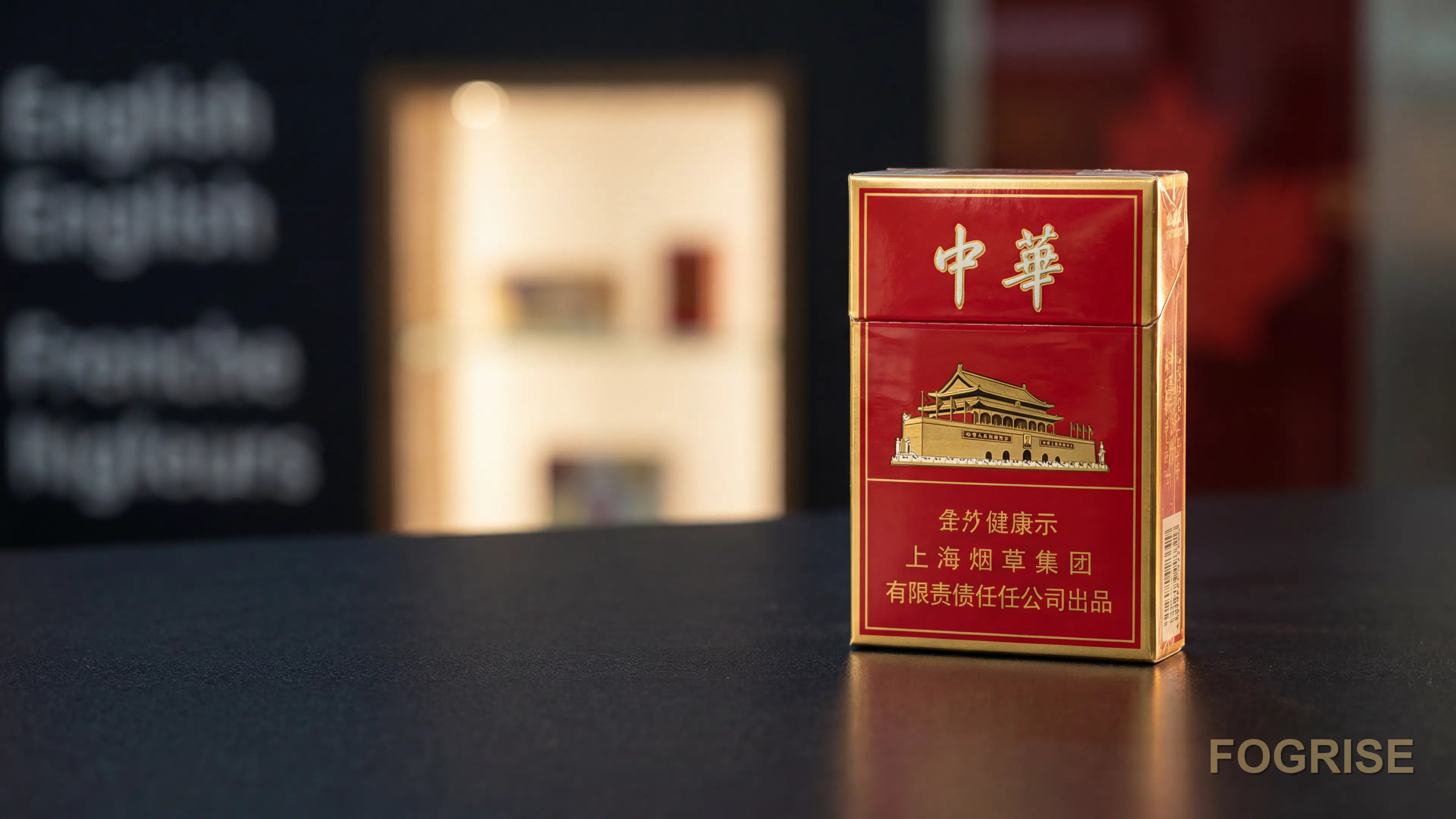
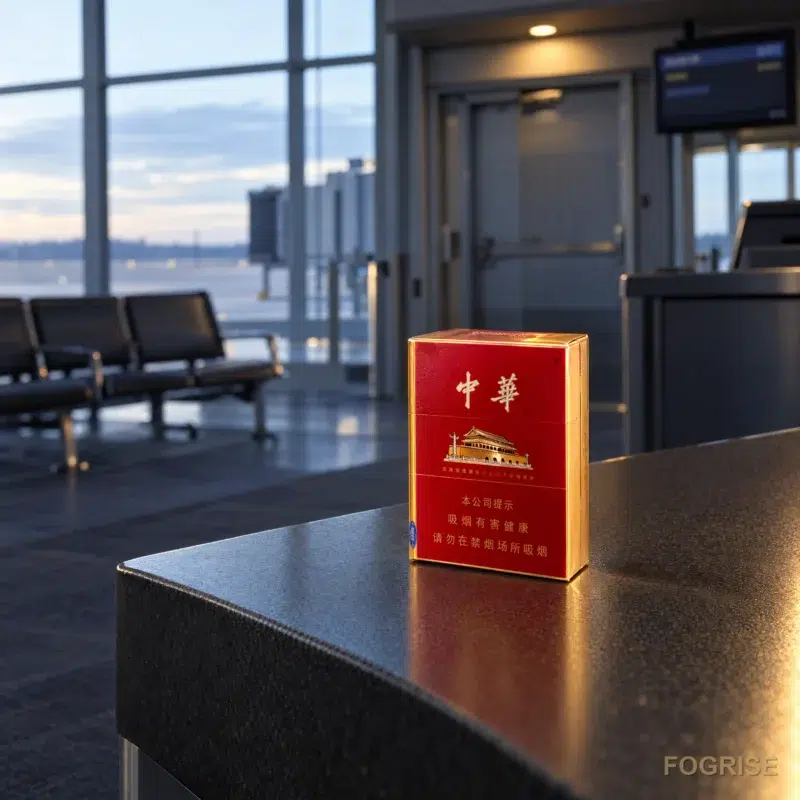
Toronto Pearson International Airport (YYZ) sits inside Mississauga, and its post-security terminals house the Dufry duty-free store that reopened in June 2025 (Hudson Group, 2025). For adult travellers looking to bring back authentic Chinese cigarette brands like Chunghwa, Furongwang, or Yuxi, that duty-free counter is the only formal legal retail channel documented in peer-reviewed Canadian tobacco research (Mao et al., 2017). Peel Region is home to one of the largest Chinese-Canadian communities in the country, and questions about where these brands can legally be purchased locally, or carried in from abroad, come up often around holidays, wedding trips, and family visits back to China.
Outside the airport, the picture narrows sharply. Chinese-domestic packs sold overseas do not carry a Canada Revenue Agency duty-paid stamp, so bringing them across the border in quantities above the CBSA personal-exemption threshold of 200 cigarettes triggers special duty and possible seizure at the port of entry (Canada Border Services Agency, 2026). Ontario’s 2026 combined federal excise plus provincial tobacco tax now pushes the landed cost of a legal carton well past CAD 38.92 in federal excise alone (Canada Revenue Agency, 2026). This guide covers Mississauga-specific channels, current price benchmarks, updated 2026 rules, and how to authenticate genuine packs at home so adult buyers know what they are actually paying for.
For adults 21+. Smoking is harmful and addictive. Tobacco laws and taxes vary by country, province, and city; verify your local regulations before purchasing. This article is informational, not legal or medical advice.
Key Takeaways
- Toronto Pearson (YYZ) sits in Mississauga. Airport duty-free is the only formal Canadian retail channel research identifies for top-tier Chinese brands (Mao et al., 2017).
- Chinese-domestic packs never carry a "duty paid Canada / droit acquitté" stamp. They attract special duty even within the 200-cigarette personal exemption (Canada Border Services Agency, 2026).
- Ontario’s 2026 tobacco tax is steep. Federal excise ~CAD 38.92 plus Ontario tax ~CAD 36.95 per carton, before 13% HST (Canada Revenue Agency, 2026).
- Legal Ontario retail cartons run roughly CAD 160 to 200 in 2026. Suspiciously cheap "Chinese cigarette" offers signal illicit product.
- Chunghwa (中华) is the most-requested brand; authenticate every pack. Adults 21+; smoking is harmful and addictive. Verify your local law.
Table of Contents
- Abstract
- Key Takeaways
- Table of Contents
- Why Adults in Mississauga Seek Chinese Cigarettes
- Chinese Cigarette Brands That Matter in Mississauga
- Is It Legal to Buy or Import Chinese Cigarettes in Mississauga?
- Toronto Pearson (YYZ) Duty-Free: Mississauga’s One Concrete Legal Channel
- The Real 2026 Price: Ontario Taxes and Mississauga Retail
- Counterfeit and Contraband Cigarettes in Peel Region
- Public-Health Reality and How to Quit in Mississauga
- Frequently Asked Questions
- Conclusion
- References
Why Adults in Mississauga Seek Chinese Cigarettes
Mississauga’s Chinese demand base is measurable, not anecdotal. Statistics Canada’s 2021 Census counts 717,961 residents in the city, with 55,350 reporting Chinese origin, about 7.8% of the population (Region of Peel Community Data Program, 2025). Across Peel Region, 25,705 residents were born in China (Region of Peel Community Data Program, 2025). That population creates steady informational demand for brands most Canadian retailers do not stock.
Peel Region’s Chinese Community
Mississauga sits at the population core of Peel. Density runs heaviest along the Hurontario corridor and around Central Erin Mills and Square One, where T&T Supermarket branches at Erin Mills Town Centre and Middle Road act as day-to-day cultural anchors. Language, remittance flows, and regular family visits keep the diaspora tightly connected to mainland consumer habits.
Peel’s Chinese community is younger and more airport-adjacent than the older, larger clusters in Markham or Richmond Hill. That geography shapes demand: many Mississauga smokers were regular buyers in China months ago, not years ago, so brand loyalty from mainland retail habits is still fresh when they arrive.
Gifting Culture and Flavour Profile
In Chinese social convention, cigarettes are a currency of respect at weddings, Lunar New Year visits, business introductions, and hospital calls. Chunghwa (中华) is the archetypal high-status gift, associated with formality and face. Peer-reviewed work on Chinese smokers documents that top-tier brands sell out at festival peaks and that diaspora demand persists after emigration, though gifting norms shift and often shrink in the Canadian setting (Mao et al., 2017). Flavour profile matters as much as ritual. Chinese top-shelf blends lean toward a rounder, less charred draw, with distinctive leaf sources and casing formulas that differ from Canadian brands sold at gas stations and convenience stores. That sensory memory drives brand-specific queries such as Chunghwa, Double Happiness, and Furong Wang, rather than generic "cigarettes near me" searches.
Returning Travellers Through YYZ
Toronto Pearson (YYZ) sits inside Mississauga, and Air Canada, Air China, and Hainan Airlines all operate direct or one-stop routes to Beijing and Shanghai. Returning travellers who bring duty-free cartons under the CBSA five-carton personal exemption often keep researching where to source the same brands once their stock runs out. Business travellers, students returning from summer visits, and family sponsors form a small but recurring cohort. The searches they run are informational, not transactional. They want to confirm brand availability, understand the Canadian federal and Ontario tax rules covered further down, and decide whether to wait for their next flight or seek a compliant local option.
Note: Informational demand does not equal legal supply. Ontario’s Tobacco Tax Act and the federal Excise Act still govern any purchase inside Canada, and unstamped product carries penalties covered in the compliance section below.
Chinese Cigarette Brands That Matter in Mississauga
Six China-domestic brands account for most of the Chinese-cigarette conversation in Mississauga in 2026: two ultra-high-end state-gift labels, two regional upper-tier favourites, and two mainstream everyday smokes. All six are made by China Tobacco subsidiaries for the mainland market, priced in yuan per carton, and are not stocked on ordinary Ontario shelves.
Chinese cigarettes in Mississauga are usually recognized by these six brand names. Below, each tier is anchored to specific mainland producers, tar and nicotine figures printed on the mainland pack, and in-China retail bands. Canadian prices are deliberately not given because retail here would depend on channel and legality, which section eight addresses.
Tier A: Ultra-High-End State-Gift Brands
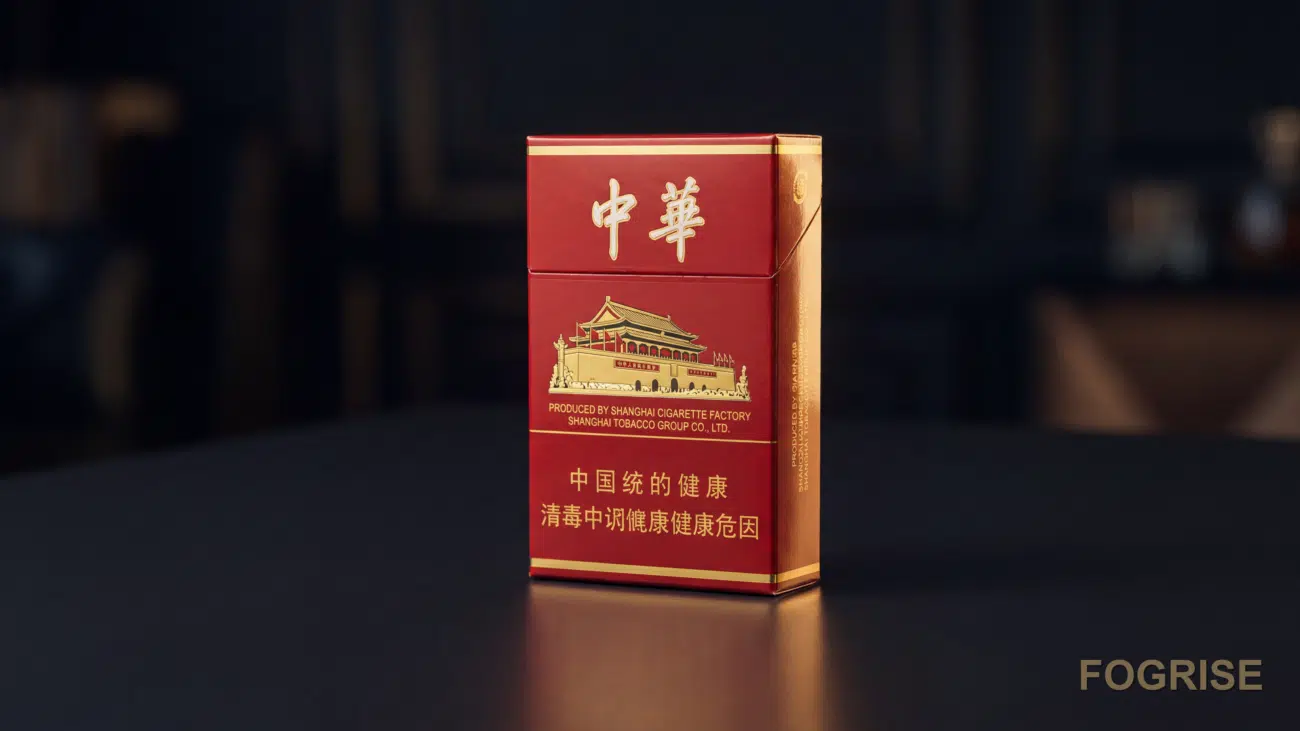
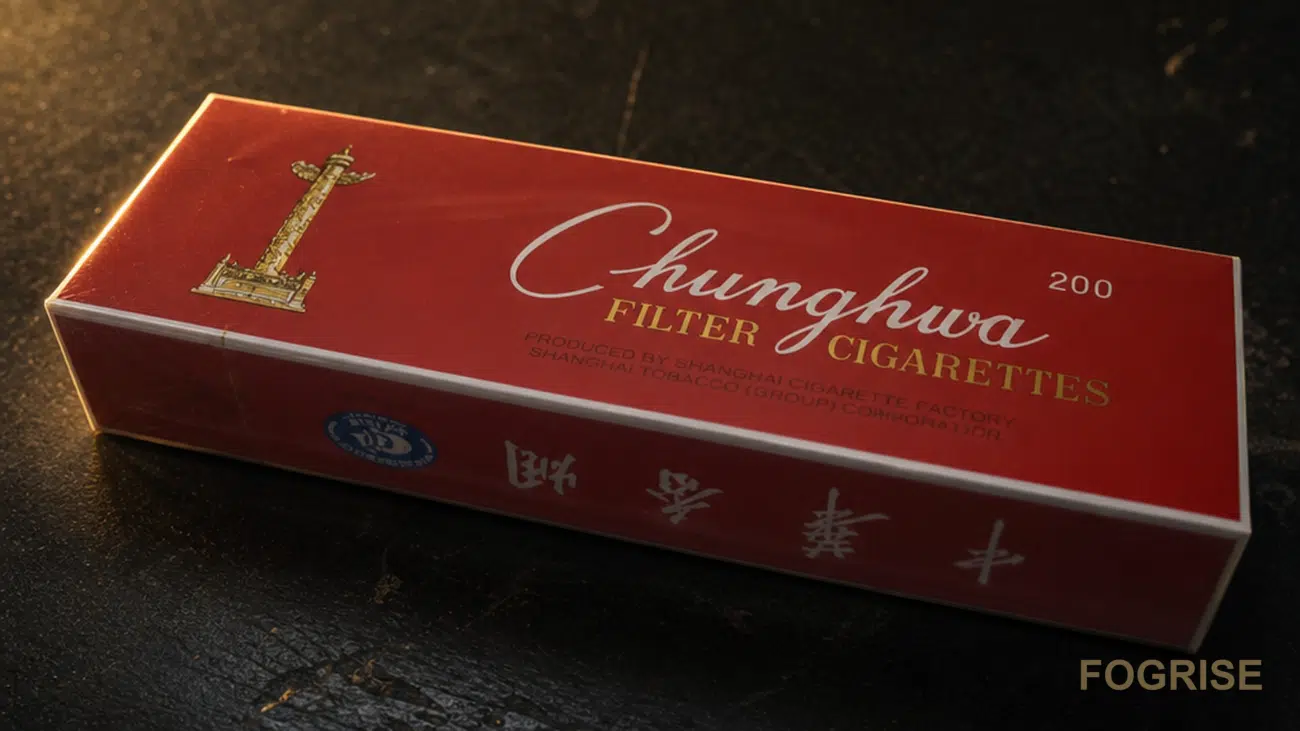
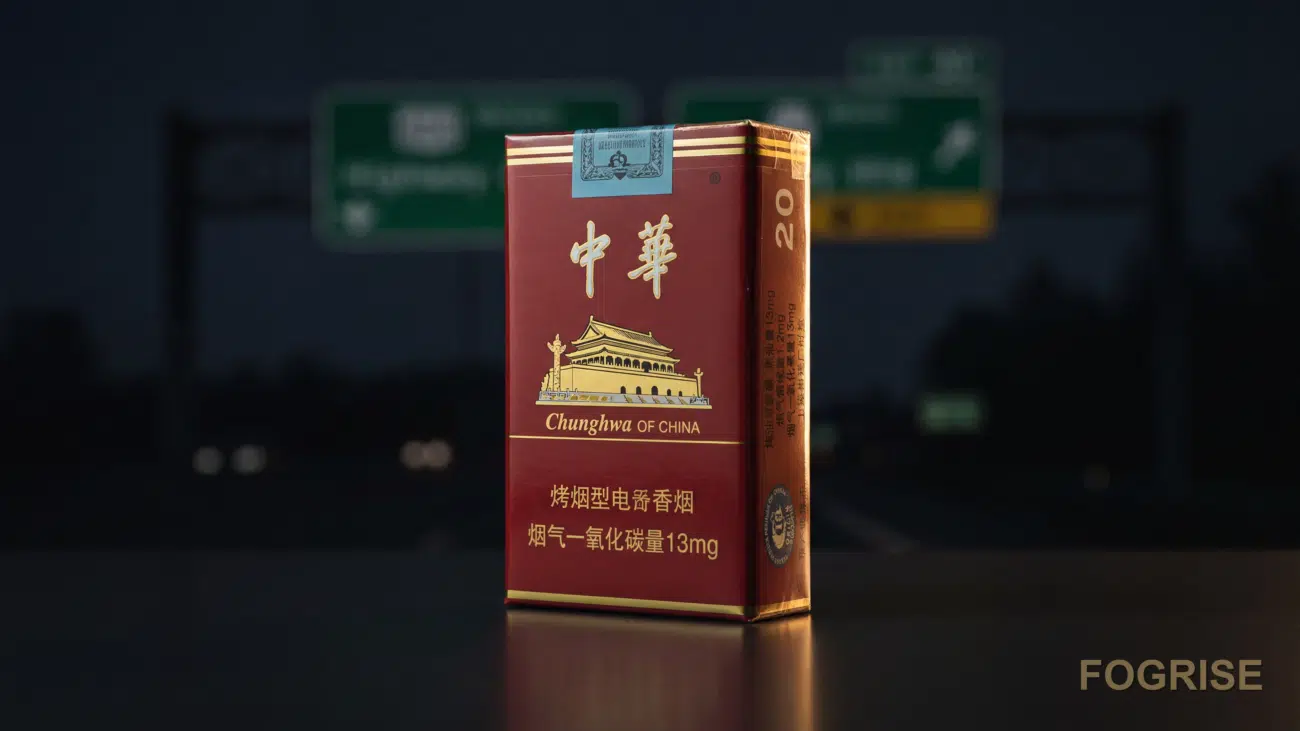
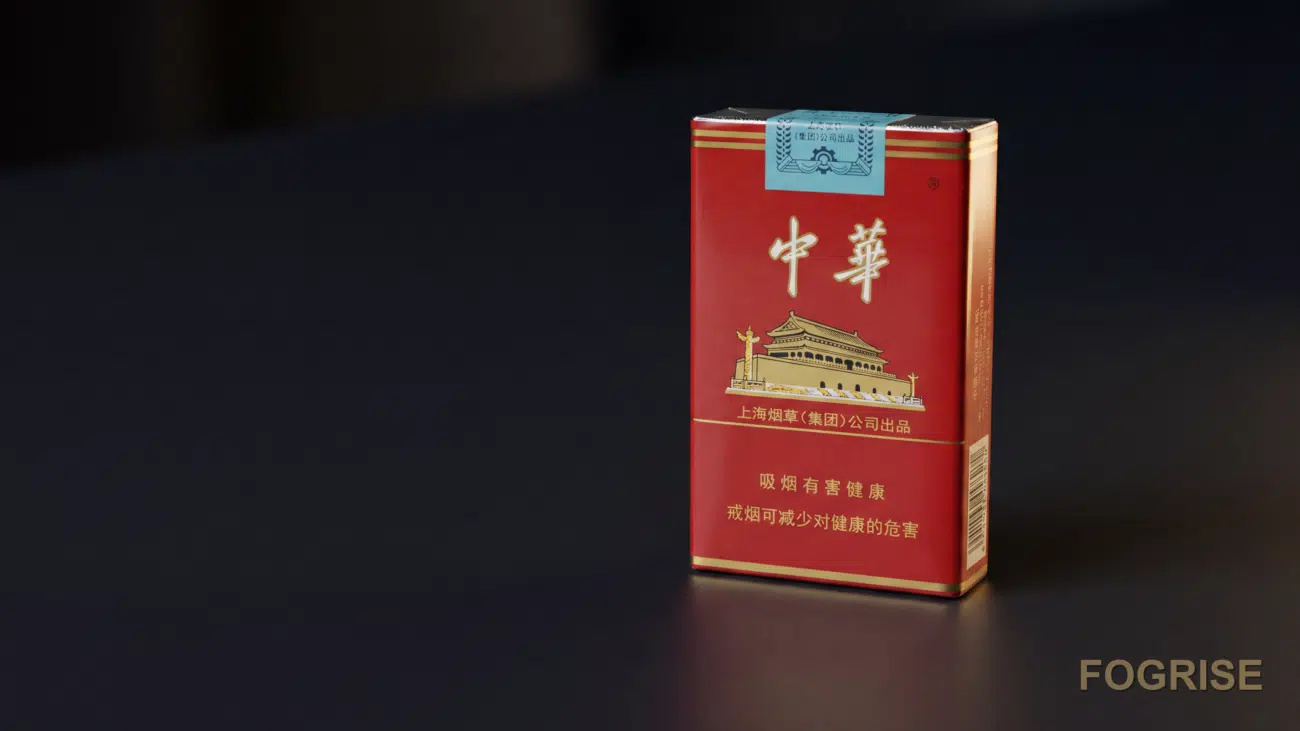
Chunghwa (中华) is the flagship of Shanghai Tobacco Group and the closest thing China has to a national gift cigarette. First launched in 1951, it appears at state banquets and formal business exchanges. In-China retail typically runs 450 to 950 yuan per carton depending on the specific line, with tar around 10 to 12 mg and nicotine 0.9 to 1.1 mg on the mainland pack.
Panda (熊猫), also from Shanghai Tobacco Group, was reportedly Deng Xiaoping’s personal brand and is produced in very limited runs. Cartons in China sit near 1000 yuan when they surface. The Deng association is why Panda holds its price against Chunghwa: what buyers actually pay for is scarcity plus political-history cachet, not blended-tobacco superiority. Tar reads 8 to 11 mg, nicotine 0.7 to 1.0 mg.
Tier B: Regional Upper-Tier Brands
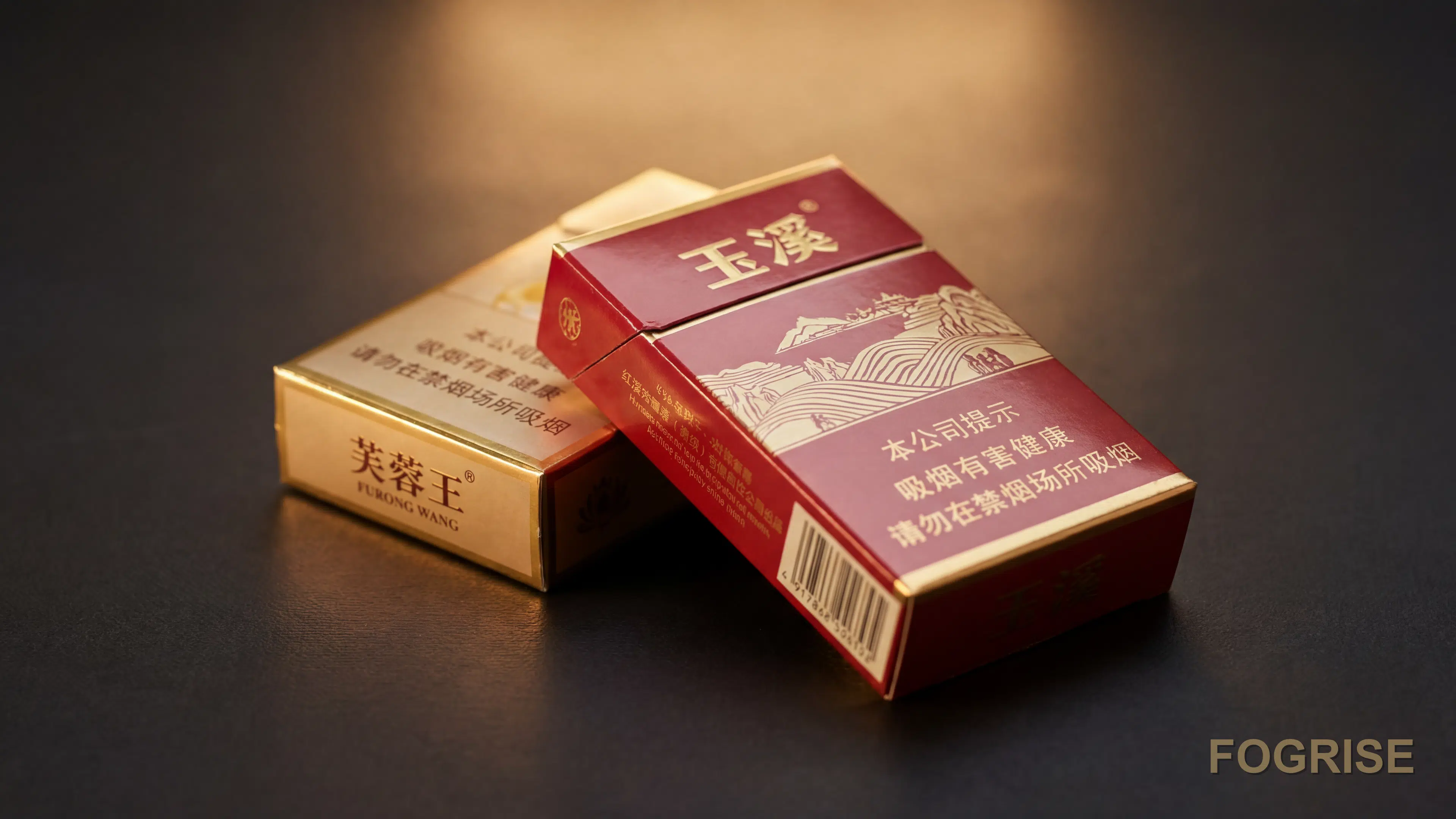
Yuxi (玉溪), from Hongta Group in Yunnan province, is the everyday step-up brand for many mainland smokers who have moved past mass brands but stop short of Chunghwa. Single-pack retail in China spans 23 to 70 yuan depending on the sub-line, with tar between 8 and 15 mg and nicotine 0.8 to 1.2 mg. In the mainland gifting hierarchy, Yuxi sits below Chunghwa but is more commonly encountered at everyday business meetings.
Furong Wang (芙蓉王), made by China Tobacco Hunan, holds the same mid-tier slot across central and southern China and is one of the top-selling upmarket brands nationally by revenue. Cartons run about 250 to 300 yuan on the mainland. Tar sits 8 to 12 mg, nicotine 0.8 to 1.1 mg.
Tier C: Mainstream and Value Brands
Double Happiness (双喜), a Guangdong Tobacco brand originally tied to wedding gifting, now spans a wide mainland band: from budget cartons near 60 yuan up to top-shelf sub-lines closer to 1000 yuan for Golden Double Happiness. Tar 10 to 13 mg, nicotine 0.9 to 1.2 mg.
Hongtashan (红塔山), another Hongta Group brand, is the mass-market Yunnan smoke that has long dominated convenience-store sales in China and remains one of the highest-volume single-brand cigarettes in the world. Cartons average around 140 yuan, with tar 10 to 13 mg and nicotine 0.9 to 1.2 mg.
| Brand (EN) | Chinese name | Tier | Tar (mg) | Nicotine (mg) | In-China retail |
|---|---|---|---|---|---|
| Chunghwa | 中华 | A | 10-12 | 0.9-1.1 | ~450-950¥/carton |
| Panda | 熊猫 | A | 8-11 | 0.7-1.0 | ~1000¥/carton |
| Yuxi | 玉溪 | B | 8-15 | 0.8-1.2 | 23-70¥/pack |
| Furong Wang | 芙蓉王 | B | 8-12 | 0.8-1.1 | ~250-300¥/carton |
| Double Happiness | 双喜 | C | 10-13 | 0.9-1.2 | ~60-1000¥/carton |
| Hongtashan | 红塔山 | C | 10-13 | 0.9-1.2 | ~140¥/carton |
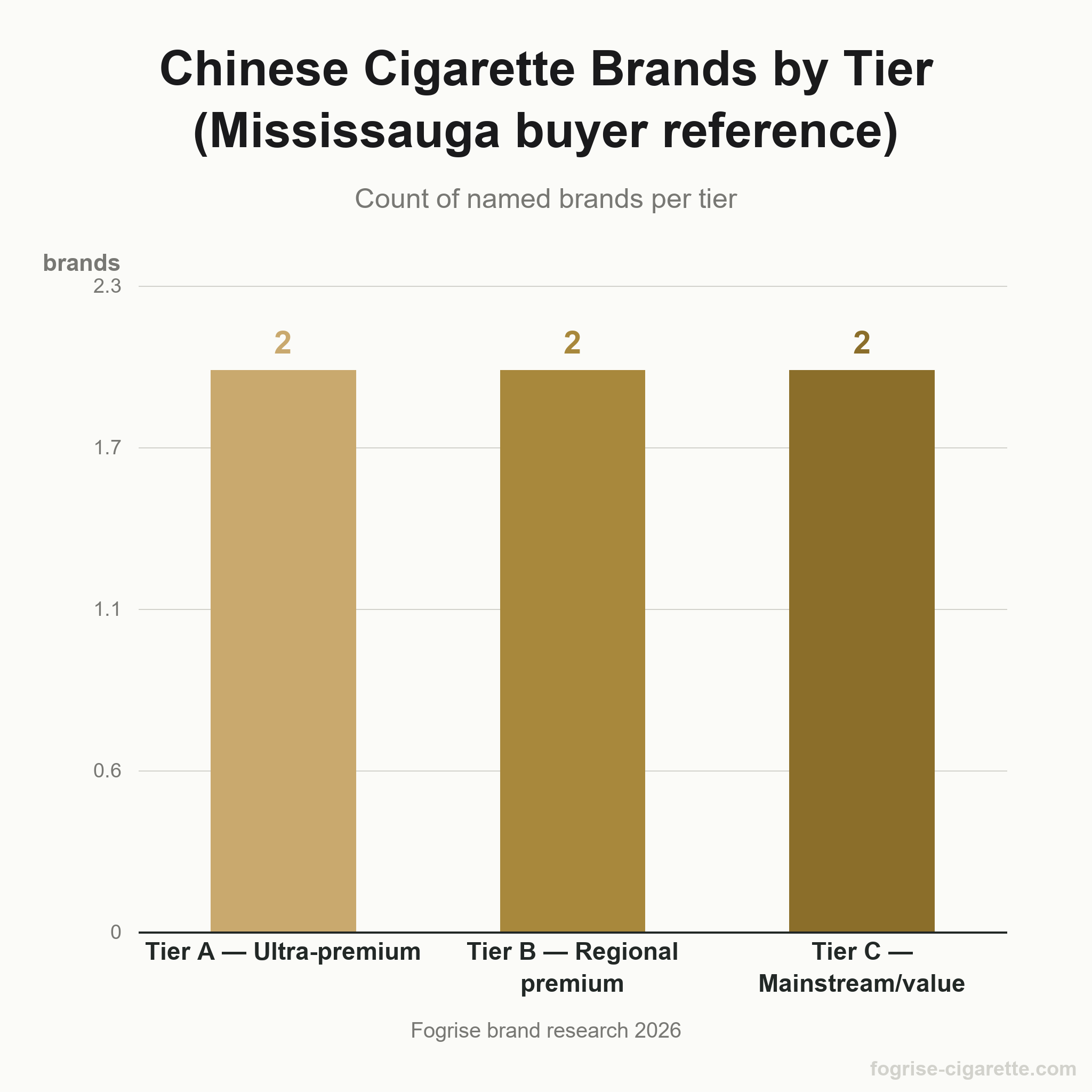
Because these are China-domestic products made for the mainland market, they do not appear at ordinary Ontario retail. Section eight of this guide covers the legality question in detail. What matters here is that when Mississauga readers ask about Chinese cigarettes, they usually mean one of these six SKUs, plus a small number of regional variants that trace back to the same three producer groups.
Is It Legal to Buy or Import Chinese Cigarettes in Mississauga?
Three layers of Canadian law shape the answer. Provincial retail rules permit sale only of duty-paid, Canada-stamped tobacco (Government of Ontario, 2026). Federal law restricts interprovincial mail-order of tobacco to consumers (Health Canada, 2026a). The clearly lawful route is a personal import within the CBSA 200-cigarette allowance and $800 goods exemption, and unstamped packs still attract a special duty at the border (Canada Border Services Agency, 2026).
Ontario Retail Rules and the Duty-Paid Stamp
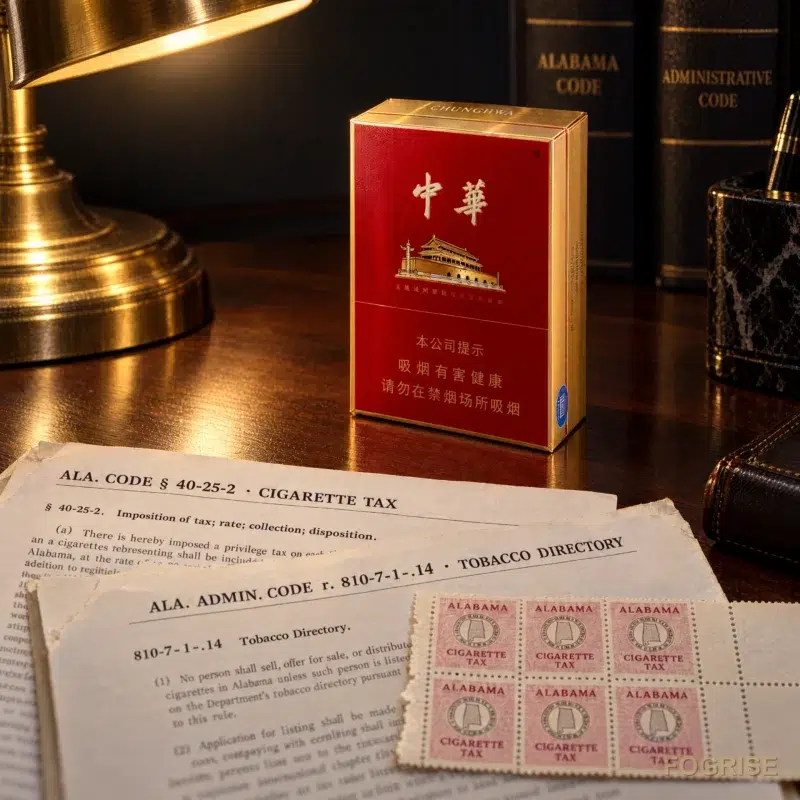
In Ontario, only tobacco bearing the federal duty-paid stamp ("duty paid Canada / droit acquitté") may be sold at retail, and every seller needs a provincial tobacco retail dealer’s permit under the Tobacco Tax Act (Government of Ontario, 2026). Chinese cigarettes printed for the mainland market do not carry that stamp. So a convenience store on Hurontario, a downtown tobacconist, or an Asian supermarket in Heartland Town Centre cannot legally shelve Chinese-domestic packs (Canada Border Services Agency, 2026) (Government of Ontario, 2026). If a shop offers them under the counter, that is a compliance issue for the shop and a tax-evasion signal for the buyer, not a lawful supply chain.
Ontario’s legal purchase age for tobacco is 19. xiangyandd sells only to adults aged 21 or older, above that floor.
Federal Rules: TVPA, Plain Packaging, and Interprovincial Mail
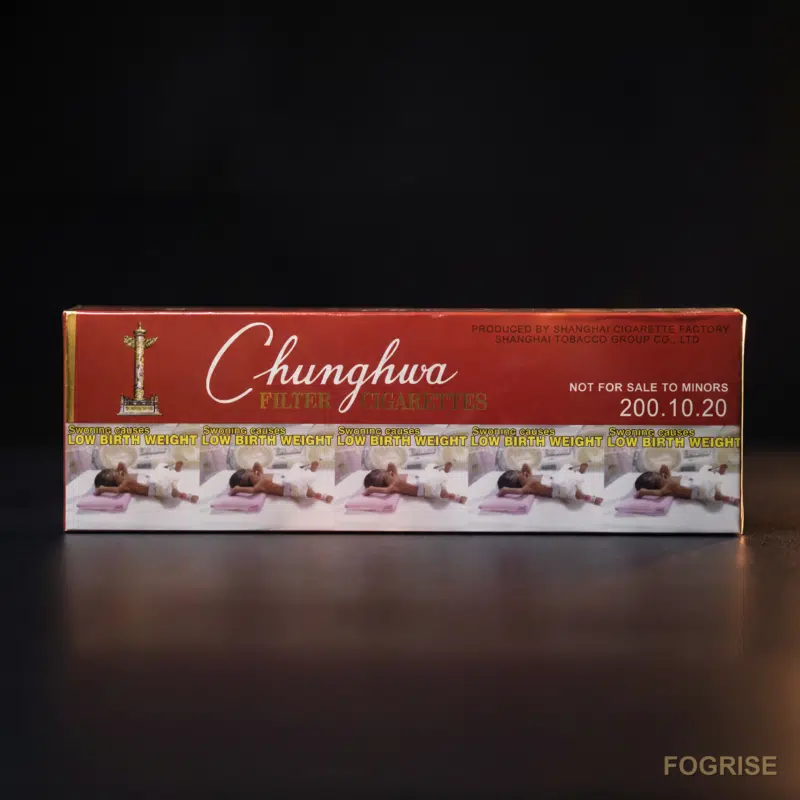
Federally, the Tobacco and Vaping Products Act (TVPA) governs the manufacture and sale of tobacco in Canada, along with how it is promoted and packaged (Health Canada, 2026a). Since the Tobacco Products Regulations (Plain and Standardized Appearance) took effect, cigarette packs sold in Canada carry a standardized brown pack, uniform typography, and health warnings covering roughly 75 percent of the pack surface, with individual-stick warnings phased in during 2024 and 2025 (Health Canada, 2026a). A Chunghwa or Zhonghua pack, printed with brand livery, Chinese-language warnings, and no Health Canada individual-stick markings, does not meet those requirements and cannot lawfully be sold at Canadian retail (Health Canada, 2026a).
The TVPA and its regulations also restrict the sending and delivery of tobacco to a consumer across provincial lines, which is why domestic online tobacco stores servicing Ontario buyers are effectively non-existent (Health Canada, 2026a). That rule targets the delivery chain, not the individual reader.
The Legal Route: Personal Import Within the CBSA Allowance
The most defensible personal route is a traveller import. Per the CBSA I Declare guide, a resident returning after 48 hours abroad with a personal-exemption declaration may bring up to 200 cigarettes duty and tax free within the $800 goods exemption (Canada Border Services Agency, 2026). Because Chinese-domestic packs lack the Canadian duty-paid stamp, they fall under the "unstamped tobacco" provision: a special duty is assessed at the border even when the volume sits inside the allowance (Canada Border Services Agency, 2026). Declare the packs, pay the special duty, and they enter Canada lawfully.
Most articles frame this question as "legal or illegal." The accurate frame is "which link in the chain." Retail sale in Ontario is closed to unstamped foreign packs. Interprovincial mail to consumers is closed. A declared, duty-paid personal import at the border is open. xiangyandd ships worldwide, but lawful delivery to a private Mississauga address depends on CBSA classification of the parcel and current Ontario regulation, not on any assurance a shipper can offer.
Verify first: Rules change. Confirm the current CBSA personal-exemption terms and Ontario Ministry of Finance tobacco rules with the agencies directly before you travel or place any order.
Glossary
- Duty-paid stamp: the federal excise marking ("duty paid Canada / droit acquitté") that must appear on cigarettes sold at Canadian retail.
- Excise duty: the federal tobacco tax collected when duty-paid tobacco is manufactured or imported for the Canadian market.
- Special duty (unstamped): the additional CBSA duty applied at the border to tobacco that lacks a Canadian duty-paid stamp, even inside the personal-exemption allowance.
- Plain packaging: Health Canada’s standardized brown pack, uniform text, and large health warnings required on cigarettes sold in Canada (Health Canada, 2026a).
Toronto Pearson (YYZ) Duty-Free: Mississauga’s One Concrete Legal Channel
Toronto Pearson International Airport (YYZ) sits inside Mississauga’s municipal boundary (Hudson Group, 2025), and peer-reviewed research on Canada’s tobacco market identifies duty-free as effectively the only formal Canadian retail channel for top-tier Chinese cigarette brands (Mao et al., 2017). That combination makes YYZ post-customs the city’s single concrete, legal, adult-only doorway for a returning traveller.
Why YYZ Duty-Free Matters (and It’s in Mississauga)
Toronto Pearson is almost always mapped as a Toronto asset, yet the terminals, tarmac, and duty-free retail floors all sit within Mississauga’s civic boundary; on the CBSA and duty-free retail question, Mississauga is Canada’s international airport city, not a suburb of one. MiWay routes and the GO Transit hub reach Terminal 1’s front curb directly, so for many Mississauga residents an airport visit is a local errand rather than a trip out of town. In June 2025, Dufry opened a new duty-free store at Pearson as part of a Terminal 1 and Terminal 3 refresh (Hudson Group, 2025). Separately, peer-reviewed research on Canada’s tobacco market found that duty-free shops are effectively the only formal Canadian retail channel for higher-tier Chinese brands (the Chunghwa class), and that immigrant smokers in the study reported those brands regularly selling out on the duty-free floor (Mao et al., 2017). Those two facts, taken together, are why this article treats YYZ as Mississauga’s one concrete legal doorway to top-tier Chinese cigarette stock, not as a general shopping recommendation.
What the CBSA 48-Hour and 200-Cigarette Rule Actually Means
The Canada Border Services Agency’s I Declare guide is the rulebook, and it does not bend for airport convenience. If a returning adult traveller (this article is written for readers aged 21 and up) has been outside Canada for 48 hours or more, they may include up to 200 cigarettes in the CAN$800 personal exemption. The packs must carry the "duty paid Canada / droit acquitté" stamp. Chinese-domestic packs sold overseas are not stamped, so a special duty applies to those on top of any regular duty and tax owed (Canada Border Services Agency, 2026). Absences shorter than 48 hours carry no tobacco allowance at all. Declare tobacco honestly on the CBSA card at arrival; undeclared tobacco discovered during inspection is treated as an offence separate from any duty owed. Do not plan around exceeding the 200-cigarette limit; over-limit tobacco can be seized, taxed at the full rate, or referred for penalty under the Excise Act, 2001.
Verify first: CBSA thresholds, duty-free vendor lineups, and stamping conventions change. Confirm current rules on the CBSA I Declare page and current stock with the Pearson duty-free operator before you travel.
A Realistic Expectation of Duty-Free Stock
Even with the legal channel in place, the doorway is narrow. The same peer-reviewed research that identifies duty-free as the only formal Canadian route also records that top-tier Chinese brands sell out, and that immigrant smokers described substitution and shortage as normal rather than exceptional (Mao et al., 2017). Airport retail assortments turn over on quarterly cycles and vary by terminal, concession contract, and season, so a specific Chinese SKU that was on the shelf one month may be absent the next. The 2025 Terminal refresh, for example, means the shelf mix in early 2026 does not necessarily match what was in place before the concession change. Treat any pre-trip plan as a possibility, not a booking. Confirm availability with the duty-free operator, comply with the 48-hour absence and 200-cigarette limits, and accept that a returning trip may end without the intended brand in the bag. That is the honest ceiling of the one legal channel Mississauga’s geography provides.
The Real 2026 Price: Ontario Taxes and Mississauga Retail
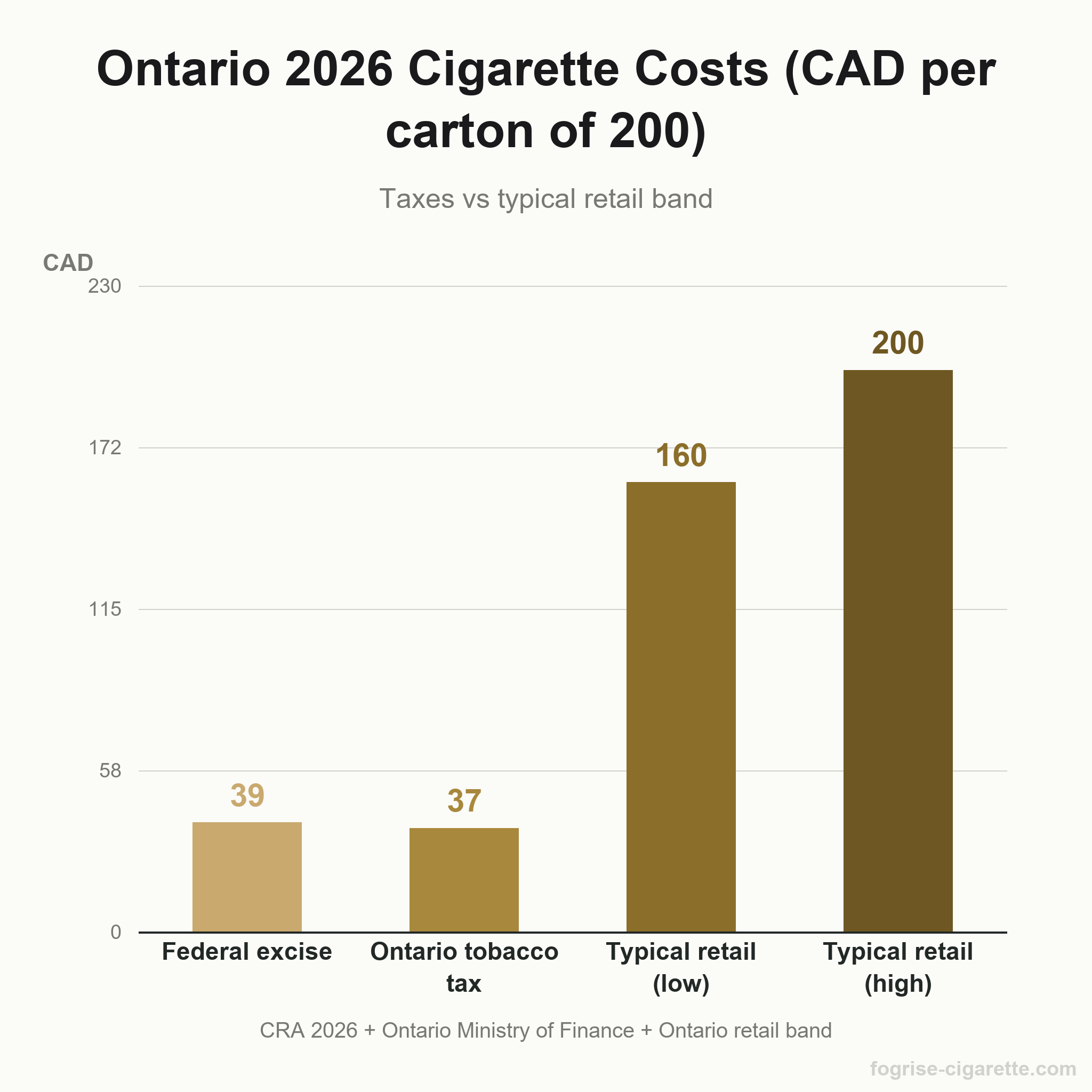
Federal excise runs about CAD 38.92 per carton of 200 cigarettes in Mississauga as of April 2026 (Canada Revenue Agency, 2026), plus Ontario tobacco tax of roughly CAD 36.95 per carton (Government of Ontario, 2026), before the 13% HST is applied on the retail total. Typical Ontario shelf pricing lands between CAD 160 and CAD 200 per carton in 2026.
Federal excise and Ontario tobacco tax (2026)
Two taxes hit a carton before it ever reaches a shelf. The federal excise duty stands at CAD 0.19460 per cigarette, which works out to CAD 38.92 on a 200-cigarette carton, per the Canada Revenue Agency schedule effective April 2026 (Canada Revenue Agency, 2026). That figure includes the CAD 4-per-carton increase Ottawa added in the 2024 federal budget (Canada Revenue Agency, 2026). On top of the federal layer, Ontario applies a provincial tobacco tax of roughly 18.475 cents per cigarette, or about CAD 36.95 per carton (Government of Ontario, 2026). Combined, the two duties alone put around CAD 75.87 on every carton before a retailer marks up cost, freight, or margin.
HST and the real retail band
The 13% Ontario HST is not folded into the excise line; it is applied on the retail total at the register. Two cartons that leave a wholesaler at the same tax-in cost can still show different shelf prices, since retailer markup varies and HST scales with the final ticket. In Mississauga stores that stock lawful Chinese-brand imports through a Canadian distributor, market listings show shelf pricing landing within the wider Ontario band of CAD 160 to CAD 200 per carton across 2026. Individual pack pricing tracks proportionally, usually CAD 16 to CAD 20 for a pack of 20. Prices vary store to store, so call ahead before you drive across town.
By the Numbers
- CAD 38.92 federal excise per carton of 200 as of April 2026 (Canada Revenue Agency, 2026)
- CAD 36.95 Ontario tobacco tax per carton (Government of Ontario, 2026)
- 13% Ontario HST applied on the retail total
- CAD 160 to CAD 200 typical Ontario retail band per carton in 2026
| Component | Rate | Per carton (200) |
|---|---|---|
| Federal excise | CAD 0.19460 per cigarette | CAD 38.92 (Canada Revenue Agency, 2026) |
| Ontario tobacco tax | ~18.475 cents per cigarette | CAD 36.95 (Government of Ontario, 2026) |
| Typical retail (low to high) | Shelf price band | CAD 160 to CAD 200 |
Why cheap offers are a red flag
Any lawfully imported Chinese pack has already carried duty, GST/HST at the border, provincial tobacco tax at the wholesaler, and Canadian retailer margin before it reaches a Mississauga counter. The tax stack alone floors the wholesale cost near CAD 76 a carton, which is why lawful retail sits inside the CAD 160 to CAD 200 band. That math also explains why every legitimate Mississauga seller looks broadly similar on price.
When a "Chinese cigarettes in Mississauga" ad quotes CAD 70 or CAD 90 per carton, the arithmetic does not work. That price is at or below the summed federal plus provincial duty on a taxed carton, meaning the seller is almost certainly moving untaxed or contraband product. This pricing pattern is consistent with the illicit-tobacco routes documented above. Adults 21 and up who want genuine imported product should treat sub-CAD-100 offers as a walk-away signal, not a bargain.
Counterfeit and Contraband Cigarettes in Peel Region
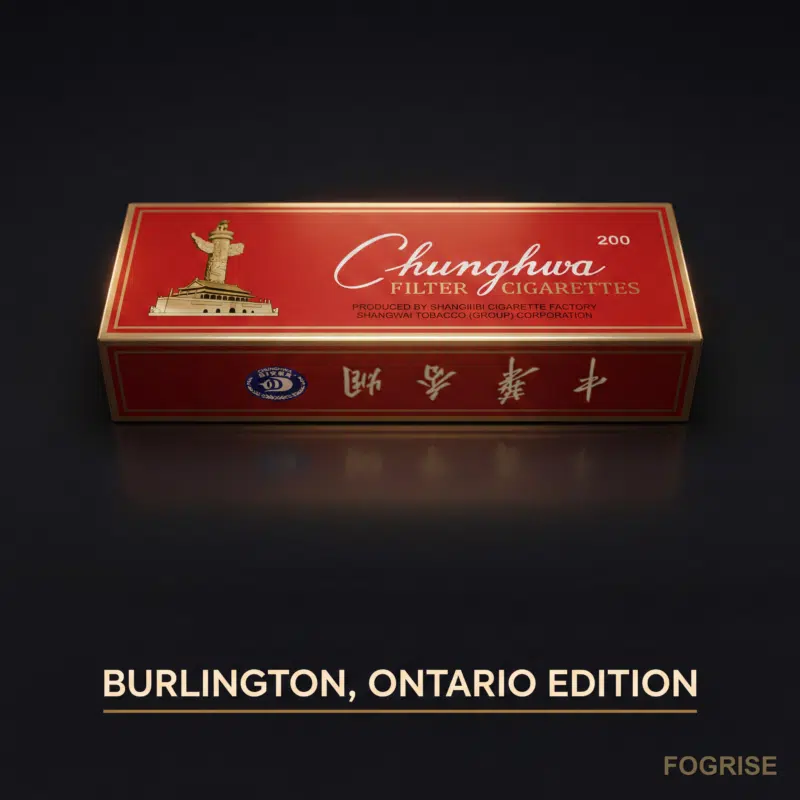
A genuine Chunghwa (中华) pack can be verified through embossed characters, colour-changing coating, an anti-counterfeit hologram, and crisp print registration, but authentication does not reduce smoking’s harms. In Peel Region, butt-collection studies estimate about 5.3% of cigarettes are contraband, ranging up to about 8.6% in some neighbourhoods (Stratton et al., 2016), and in March 2024 RCMP Federal Policing announced a combined 27-tonne seizure of contraband cigarettes from investigations run out of British Columbia, one of the largest single interceptions on record (Royal Canadian Mounted Police, 2024).
Authentication Checklist for a Chunghwa Pack
Retail Chunghwa (中华) packs sold inside Mainland China carry a stack of anti-counterfeit features a buyer can inspect before opening. Start with the embossed gold characters on the hard-pack top face, raised enough to catch under a fingernail. None of these features change how a cigarette affects the body; they only tell you whether the pack itself matches factory production.
- Colour-changing or scratchable coating on the tax stamp or top edge that shifts hue when tilted.
- Anti-counterfeit hologram or foil mark on one face, aligned with the print grid.
- Crisp print registration with no ghosted characters, misaligned borders, or blurred logos.
- Correct pack construction, including the flip-top hinge tension and pull-tab feel expected of the SKU.
If more than one feature fails, treat the pack as suspect and do not open or purchase it. Illicit product carries unknown filler and adulterants, plus tar loads no one has measured, and it does not carry the health-warning coverage or bilingual labelling required on Canadian retail packs. A pack sold in Ontario without English and French warning graphics is definitionally illegal, regardless of how genuine the inner cigarette appears.
Contraband in Peel: What the Data Shows
Peel Region sits inside a broader Ontario contraband market that public-health researchers have measured directly. Butt-collection studies in Peel neighbourhoods estimate about 5.3% of cigarettes smoked in the region are contraband, ranging up to about 8.6% in some pockets (Stratton et al., 2016). That baseline reflects the general illicit stream (tax-evaded Ontario product, unbranded "native" cigarettes, and cross-border product), not any single origin.
In March 2024, RCMP Federal Policing announced a combined 27-tonne seizure of contraband cigarettes from investigations executed at four locations across Maple Ridge and Mission, British Columbia, one of the largest single interceptions on record (Royal Canadian Mounted Police, 2024). Reporting by the Globe & Mail has separately documented small diaspora-driven black-market channels where Chinese-market packs move informally between friends and relatives. China National Tobacco does not export to Canada, so no compliant Ontario retailer stocks these packs (Mao et al., 2017); any Chunghwa (中华) or Furongwang (芙蓉王) offered locally has entered the country outside the legal supply chain.
The straightforward reading for a Mississauga buyer: retail Chinese-market cigarettes are not sold at any licensed Ontario tobacconist, and pack authentication is a fraud check, not a health check. Even a verified-genuine Chunghwa is still an addictive product regulated for adults 19 and older in Ontario. Anyone offered these packs at a corner store, market stall, or "special order" via a messaging app is being pointed to grey- or black-market supply, not a compliant retail channel.
Public-Health Reality and How to Quit in Mississauga
Smoking is a leading cause of preventable death worldwide, and no cigarette, imported or domestic, is a safe one (Health Canada, 2026a). Adult smoking in Ontario has fallen to about 10 percent in 2025 (Health Canada, 2026b), and Mississauga residents who want to quit can access free, publicly funded help through Peel Public Health, Smokers’ Helpline Ontario, and Health Canada.
The Health Burden of Smoking
The World Health Organization and Health Canada classify smoking as harmful and addictive, and a leading cause of cancer, heart disease, stroke and chronic lung disease (Health Canada, 2026a). Every cigarette carries the same underlying risk profile: combustion of tobacco releases tar, carbon monoxide, and dozens of confirmed carcinogens. Brand of origin does not change that biology.
Canada’s federal Tobacco Strategy has set a target of under 5 percent tobacco use nationally by 2035 (Health Canada, 2026b), with progress tracked annually. Chinese-brand cigarettes are counted in that figure the same way any other cigarette is.
Per the World Health Organization, tobacco kills up to half of its long-term users, and there is no safe level of exposure to tobacco smoke.
Quit Resources in Peel Region
Adults in Mississauga who want to quit can start with any of these free, confidential channels:
- Peel Public Health. The regional health unit runs local cessation programs and referrals; call 905-799-7700 or search peelregion.ca for smoking cessation.
- Smokers’ Helpline Ontario. Run by the Canadian Cancer Society. Free, confidential coaching by phone at 1-877-513-5333, plus text and online chat.
- Health Canada quit resources. The federal "Break It Off" and "On the Road to Quitting" tools give guides, texting programs, and progress trackers at canada.ca/tobacco.
- A doctor or pharmacist. Ontario pharmacists can assess and prescribe nicotine replacement therapy and cessation medications like varenicline directly, often the same day.
Peel Public Health also embeds cessation counselling inside its community health centres in Mississauga and Brampton, so a resident can get in-person support in the same visit as other primary-care needs, without a separate referral.
If you want to quit: you do not have to do it alone. Call Smokers’ Helpline at 1-877-513-5333, or talk to your family doctor or pharmacist about a plan that fits your schedule and budget.
Frequently Asked Questions
These answers are general information for adult readers, not legal or medical advice. Ontario’s minimum tobacco age is 19; public-health guidance often references 21 and older. Verify current federal and provincial rules with CBSA and Ontario authorities before acting.
Can I legally buy Chinese cigarettes in Mississauga?
Not from ordinary Ontario retail shelves. The lawful route is personal import within the CBSA duty-free allowance after travel, and the packs will be unstamped, so they attract a special federal duty at the border. Provincial possession and use rules still apply, and enforcement can change, so confirm current requirements with CBSA and Ontario tobacco authorities before buying (Canada Border Services Agency, 2026).
Does the Toronto Pearson (YYZ) duty-free sell Chinese brands like Chunghwa?
Toronto Pearson sits inside Mississauga, and airport duty-free is the main formal channel research identifies for named Chinese brands. Stock is not guaranteed, though. Top-tier lines such as Chunghwa move quickly and can sell out before departure. Check current inventory with the specific duty-free operator on the day you travel rather than assuming availability (Hudson Group, 2025) (Mao et al., 2017).
How many cigarettes can I bring back to Canada duty-free through YYZ?
After more than 48 hours abroad, adult travellers can bring up to 200 cigarettes within the CAN$800 personal exemption. Those cigarettes must carry the Canadian duty-paid stamp to enter under the exemption. Unstamped Chinese-domestic packs attract a special duty that applies from the first stick, so declare them at the border and pay what CBSA calculates (Canada Border Services Agency, 2026).
How much is a carton of cigarettes in Ontario in 2026?
Retail sits roughly at CAD 160 to 200 per carton of 200 cigarettes, depending on brand and retailer. Tax alone runs about CAD 76 before HST: federal excise near 38.92 plus Ontario tobacco tax of 36.95. The remainder covers manufacturer cost, wholesale margin, and retail markup layered on top (Canada Revenue Agency, 2026).
Is it legal to order Chinese cigarettes online to Ontario?
Do not assume it is legal. Interprovincial delivery of tobacco to consumers in Canada is heavily restricted, and any parcel entering the country still faces CBSA duty, tax, and stamp rules. Grey-market listings that promise doorstep delivery routinely fail one or more of those checks. Confirm the specific situation with CBSA before ordering (Health Canada, 2026a).
How do I tell if a Chunghwa or Yuxi pack is counterfeit?
Check the embossed gold characters, the colour-changing surface coating, the security hologram, and print quality along the seams. Authentic packs feel crisp and consistent under bright light. Authentication does not change the underlying health picture, though. A verified pack still delivers tar and nicotine at the levels printed on the label, plus combustion by-products either way.
What does the "duty paid Canada droit acquitté" stamp mean?
The stamp marks tobacco on which Canadian federal and provincial duty has been paid, tied to the province of sale. Chinese-domestic packs never carry it because they were made for the China market. Even within the 200-cigarette personal exemption a special duty applies at the border, calculated per stick on the unstamped product (Canada Border Services Agency, 2026).
Where can I get help to quit smoking in Mississauga?
Free and low-cost support is available. Peel Public Health runs local cessation programs and referrals. Smokers’ Helpline Ontario offers phone and text coaching at 1-877-513-5333. Health Canada publishes step-by-step quit resources online. A family doctor or pharmacist can advise on nicotine replacement therapy and prescription options. Any of these is a reasonable first call.
Conclusion
For a Mississauga reader old enough to be reading this at all (21 and over), the picture is narrower than the online chatter suggests. Chinese-domestic brands like Chunghwa draw real local interest across Peel, but they are not stocked on ordinary Ontario convenience shelves. The one concrete legal channel most residents can actually use is the Toronto Pearson (YYZ) duty-free on inbound travel, inside the CBSA personal allowance of 200 cigarettes. Unstamped packs above that line attract special duty on entry, so keep the receipt and declare honestly at the kiosk.
The math is not gentle either. Ontario’s 2026 tobacco tax adds roughly CAD 76 per carton before HST, so honest retail lands in the CAD 160 to 200 range once the layered duties settle. Anything meaningfully cheaper is a signal, not a bargain. The RCMP and CBSA have logged repeated contraband seizures, and counterfeit Chunghwa packs move through the same channels, so pack authentication (holograms, provincial tax stamps, carton-code parity) is a real step, not a paranoid one.
If a curated look at what is legitimately available helps, browse the catalog at fogrise-cigarette.com/shop/ or reach the team through our contact page, and confirm your local rules before ordering.
Smoking causes cancer, cardiovascular disease, and dependence. Adults 21 and over only.
References
- Canada Border Services Agency. (2026). I Declare: A guide for residents returning to Canada. Government of Canada. https://www.cbsa-asfc.gc.ca/travel-voyage/declare-eng.html
- Canada Revenue Agency. (2026). Excise duty rates: Tobacco products (effective April 1, 2026). Government of Canada. https://www.canada.ca/en/revenue-agency/services/tax/technical-information/excise-duty/rates.html
- Government of Ontario. (2026). Tobacco tax. Ministry of Finance. https://www.ontario.ca/document/tobacco-tax
- Health Canada. (2026). Regulating tobacco and vaping products: Tobacco. Government of Canada. https://www.canada.ca/en/health-canada/services/smoking-tobacco/regulating-tobacco-vaping/tobacco.html
- Health Canada. (2026). Canada’s Tobacco Strategy. Government of Canada. https://www.canada.ca/en/health-canada/services/publications/healthy-living/canada-tobacco-strategy.html
- Hudson Group. (2025, June 12). Dufry unveils new duty-free store at Toronto Pearson International Airport, first phase. Avolta. https://www.hudsongroup.com/news/2025-06-12/dufry-unveils-new-duty-free-store-toronto-pearson-international-airport-first-phase
- Mao, A., Bottorff, J. L., Oliffe, J. L., Sarbit, G., & Kelly, M. T. (2017). Chinese immigrant men smokers’ sources of cigarettes in Canada: A qualitative study. Tobacco Induced Diseases, 15, 18. https://doi.org/10.1186/s12971-017-0123-1
- Stratton, J., Shiplo, S., Ward, M., Babayan, A., Stevens, A., & Edwards, S. (2016). Assessing contraband tobacco in two jurisdictions: A direct collection of cigarette butts. BMC Public Health, 16, 622. https://doi.org/10.1186/s12889-016-3229-0
- Region of Peel Community Data Program. (2025). 2021 Census: Population Characteristics in the Region of Peel (Brief). https://pirt.fspeel.org/wp-content/uploads/2025/03/2021-Census-Region-of-Peel-Brief-Presentation-.pdf
- Royal Canadian Mounted Police. (2024, March 8). RCMP Federal Investigators seize 27 tonnes of contraband cigarettes, dismantle criminal networks involved. Government of Canada. https://rcmp.ca/en/news/2024/03/rcmp-federal-investigators-seize-27-tonnes-contraband-cigarettes-dismantle-criminal-networks
Last reviewed and updated: July 2026. Author: xiangyandd editorial team. For tailored guidance, contact our team.




 English (US)
 简体中文
 Deutsch
 Français
 Español