

Blog
Chinese Cigarettes in Brampton: Brands, Prices & 2026 Rules

Abstract
Brampton is one of Canada’s fastest-growing cities, home to about 656,480 residents, roughly 80.6% visible minority, and a 52.4% South Asian majority alongside a small but growing Chinese community (Statistics Canada, 2022). That mix drives real, everyday demand for international tobacco, including Chinese domestic labels like Chunghwa (中华), Yuxi (玉溪), and Furong Wang (芙蓉王). Those packs are not sold legally in Ontario retail. Travellers who carry them in without the correct Canadian duty-paid stamp on each pack fall outside the 200-cigarette personal exemption at the border, and the surplus gets seized or taxed on arrival (Canada Border Services Agency, 2026).
Ontario also runs one of the largest illicit cigarette markets in the developed world, with EY estimating contraband at 38.7% to 50.3% of provincial cigarette sales (EY, 2024). That backdrop shapes what Brampton buyers actually see when they ask around Bramalea City Centre, Chinguacousy Road plazas, or cross-border seller chats online. The sections below cover the 2026 federal excise load (CAD 38.92 per carton), Ontario tobacco tax and Peel enforcement, how to authenticate a genuine mainland Chinese pack against duty-free variants or outright counterfeits, and where the legal lines sit for adults 21 and older. Informational only, no purchase pitch.
For adults 21+. Smoking is harmful and addictive. Tobacco laws, taxes and import rules differ from one country, province or city to the next, so verify your local regulations before you buy. The guidance here is informational, not legal or medical advice.
Key Takeaways
For readers scanning fast, five points shape every Chinese-cigarette decision in Brampton in 2026, from tax load to counterfeit risk.
- Brampton’s demographics drive the demand. 656,480 residents, 80.6% visible minority, a large South Asian majority and a growing Chinese community (Statistics Canada, 2022).
- Chinese-domestic packs are never stamped "duty paid Canada / droit acquitté". They attract special duty even within the 200-cigarette exemption (Canada Border Services Agency, 2026).
- Ontario’s 2026 tax load is steep. Federal excise CAD 38.92, Ontario tobacco tax CAD 36.95 per carton, before 13% HST (Canada Revenue Agency, 2026).
- Ontario hosts one of Canada’s largest contraband markets. EY estimates 38.7% to 50.3% share; cheap offers signal illicit product (EY, 2024).
- Chunghwa (中华) is the most-requested brand; authenticate every pack. Adults 21+; smoking is harmful and addictive; verify your local law.
Full price grids, brand notes and legal citations follow in the sections below.
Table of Contents
- Abstract
- Key Takeaways
- Table of Contents
- Why Adults in Brampton Seek Chinese Cigarettes
- Chinese Cigarette Brands That Matter in Brampton
- Is It Legal to Buy or Import Chinese Cigarettes in Brampton?
- Ontario’s Contraband Market and Peel Enforcement
- The Real 2026 Price: Ontario Taxes and Brampton Retail
- Spotting Counterfeit Chinese Cigarettes in Brampton
- Public-Health Reality and How to Quit in Brampton
- Frequently Asked Questions
- Conclusion
- References
Why Adults in Brampton Seek Chinese Cigarettes
Brampton adults ask about Chinese cigarette brands because the city’s demographics push interest toward international tobacco. Statistics Canada 2021 records Brampton at 656,480 residents, 80.6% visible minority, 52.4% South Asian identity, roughly 7,135 people of Chinese origin, and a median age of 36.0 years, a mix that keeps brand memory alive across borders (Statistics Canada, 2022).
Brampton’s Diverse, Fast-Growing Population
Brampton is one of Canada’s youngest and fastest-changing big cities. Population climbed 10.6% between 2016 and 2021 to reach 656,480, and the 2021 census records 80.6% visible-minority residents, 52.4% South Asian identity, roughly 1.1% (about 7,135 people) of Chinese origin, with a median age of 36.0 (Statistics Canada, 2022). Immigration-led growth means a steady flow of adults who grew up buying international tobacco brands at hometown shops and now look for the same labels in Peel Region.
Here is the part most coverage misses. Chinese-brand interest in Brampton is not driven only by the roughly 7,135 residents of Chinese origin; adults across the wider East and Southeast Asian diaspora recognise packs like Chunghwa from gift-giving contexts back home, and Peel Region’s status as a first-landing city keeps that brand memory active among newer arrivals.
Gifting Culture and Flavour Profile
Chinese cigarettes carry weight beyond nicotine. Chunghwa (中华) in particular sits at the top of the gift ranking, tied to state-owned production and a red-and-gold pack widely used as a status marker at business meetings and family occasions. Peer-reviewed work on Chinese immigrant tobacco practice in Canada documents the same gifting norm following families across the Pacific, with the pack given at weddings, Lunar New Year, and negotiation openings (Mao et al., 2017). Flavour is the second driver. Chinese blends read differently on the palate than Canadian brands, which is a flavour distinction only. All combustible tobacco causes serious disease, whatever the market of origin.
Why Demand Outpaces Legal Supply
Canadian federal excise rules and Ontario retail licensing make Chinese-manufactured brands hard to source through legitimate channels. The result is a supply gap. Import quantity limits, plain-packaging requirements and provincial wholesale allow-lists all point domestic retailers toward the same handful of Canadian and multinational SKUs, so a Brampton adult who wants a specific Beijing or Shanghai brand often finds every corner store carrying the wrong pack. That mismatch shows up in local search queries and community forums: real adult demand sitting well upstream of what the legal supply chain can serve without a permit-heavy import path. The next section covers the exact legal framework, including who can bring how many packs across the border and under what duty.
Note: The sections that follow cover the legal and tax reality behind that supply gap. Adult buyers in Ontario face real duty, plain-packaging rules and personal-import limits before any pack changes hands.
Chinese Cigarette Brands That Matter in Brampton
China’s domestic cigarette market runs on a strict three-tier hierarchy of state-owned brands. It climbs from banquet symbols dating to 1949, through regional flagships, up to the mainstream daily smokes. The six labels below define what Brampton buyers ages 21 and up ask for by name. None appear on ordinary Ontario retail shelves; legality is covered separately.
Tier A: State-Gift and Banquet Brands
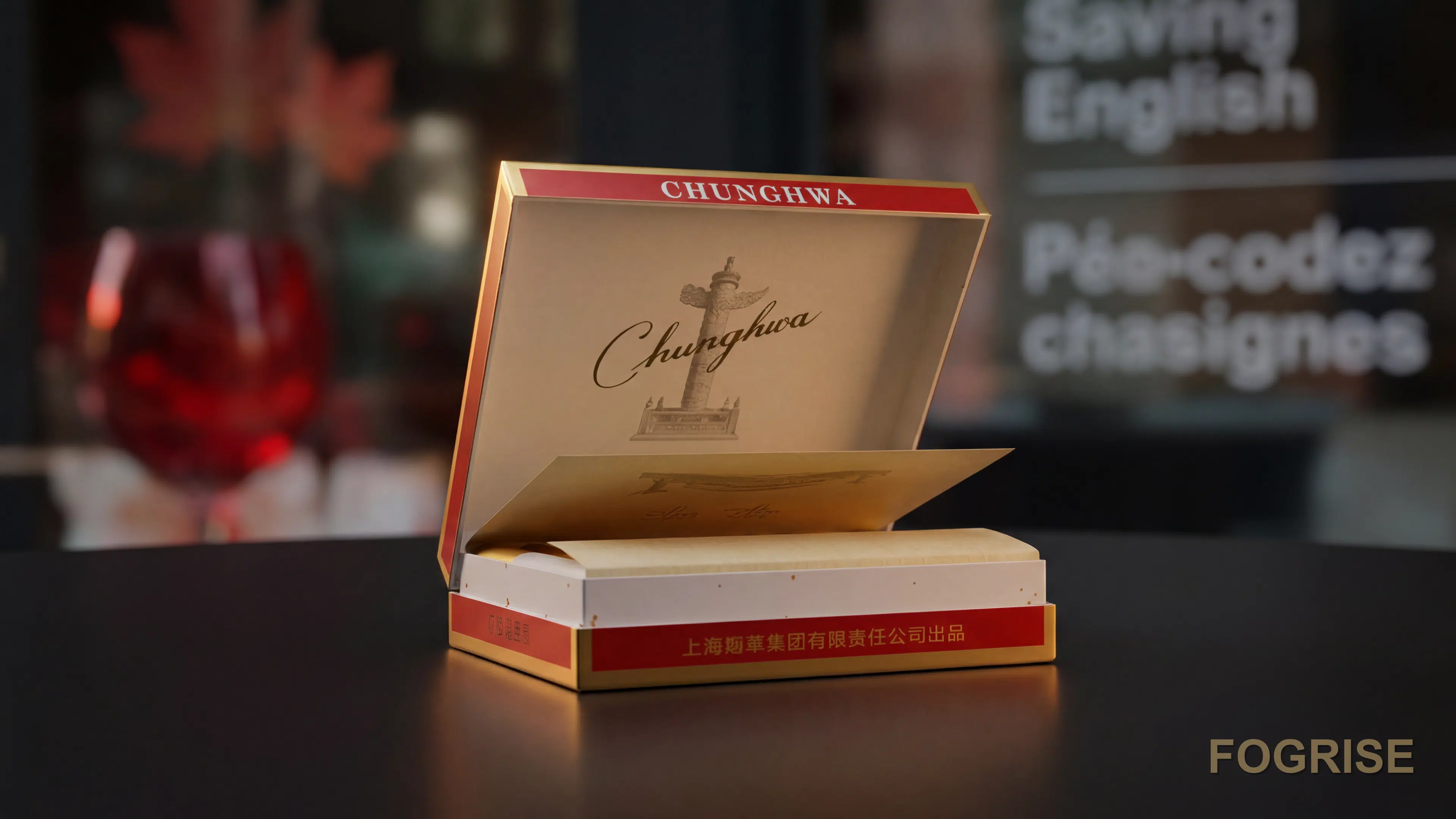
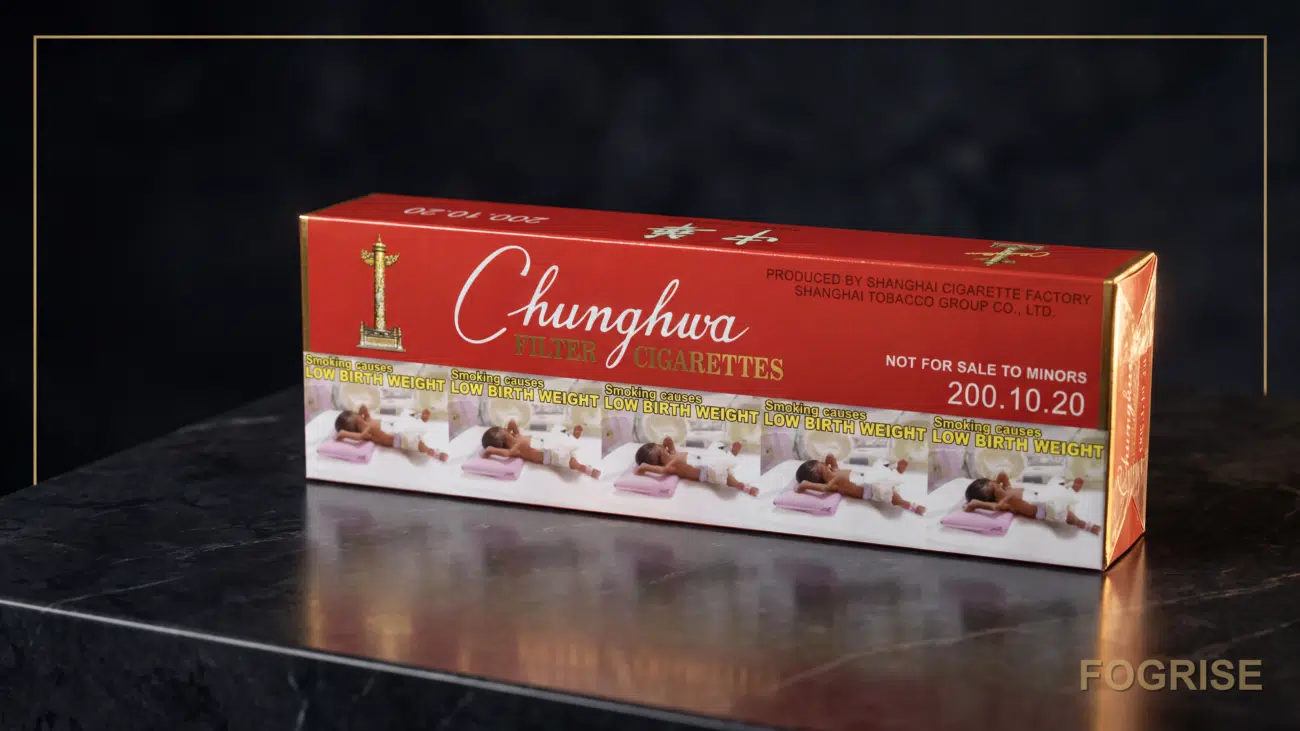
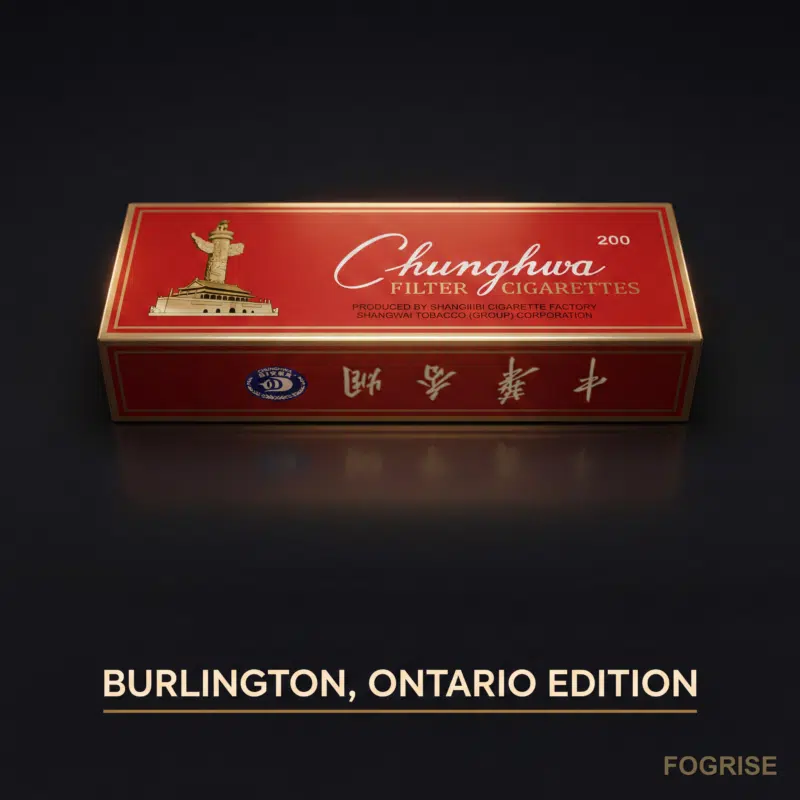
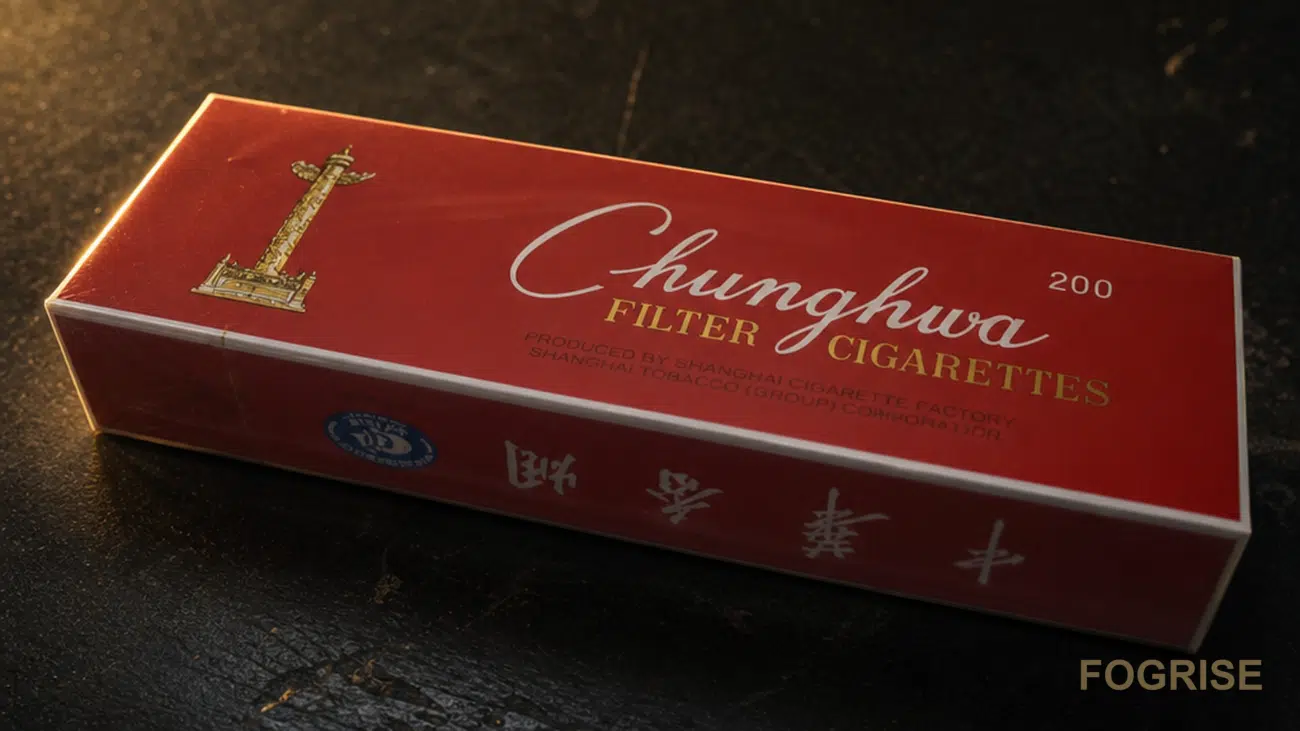
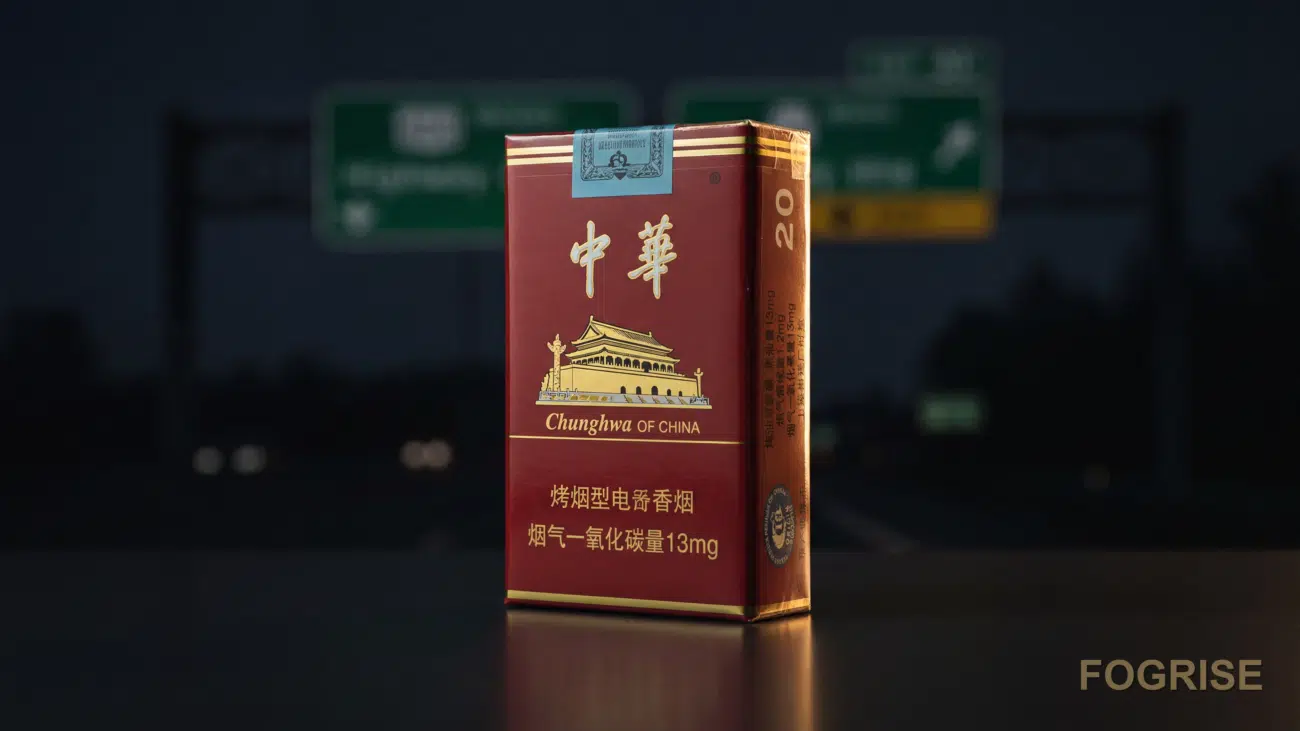
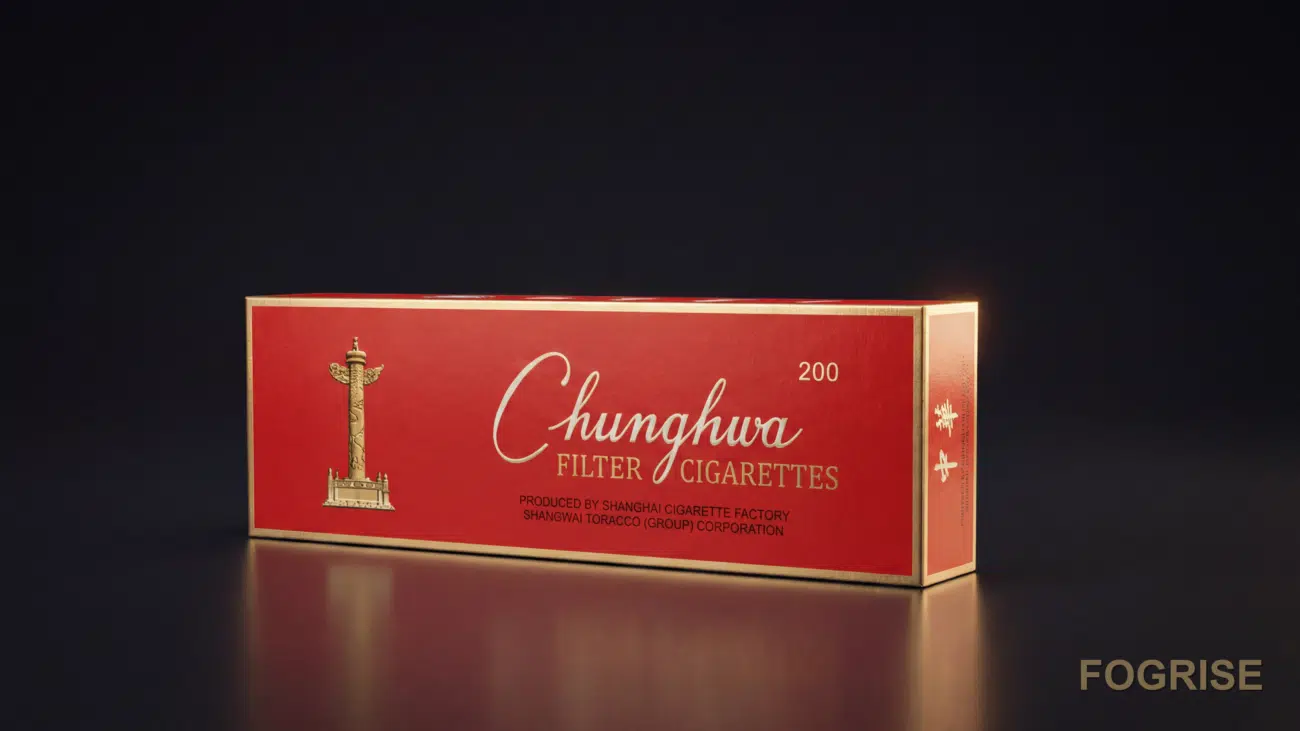
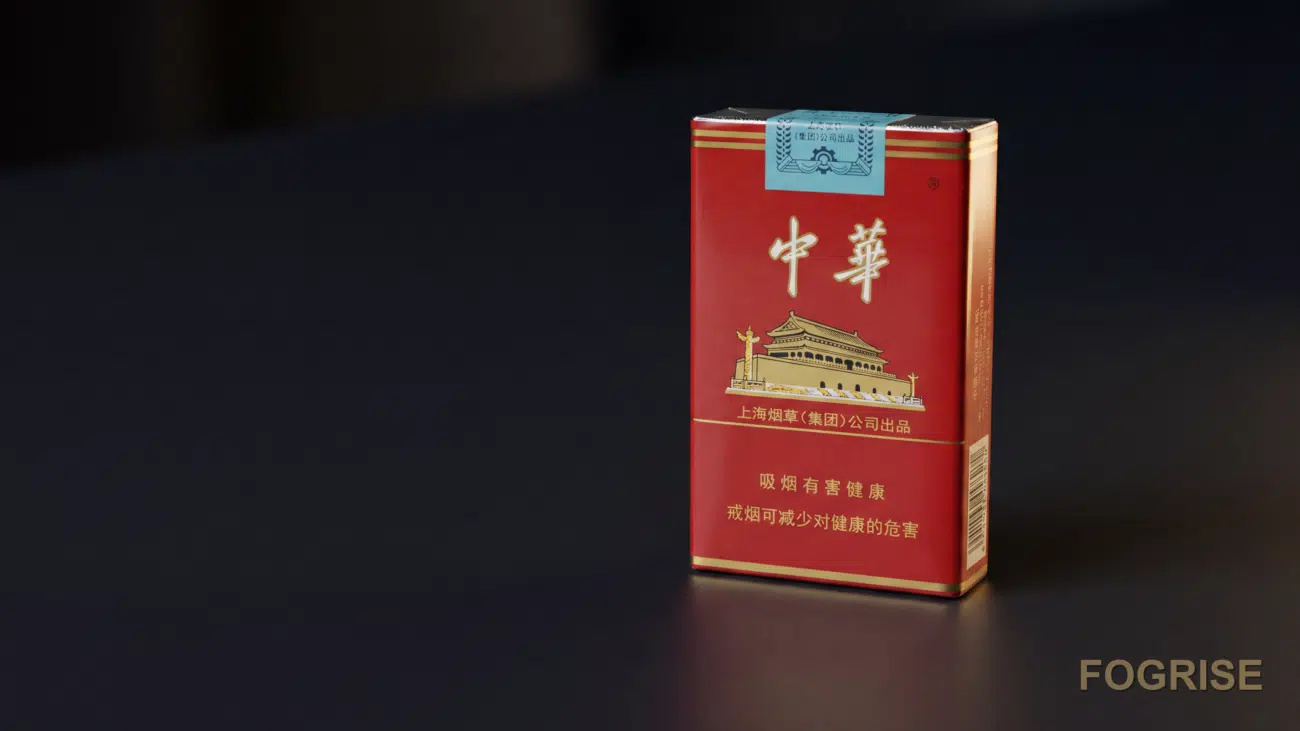
Chunghwa (中华) is the anchor of the whole category. Produced by Shanghai Tobacco Group since 1949 and originally reserved for foreign dignitaries and senior cadres, it still carries the "banquet cigarette" role at Chinese weddings, business closings, and Lunar New Year exchanges. The soft-pack version (软中华) trades a full tier above the hard-pack (硬中华), and both are recognized on sight across the diaspora. Panda (熊猫) sits above even Chunghwa in prestige, best known as the private brand once favored by Deng Xiaoping and used almost exclusively today for high-level gifting inside China. Both are asked for by wrapper, not by price.
Most Western coverage frames Chunghwa as "just an expensive cigarette." It is closer to a state ceremonial object. Shanghai Tobacco Group reportedly moved over 900,000 cases of Chunghwa in 2011, and the red pack is a status marker before it is ever opened. Counterfeiters know it. That is why the fake rate for Chunghwa outruns every other Chinese label, and why serious buyers in Brampton check the import channel and the pack seal long before they check the price.
Tier B: Regional Flagship Brands
Yuxi (玉溪) is the flagship of Hongyun Honghe Tobacco in Yunnan, built on Yuxi-grown tobacco leaf and positioned one shelf below Chunghwa. It is the everyday high-end pick for Yunnan and Sichuan buyers now living in Ontario, and its lighter tar options draw smokers who might otherwise reach for Marlboro Gold. Furong Wang (芙蓉王), from China Tobacco Changde in Hunan, plays the same role across southern China. It is popular among buyers with roots in Hunan and Guangdong, plus the Hong Kong diaspora networks around the GTA. Both sit in the price band where a Chinese white-collar smoker buys a carton without flinching at the receipt.
Tier C: Mainstream and Value Brands
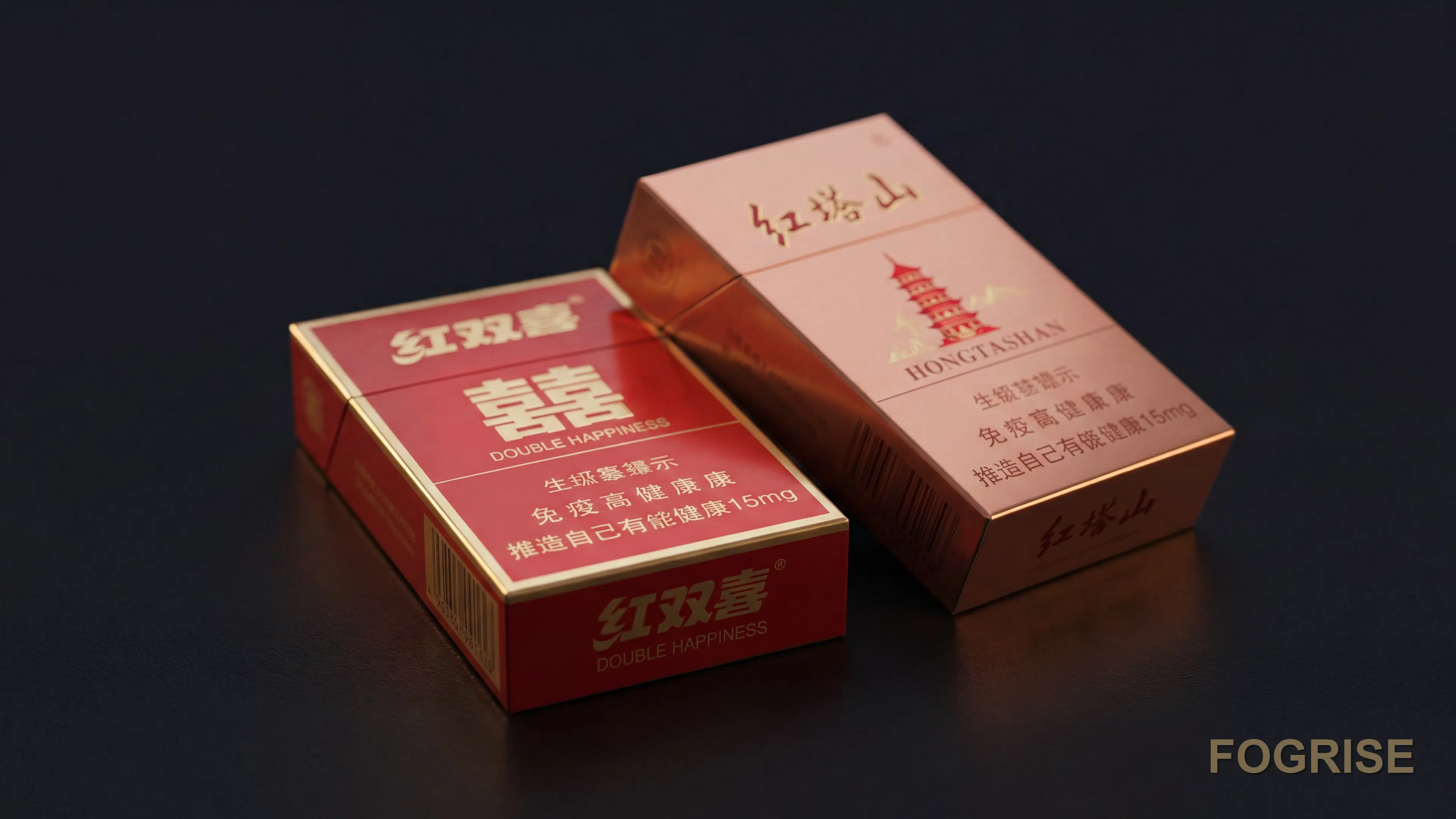
Double Happiness (双喜) is the historic mass-market label, still handed out at weddings for the double-happiness character 囍 on the pack. It runs from very cheap Shanghai-brand SKUs up to higher-priced regional variants, which is why the in-China retail range is so wide. Hongtashan (红塔山), from Hongta Group in Yuxi, was the top-selling Chinese cigarette through much of the 1990s and remains the daily smoke for older buyers with a working-class palate. In Brampton, Tier C brands typically travel with first-generation family visitors rather than second-generation professionals.
| Brand (EN) | Chinese name | Tier | Tar (mg) | Nicotine (mg) | In-China retail |
|---|---|---|---|---|---|
| Chunghwa | 中华 | A | 10 to 12 | 0.9 to 1.1 | ~450 to 950¥ per carton |
| Panda | 熊猫 | A | 8 to 11 | 0.7 to 1.0 | ~1000¥ per carton |
| Yuxi | 玉溪 | B | 8 to 15 | 0.8 to 1.2 | ~23 to 70¥ per pack |
| Furong Wang | 芙蓉王 | B | 8 to 12 | 0.8 to 1.1 | ~250 to 300¥ per carton |
| Double Happiness | 双喜 | C | 10 to 13 | 0.9 to 1.2 | ~60 to 1000¥ per carton |
| Hongtashan | 红塔山 | C | 10 to 13 | 0.9 to 1.2 | ~140¥ per carton |
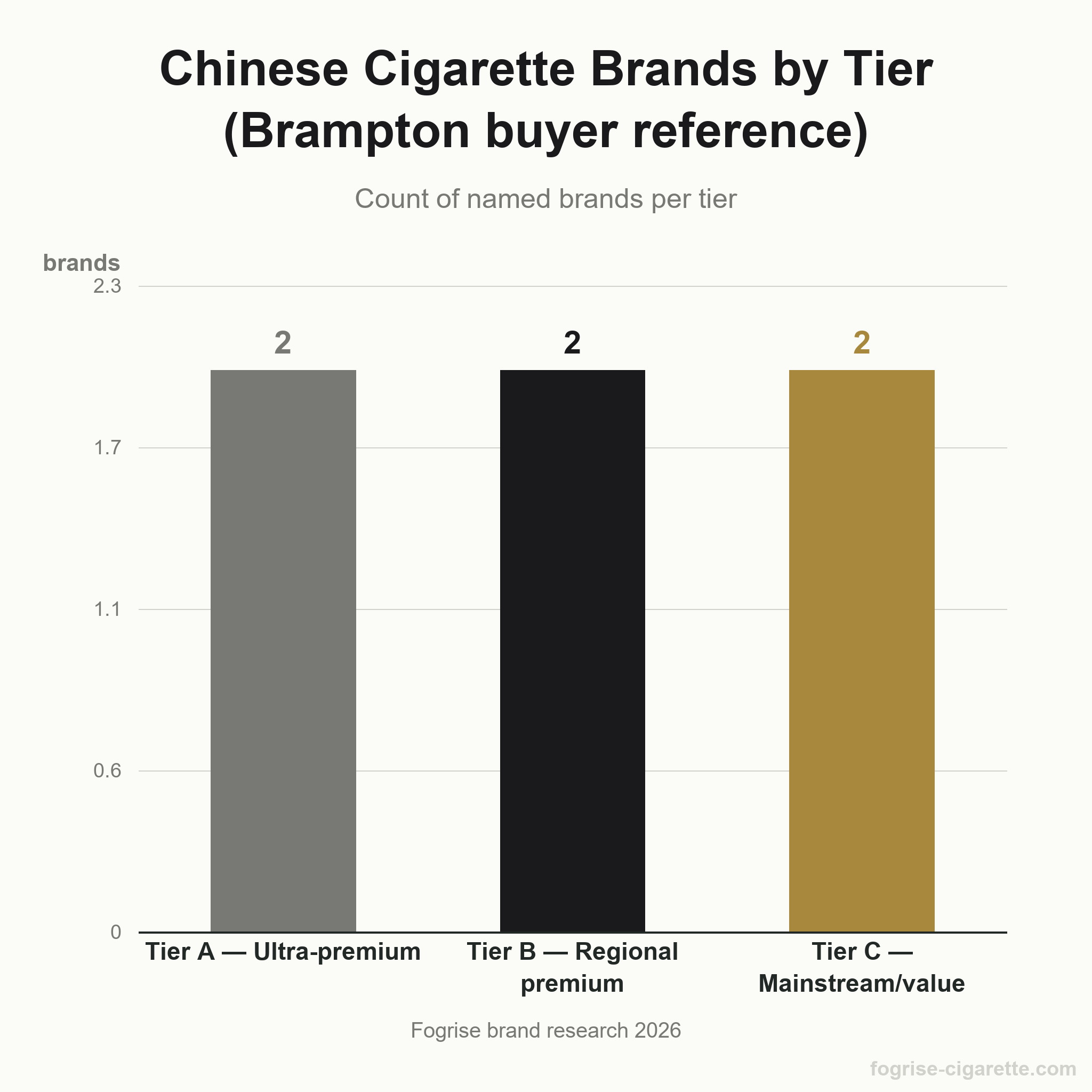
Retail figures above are China-domestic prices in yuan, not Canadian retail; Ontario landed cost is a different arithmetic driven by federal and provincial tobacco tax. These are subject-matter brands rather than shelf inventory; ordinary Brampton tobacconists do not stock them, and the reasons why sit in the legality section that follows.
Is It Legal to Buy or Import Chinese Cigarettes in Brampton?
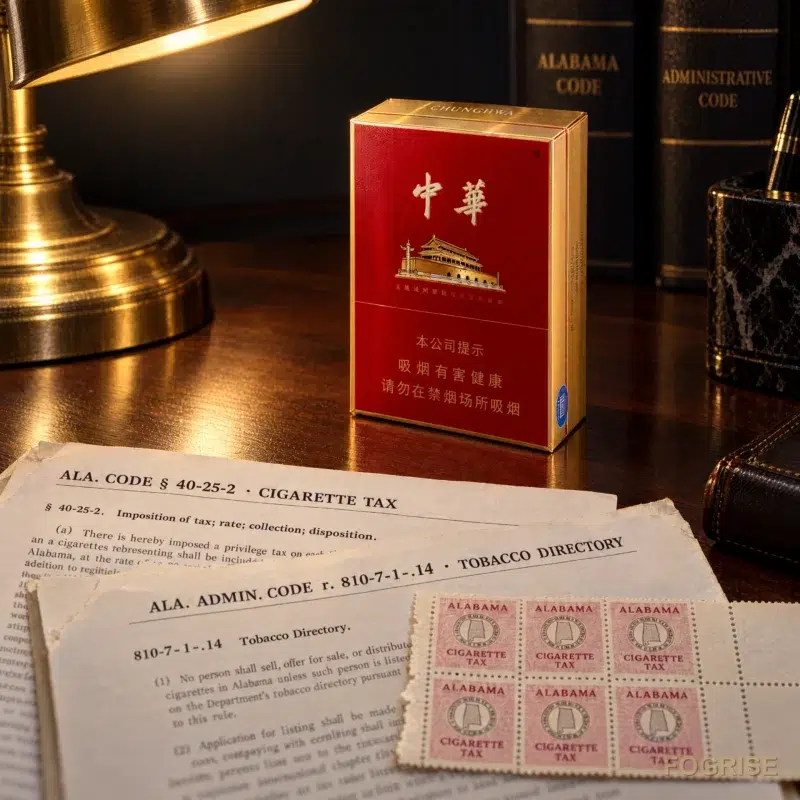
Bottom line for Brampton buyers: Chinese-domestic packs cannot be sold legally in Ontario because they lack the federal duty-paid stamp required by the Tobacco Tax Act (Government of Ontario, 2026). The one clearly lawful path is a personal import within the CBSA 200-cigarette exemption (Canada Border Services Agency, 2026), and even that carries a special duty on unstamped tobacco (Canada Border Services Agency, 2026).
Ontario’s Tobacco Tax Act and the Duty-Paid Stamp
Ontario’s Tobacco Tax Act makes buying, possessing, selling, or distributing untaxed tobacco illegal within the province (Government of Ontario, 2026). Only cigarettes marked with the yellow federal stamp reading "duty paid Canada / droit acquitté" may be sold at retail (Canada Border Services Agency, 2026). Chinese-domestic packs carry Chinese tax stickers, not the federal Canadian stamp, so ordinary convenience stores, gas stations, and licensed tobacconists in Brampton cannot legally stock them. Ontario also layers its own tobacco tax on top of federal excise (Government of Ontario, 2026), which is one reason unstamped inventory turns up in enforcement actions rather than on retail shelves. Any local seller offering foreign-branded packs from behind the counter is operating outside the Act, and buyers face possession penalties, not just the seller.
Federal Rules: TVPA and Plain Packaging
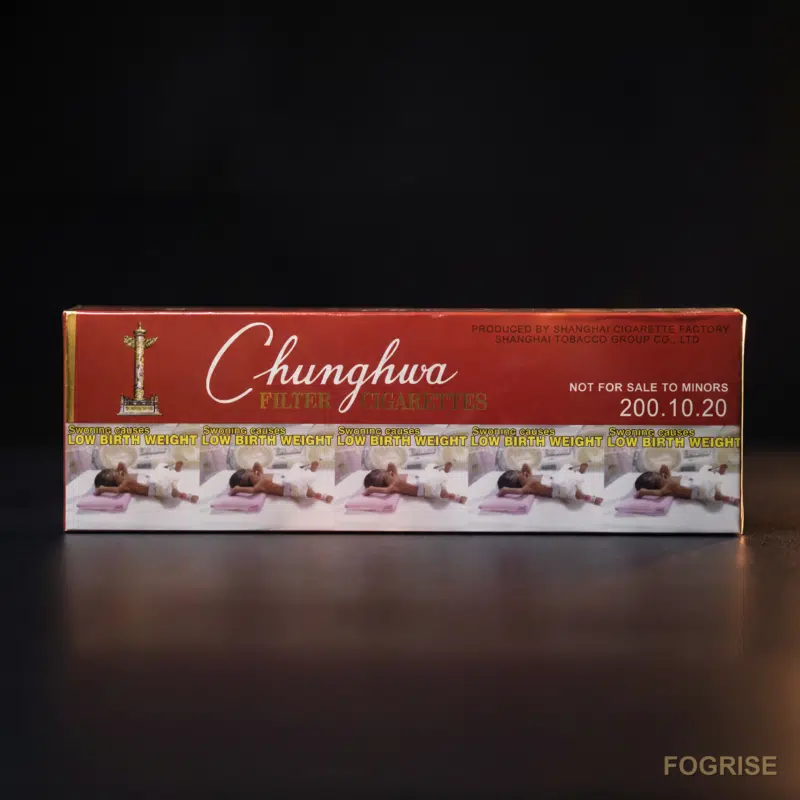
At the federal level, the Tobacco and Vaping Products Act (TVPA) governs how tobacco is manufactured, labelled, promoted and sold across Canada. Since 2020, Health Canada’s plain-packaging rules require a standardized drab-brown pack, matte finish, uniform typeface, and graphic health warnings covering the majority of the principal display surfaces. Chinese-domestic packaging, with brand logos, colour artwork, and Chinese-language warnings, does not comply. That non-compliance is not a paperwork issue a retailer can fix by relabelling; it disqualifies the entire pack from Canadian retail distribution, which is why the domestic supply chain simply does not include these SKUs.
The Legal Route: Personal Import Within the CBSA Allowance
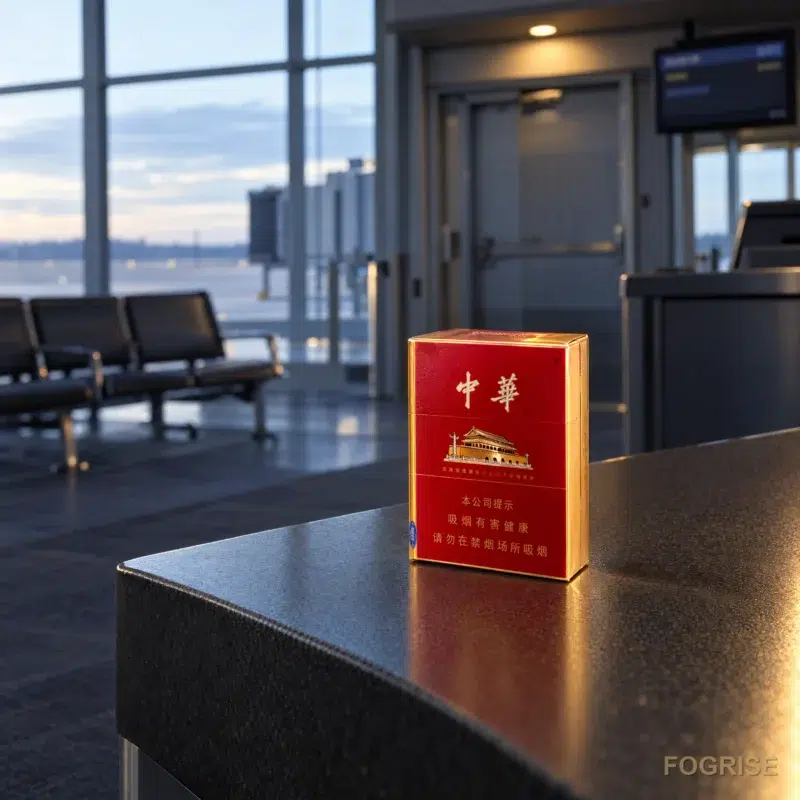
The one clearly lawful path is personal import. A traveller returning to Canada after 48 hours or more abroad may bring 200 cigarettes within the personal-exemption allowance (Canada Border Services Agency, 2026). Because Chinese-domestic packs are unstamped, the Canada Border Services Agency applies a special duty on unstamped tobacco even inside the exemption, so you declare the packs and pay the differential at the border (Canada Border Services Agency, 2026). Ontario’s legal age to purchase or possess tobacco is 19, and travellers under 19 cannot bring cigarettes across regardless of the federal allowance. xiangyandd ships internationally, and packs are dispatched from mainland China, but lawful delivery to a private Ontario address depends on CBSA import rules and Ontario provincial law. Confirm your situation with CBSA and the Ontario Ministry of Finance before ordering.
Verify first: Rules, allowances and enforcement postures shift over time. Confirm the current CBSA personal-import limits, the Ontario Tobacco Tax Act provisions, and the provincial age thresholds with those agencies directly before any purchase.
Key terms
- Duty-paid stamp: the federal yellow stamp reading "duty paid Canada / droit acquitté" that identifies tobacco cleared for legal Canadian retail sale.
- Tobacco Tax Act: Ontario provincial statute governing the sale, possession and taxation of tobacco within the province.
- Excise duty: federal tax levied on tobacco manufactured in or imported into Canada, remitted before retail sale.
- Special duty (unstamped): a separate duty the CBSA applies to unstamped tobacco brought in by travellers, on top of the personal exemption.
Ontario’s Contraband Market and Peel Enforcement
Ontario has one of Canada’s largest contraband cigarette markets. EY estimates illicit product captured 38.7 to 50.3 percent of Ontario’s cigarette volume in 2024 (EY, 2024). Peel Public Health, alongside RCMP, OPP, and CBSA, actively enforces the Smoke-Free Ontario Act and Peel by-laws, and both realities shape what buyers face in Brampton today.
How big Ontario’s contraband market is
The scale is not marginal. EY’s 2024 to 2025 modelling puts contraband between 38.7 and 50.3 percent of Ontario cigarette volume, depending on whether you count discarded-butt sampling, retail mystery-shop audits, or tax-gap regression (EY, 2024). Ontario’s Ministry of Finance and its federal enforcement partners note that illicit tobacco concentrates in Ontario and Quebec, with organized-crime groups running the supply chain from raw-leaf source through wholesale distribution (Government of Ontario, 2026). Product flows through several channels: First Nations reserves in eastern Ontario that sit outside federal excise, container shipments arriving through Canadian ports, and small parcels flagged at postal sorting centres.
By the Numbers
- 38.7 to 50.3 percent of Ontario cigarette volume is illicit, per EY’s 2024 to 2025 analysis (EY, 2024)
- 27 tonnes of contraband cigarettes seized by RCMP Federal Policing in Maple Ridge and Mission, British Columbia during 2024 (Royal Canadian Mounted Police, 2024)
- CAD 500,000 in contraband tobacco intercepted near Cornwall, Ontario by RCMP in spring 2025 (Royal Canadian Mounted Police, 2025)
- CAD 2.2 million China shipment declared as "electric fans," stopped by CBSA in British Columbia’s Lower Mainland (announced October 2025) (Canada Border Services Agency, 2025)
Peel Public Health and police enforcement
Enforcement runs on parallel tracks. The OPP’s Contraband Tobacco Enforcement Team (CTET), part of the Organized Crime Enforcement Bureau, investigates distribution networks across southern Ontario alongside the Ministry of Finance and the Cornwall Regional Task Force (Government of Ontario, 2026). On the federal side, the RCMP’s 27-tonne 2024 seizure came from Federal Policing investigations in Maple Ridge and Mission, British Columbia, a national-scale flow rather than a Peel Region case (Royal Canadian Mounted Police, 2024). About CAD 500,000 of raw and finished product was taken during a separate Cornwall, Ontario operation in spring 2025 (Royal Canadian Mounted Police, 2025). CBSA officers in Burnaby, B.C. intercepted a China-origin container declared as "electric fans" and containing roughly four million cigarettes valued at CAD 2.2 million; the seizure was announced in October 2025 (Canada Border Services Agency, 2025).
At the municipal level, Peel Public Health enforces both the Smoke-Free Ontario Act and Peel by-law 49-2019, which sets a 9-metre no-smoking setback from doorways, air intakes, patios, playgrounds and sports fields (Region of Peel Public Health, 2024). The regional enforcement team conducts hundreds of retail and outdoor inspections each year across Brampton, Mississauga, and Caledon, and fines can climb into the thousands for repeat retail violations, on top of provincial charges the OPP or RCMP may lay separately.
Why cheap offers are a red flag
The economics do not add up. Federal excise plus the Ontario tobacco tax alone push the wholesale floor on a legal carton well above what a thirty-dollar street offer implies. A legal carton at a Brampton convenience store sits several times higher than that, and a price that undercuts licensed retail by 60 to 70 percent almost by definition signals product that is untaxed, unregulated and beyond the reach of Health Canada’s ingredient-disclosure rules. Every "Chinese cigarettes" offer circulating in Brampton at those prices sits inside that same illicit-market pool.
The pattern most Brampton buyers miss is that Chinese cigarettes reaching Peel Region rarely enter through the black-market channels people picture. Think freight, not footpaths. The CBSA’s Burnaby (B.C.) intercept, announced in October 2025, involved a commercial container declared as consumer electronics, not a suitcase at Pearson or a small parcel flagged at the postal centre (Canada Border Services Agency, 2025). That shifts the risk profile from personal-use enforcement to organized-crime supply, with correspondingly heavier legal consequences for anyone caught reselling or distributing.
Reality check: Buying, reselling, or possessing untaxed cigarettes in Ontario is an offence under the Tobacco Tax Act. Fines start in the hundreds and can reach several thousand dollars per carton, plus product seizure. Legal risk sits with the buyer as much as with the seller.
The Real 2026 Price: Ontario Taxes and Brampton Retail
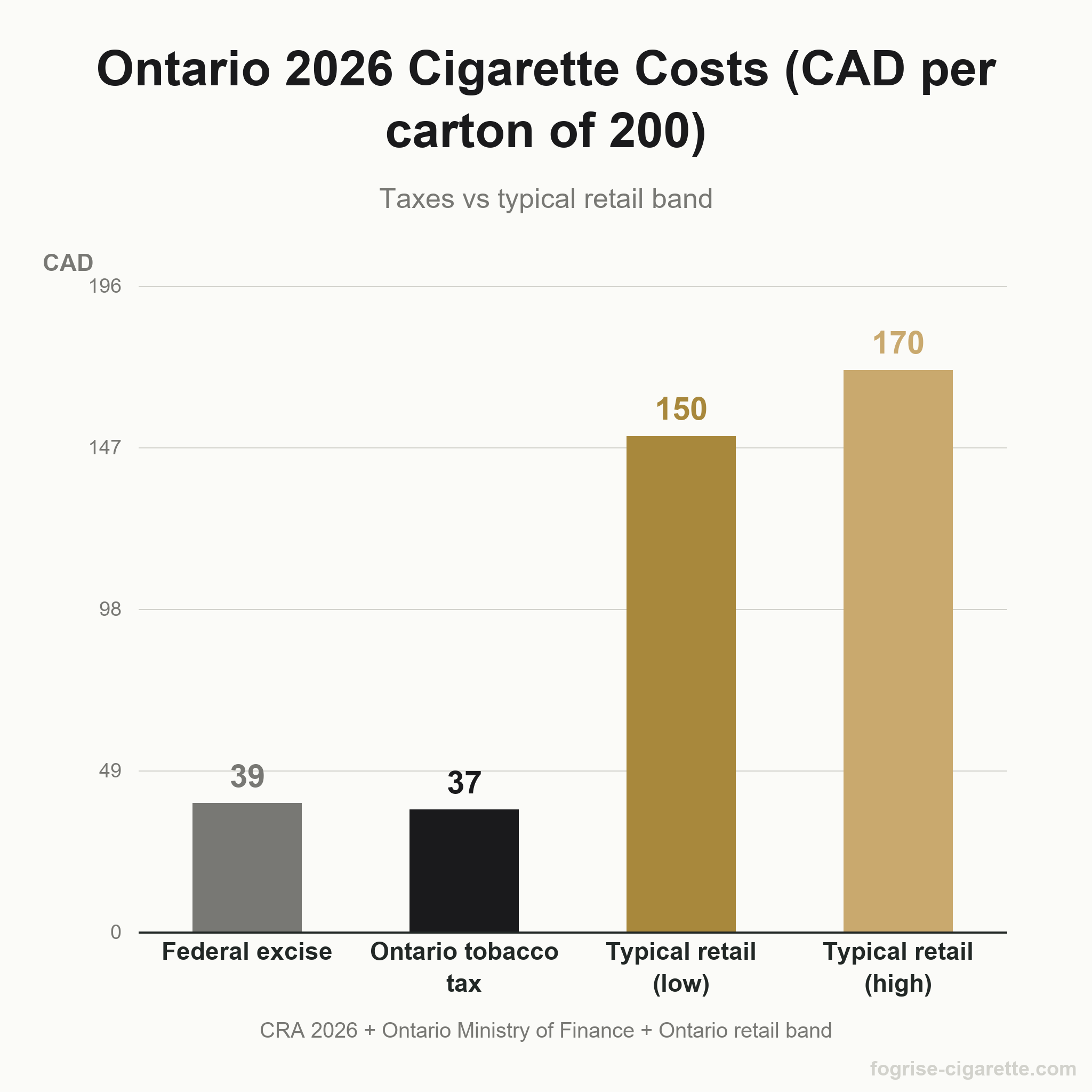
Start with the tax. In April 2026, the federal excise runs about CAD 38.92 per carton of 200 (Canada Revenue Agency, 2026), and Ontario’s provincial tobacco tax adds another CAD 36.95 per carton on top of that (Government of Ontario, 2026). Then the retail total carries 13 percent HST. Typical Ontario shelf pricing lands at CAD 15 to 17 per 20-pack, roughly CAD 150 to 170 per carton.
Federal Excise and Ontario Tobacco Tax (2026)
Effective April 1, 2026, the Canada Revenue Agency sets the federal cigarette excise duty at CAD 0.19460 per stick, up from CAD 0.19078 in 2025 (Canada Revenue Agency, 2026). A standard carton holds 200 cigarettes, so the federal layer alone reaches CAD 38.92 per carton before any provincial charge is added.
Ontario stacks its own tobacco tax on top of that federal amount: 18.475 cents per cigarette, which works out to CAD 36.95 for a 200-count carton (Government of Ontario, 2026). Combined, the two duties reach roughly CAD 75.87 per carton before any retailer margin, before HST, and before a single sticker price appears on the shelf.
HST and the Real Retail Band
Ontario applies 13 percent Harmonized Sales Tax (HST) to the retail total, layered on top of every included tax and every included margin. The HST is calculated on the shelf price the retailer displays, not on a pre-tax base.
For 2026, typical Ontario retail across Brampton convenience stores and licensed tobacconists lands at CAD 15 to CAD 17 per 20-pack, which works out to roughly CAD 150 to CAD 170 for a carton of 200. Chinese-brand packs sold lawfully sit inside that same band because federal excise and provincial tobacco tax apply identically regardless of country of origin.
By the Numbers
- CAD 38.92 federal excise per 200-cigarette carton (CRA, April 2026) (Canada Revenue Agency, 2026)
- CAD 36.95 Ontario provincial tobacco tax per carton (Government of Ontario, 2026)
- 13 percent HST applied on the full retail total
- CAD 15 to 17 typical Ontario retail per 20-pack in 2026
| Component | Rate | Per carton (200) |
|---|---|---|
| Federal excise (CRA, April 2026) | CAD 0.19460 per cigarette (Canada Revenue Agency, 2026) | CAD 38.92 |
| Ontario tobacco tax | 18.475 cents per cigarette (Government of Ontario, 2026) | CAD 36.95 |
| Typical retail (low to high) | CAD 15 to 17 per 20-pack | CAD 150 to 170 |
Why the Numbers Matter for Buyers
Once federal duty and provincial tax alone account for over CAD 75 of a lawful carton, any imported Chinese pack must carry that same tax floor plus import handling, wholesale spread and retailer margin. The math is unforgiving. A legitimate seller in Brampton cannot price a lawfully-imported Chunghwa carton below that stack, so when a listing advertises Chinese cigarettes in Brampton at CAD 60 or CAD 80 per carton, the arithmetic simply does not permit legal, duty-paid product. Those offers signal contraband inventory, counterfeit sticks, or diverted duty-free stock, and each of those categories exposes buyers to seizure and fines under provincial tobacco tax enforcement. Adults 21 and older who want a legally-imported Chinese brand should expect to pay inside the Ontario retail band above, plus any specialty markup.
Spotting Counterfeit Chinese Cigarettes in Brampton
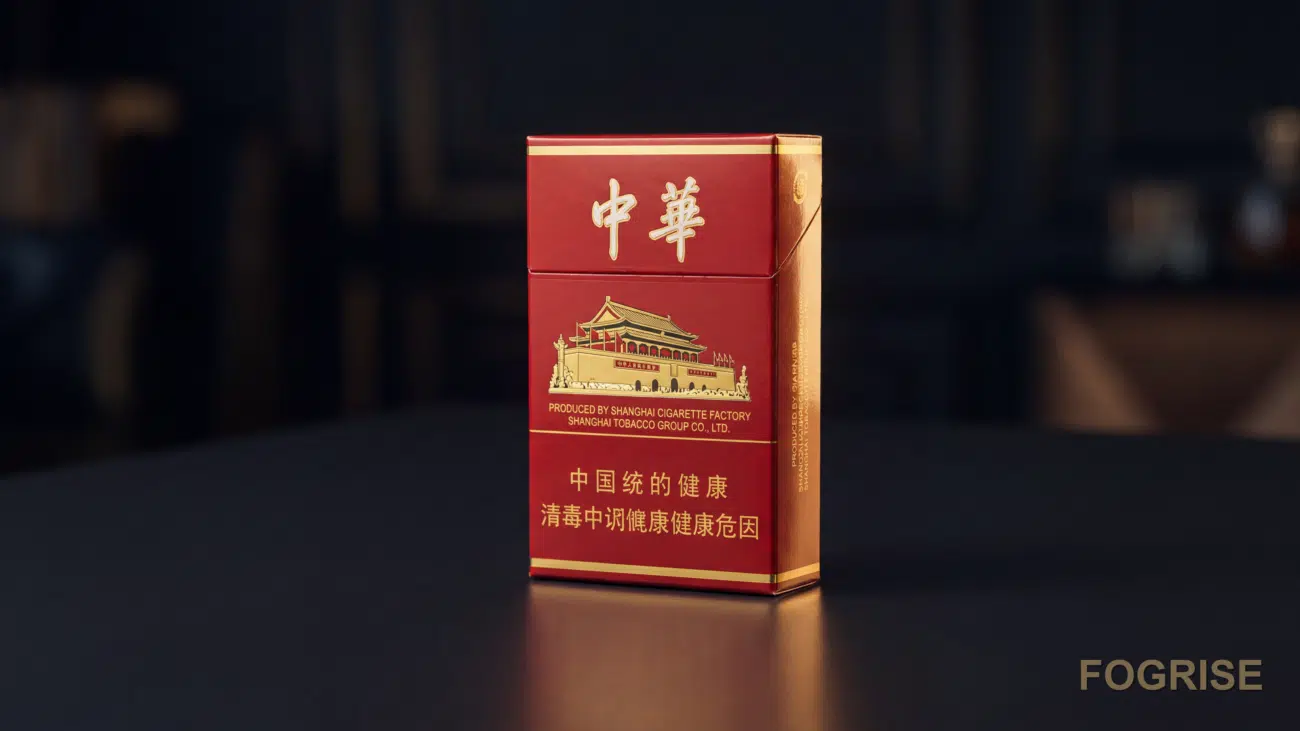
A genuine pack of Chunghwa (中华) is verifiable through embossed gold characters, a scratchable coating, a hologram mark, and crisp print registration. Authentication confirms origin. It does not reduce the harm of smoking. Smuggled and grey-market packs also reach Ontario, so a visual check is only a purchase filter.
Authentication Checklist for a Chunghwa Pack
Buyers looking for Chinese cigarettes in Brampton should work down the short list below before opening the box. Any mismatch is a reason to walk away and ask for a different carton, ideally one still shrink-wrapped at the carton level with an intact factory seal.
- Embossed gold characters. Run a fingertip across the top face. Real 中华 lettering is raised and metallic, with a slight bevel you can feel; flat printing under gold ink usually indicates a copy.
- Colour-changing or scratchable coating. Genuine cartons carry an authenticity coating in a small patch on the pack or carton. A gentle scratch with a coin edge either changes colour or reveals a printed code beneath.
- Hologram or anti-counterfeit mark. Tilt the pack under counter lighting. A real hologram shifts pattern and colour at a steady angle; a printed sticker holds a single flat image.
- Print registration. Look at the fine red and gold linework on the box front. On genuine stock the outlines are sharp and every colour layer sits inside its border, with no ghost edges.
One last check is the feel of the packaging itself. The cellophane pull-tab should tear cleanly along a scored line, and the flip-top hinge should snap back with a firm click rather than sag or slide.
Why Grey-Market and Counterfeit Packs Are a Risk
Grey-market and counterfeit packs enter Ontario through the same routes as many other consumer goods. In October 2025 the Canada Border Services Agency publicly announced the interception (at a customs-controlled facility in Burnaby, British Columbia) of a shipment from China worth CAD 2.2 million that had been declared as "electric fans" and was in fact roughly four million cigarettes, one of several seizures that year (Canada Border Services Agency, 2025). What clears customs undetected is what ends up on a shelf you cannot verify.
Counterfeit tobacco fails the buyer twice. First, the contents are unknown: no ingredient records, no batch control, no factory audit. Second, the transaction sits outside Canada’s tax and excise system, which puts the retailer at legal risk and leaves the buyer with no recourse if the product is contaminated.
Authenticating a pack does not authenticate the practice. A verified genuine Chunghwa is still an addictive tobacco product, still tied to lung cancer, cardiovascular disease and nicotine dependence, and still restricted to adults 21 and over in Ontario. For anyone weighing Chinese cigarettes in Brampton, the checklist above is about origin and legality; harm is a separate question, and every honest answer to it points in the same direction: less is better, and none is better still.
Public-Health Reality and How to Quit in Brampton
Smoking causes more than 8 million deaths a year worldwide and remains the leading preventable cause of illness and early death in Canada, per WHO and Health Canada (World Health Organization, 2025). No cigarette is safe, imported or domestic. Peel Region residents who want to stop can reach free quit-coaching through Peel Public Health, Smokers’ Helpline Ontario, and Health Canada.
The health burden of smoking
Both agencies attribute the burden to two properties of combustible tobacco: it is highly addictive, and burning it produces tar, carbon monoxide, and dozens of Group 1 carcinogens. Every brand carries the same core hazards, whether the pack is Chunghwa, Double Happiness, Marlboro, or a Canadian domestic label.
Per the World Health Organization, "Tobacco kills up to half of its users who do not quit." (World Health Organization, 2025)
Nicotine dependence is why casual smokers often find, months later, that stopping is harder than expected. Plain-packaging rules in Canada exist for that reason: they strip out design cues that make one brand look "smoother" or "cleaner" than another. From a health standpoint, the differences between imported and domestic sticks are marketing, not medicine.
Quit resources in Peel Region
If you live in Brampton, Mississauga, or Caledon, help is close and free.
Peel Public Health’s Tobacco, Vaping and Cannabis program offers one-on-one cessation counselling, group support, and nicotine replacement therapy starter kits through partner community health centres in Brampton, at no cost and without a doctor’s referral, a detail many residents do not realize.
Other options worth calling on the same day you decide to stop:
- Smokers’ Helpline Ontario (Canadian Cancer Society): 1-877-513-5333. Free coaching by phone, text, or web chat, available in multiple languages.
- Health Canada quit resources at canada.ca, including a text-message support line.
- Your family doctor or pharmacist, who can prescribe or recommend nicotine patches, gum, varenicline, or bupropion.
If you want to quit: you do not need to do it alone, and you do not need to wait for a "good day." Call the Helpline or Peel Public Health first, then tell your doctor. Most successful quitters try more than once. Each attempt teaches you what will work the next time.
Frequently Asked Questions
Is it legal to buy Chinese cigarettes in Brampton, Ontario?
Not on ordinary Ontario shelves. Ontario’s Tobacco Tax Act bars the retail sale of tobacco without provincial stamps (Government of Ontario, 2026), so ordinary tobacconists cannot stock China-domestic packs. The lawful route is personal import within the CBSA traveller allowance (Canada Border Services Agency, 2026). Unstamped packs bring special duty on arrival. Verify current rules with the CBSA and Ontario Ministry of Finance before buying or bringing any tobacco.
How much do cigarettes cost in Brampton in 2026?
Roughly CAD 15 to 17 per pack, or about CAD 150 to 170 per carton in 2026. Tax alone reaches about CAD 76 per carton before HST: federal excise sits at 38.92 (Canada Revenue Agency, 2026) and Ontario tobacco tax at 36.95 (Government of Ontario, 2026). Retail price varies by store and format, and rates step up whenever Ottawa or Queen’s Park updates them.
What Chinese cigarette brands are most popular?
Chunghwa is the most-requested, with Yuxi, Furong Wang, Double Happiness, Panda, and Hongtashan close behind. These are China-domestic brands sold through mainland retail channels and duty-free counters, not stocked on Ontario shelves. Preferences track regional origin, gifting habits, and personal loyalty, and packaging design often signals price tier and heritage to Chinese buyers.
Can I bring Chunghwa cigarettes back from China through Toronto Pearson?
After 48 or more hours abroad, the CBSA personal exemption allows up to 200 cigarettes to be brought in with limited or no duty (Canada Border Services Agency, 2026). Chinese packs lack the Canadian excise stamp, so special duty applies on arrival. Declare tobacco honestly at the kiosk or with the officer, and check the current CBSA I Declare rules before flying.
How do I tell if a pack of Chunghwa is real or counterfeit?
Check the embossed gold characters on the pack, the colour-shifting coating on the seal, the hologram window, and print sharpness on the filter tipping. Batch codes should be legible and consistent across the carton. Authentication only confirms brand identity; it does not make any cigarette less harmful to the smoker or to bystanders.
How big is the contraband cigarette problem in Ontario?
Large. EY estimates contraband cigarettes represent 38.7% to 50.3% of Ontario’s cigarette market, supplied mainly by organized crime networks (EY, 2024). That share dwarfs most other Canadian provinces. Buyers cannot verify origin, contents, or handling, and the purchase itself can expose consumers to Tobacco Tax Act penalties (Government of Ontario, 2026). Untaxed product also sits outside any consumer-safety oversight.
Are Chinese cigarettes safer than Canadian brands?
No. No cigarette carries a lower harm profile than another (World Health Organization, 2025). All commercial tobacco causes cardiovascular disease, respiratory disease, and multiple cancers, and every product is addictive because of nicotine. Origin, price tier, or brand prestige does not change that fact. Quitting, or never starting, is the only real path away from these outcomes.
Where can I get help to quit smoking in Brampton?
Peel Public Health, Smokers’ Helpline Ontario at 1-877-513-5333, Health Canada, and your family doctor or pharmacist are the main first stops. Peel offers cessation counselling for Brampton residents. Smokers’ Helpline runs a free coaching line with text and web options. Doctors and pharmacists can prescribe or recommend nicotine replacement therapy, varenicline, or bupropion.
Conclusion
Brampton’s population is diverse and growing, so real interest in Chinese-domestic brands like Chunghwa here is easy to explain. Those packs are not stocked on ordinary Ontario shelves. The only clearly lawful route is a personal import that stays within the CBSA 200-cigarette allowance. Packs missing a Canadian tax stamp are treated as unstamped tobacco and attract the federal special duty on arrival.
The Ontario 2026 tax load is real. Roughly CAD 76 in combined federal and provincial duty rides on a carton of 200 before HST, and legal retail typically lands in the CAD 150 to 170 range. Ontario also carries one of the largest contraband tobacco markets in Canada, and federal and provincial enforcement agencies work these cases actively, so a price that looks too good is a red flag, not a bargain. Authentication (holograms, Canadian tax stamps, batch codes, and lot numbers) matters every time you open a pack.
If you want to browse what is available and confirm shipping to Canada, see the catalog at fogrise-cigarette.com/shop/, or reach the team through our contact page. Verify your local law before you order.
Smoking is harmful and addictive. Written for adults 21 and over.
References
- Canada Revenue Agency. (2026). EDN105: Adjusted rates of excise duty on tobacco products effective April 1, 2026. Government of Canada. https://www.canada.ca/en/revenue-agency/services/tax/technical-information/excise-duty/rates.html
- Canada Border Services Agency. (2026). I Declare: A guide for residents returning to Canada, Alcohol and tobacco allowances. Government of Canada. https://www.cbsa-asfc.gc.ca/travel-voyage/atl-lat-eng.html
- Canada Border Services Agency. (2025, October 24). CBSA seizes over $2.2 million in contraband cigarettes. Government of Canada. https://www.canada.ca/en/border-services-agency/news/2025/10/cbsa-seizes-over-22-million-in-contraband-cigarettes.html
- Government of Ontario. (2026). Tobacco tax [Hub page and contraband-tobacco sub-page]. Ontario Ministry of Finance. https://www.ontario.ca/document/tobacco-tax
- Statistics Canada. (2022). Focus on Geography Series, 2021 Census: Brampton (Census subdivision) [Data table]. Government of Canada. https://www12.statcan.gc.ca/census-recensement/2021/as-sa/fogs-spg/page.cfm?lang=E&topic=1&dguid=2021A00053521010
- EY. (2024). Illegal tobacco in Canada: 2024 update. Convenience Industry Council of Canada. https://convenienceindustry.ca/wp-content/uploads/2024/09/EY-Report-on-Illegal-Tobacco.pdf
- Royal Canadian Mounted Police. (2024, March 8). RCMP Federal Investigators seize 27 tonnes of contraband cigarettes, dismantle criminal networks involved. Government of Canada. https://rcmp.ca/en/news/2024/03/rcmp-federal-investigators-seize-27-tonnes-contraband-cigarettes-dismantle-criminal-networks
- Royal Canadian Mounted Police. (2025, August). Nearly $500,000 in tobacco seized at Cornwall border in spring. Government of Canada. https://rcmp.ca/en/news/2025/08/nearly-500k-tobacco-seized-cornwall-border-spring
- Mao, A., Bottorff, J. L., Oliffe, J. L., Sarbit, G., & Kelly, M. T. (2017). Chinese immigrant men smokers’ sources of cigarettes in Canada: A qualitative study. Tobacco Induced Diseases, 15, 18. https://doi.org/10.1186/s12971-017-0123-1
- World Health Organization. (2025). Global tobacco report 2025: Canada country profile. WHO. https://cdn.who.int/media/docs/default-source/country-profiles/tobacco/gtrc-2025/tobacco-2025-can.pdf
- Region of Peel Public Health. (2024). Smoking and vaping enforcement. https://peelregion.ca/health/inspections-monitoring/smoking-vaping-enforcement
Last reviewed and updated: July 2026. Author: xiangyandd editorial team. For tailored guidance, contact our team.



 English (US)
 简体中文
 Deutsch
 Français
 Español